
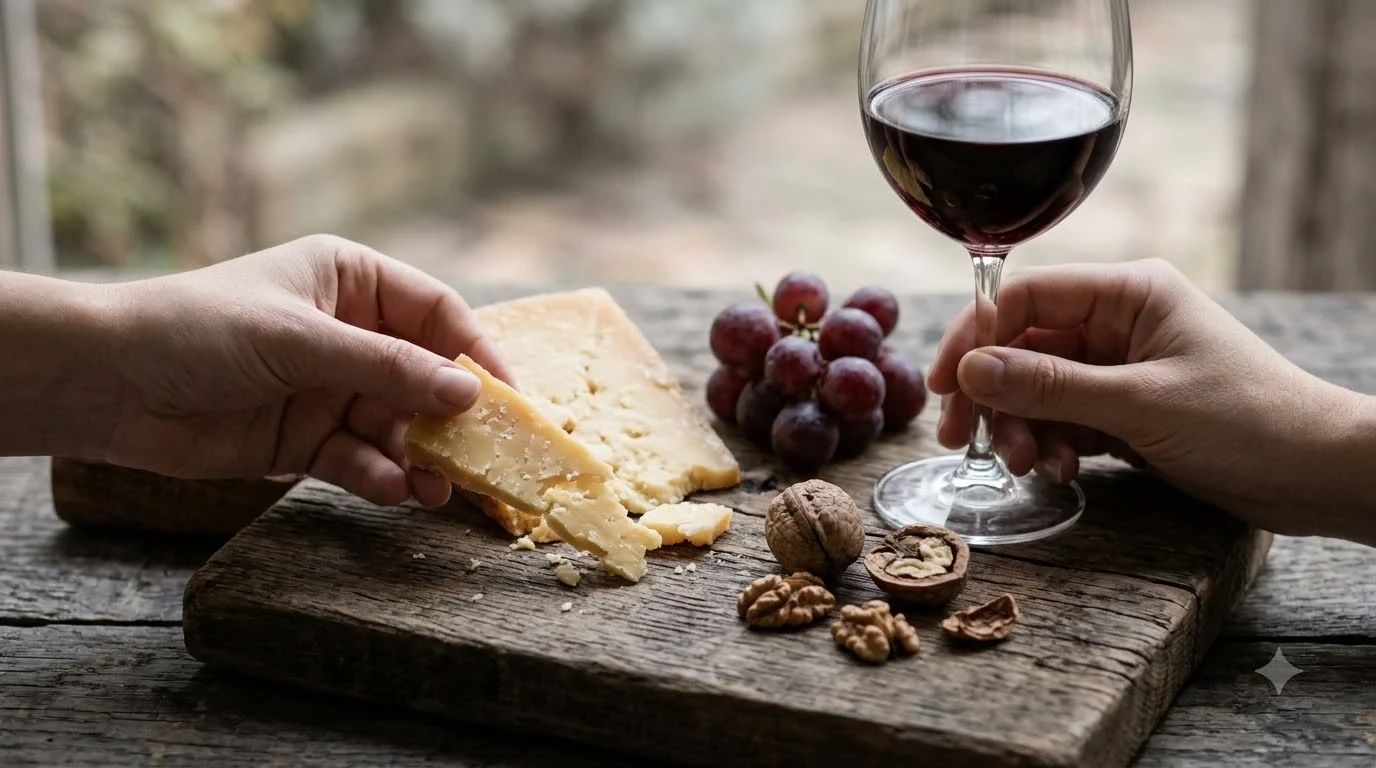

We may earn a commission when you buy through links on this page, at no extra cost to you. Learn more.
If you are wondering is nebbiolo sweet or dry, the answer is that Nebbiolo is almost always made as a bone-dry red wine. While its bright cherry and floral aromas can trick your nose into expecting a touch of sugar, fermenting yeasts convert nearly all natural grape sugars into alcohol. You will rarely encounter a sweet version outside of a few historic, small-production sparkling or fortified styles from northern Italy.
Understanding why this famous Italian grape tastes the way it does helps take the guesswork out of buying and pairing a bottle. Beneath its pale ruby color lies a structural powerhouse defined by gripping tannins, high acidity, and complex earthy flavors that set it apart from plush, fruit-forward reds.
What Is Nebbiolo?
Nebbiolo is a noble red wine grape native to northwestern Italy, best known as the sole grape behind prestigious Piedmont wines like Barolo and Barbaresco. Its name is widely believed to derive from the Italian word nebbia, meaning fog, which blankets the steep hillside vineyards during the late October harvest.
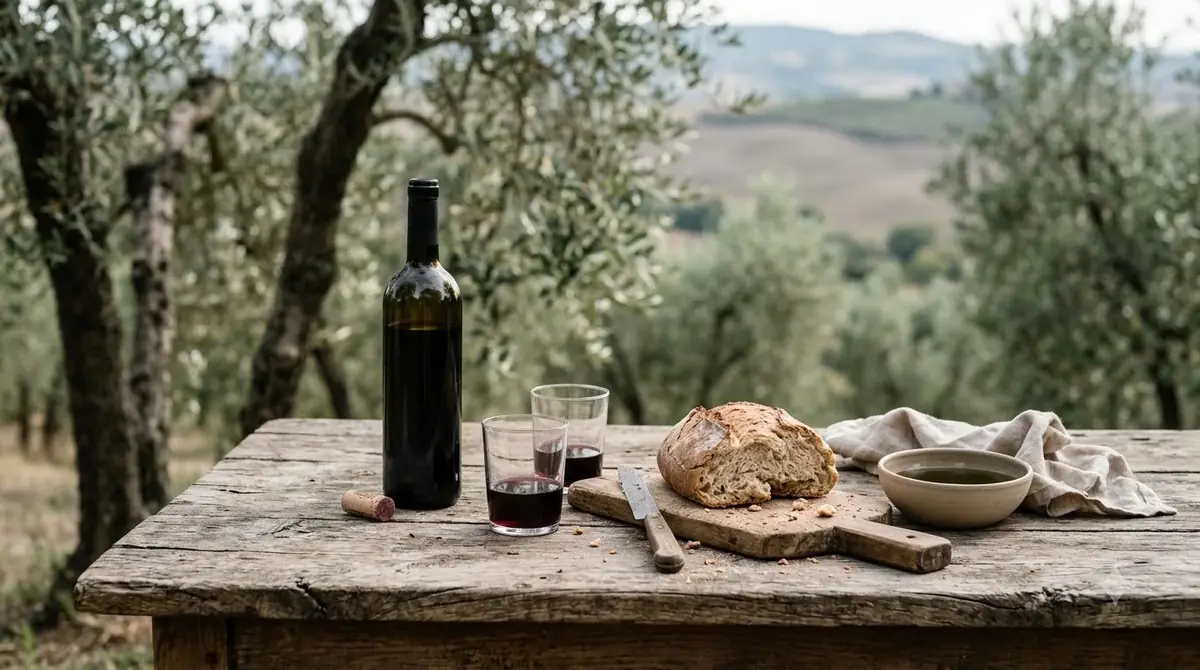
Unlike thick-skinned dark grapes such as Cabernet Sauvignon or Syrah, Nebbiolo produces wines with a surprisingly translucent, pale garnet or brick-orange hue. Beginners often mistake this light color for a sign of a light-bodied or delicate red wine, yet the first sip reveals an intense, full-bodied structure. High natural acidity and firm, mouth-drying tannins give the wine remarkable aging potential that can span several decades.
Because the grape buds early in the spring and ripens very late in the autumn, it is notoriously finicky and demanding to grow. Winemakers generally ferment the juice completely dry, resulting in residual sugar levels typically well under 2 grams per liter. According to Wine Folly’s Nebbiolo guide, these wines commonly reach between 13.5% and 15% ABV, which adds a subtle perception of warmth on the finish rather than actual sweetness.
Flavor Profile and Styles
Nebbiolo balances delicate, perfumed red fruit aromas with bold, savory earthiness and substantial structural grip. Classic tasting notes range from sour red cherry, wild strawberry, and dried rose petals to tar, leather, anise, and white truffle.
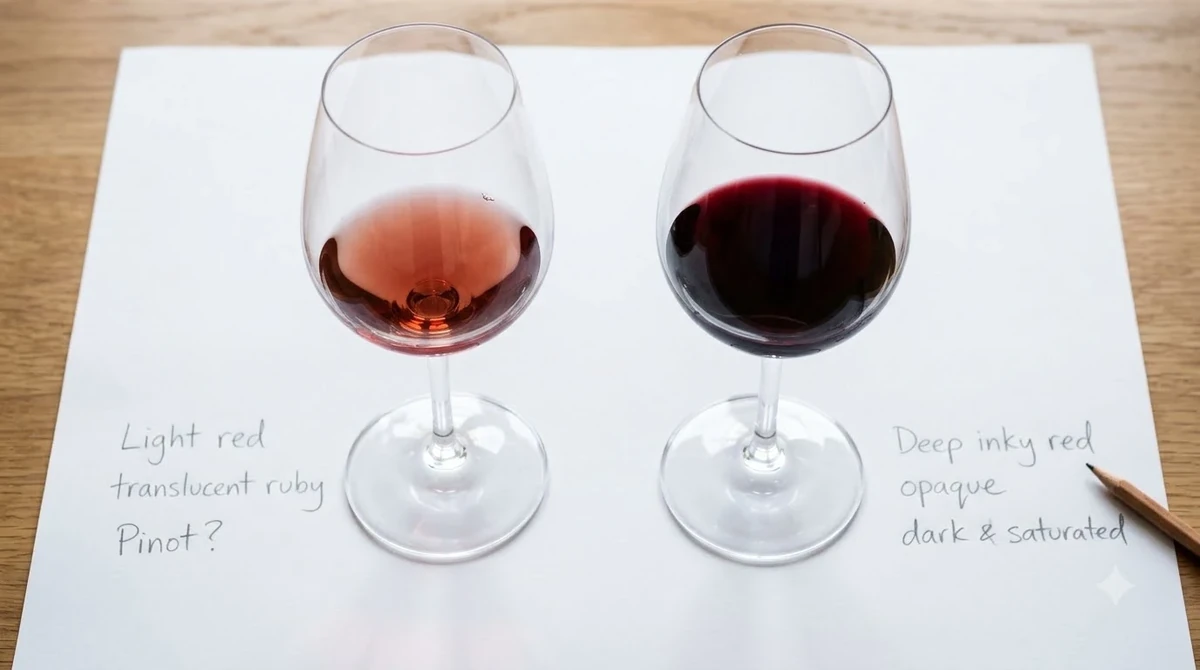
Why do so many drinkers pause and ask whether this wine contains sugar? The answer lies in the contrast between aroma and palate. Ripe red fruit and sweet floral notes hit your olfactory senses first, creating an impression of richness before the bracing acidity and astringent tannins sweep across your tongue. This sensory interplay is a classic hallmark among different wine types that rely on high aromatic intensity rather than residual sugar.
While dry still red wine accounts for the overwhelming majority of global production, a few traditional off-dry or sweet exceptions exist in northern Italy. In the Piedmont hills, producers occasionally craft a rare, lightly sparkling sweet red called Nebbiolo d’Alba Spumante Dolce, alongside historic aromatized wines like Barolo Chinato, which blends Nebbiolo with sugar, herbs, and spices. Still, unless a label specifically includes words like Dolce or Chinato, you can count on the bottle being strictly dry.
| Nebbiolo Style | Sweetness Level | Key Characteristics | Typical Alcohol (ABV) |
|---|---|---|---|
| Barolo DOCG | Bone-Dry | Full-bodied, firm tannins, rose, tar, dried cherry | 14% – 15% |
| Barbaresco DOCG | Bone-Dry | Medium-to-full-bodied, slightly softer tannins, red berries | 13.5% – 14.5% |
| Langhe Nebbiolo DOC | Dry | Approachable, vibrant acidity, fresh red fruit, lighter oak | 13.5% – 14.5% |
| Valtellina Superiore DOCG | Dry | Alpine freshness, crunchy cranberry, herbal and mineral notes | 13% – 14% |
| Barolo Chinato | Sweet (Aromatized) | Fortified, spiced with cinchona bark, bitter-sweet finish | 16% – 17% |
Where Nebbiolo Grows
Piedmont in northwestern Italy remains the undisputed spiritual and commercial home of Nebbiolo, accounting for the vast majority of the world’s plantings. Its calcareous marl and sandstone hills provide the exact exposure and drainage this late-ripening variety needs to reach full maturity.
Within Piedmont, the neighboring zones of Barolo and Barbaresco produce the grape’s most celebrated expressions, while nearby Roero yields slightly softer, sandier-soil versions meant for earlier drinking. Further north in the foothills of the Alps, regions like Valtellina in Lombardy—where the grape is locally called Chiavennasca—and Alto Piemonte appellations such as Gattinara and Ghemme craft brisk, mineral-driven dry reds with slightly lighter body.
Outside of Italy, Nebbiolo remains a niche passion project for dedicated vintners rather than a widespread commercial crop. Small plantings exist in California’s Paso Robles and Santa Barbara County, Oregon, Washington State, Mexico’s Baja California, and parts of Australia. Even in these sunnier New World climates, winemakers almost universally ferment the fruit completely dry to honor its traditional Italian structural profile.
How to Serve Nebbiolo
Serving Nebbiolo at the proper temperature and giving it adequate exposure to oxygen are essential for softening its naturally firm tannins. Aim to serve young and aged bottles alike at a cool cellar temperature between 60°F and 65°F (15°C to 18°C).
If served too warm, the wine’s relatively high alcohol can taste sharp and overshadow its delicate floral aromatics. Conversely, serving it straight from a cold refrigerator will clamp down on the bouquet and make the tannins feel overly harsh and metallic. A brief 15-to-20-minute chill in the fridge before opening usually brings a room-temperature bottle right into the ideal zone.
Decanting plays an equally important role, especially for structured bottles from Barolo, Barbaresco, or Valtellina. Young Nebbiolo often benefits from one to two hours in a wide-bottomed decanter to tame its grip and coax out hidden notes of violet and licorice. Older bottles with ten or more years of age still benefit from decanting to separate fine sediment, though 30 to 45 minutes of air is plenty so you do not dissipate fragile tertiary aromas.
Tip: Pour Nebbiolo into a large, wide-bowled Burgundy or Pinot Noir glass rather than a narrow Bordeaux glass so the generous surface area can capture its subtle rose and red berry aromatics.
Food Pairing with Nebbiolo
Nebbiolo’s combination of mouthwatering acidity and astringent tannins makes it one of the most food-friendly dry red wines at the dinner table. Those firm tannins bind directly to dietary proteins and fats, leaving your palate refreshed after every bite.
Traditional Piedmontese cuisine offers the ultimate blueprint for pairing this grape. Rich, slow-braised meats like beef short ribs, osso buco, and pot roast soften the wine’s structural edges, while egg-rich tajarin pasta tossed with butter, sage, or shaved white truffles mirrors the wine’s earthy undertones. According to Wine Enthusiast’s Nebbiolo overview, aged hard cheeses such as Parmigiano-Reggiano, Castelmagno, and aged Gouda also work wonders alongside a dry glass.
Because Nebbiolo is bone-dry and high in tannin, you should generally avoid pairing it with spicy dishes or sweet glazes. Capsaicin heat amplifies alcohol burn and makes tannins feel bitter, while sugary barbecue sauces will make a dry Nebbiolo taste thin and sour. If your meal leans sweet or spicy, consider reaching for something sweeter like Moscato d’Asti or checking whether a crisp dry or off-dry rosé fits the menu better.
How to Choose a Bottle
Selecting the right bottle of Nebbiolo comes down to matching the appellation and vintage age to your occasion and palate preferences. Because every standard table wine from these regions is dry, your main decision is how much tannin and oak influence you want.
If you are new to the grape or want a bottle to open tonight without hours of decanting, look for labels marked Langhe Nebbiolo DOC or Nebbiolo d’Alba DOC. Winemakers often use fruit from younger vines in these bottlings, yielding vibrant cherry flavors and gentler tannins that shine within two to five years of the harvest date. Roero DOCG is another approachable option thanks to its sandy soils, which produce fragrant, medium-bodied wines that open up quickly.
When you are ready for maximum depth and complexity, step up to Barbaresco DOCG or Barolo DOCG. Barbaresco requires at least 26 months of aging before release and often feels slightly more supple and aromatic in its youth, whereas Barolo requires at least 38 months of aging and commands a firmer, more monumental structure built for long-term cellaring.
Frequently Asked Questions
Why does Nebbiolo smell sweet if it is a dry wine?
Nebbiolo produces intense aromatics of ripe red cherry, wild strawberry, and sweet rose petals that our brains naturally associate with sweet foods. However, during fermentation, yeasts consume virtually all the grape sugar, leaving a bone-dry palate balanced by high acidity and firm tannins.
Is Nebbiolo sweeter than Pinot Noir?
No, neither Nebbiolo nor traditional Pinot Noir is sweet; both are fermented dry. Pinot Noir often feels softer and juicier on the mid-palate because it has much lower tannins, whereas Nebbiolo feels more austere and grippy despite sharing a similar pale color and red-fruit profile.
Are there any sweet wines made from the Nebbiolo grape?
Yes, though they are rare specialties rather than standard table wines. A handful of Piedmont producers make a sweet, lightly sparkling red called Nebbiolo d’Alba Spumante Dolce, as well as Barolo Chinato, a sweet spiced wine fortified with herbs and cinchona bark.
How much residual sugar is typically in a bottle of Nebbiolo?
A standard dry Nebbiolo from Barolo, Barbaresco, or Langhe typically contains less than 2 grams of residual sugar per liter, placing it firmly in the bone-dry category. Just like when you verify whether Brut Champagne is dry, looking for standard DOC or DOCG table wine designations ensures virtually zero perceptible sweetness.
Once you know that Nebbiolo is a dry, structured red rather than a sweet one, its pale color and perfumed bouquet become much easier to appreciate. Serve your next bottle slightly below room temperature alongside hearty, savory food to experience why Piedmont’s signature grape remains a favorite among wine lovers.
More in Wine Types & Grapes
 Zinfandel Sugar Content: Dry Red vs. White Zinfandel GramsUpdated Nov 21, 2026
 Best Zinfandel Substitute Options for Sipping and CookingUpdated Nov 21, 2026
 Zweigelt Food Pairing: Best Dishes, Cheeses, and Serving TipsUpdated Nov 21, 2026
 Zinfandel Tannins Explained: How Structure Shapes Every BottleUpdated Nov 21, 2026
 Zinfandel Sweetness Level: Dry Red vs. Sweet White Zin ExplainedUpdated Nov 21, 2026
 Xinomavro Food Pairing: Best Dishes, Styles, and Serving TipsUpdated Nov 21, 2026