

We may earn a commission when you buy through links on this page, at no extra cost to you. Learn more.
If you are wondering is moscato d asti sweet or dry, it is decidedly sweet, sitting firmly in the dessert-friendly end of the spectrum with residual sugar levels commonly ranging between 130 and 145 grams per liter. Unlike bone-dry sparkling wines that ferment all their grape sugars into alcohol, winemakers intentionally halt fermentation early to preserve natural fruit sweetness alongside a gentle frizzante spritz. This process keeps alcohol levels remarkably low at around 4.5% to 6.5% ABV while bright natural acidity prevents the wine from tasting syrupy.
Many shoppers spot the slender bottles in the wine aisle and assume the style mirrors dry Italian sparklers like Prosecco or Franciacorta. Understanding how winemakers craft this aromatic Piedmontese favorite clarifies why every sip bursts with fresh orchard fruit and floral sweetness instead of crisp, dry minerality.
What It Is
Moscato d’Asti is an aromatic, lightly sparkling sweet white wine produced exclusively in northwestern Italy’s Piedmont region under strict DOCG regulations. Made from 100% Moscato Bianco grapes, it earns its signature sweetness through an interrupted single-tank fermentation process.
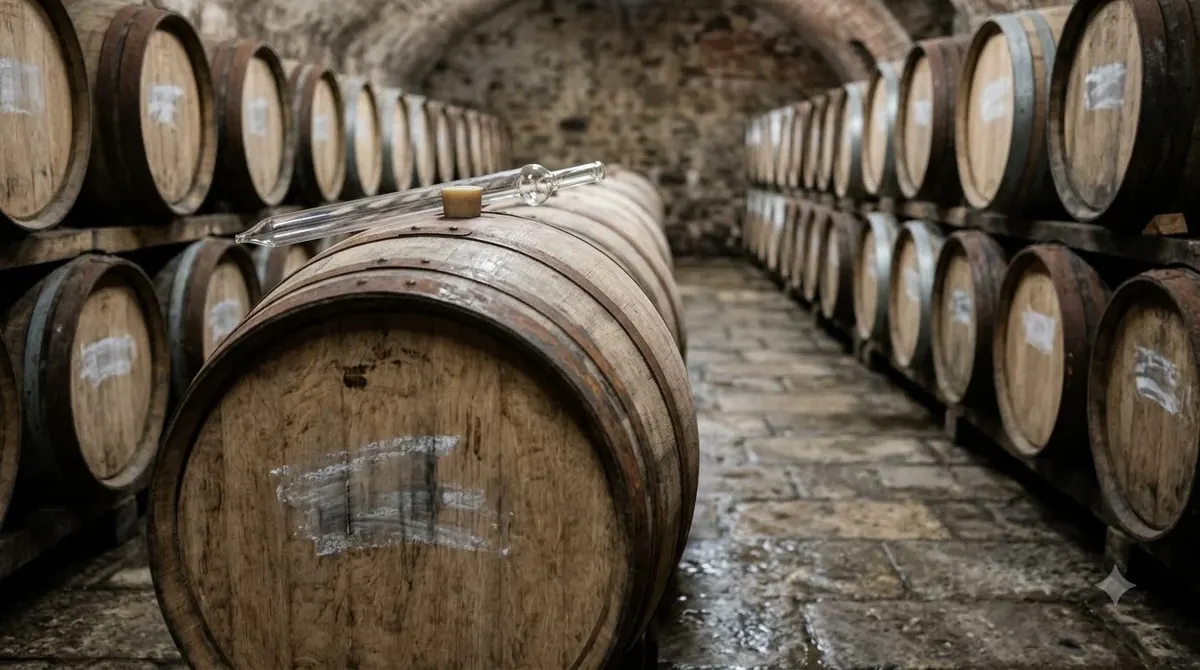
According to the regional production rules outlined by Wine Folly’s Asti region guide, winemakers chill the fermenting grape must once alcohol reaches roughly 5.5% ABV. That sudden drop in temperature puts the yeast to sleep before it can consume the remaining natural sugars, leaving behind a lush, fruit-forward profile without any added sweeteners or syrups.
This gentle approach also explains why the bubbles feel so soft on the palate compared to Champagne or Prosecco. Bottled at a light pressure of 1.7 to 2.5 bars, Moscato d’Asti carries a delicate frizzante fizz—roughly half the carbonation of Prosecco and one-quarter that of Champagne. If you are comparing broader styles across the Wine by Type spectrum, it occupies a distinct niche as a low-alcohol, naturally sweet aromatic wine rather than a traditional celebratory sparkler.
Flavor and Styles
In the glass, Moscato d’Asti delivers intense perfumes of white peach, ripe apricot, orange blossom, and honeysuckle balanced by brisk natural acidity. While the standard DOCG style dominates American wine shops, producers also craft a rare late-harvest variation with deeper honeyed richness.
Reviewers at The Wine Pair Podcast note that classic bottles taste like fresh fruit juice, floral perfume, and light dessert wrapped into one lively pour, highlighting notes of pear, apple, lychee, and sweet citrus. Because Moscato Bianco naturally holds bright acidity—required by DOCG rules to reach at least 4.5 grams per liter—the finish stays clean and refreshing rather than heavy.
Shoppers often confuse this bottle with other Muscat wines on the shelf, so comparing neighboring styles helps clarify what lands in your glass. While a broader look at is moscato sweet or dry shows that the global Muscat family ranges from bone-dry Austrian Muskateller to fortified dessert wines, Moscato d’Asti remains strictly sweet. Its closest regional sibling also differs in pressure and alcohol, a distinction explored further in our breakdown of is asti spumante sweet or dry.
| Wine Style | Grape Variety | Sweetness Level | Typical ABV | Bubble Intensity |
|---|---|---|---|---|
| Moscato d’Asti DOCG | 100% Moscato Bianco | Sweet (130–145 g/L residual sugar) | 4.5%–6.5% | Lightly sparkling (frizzante) |
| Asti Spumante DOCG | 100% Moscato Bianco | Semi-sweet to sweet | 7%–9.5% | Fully sparkling (spumante) |
| Prosecco DOC | Glera (minimum 85%) | Typically dry (Brut or Extra Dry) | 11%–12% | Fully sparkling (spumante) |
| Moscato d’Asti Vendemmia Tardiva | 100% Moscato Bianco | Very sweet (late harvest) | Minimum 11% | Still to lightly spritzy |
Where It Grows
All authentic Moscato d’Asti originates in the rolling hills of Piedmont in northwestern Italy, spanning designated hillside vineyards across the provinces of Asti, Alessandria, and Cuneo. Steep slopes and calcareous marl soils force growers to harvest every cluster by hand while preserving bright natural acidity in the grapes.

Piedmont is famous worldwide for structured, dry red wines like Barolo and Barbaresco, yet its sun-drenched, chalky hillsides provide ideal growing conditions for aromatic white grapes. Cool morning mists and warm afternoons allow Moscato Bianco bunches to build generous sugar concentrations while holding onto crisp citrus freshness.
Because the vineyard inclines are too steep for mechanical harvesters, 100% of the crop is picked manually each autumn. Careful hand-sorting ensures that only healthy, fragrant grapes enter the press, protecting the delicate floral compounds that make the finished wine smell like a blooming orchard.
How to Serve
Serve Moscato d’Asti thoroughly chilled at 43°F to 46°F (6°C to 8°C) in a tulip sparkling glass or standard all-purpose white wine stem. Serving the bottle cold keeps the sweetness crisp and lively, whereas letting it warm up makes the residual sugar taste noticeably heavier.
Skip narrow, straight-sided Champagne flutes when pouring this wine. Because Moscato d’Asti relies on gentle frizzante bubbles rather than vigorous carbonation, a wider bowl gives its signature aromas of peach, sage, and orange blossom room to open up so you can appreciate the bouquet before every sip.
Unlike collector-grade reds that improve after a decade in the cellar, standard Moscato d’Asti is built for immediate freshness. Most bottles taste best within one year of the vintage date printed on the label, though a handful of top hillside bottlings aged on their lees can develop intriguing dried apricot and honey nuances over five to seven years.
Tip: Chill the bottle in your refrigerator for at least three hours—or submerge it in an ice-and-water bath for 20 minutes—before uncorking, and seal leftovers with a sparkling wine stopper to hold the delicate spritz for up to two days.
Food Pairing
Moscato d’Asti shines alongside fruit-driven desserts, brunch pastries, and spicy Asian dishes where natural sugar tames chili heat. Its low alcohol and gentle bubbles refresh the palate between bites without overwhelming delicate textures.
In Piedmont, locals traditionally pour it with hazelnut cake (Torta di Nocciola), panettone, peach cobbler, panna cotta, and lemon sorbet. A classic rule of dessert pairing holds that the wine should be at least as sweet as the dish on your plate; otherwise, a dry bottle will taste sharp and sour next to sugar. Moscato d’Asti clears that hurdle effortlessly while adding bright floral lift.
Outside the dessert course, its combination of low 5.5% ABV and generous residual sugar works wonders with fiery Thai curries, Sichuan stir-fries, and Vietnamese dishes. High-alcohol dry wines amplify the burn of capsaicin, whereas chilled Moscato d’Asti cools spicy aromatics like ginger, lemongrass, and chili peppers. It also pairs beautifully with salty soft cheeses, prosciutto-wrapped melon, and weekend waffles—offering a refreshing contrast if you usually reach for dry Italian reds covered in guides like is nero d avola sweet or dry.
How to Choose a Bottle
Look for the official pink or tan DOCG neck strip and a recent vintage date on the label to guarantee authentic, fresh Moscato d’Asti from Piedmont. Checking the alcohol percentage on the front label also gives you an immediate clue about the sweetness and fizz inside.
Authentic bottles almost always list an ABV between 4.5% and 6.5% and feature a traditional mushroom-shaped cork secured with a wire cage, even though the internal pressure is relatively gentle. If a label reads “Asti” or “Asti Spumante” without the word “Moscato” in front—and lists 7% to 9.5% ABV—you are holding the fuller-sparkling, slightly less sweet cousin rather than classic frizzante Moscato d’Asti.
Finally, pay close attention to the harvest year rather than reaching for older dusty bottles on a bottom shelf. Because fragrant aromatics fade quickly over time, choosing the newest available vintage ensures vibrant peach and blossom character from the first pour to the last.
Frequently Asked Questions
Is Moscato d’Asti sweeter than Prosecco?
Yes, Moscato d’Asti is significantly sweeter than standard Prosecco. Most Prosecco is made in a dry Brut or Extra Dry style with around 11% to 12% ABV, while Moscato d’Asti halts fermentation early to retain 130 to 145 grams of residual sugar per liter at roughly 5.5% ABV.
Why is Moscato d’Asti so low in alcohol?
Winemakers deliberately chill the fermenting grape juice once alcohol reaches about 4.5% to 6.5% ABV. Cooling the tank stops the yeast from converting the remaining grape sugars into alcohol, leaving the wine naturally sweet, light-bodied, and easy to sip.
Is Moscato d’Asti considered a sparkling wine?
It is classified as a frizzante, or lightly sparkling wine, rather than a fully sparkling spumante. Bottled at 1.7 to 2.5 bars of pressure, it offers a soft, creamy spritz with roughly half the carbonation of Prosecco and a quarter that of Champagne.
Can you ever find a dry Moscato d’Asti?
No, true Moscato d’Asti DOCG is never dry because Italian appellation laws strictly require sweet residual sugar levels and low alcohol. If you want a dry wine made from the same grape family, look for dry Muscat Blanc, Austrian Muskateller, or dry Alsatian Muscat instead.
Whether you pour it with fresh berry tarts after dinner or alongside spicy takeout on a warm evening, Moscato d’Asti delivers unmistakable sweetness balanced by bright Piedmontese acidity. Keep a bottle well chilled in the fridge whenever you want an aromatic, low-alcohol pour that feels festive without overwhelming your palate.
More in Wine Types & Grapes
 Zinfandel Sugar Content: Dry Red vs. White Zinfandel GramsUpdated Nov 21, 2026
 Best Zinfandel Substitute Options for Sipping and CookingUpdated Nov 21, 2026
 Zweigelt Food Pairing: Best Dishes, Cheeses, and Serving TipsUpdated Nov 21, 2026
 Zinfandel Tannins Explained: How Structure Shapes Every BottleUpdated Nov 21, 2026
 Zinfandel Sweetness Level: Dry Red vs. Sweet White Zin ExplainedUpdated Nov 21, 2026
 Xinomavro Food Pairing: Best Dishes, Styles, and Serving TipsUpdated Nov 21, 2026