

We may earn a commission when you buy through links on this page, at no extra cost to you. Learn more.
A pinot noir cocktail uses Pinot Noir as a base, a supporting wine ingredient, or a float to bring fresh red-fruit flavor and acidity to a mixed drink. The wine’s cherry, raspberry, and cranberry notes pair naturally with brandy, citrus, pear, and gentle spices. Choose a dry, fruit-forward bottle with modest oak, then balance its acidity with measured sweetness rather than burying it under strong spirits.
Pinot Noir does not have to stay in a wine glass. Its relatively light body and softer tannins make it a flexible red-wine choice for a shaken drink, a chilled spritz, or a pitcher of sangria. The best result still tastes recognizably like wine: fresh, balanced, and aromatic, not like a sweet punch with a splash of red color.
What Is a Pinot Noir Cocktail?
A Pinot Noir cocktail is any mixed drink in which Pinot Noir contributes more than a decorative garnish. It can form the wine base of a pitcher drink, share the glass with a spirit and citrus, or sit as a red-wine float above a sour. The phrase describes a family of drinks rather than one fixed, traditional formula.
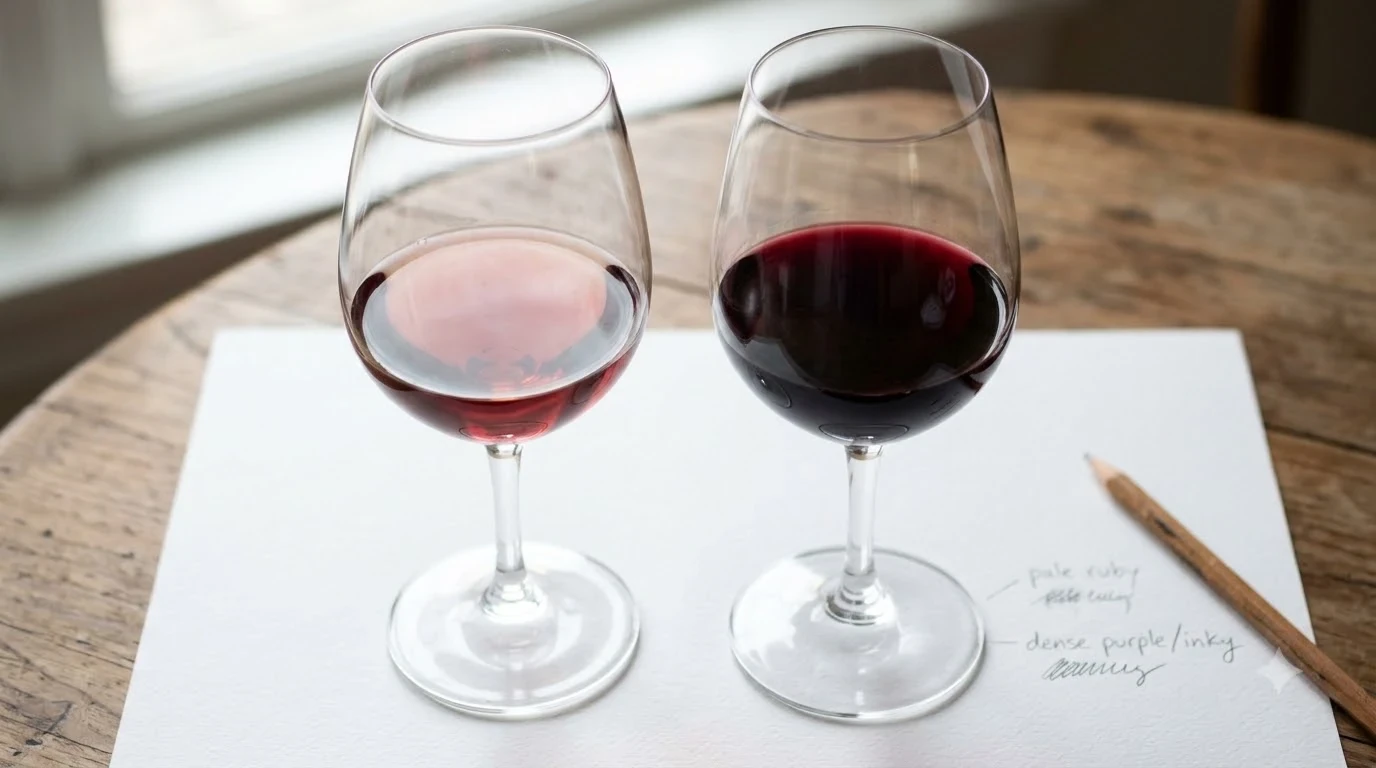
Pinot Noir has a recognizable profile without being heavy. A typical dry example is light- to medium-bodied, with bright acidity, gentle tannin, and flavors such as cherry, strawberry, raspberry, cranberry, and earth. Those features add freshness and complement brandy, bourbon, apple spirits, pear liqueur, or sparkling water.
Think of it as a wine-forward drink, not a standard spirit cocktail with wine added at the last second. A spritz keeps wine in the foreground, a brandy sour gives it equal standing with the spirit, and sangria uses it as the pitcher base with fruit, citrus, and measured sweetness. Use a rocks glass for a shaken drink, a wineglass for a spritz, or a pitcher for sangria.
Why Pinot Noir Works in Mixed Drinks
Pinot Noir brings fresh acidity, a red-berry flavor profile, and comparatively restrained tannins to cocktails. That balance makes it easier to combine with citrus and fruit than a heavily tannic red, while its moderate body gives a drink more wine character than a neutral mixer would.
Acidity is one of the most useful features in a mixed drink. Lemon or lime supplies sharpness while syrup or liqueur softens it; Pinot Noir already contributes natural acidity, so a recipe can taste lively without relying on a large dose of citrus. That freshness helps a wine-based punch remain balanced after fruit and sweetener are added.
Its fruit aromas are equally practical. Decanter’s Pinot Noir profile describes familiar raspberry, strawberry, and cherry notes, sometimes joined by spice and savory elements. Echoing those flavors usually works better than adding a crowded mix of unrelated ingredients: fresh cherries, orange peel, raspberries, apple, and pear are all useful starting points.
Pinot Noir’s comparatively restrained tannin helps keep a drink supple, although heavily oaked or warmer-climate bottles can bring more weight. Remember that the wine is already alcoholic: brandy, bourbon, or vodka can quickly make a cocktail stronger than it tastes, so measure the spirit and use soda or ice when you want a longer, more refreshing serve.
Choosing a Pinot Noir for Cocktails
Choose a dry, fresh, fruit-forward Pinot Noir with bright acidity and modest tannin for most cocktails. An uncomplicated bottle is usually a better mixing choice than a delicate, complex wine whose subtle details may disappear beneath citrus, spirits, and fruit.
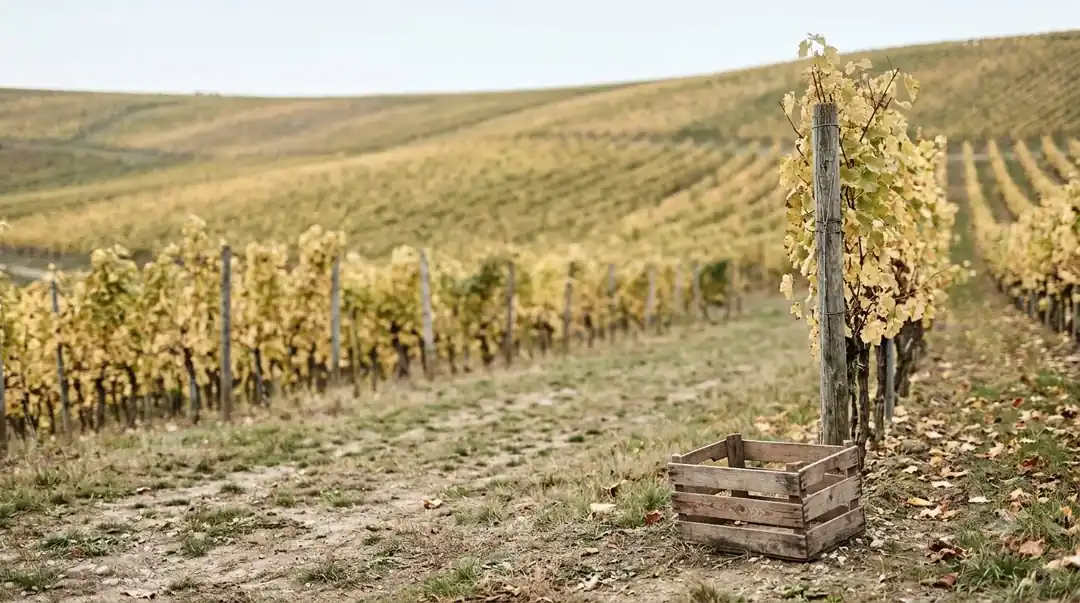
Look for flavors that fit the drink. A cherry-and-raspberry Pinot is an easy match for brandied cherries, orange, lemon, and berry garnishes; a more savory wine with mushroom or dried-herb notes may suit a restrained brandy cocktail better than a sweet fruit punch. Cooler-climate wines often show vivid acidity and tart red fruit, while warmer-climate examples can bring riper cherry and a fuller impression.
Minimal oak is a useful starting point because vanilla, toast, and barrel tannin can compete with citrus and delicate fruit. A little oak can suit aged brandy, but a lighter, fresher wine is generally easier to balance in spritzes and sangria. Most Pinot Noir is light- to medium-bodied, although region and winemaking change its texture; see is Pinot Noir full bodied when deciding whether a richer bottle can stand up to pear liqueur or brandy.
Do not use a bottle that is faulty, badly oxidized, or unpleasant to drink on its own. Fruit and syrup cannot repair wine that smells musty or tastes stale. A recently opened bottle that is still fresh is ideal; for unopened bottles, the guide to how long Pinot Noir lasts unopened explains what affects its condition before opening.
Three Pinot Noir Cocktail Recipes to Make at Home
Start with a measured recipe, then adjust sweetness in small increments. The three formats below cover a spirit-forward shaken drink, a lighter sparkling serve, and a pitcher cocktail; each lets Pinot Noir play a different role without hiding its fruit and acidity.
1. Brandy, Cherry, and Pinot Noir Cocktail
This style is inspired by the Rhythm & Booze recipe published by Wine Enthusiast, which pairs equal measures of aged brandy and Pinot Noir with lemon, cherry juice, and simple syrup. The original also uses brandied cherries, making this a natural choice for a short drink with concentrated flavor. Its balance depends on fresh citrus and a restrained pour of sweetener, not on adding more wine or syrup at the end.
For one cocktail, use 2 ounces Pinot Noir, 2 ounces aged brandy, 1/2 ounce fresh lemon juice, 1/4 ounce cherry juice from a jar of brandied cherries, and 3/4 ounce simple syrup. Place 2 brandied cherries in a sturdy rocks glass and gently muddle them. Add ice to the glass. Shake the Pinot Noir, brandy, lemon juice, cherry juice, and syrup with ice until cold, then strain over the prepared glass and garnish with another brandied cherry.
Cherry juice and syrup bring sweetness while lemon keeps the drink from feeling heavy. Use less syrup if the wine is very ripe, and keep the listed measure if it is especially tart. See Wine Enthusiast’s Rhythm & Booze cocktail for the original version and its brandied-cherry preparation.
2. Pinot Noir Citrus Spritz
For one serving, pour 3 ounces chilled Pinot Noir, 1/2 ounce fresh lemon juice, and 1/4 ounce simple syrup into a wineglass filled with ice. Stir briefly, top with 2 ounces chilled soda water, and garnish with an orange wheel or raspberries. Use plain soda to keep the wine’s character clear, and add it last so the bubbles stay lively. For a rounder variation, replace the syrup with 1/4 ounce pear liqueur and reduce the lemon slightly.
3. Pinot Noir Sangria
For a small pitcher, combine one 750-milliliter bottle of dry Pinot Noir with 4 ounces brandy, 4 ounces fresh orange juice, 1 sliced orange, 1 sliced lemon, and 1 chopped apple. Add 1 to 2 tablespoons simple syrup only if needed. Refrigerate for at least 2 hours, then taste and serve over ice with chilled soda water added just before pouring.
Pinot Noir suits sangria because it is typically lighter-bodied, fruity, and relatively low in tannin. Liquor.com recommends dry, high-acid, low-tannin reds with bright fruit for classic red sangria, and lists Pinot Noir among the appropriate choices. Its classic sangria recipe is a useful reference for the role of citrus, fruit, and a resting period. With Pinot Noir, fresh cherries or raspberries can reinforce the wine’s red-fruit character without making the pitcher taste like candy.
Keep fruit pieces large enough to retrieve and avoid crushing citrus pith, which can add bitterness. For a lighter pitcher, leave out the brandy and add more soda at serving; for a stronger one, measure extra brandy by the ounce rather than pouring freely.
| Cocktail format | Pinot Noir | Other measured ingredients | Yield | Preparation |
|---|---|---|---|---|
| Brandy and cherry | 2 oz | 2 oz brandy; 1/2 oz lemon; 1/4 oz cherry juice; 3/4 oz syrup | 1 drink | Shake and strain over ice |
| Citrus spritz | 3 oz | 1/2 oz lemon; 1/4 oz syrup; 2 oz soda | 1 drink | Build over ice; add soda last |
| Small sangria pitcher | 750 ml | 4 oz brandy; 4 oz orange juice; 1 orange; 1 lemon; 1 apple | About 4–6 glasses | Chill at least 2 hours |
How to Balance Acidity, Sweetness, and Spirits
A balanced Pinot Noir cocktail should taste like a drink with wine in it, not like syrup, lemon juice, or liquor. Adjust one ingredient at a time and taste after each change; this makes it easier to identify whether the problem is excessive sweetness, too much acidity, or too much spirit.
Start with the wine’s dominant flavor. A tart, cranberry-like Pinot can take a modest sweetener and cherry or orange; a ripe, round bottle usually needs less syrup and more lift from lemon or soda. Ripeness, acidity, oak, and alcohol all affect the final balance.
Sweetness should support the wine rather than cover it. Simple syrup dissolves cleanly in cold drinks; maple syrup brings an earthy note that works with pear, apple brandy, and baking spices, while cherry liqueur or brandied-cherry liquid adds fruit and sugar. Because liqueurs vary in sweetness, reduce the syrup when using them instead of adding both at full strength.
Adjust acidity and spirit weight with the same care. Lemon is a natural partner, while lime can feel sharper; orange juice supplies fruit and gentler acidity. If the drink tastes flat, add citrus; if it is aggressively sour, use a little syrup or soda. Aged brandy echoes cherry and oak, bourbon adds vanilla and spice, vodka contributes less flavor of its own, and pear liqueur adds aromatic sweetness. Measure each pour consistently, and keep pepper garnish mild because alcohol and tannin can amplify chili heat.
Serving and Preparing Pinot Noir Cocktails
Serve wine-based cocktails cold enough to feel refreshing but not so cold that the wine’s aromas disappear. Chill the Pinot Noir before mixing, use fresh ice in the glass, and add carbonated ingredients at the last moment. A spritz should be lively, while a shaken brandy cocktail should be cold and concentrated.
A light red is generally served around 55–60°F before mixing; cocktails over ice will cool further. Keep soda, juice, and glassware chilled. Add ice to individual glasses rather than the pitcher if it will sit for a while, since melting ice dilutes the batch.
For a pitcher, mix wine, brandy, juice, and sweetener in advance, then refrigerate it covered; add bubbles only when serving. A rest of at least 2 hours lets fruit mingle, while 15 minutes gives a quicker but less integrated result. Once wine is mixed with cut fruit and citrus, avoid holding it for several days because the fruit softens.
Tip: For a party, prepare the Pinot Noir, brandy, citrus, and sweetener in a covered pitcher up to a few hours ahead. Keep soda water separate, add it just before serving, and pour over fresh ice so the last glass stays lively.
A standard wine pour is 5 ounces, and a 750-milliliter bottle contains about five such pours before mixing. Cocktail recipes use smaller wine measures because they include spirits, citrus, or soda. All you need is a jigger, shaker, spoon, and pitcher.
Frequently Asked Questions
These five answers cover common decisions about the wine, recipe structure, and serving details that can change the final drink.
Is Pinot Noir good for cocktails?
Yes, and it can also be used as a float on top of a whiskey sour rather than mixed through the whole drink. Pour it slowly over the back of a bar spoon to create a visible red layer and keep the first sip aromatic.
Can I use leftover Pinot Noir in a cocktail?
You can use leftover wine if it still smells clean and tastes fresh. A recorked still wine stored in the refrigerator is generally best used within 3–5 days; wine that has turned vinegary or bruised will carry those defects into the cocktail.
Should Pinot Noir be chilled before mixing?
Yes, chilling the wine first helps a spritz or sangria stay cold without depending on excess ice. For a short cocktail, chill the mixing glass or shaker as well; this limits dilution while the drink is being shaken or stirred.
Can I make a Pinot Noir cocktail without spirits?
Yes. Combine chilled Pinot Noir with soda water, citrus, and a small amount of syrup or fruit for a wine-based spritz. For a 0.0% version, choose a wine labeled 0.0% ABV or use dark grape juice instead; reduce the sweetener because grape juice is naturally sweeter.
What fruit goes best with Pinot Noir cocktails?
Cherries, raspberries, strawberries, oranges, apples, and pears all work well. For a pitcher that will rest for several hours, add delicate raspberries near serving time and use firmer apple or pear slices during the chill so the fruit keeps its shape.
A good Pinot Noir cocktail keeps the wine recognizable and uses sweetness, citrus, and spirits with a light hand. Start with the brandy-and-cherry drink for a richer serve, the spritz for something refreshing, or sangria when you are mixing for a group. Once you understand the balance of your bottle, small adjustments are usually all that is needed to make the recipe your own.
More in Wine Types & Grapes
 Zinfandel Sugar Content: Dry Red vs. White Zinfandel GramsUpdated Nov 21, 2026
 Best Zinfandel Substitute Options for Sipping and CookingUpdated Nov 21, 2026
 Zweigelt Food Pairing: Best Dishes, Cheeses, and Serving TipsUpdated Nov 21, 2026
 Zinfandel Tannins Explained: How Structure Shapes Every BottleUpdated Nov 21, 2026
 Zinfandel Sweetness Level: Dry Red vs. Sweet White Zin ExplainedUpdated Nov 21, 2026
 Xinomavro Food Pairing: Best Dishes, Styles, and Serving TipsUpdated Nov 21, 2026