

We may earn a commission when you buy through links on this page, at no extra cost to you. Learn more.
The best mead serving temperature for most still meads is 49 to 55°F, which matches the white wine range one US producer uses for its tasting room. Superstition Meadery says it serves most of its meads within that band, with sweeter styles toward the cooler end and warm mulled mead kept between about 122°F and 131°F. Chilling is the normal starting point, but the right number still depends on sweetness, body, and how the drink will be enjoyed. The sections below cover each style, the warm end of the range, glassware, storage, and food pairing.
Mead covers a wide spread of styles, and that spread is why one serving number never fits every bottle. Lyme Bay Winery describes mead as essentially a honey wine, made by fermenting honey and water with yeast and sometimes flavored with fruit, hops, or spices. A dry traditional mead, a fruit-forward cyser, and a strong barrel-aged mead can taste very different at the same temperature. Because mead is so often described as a honey wine, many wine serving habits carry over, with a few adjustments. If you want a wider view of how each family of wine is served before reading on, the Wine by Type overview is a useful starting point.
Mead Serving Temperature for Most Still Meads
Most still meads, from bone-dry to lightly sweet, taste best between 49°F and 55°F, which matches the white wine range Superstition Meadery uses.
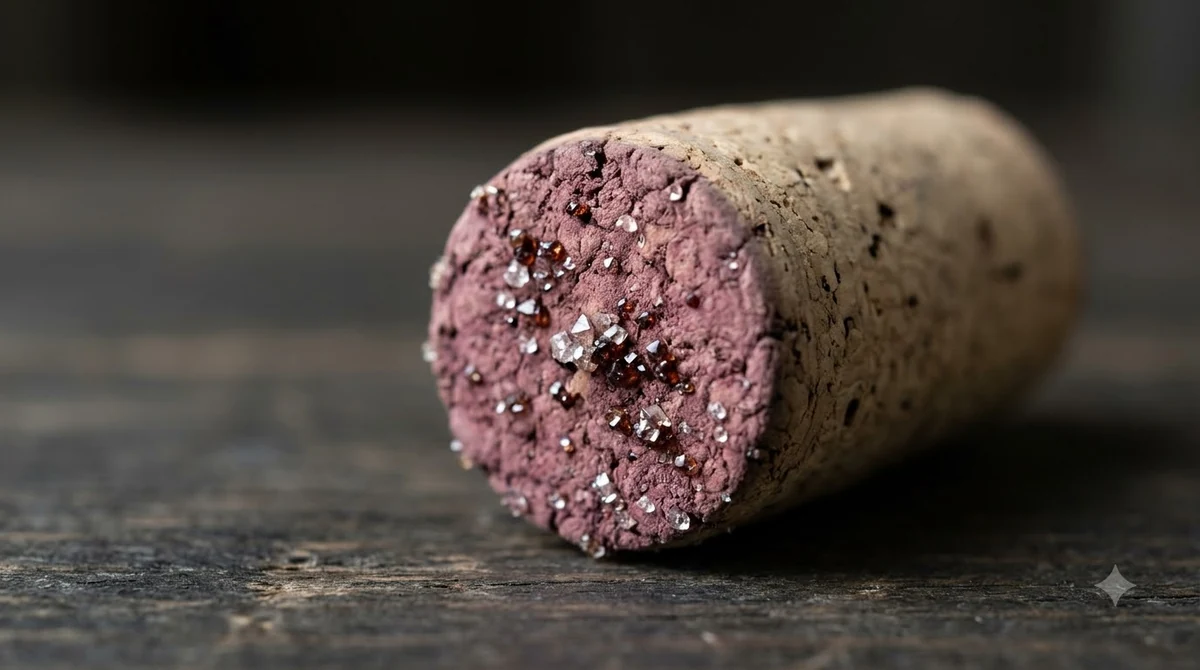
Superstition Meadery, a United States producer, explains in its mead FAQ that its tasting room serves most of its meads at white wine serving temperature, between 49 and 55 degrees F. The aim is to keep honey and fruit aromas lifted without the drink tasting thin, heavy, or sharp. At that range the aroma and body both come through, and the drink still has room to open as it warms in your hand.
Strength matters too. Fine Dining Lovers notes that mead ranges from roughly 3% to more than 20% ABV, and it describes 7% to 14% as the standard band. Superstition says most of its own meads sit between 13% and 15% ABV, which is close to the 12.5% to 13.5% range that Fine Dining Lovers gives for typical wine. A mead in that strength range behaves much like a table wine in the glass, so the same starting temperature makes sense. A lighter session mead, at a few percent ABV, can be served on the cooler side of the band because it carries less weight in the glass.
Start at 49 to 55°F, then adjust by taste. Pour a pale, delicate mead at both 49°F and 55°F and notice which one shows more aroma and balance. Darker, richer meads with more body usually reward the warmer end of the band, while bright, dry meads often feel livelier closer to 49°F. Trust the glass over the number, but use the number as your starting point.
How Mead Serving Temperature Shifts by Style
Sweetness, body, and fruit content each move the best serving temperature, so a small change in degrees can change how a mead tastes. Two sources give slightly different cold-serving ranges, and their overlap is a useful target.
Fine Dining Lovers, in its mead guide, gives a serving range of 10 to 14°C, which is about 50 to 57°F, and suggests storing mead in the fridge before pouring. Lyme Bay Winery places its cold range slightly warmer, at 12 to 16°C, or about 54 to 61°F. The two ranges overlap between 54°F and 57°F, so a mead served in that window fits both pieces of guidance. The table below puts the main ranges side by side, including the warm end of the scale.
| Mead style or use | Suggested serving range | Source of the figure |
|---|---|---|
| Most still meads, dry to lightly sweet | 49 to 55°F (about 9 to 13°C) | Superstition Meadery tasting room |
| Cold-served mead, general guidance | 50 to 57°F (10 to 14°C) | Fine Dining Lovers |
| Cold-served mead, Lyme Bay range | 54 to 61°F (12 to 16°C) | Lyme Bay Winery |
| Hot or mulled mead | 122 to 131°F (50 to 55°C) | Lyme Bay Winery |
| Point where mead begins to foam and lose flavor | 140°F (60°C) and above | Lyme Bay Winery |
Dry and lightly sweet meads usually suit the cool end of the still-mead window. Fruit-forward meads lean colder, which is why Lyme Bay Winery suggests serving its fruitier styles over ice. The sweetest dessert meads are the exception, since Superstition says some of them are wonderful at room temperature. Fine Dining Lovers notes that coldness can make a mead that is too sweet less overwhelming, so chill a very sweet bottle slightly if it feels cloying. The practical rule is simple: if a mead feels heavy at room temperature, chill it a little, and if it tastes thin or closed when cold, let it warm.
Dessert pairing follows the old wine rule that the wine should be at least as sweet as the dessert. The same logic applies to dessert-style mead, and the sauternes serving temperature notes are a helpful comparison for rich, honeyed dessert wines. Temperature is only one part of the picture, and matching sweetness is the other.
Serving Mead Warm Without Ruining It
Hot and mulled mead is a traditional way to enjoy it, and the safe window is narrow. Ideal warm service sits around 122°F to 131°F, and the drink starts to foam and lose flavor once it climbs past about 140°F.
Lyme Bay Winery gives 50 to 55°C (122 to 131°F) as the ideal range for hot mead, and warns that at 60°C or above it foams and rapidly loses flavor, leaving an unpleasant taste. Fine Dining Lovers gives a similar target of about 50°C, with the same foaming warning. The risk is practical: a pan left on a hot burner, or a microwave run for too long, can push a mead past the point where it tastes good, and it can happen quickly if nobody is watching the pot.
Lyme Bay also advises heating only the amount you plan to drink in one sitting. A large batch that is warmed and then left out loses quality very quickly, so a small pan or a single mug works better than a big pot for a crowd. For a warm pour, the producer recommends about 50 ml in a whisky glass, which is noticeably smaller than the 100 to 125 ml it suggests for cold mead. A smaller warm pour also means less time for the drink to drift out of its range.
If you also warm sake, the rules are different, and the sake serving temperature guide is a useful comparison when you plan a winter menu that mixes both. Mulled mead calls for the same caution as mulled wine: keep the heat moderate and well below the point where the drink foams.
Tip: Chilled mead needs a few minutes at room temperature after it leaves the fridge. Fine Dining Lovers suggests this step so the drink is not too cold to taste, and it takes only a few minutes of waiting.
Glassware and Pour Size That Hold the Right Temperature
Glass shape and pour size control how quickly mead drifts out of its range, so both belong in any serving plan. A modest pour in the right glass keeps the drink where you set it for longer.
Lyme Bay Winery suggests enjoying cold mead from a clear, stemmed wine glass, the same kind used for white wine or port, and hot mead from a whisky glass. The producer also allows a drinking horn for a traditional feel. A stem keeps your hand off the bowl, which matters because body heat warms the liquid.
Superstition Meadery notes that a glass of mead warms slowly in the hand, and as it does, the aroma and flavor deepen while becoming less refreshing and more expressive. That is a reason to pour cool and let the drink open as it warms, rather than pouring warm and hoping it cools. The producer recommends 5 to 6 oz servings, close to a standard wine pour, and that size suits meads in its typical strength range.
Lyme Bay Winery also describes a simple tasting order: swirl the mead to coat the glass, smell it for the balance of tones, then take a slow first sip and roll it across the tongue. The flavors often keep developing after swallowing, which the producer calls the tail, so a few sips give a clearer picture than one. Pouring a modest amount makes that progression easier to follow.
Storing Mead Before and After It Is Opened
Good serving temperature starts before the bottle is opened. Unopened mead belongs somewhere cool and dark, and once opened it belongs in the refrigerator.
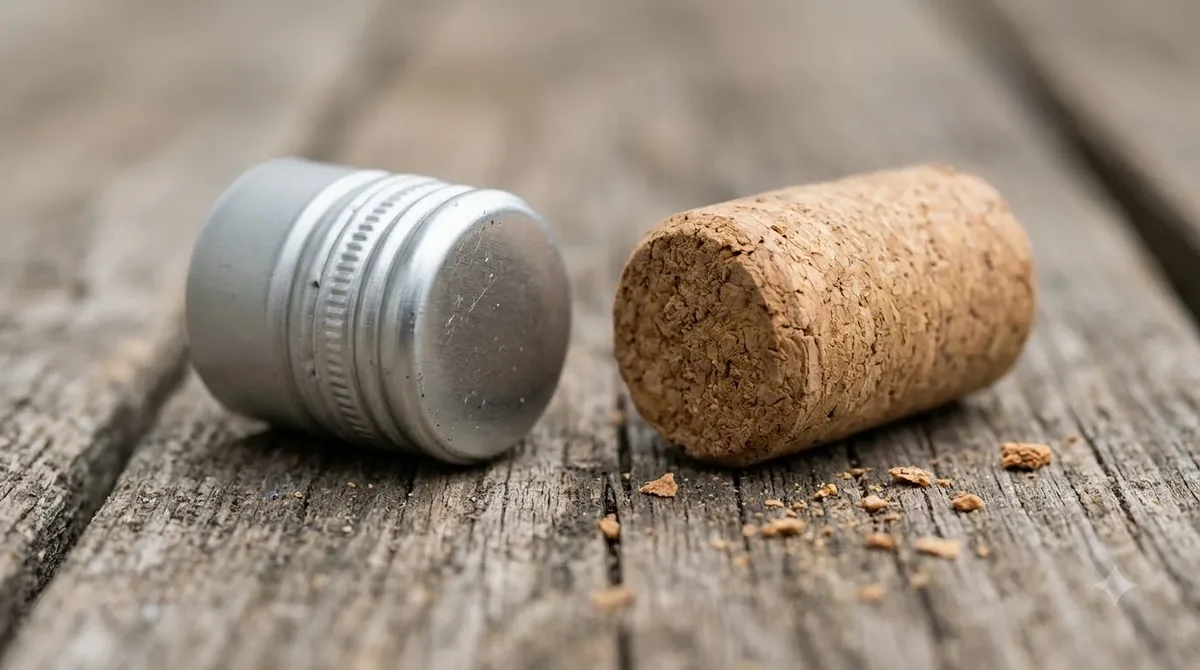
Superstition Meadery says unopened bottles should be stored in a cool room out of direct sunlight, the same way one would store beer or wine. If a bottle has a cork rather than a swing top and will be aged longer than a few weeks, the producer recommends storing it on its side. Unopened mead can be kept for years and still taste good when opened, as long as it has been stored properly. A storage spot near 55°F is a practical target, and it matches the cellar temperature commonly used for wine.
Once opened, mead should move to a wine cooler or refrigerator. Superstition gives a rule of thumb that an opened bottle should be finished within about 2 weeks, which the producer says is significantly longer than most wines. Still wine usually lasts only three to five days after opening, so that difference is worth noticing. Traditional meads keep their freshness longer than meads with heavy fruit content, and higher-strength meads keep longer than lower-strength ones. Superstition also notes that an argon wine saver can be used on mead to help keep it fresh.
Storage and serving connect at this point. A bottle that spent weeks at a warm room temperature will need a longer chill before service, and a bottle that has sat open in the fridge for too long will have lost some of its fresh character. Plan to chill the bottle well ahead of a gathering, then let the glass stand for a few minutes before pouring.
How Food Pairing Shapes the Right Temperature
Food changes how mead tastes, and the right temperature often depends on what is on the plate. Superstition Meadery’s pairing notes give a clear starting point for matching style to dish.
Savory, earthy, and umami ingredients such as onions, rosemary, mushrooms, and carrots pair best with off-dry meads, and the producer advises staying away from citrusy styles with them. Delicate dishes like baked white fish and salads suit light floral or citrusy meads, which tend to show best at the cooler end of the range. Mild curries, butter or cream sauces, risotto, and mild soft cheeses call for a fuller-bodied mead with higher acid or alcohol to meet the richness of the sauce.
Grilled, roasted, smoked, or caramelized dishes pair well with traditional oaked meads. Strong cheeses such as blue, Stilton, and sharp cheddar call for bigger, fruitier, and sweeter styles. Spicy food suits bright, fruity meads, while sandwiches and pizza suit sparkling mead or cider. Desserts call for a dessert-style mead with a bigger body and enough sweetness to match the food, and temperature is only one of the tools for those pairings.
Temperature can still help the balance. Lean toward the cooler end of the range for light, bright dishes, and let a richer, fuller-bodied mead sit toward the warmer end when the food is heavy. The goal is a temperature that lets the mead’s sweetness, acidity, and body complement the plate rather than fight it.
Frequently Asked Questions
Five common questions about serving, strength, and whether mead is only a dessert drink.
Can mead be served over ice?
Lyme Bay Winery says its fruitier meads can be served over ice as a refreshing drink, and it suggests this specifically for those fruit-forward styles. Serving over ice is a different experience from the cooler pour in a stemmed glass, so it fits a casual warm-weather setting more than a formal tasting.
Is mead gluten free?
Superstition Meadery says honey is gluten free, and its facility keeps grain products out because the liquor board treats it as a winery. The exception is mead aged in beer barrels, which can carry trace amounts of gluten because those barrels once held beer.
Will a beer drinker like mead?
Superstition Meadery says a large portion of its customers are craft beer fans, and it has collaborated with several brewers. It suggests IPA drinkers may like its dry-hopped meads, Belgian ale lovers may like meads made with Belgian dark candi sugar, and whiskey drinkers may enjoy bourbon barrel-aged styles.
Is mead only a dessert drink?
No, although many people new to mead assume it is only a dessert or a sipping drink. Superstition Meadery says its range includes session meads, sparkling meads, dry meads, barrel-aged styles, and cider-mead hybrids. The producer describes some of its meads as sparkling and thirst-quenching, and others as bright, fruity, and acidic.
How strong is mead compared with wine?
Lyme Bay Winery gives a strength range of 3.5% to more than 18% ABV for its mead, while Fine Dining Lovers puts typical wine at 12.5% to 13.5% ABV, so many meads sit in a similar band. Lyme Bay adds that its suggested serving depends on the strength of the product, so a stronger bottle calls for a smaller pour.
Mead rewards a little experimentation. Start with the 49 to 55°F range for most still styles, adjust for sweetness and body, and warm only the amount you plan to drink. Superstition Meadery and Fine Dining Lovers both point toward the same approach: pour cool, let the glass open, and let the taste decide.
More in Wine Types & Grapes
 Zinfandel Sugar Content: Dry Red vs. White Zinfandel GramsUpdated Nov 21, 2026
 Best Zinfandel Substitute Options for Sipping and CookingUpdated Nov 21, 2026
 Zweigelt Food Pairing: Best Dishes, Cheeses, and Serving TipsUpdated Nov 21, 2026
 Zinfandel Tannins Explained: How Structure Shapes Every BottleUpdated Nov 21, 2026
 Zinfandel Sweetness Level: Dry Red vs. Sweet White Zin ExplainedUpdated Nov 21, 2026
 Xinomavro Food Pairing: Best Dishes, Styles, and Serving TipsUpdated Nov 21, 2026