

We may earn a commission when you buy through links on this page, at no extra cost to you. Learn more.
If you are wondering is monastrell sweet or dry, the vast majority of Monastrell wine is completely dry, full-bodied, and richly tannic. While its ripe blackberry and black plum flavors can give an initial impression of fruitiness, standard dry bottles contain negligible residual sugar and clock in between 13.5% and 15% ABV. The main exception is a rare Spanish dessert specialty labeled Dulce Monastrell, which is intentionally left sweet from late-harvested grapes.
Walking down a wine shop aisle, it is easy to confuse a wine’s fruit intensity with actual sugar on the palate. Because Monastrell thrives in sun-drenched Mediterranean climates, its berries pack concentrated dark fruit aromas that fool many drinkers into expecting a sugary sip—until the wine’s firm structure and dry finish prove otherwise.
What Is Monastrell?
Monastrell is a thick-skinned black wine grape native to Spain that produces deeply colored, full-bodied dry red wines. Outside of Spain, the exact same grape is famously known as Mourvèdre in France and Mataro in Australia and California.
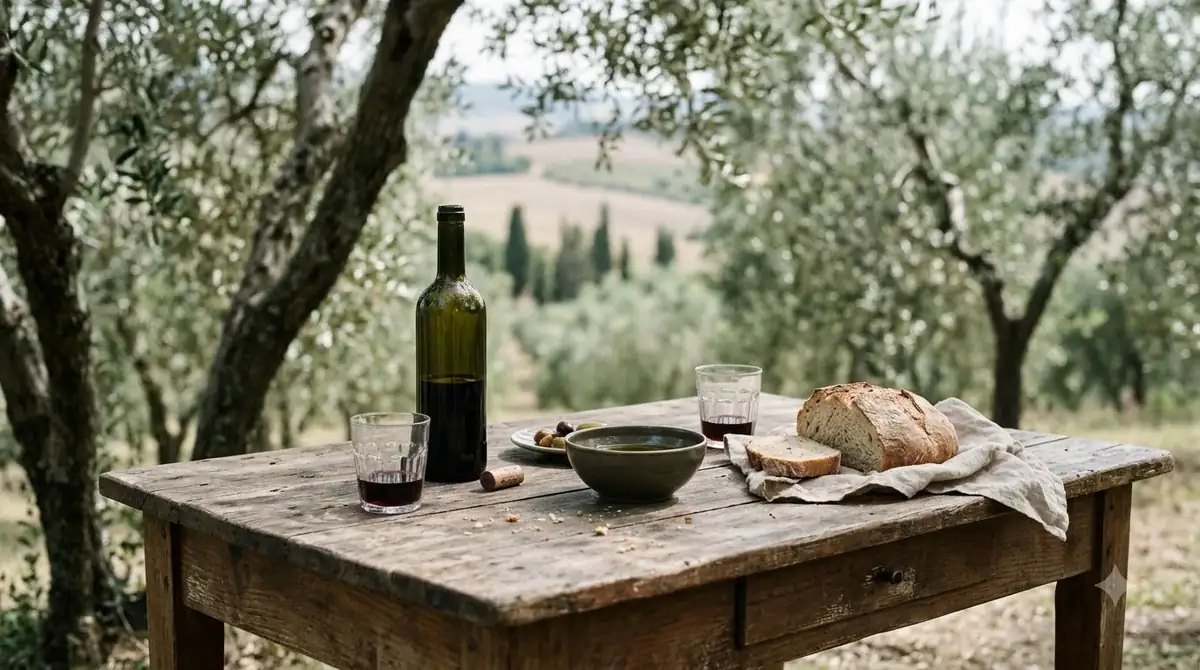
In almost every standard table bottling, winemakers ferment the grape juice completely to dryness, leaving behind around 3 grams per liter of residual sugar—well below the threshold where human taste buds register sweetness. Rather than sugar, what gives Monastrell its plush texture is high alcohol (typically 13.5% to 15% ABV) paired with ripe, sun-baked fruit extract and generous glycerol. If you are exploring Wine by Type, Monastrell sits firmly in the bold, structured red category alongside Cabernet Sauvignon and Syrah.
Those thick skins do more than lock in dark purple pigment; they also contribute high levels of natural polyphenols and firm tannins. According to Wine Folly, Monastrell is a late-ripening variety that needs plenty of warmth to mature fully, which is why its tannins feel velvety and rounded in warm vintages rather than green or harsh.
The only time you will encounter a genuinely sweet Monastrell is when a bottle explicitly carries the Spanish word Dulce (sweet) on the label. Producers in southeastern Spain occasionally leave old-vine fruit hanging late into autumn until the grapes begin to raisin, then halt fermentation early to craft a lush, port-like dessert wine with around 16% ABV and over 200 grams per liter of residual sugar.
Flavor Profile and Wine Styles
Dry Monastrell is defined by dense layers of black fruit, savory earth, and cracked black pepper rather than sugary sweetness. Depending on winemaking choices and vine age, it ranges from juicy, approachable young reds to cellar-worthy bottles built to age for a decade or longer.
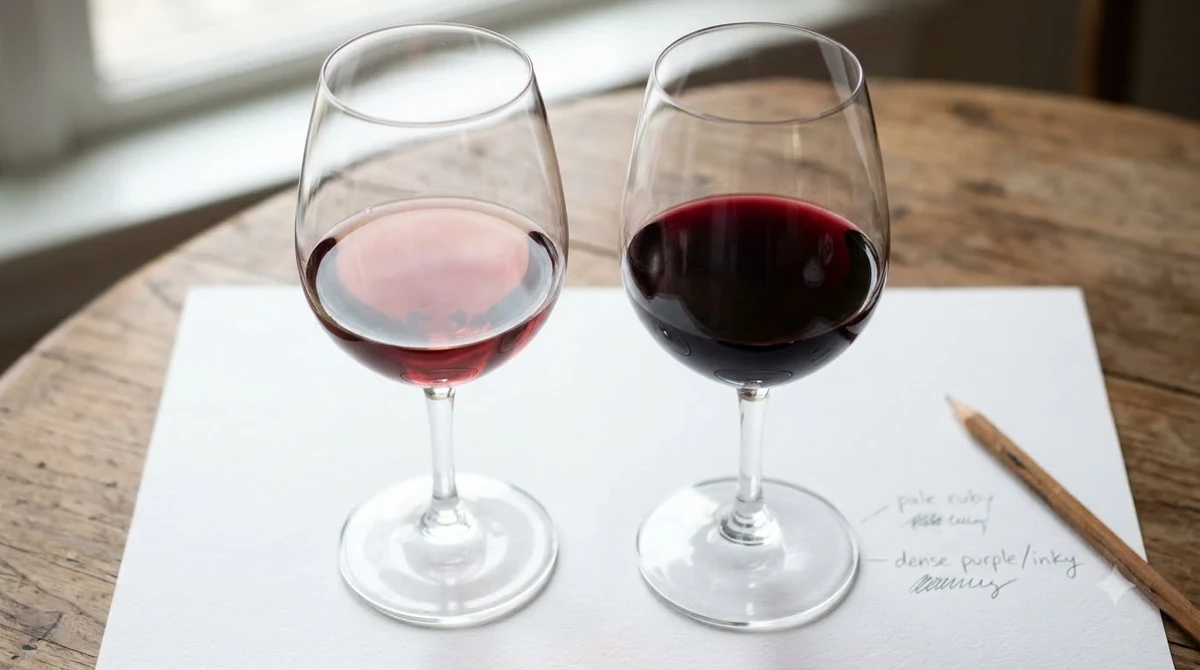
On the nose and palate, classic dry Monastrell leads with blackberry, black plum, and dark cherry, quickly followed by savory secondary notes of cocoa, tobacco, dried Mediterranean herbs, leather, and roasted meat. Because its acidity sits at a moderate level, the wine feels broad and weighty across the mid-palate before its firm tannins grip the finish.
| Monastrell Style | Sweetness Level | Typical ABV | Body & Tannins | Primary Flavor Notes |
|---|---|---|---|---|
| Young / Unoaked Monastrell | Dry | 13.5%–14.5% | Medium-full body, moderate tannins | Fresh blackberry, black cherry, violet, white pepper |
| Oak-Aged Spanish Monastrell | Dry | 14%–15% | Full body, high firm tannins | Black plum, cocoa, sweet tobacco, leather, roasted meat |
| GSM / Rhône-Style Blend | Dry | 13.5%–15% | Full body, balanced tannins | Red and black berries, garrigue herbs, black pepper, spice |
| Monastrell Rosé | Dry | 12.5%–13.5% | Light-medium body, crisp acidity | Wild strawberry, watermelon, dried herbs, savory minerality |
| Dulce Monastrell (Late Harvest) | Sweet | 16% | Full body, velvety sweet tannins | Dried figs, dates, blackberry liqueur, dark chocolate |
Beyond single-varietal reds, Monastrell plays a critical supporting role as the “M” in classic GSM blends alongside Grenache and Syrah. In these blends, Grenache brings bright red berry perfume and Syrah adds mid-palate flesh, while Monastrell anchors the blend with dark color, meaty depth, and a structured backbone. Winemakers also press the grape gently with minimal skin contact to produce structured, savory rosé—if you are curious how pink wines compare on the sugar scale, see our guide on is rose sweet or dry.
Where Monastrell Grows Best
Monastrell thrives in hot, arid regions with long, sunny growing seasons and limestone-rich soils that preserve natural freshness. Spain holds the largest plantings of the grape, followed by southern France, Australia, and warm pockets of California and Washington.
Southeastern Spain is the historic heartland of Monastrell, particularly in the high-altitude plateaus of Jumilla, Yecla, Alicante, Almansa, and Valencia. In Jumilla, rocky limestone soils and warm days paired with cool desert nights allow ungrafted old vines to ripen evenly without losing acidity. Reviewers at Wine Enthusiast note that Spanish law mandates Monastrell as a primary variety across these denominations, resulting in muscular, concentrated reds that often benefit from oak aging.
Across the border in southern France, the grape goes by Mourvèdre and reaches benchmark elegance in coastal Bandol, where south-facing terraced vineyards look out over the Mediterranean Sea. French winemakers also rely heavily on Mourvèdre in Châteauneuf-du-Pape, the wider Rhône Valley, and Languedoc-Roussillon. In the New World, Australia’s Barossa Valley and California’s Paso Robles produce plush, sun-ripened bottlings under both the Mourvèdre and Mataro names.
How to Serve Monastrell
Serve dry Monastrell slightly cooler than room temperature, ideally between 60°F and 68°F (15°C to 20°C), and decant young bottles for 30 to 60 minutes before pouring. Giving the wine air and a brief chill keeps its high alcohol balanced while softening its firm tannins.
Standard American room temperature—often around 72°F—is too warm for a 14.5% ABV red wine. At warm temperatures, alcohol fumes rise out of the glass and mask subtle floral and herbal notes, making the wine taste hot and heavy. Placing the bottle in the refrigerator for 20 to 30 minutes before dinner brings it right into the 60°F to 65°F sweet spot, where dark fruit tastes vibrant and crisp.
Because Monastrell is a reductive grape—meaning it can smell slightly closed, earthy, or gamey right after the cork is pulled—decanting makes a noticeable difference. Pouring a young Jumilla or Bandol into a wide-bottomed decanter for an hour lets oxygen open up layers of blackberry, cocoa, and spice. If you only have a bottle of sweet Dulce Monastrell, treat it differently: chill it down to roughly 50°F to 59°F (10°C to 15°C) and serve it in smaller dessert wine glasses.
Tip: Pour dry Monastrell into a large-bowled Bordeaux or universal red wine glass so the broad surface area softens its firm tannins and concentrates its dark berry and pepper aromatics.
Best Food Pairings for Monastrell
Monastrell’s bold tannins, dark fruit, and savory spice make it an ideal match for rich, smoky, and slow-cooked meats. Proteins and fats bind to the wine’s tannins on your palate, smoothing out astringency and revealing hidden notes of chocolate and ripe plum.
Barbecue and grilled dishes are natural partners for dry Monastrell. Smoked brisket, baby back ribs, grilled lamb chops, and Spanish chorizo mirror the wine’s smoky, peppery character. When seasoned generously with rosemary, thyme, cracked black pepper, and garlic, roasted meats echo the herbal garrigue notes naturally present in the grape.
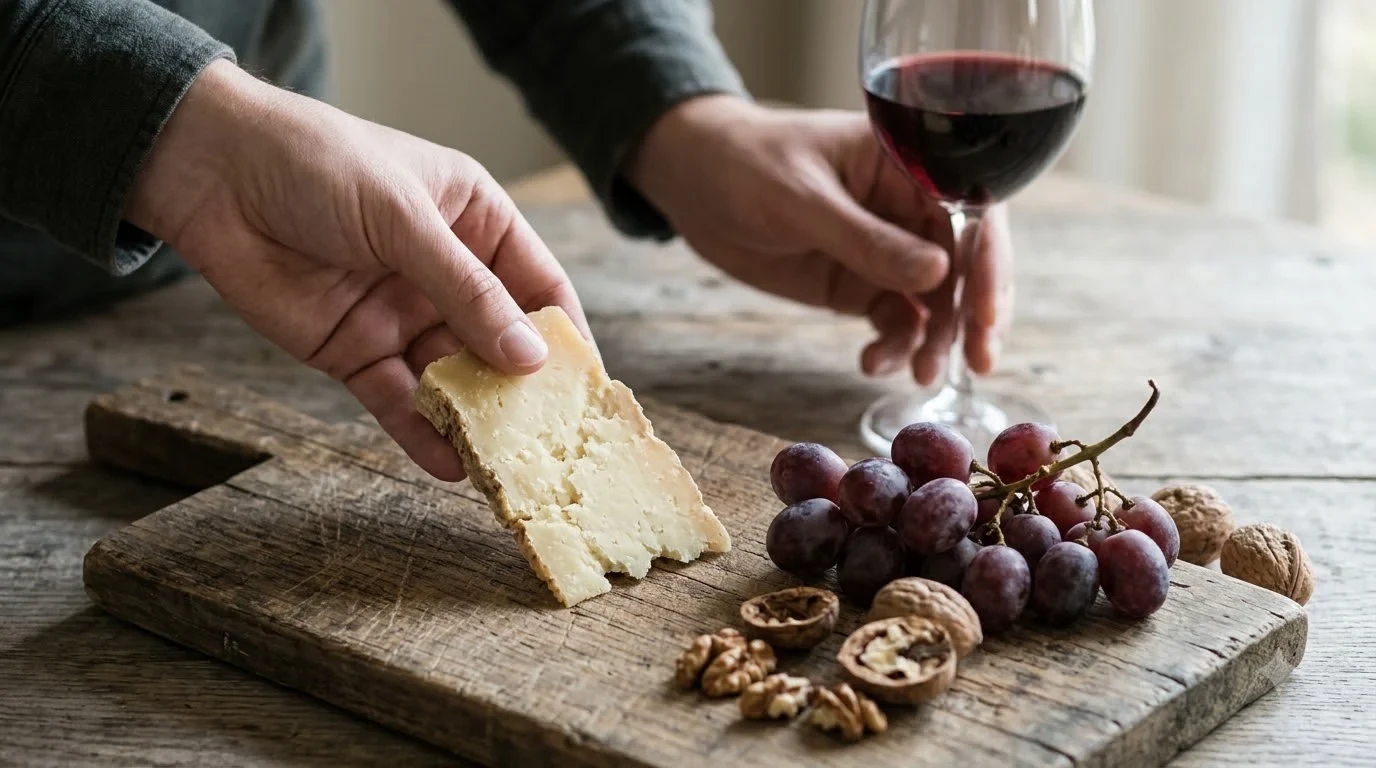
For hearty cold-weather meals or meatless dinners, lean into umami-rich ingredients and aged cheeses. Slow-braised beef short ribs, mushroom risotto, grilled portobello caps, and lentil stews match the wine’s full weight without feeling overwhelmed. On a cheese board, skip mild, creamy brie in favor of firm, nutty aged sheep’s milk cheeses like Spanish Manchego, Pecorino, or aged Gouda.
How to Choose a Bottle of Monastrell
Check the front and back labels for regional cues, oak aging terms, and ABV to predict whether a bottle will taste juicy and fruit-forward or dense and structured. Knowing a few Spanish and French label terms makes it easy to pick the exact dry style you want.
If you want an approachable, fruit-driven dry red for a weeknight dinner, look for bottles from Jumilla or Yecla labeled Joven or Roble, which spend little to no time in oak barrels and highlight fresh blackberry and plum. If you prefer deeper spice, vanilla, and leather complexity, choose Spanish bottles marked Crianza or Reserva, or seek out old-vine selections (Viñas Viejas), which yield concentrated grapes from low-yielding bushes.
Shoppers who enjoy earthy, savory reds with pronounced structure should look toward French Bandol or Rhône blends labeled with Mourvèdre. Regardless of origin, check the alcohol percentage printed on the label: 13.5% to 14% ABV usually signals a fresher, brighter profile, while 14.5% to 15% ABV points to a plush, sun-drenched powerhouse. Just make sure the word Dulce does not appear on the front label unless you specifically want a sweet dessert wine—much like checking whether sparkling bottles are brut or demi-sec when asking is brut champagne sweet or dry.
Frequently Asked Questions
Is Monastrell a sweet red wine?
No, standard Monastrell is a dry red wine with almost zero residual sugar. Its lush, ripe blackberry and plum flavors can create a fruity impression on the mid-palate, but the finish is dry and firm. The only sweet versions are specialty dessert wines clearly labeled as Dulce Monastrell.
Are Monastrell and Mourvèdre the same grape?
Yes, Monastrell and Mourvèdre are two names for the exact same black grape variety. It is called Monastrell in its native Spain, Mourvèdre in France and the United States, and Mataro in Australia and parts of California. Both names produce dry, full-bodied red wines with dark fruit and savory spice.
Why does dry Monastrell sometimes taste sweet at first sip?
Because Monastrell grows in hot, sunny climates like Jumilla and Bandol, the grapes develop intense ripe fruit flavors and higher alcohol levels between 13.5% and 15% ABV. When your brain smells jammy blackberry and plum alongside warming alcohol, it perceives fruitiness that mimics sweetness, even though yeast has fermented all the grape sugar into alcohol.
How does Monastrell compare to sweeter wines like Moscato?
Monastrell and Moscato sit at opposite ends of the wine spectrum in sweetness, body, and tannin. While Monastrell is a dry, opaque, full-bodied red wine built for savory meats, Moscato is a light, aromatic wine prized for its noticeable residual sugar and low alcohol—you can read more in our breakdown of is moscato sweet or dry.
Whether poured from a Spanish Jumilla bottle or blended into a French Rhône red, Monastrell delivers bold, dry character packed with dark fruit and savory depth. Keep an eye out for the word Dulce if you ever want to try its rare dessert counterpart, and otherwise chill your bottle slightly and pair it with something straight off the grill.
More in Wine Types & Grapes
 What Does Mourvèdre Taste Like? Flavor Profile, Regions, and PairingsUpdated Nov 20, 2026
 What Does Marsanne Taste Like? Flavors, Styles, and Food PairingsUpdated Nov 20, 2026
 What Does Malvasia Taste Like? Styles, Flavors, and Food PairingsUpdated Nov 20, 2026
 What Does Grenache Blanc Taste Like? Flavor Profile, Styles, and PairingsUpdated Nov 20, 2026
 What Does Garnacha Taste Like? Key Flavors, Styles, and Pairing TipsUpdated Nov 20, 2026
 What Does Fruit Wine Taste Like? A Complete Flavor and Style BreakdownUpdated Nov 20, 2026