

We may earn a commission when you buy through links on this page, at no extra cost to you. Learn more.
How long does port last after opening? It depends on the style, from a couple of days to several months. Vintage port is the shortest-lived once opened, lasting about one to two days, while LBV keeps around four to five days and ruby about eight to ten days. Tawny port is the longest-lasting young style, with a tawny typically holding for three to four weeks. Older tawnies with an age statement can keep for one to four months, and the cellar and the cork make a difference to how long the wine stays fresh.
This guide explains how long each style lasts once opened, how to store it, what temperature and glass to use, and whether it needs to breathe before you pour.
Port is a fortified wine from Portugal, and it is often bought for a single occasion, such as a holiday dinner or a cheese board. Many people finish a bottle in one evening, but others want to pour a glass now and save the rest for later. Knowing how long each style lasts after the cork comes out helps you plan, and it prevents a good bottle from turning flat on the shelf.
How Long Each Style Keeps After Opening
Port is not a single product, and the time it lasts depends largely on its style. The Instituto dos Vinhos do Douro e do Porto gives guidance periods for opened bottles, and they are a useful starting point. For vintage port, the guidance is one to two days. For LBV, which stands for late bottled vintage, it is four to five days. Ruby and ruby reserve styles keep for eight to ten days. Tawny and tawny reserve styles last longer, about three to four weeks. Tawnies with an age indication of 10, 20, 30 or 40 years or more keep for one to four months, and the younger ones should be finished first. Colheita, a tawny from a single harvest, also lasts one to four months.
These periods are guidance rather than rules. The institute itself frames them as suggestions for the wine’s keeping, because the result depends on how the bottle is stored after the first pour.
| Port style | Typical time after opening |
|---|---|
| Vintage | 1 to 2 days |
| LBV (late bottled vintage) | 4 to 5 days |
| Ruby and ruby reserve | 8 to 10 days |
| Tawny and tawny reserve | 3 to 4 weeks |
| Tawny with an age indication (10, 20, 30, 40+ years) | 1 to 4 months |
| Colheita | 1 to 4 months |
How to Store an Opened Bottle
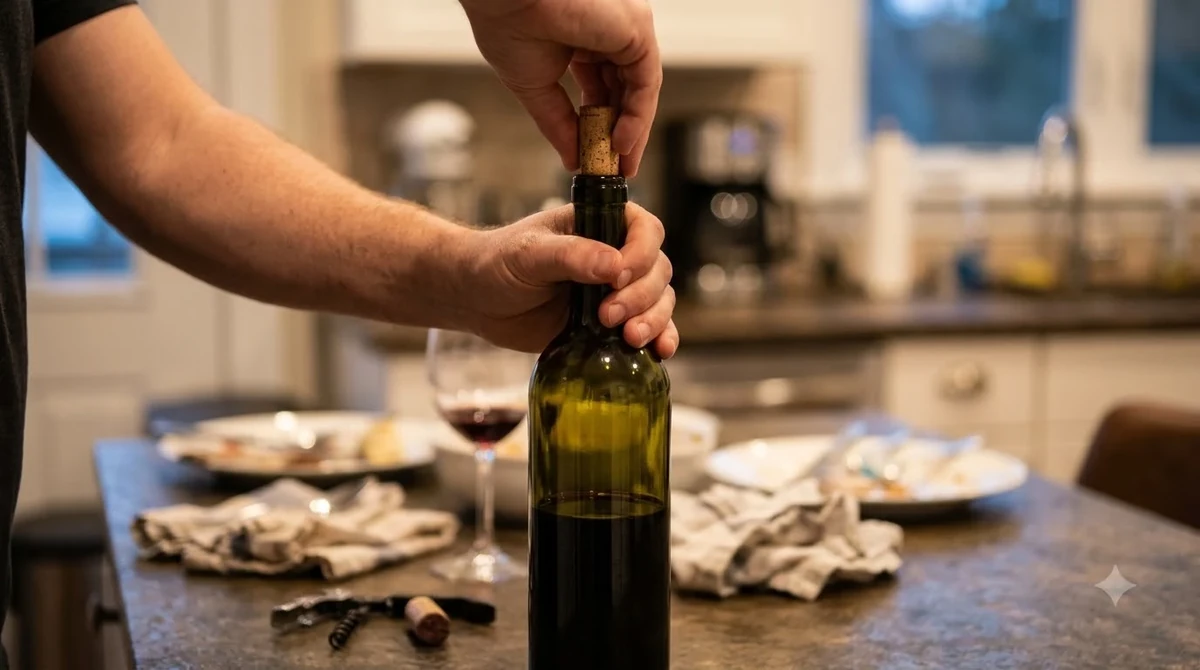
Storage matters as much as the style. Once a bottle is open, the wine starts to react with air, and that slowly dulls its fruit. Recork the bottle tightly after each pour. A cool, dark spot away from heat and sunlight, such as a cupboard or a basement shelf, slows that process. A bottle left on a warm kitchen counter will fade faster than one kept in a cool room.
Some people transfer the wine to a smaller bottle to reduce the air inside the container. That step helps a little, but it does not make a vintage port last much longer, so a smaller bottle is a convenience rather than a fix. If you know you will not finish the bottle within the guidance window, it is better to plan a smaller pour or share it with friends than to keep it for weeks and lose its character.
Unopened port is a different question. Storage for unopened bottles depends on the style, and the cellaring guidance for older tawnies and vintage ports is much longer than the opened-bottle periods above. The rule for an opened bottle stays the same: keep it cool, keep it sealed and finish it within its window.
Should Port Be Chilled?
Yes, port is best served slightly cool rather than warm. Serving temperature varies by style. The Instituto dos Vinhos do Douro e do Porto gives 12 to 16 degrees Celsius for ruby, 10 to 14 degrees for tawny, and 6 to 10 degrees for white port, with rosé port served colder still at around 4 degrees. Wine Folly gives a general range of 55 to 60 degrees Fahrenheit, or 12 to 15 degrees Celsius, for port served as a dessert wine.
A bottle that sits in a warm room can taste hot, sharp and alcoholic, so a short time in the refrigerator before pouring is a good habit, especially for ruby and white styles. Keep the chill light. A bottle that is too cold will mute the fruit and sweetness, so take it out a few minutes before you pour if it feels very cold.
What Glass Should You Use for Port?
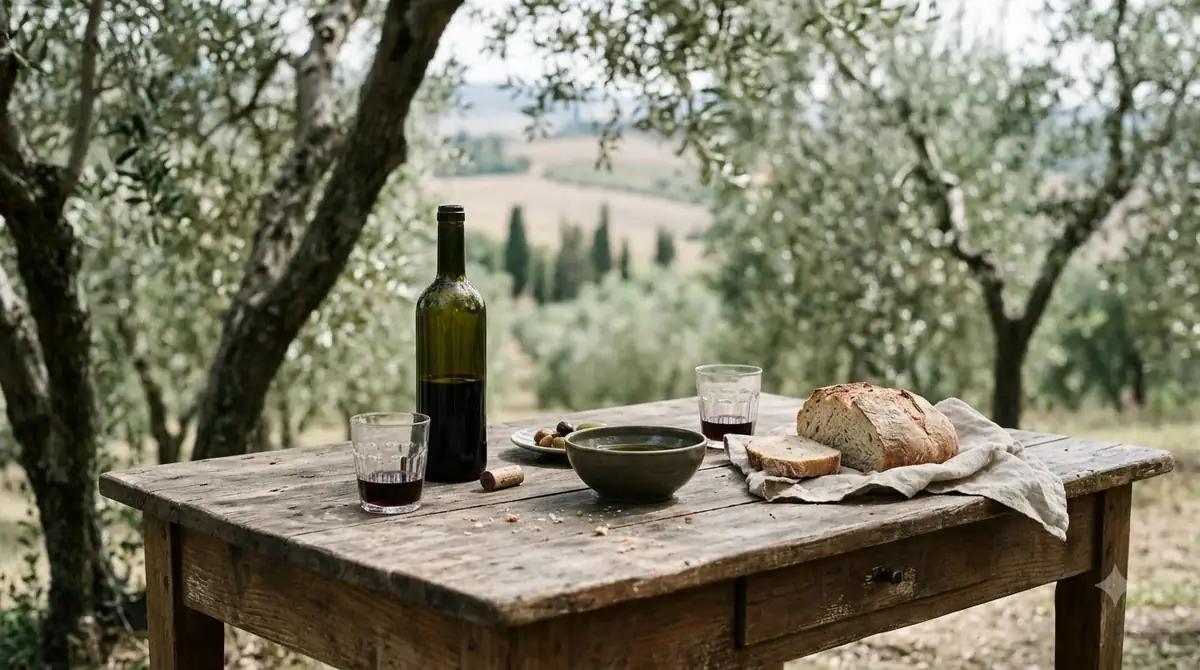
Wine Folly recommends a dessert-sized glass for port. The smaller bowl concentrates the aroma and keeps a sweet pour from feeling too large, which matters because port is usually poured in small amounts. A standard large red wine glass is also fine if that is what you have, but the smaller shape suits the wine’s density and sweetness.
Fill the glass only partway, so the aroma collects near the rim. Port is rich in alcohol, so a small pour is enough for a satisfying taste, and it lasts longer in the glass before it warms.
Does Port Need to Breathe?
For most ruby and tawny ports, breathing is not essential. Wine Folly advises against decanting port in general, since the wine is typically poured straight from the bottle. Once opened, the wine will still show its character without a long wait.
Older vintage ports are the exception. The Port institute advises decanting older vintage ports before drinking them on their own, because they can throw sediment over time. A careful decant lets the wine open up and keeps the sediment in the bottle. If you have a bottle of vintage port that is many years old, decant it gently and pour it soon after. Younger vintage ports and the everyday styles do not need that step. If you are weighing a vintage bottle for a special evening, our guide to vintage port wine explains how that style is made and aged.
Signs Your Port Has Gone Off
Port that has passed its best will often smell flat or dull, with less fruit and a sharper, vinegary note. The color may also look browner than it did when first opened, especially in ruby styles. If the wine smells pleasant and tastes sweet with some fruit, it is usually still worth drinking, even if it has lost some brightness. Discard any bottle that smells sour or unpleasant, and never drink a bottle that has signs of spoilage.
Frequently Asked Questions
How long does port last after opening?
It depends on the style. Vintage port keeps for one to two days, LBV for four to five days and ruby for eight to ten days. Tawny lasts three to four weeks, and older tawnies with an age statement can last one to four months.
Does opened port go bad in the fridge?
Refrigeration slows the change in the wine, so a sealed bottle kept cool will hold its character longer than one left on a counter. The guidance periods still apply, so finish the bottle within the window for its style.
Should port be chilled before serving?
Yes, a slightly cool temperature suits most styles. Ruby and tawny are best between about 10 and 16 degrees Celsius, and white port is colder. A short time in the refrigerator before pouring is usually enough.
Can you keep port in the original bottle after opening?
Yes. The original bottle is fine as long as you recork it tightly after each pour and keep it cool. Transferring the wine to a smaller container helps only a little, so the style and storage still decide how long it lasts.
Port is a wine that rewards a little planning. Pour a small glass, recork the bottle and store it cool, and match the finish to the style: a vintage port should be finished in a day or two, while a tawny can wait for weeks. Keeping those windows in mind means every glass tastes the way the producer intended. To compare port with other sweet and fortified bottles, browse wine by type.
More in Wine Types & Grapes
 Zinfandel Sugar Content: Dry Red vs. White Zinfandel GramsUpdated Nov 21, 2026
 Best Zinfandel Substitute Options for Sipping and CookingUpdated Nov 21, 2026
 Zweigelt Food Pairing: Best Dishes, Cheeses, and Serving TipsUpdated Nov 21, 2026
 Zinfandel Tannins Explained: How Structure Shapes Every BottleUpdated Nov 21, 2026
 Zinfandel Sweetness Level: Dry Red vs. Sweet White Zin ExplainedUpdated Nov 21, 2026
 Xinomavro Food Pairing: Best Dishes, Styles, and Serving TipsUpdated Nov 21, 2026