

We may earn a commission when you buy through links on this page, at no extra cost to you. Learn more.
If you are wondering whether is malvasia sweet or dry, the honest answer is that it can be either, depending entirely on where the grapes were grown and how the winemaker finished the bottle. Because Malvasia is an ancient family of dozens of distinct grape varieties rather than a single cultivar, the name covers everything from crisp, bone-dry table whites in northern Italy and Croatia to luscious, honeyed dessert wines and fortified Madeira. Checking the region and style cues on the front label is the fastest way to know what is inside.
Standing in front of a wine shop shelf with a bottle of Malvasia in hand can feel like a coin flip if you are used to predictable grapes like Pinot Grigio or Sauvignon Blanc. One bottle drinks like a zesty, stone-fruit-driven partner for grilled sea bass, while the bottle right next to it pours like liquid apricot jam meant for almond biscotti. Understanding why this single name spans the entire sweetness spectrum turns that guesswork into one of the most rewarding explorations in the wine aisle.
What It Is
Malvasia is not a single grape variety, but a sprawling Mediterranean family of ancient wine grapes that encompasses white, pink, and dark-skinned cultivars. Winemakers use these related varieties to produce bone-dry still wines, off-dry frizzante bottlings, sweet passito dessert wines, and fortified classics.
Ampelographers and wine historians trace the name back to the medieval port of Monemvasia on the Peloponnese peninsula of Greece, a major maritime trading hub controlled by Venice for centuries. As Venetian merchants shipped sweet, aromatic wines across Europe, the port’s name evolved in Italian into Malvasia and in English into Malmsey. Over generations of trade and vineyard propagation, local growers across Italy, Spain, Portugal, Croatia, and Slovenia adopted dozens of distinct varieties under the same umbrella name, even when those vines were only distantly related or completely unrelated genetically.
Because the grape family is intensely aromatic, even completely dry examples often trick the palate at first sip. Intense floral scents, ripe peach, and sweet spice trigger the brain to expect sugar, much like dry Gewürztraminer or Viognier does. Once the wine crosses the mid-palate, however, a dry Malvasia snaps clean with refreshing acidity and mineral grip rather than lingering syrupy weight.
Flavor and Styles
The flavor profile of Malvasia centers on fragrant white flowers, apricot, yellow peach, honey, and roasted almond, though sweetness levels shift dramatically across production methods. Depending on fermentation choices, bottles range from crisp and savory to unctuous and deeply oxidized.
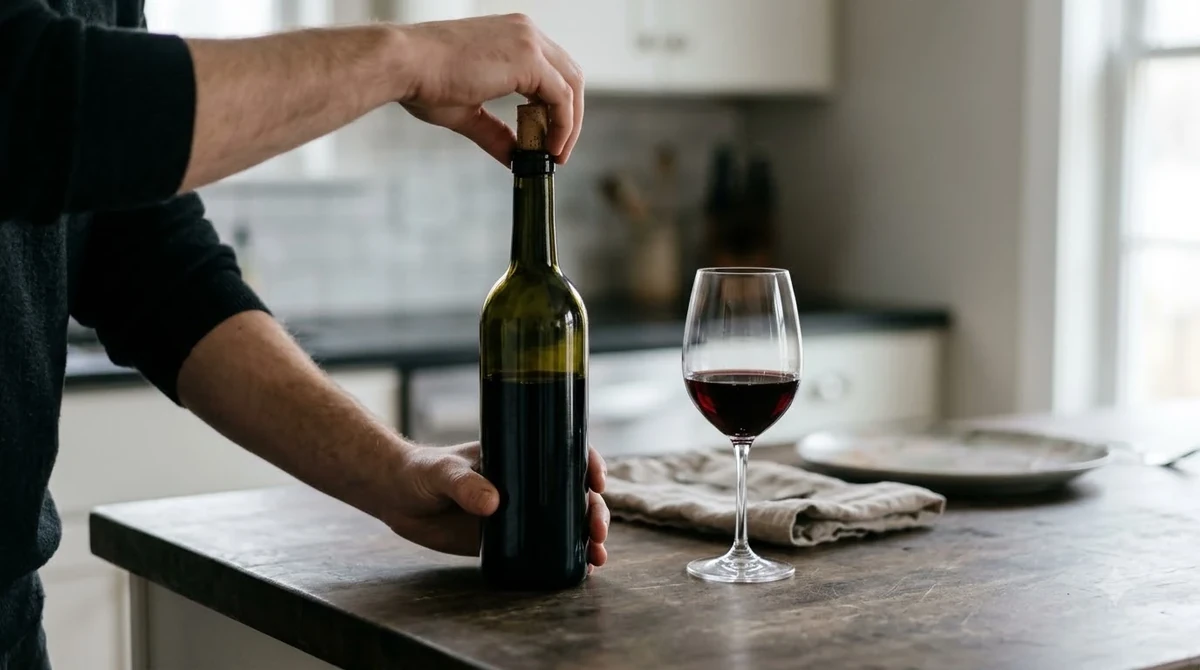
In its dry, unfortified white form, Malvasia delivers bright aromas of orange blossom, crushed pear, and green almond backed by medium body and moderate, balanced acidity. Producers in northeastern Italy and coastal Croatia frequently ferment the juice to complete dryness in stainless steel, preserving crisp citrus zest and a subtle, salty mineral finish. Some artisan winemakers also ferment white Malvasia on its grape skins for days or weeks, creating amber-hued orange wines with grippy tannins, dried apricot notes, and herbal complexity.
At the opposite end of the spectrum sit sweet and fortified styles, where residual sugar takes center stage. In Wine Folly’s guide to Madeira, Malvasia—labeled as Malmsey—is noted as the sweetest traditional style of the island’s fortified wines, containing more than 100 grams per liter of residual sugar and sitting between 17 and 22 percent ABV. Despite that high sugar content, oxidative heat aging gives Malmsey savory flavors of black walnut, dried mission fig, and peppercorn alongside brisk acidity that keeps the finish lively rather than cloying.
Between those two poles, winemakers craft playful off-dry and sparkling styles as well as concentrated passito dessert wines. Red-skinned varieties like Malvasia di Casorzo and Malvasia di Schierano in Piedmont produce lightly sparkling, ruby-pink wines bursting with wild strawberry, rose petal, and gentle sweetness, offering a red-fruited cousin to those exploring whether Moscato is sweet or dry. Meanwhile, dried-grape passito bottlings from Sicily’s Aeolian Islands concentrate natural sugars into rich flavors of candied citrus peel, acacia honey, and dried figs.
| Style or Regional Name | Sweetness Level | Typical Color and Body | Core Tasting Notes |
|---|---|---|---|
| Malvazija Istarska (Croatia and Friuli) | Dry | White, light to medium body | White peach, acacia flower, citrus zest, slate minerality |
| Malvasia Bianca (California and Texas) | Dry to off-dry | White, medium body | Honeysuckle, apricot, ripe pear, orange blossom |
| Malvasia di Casorzo (Piedmont) | Sweet | Light red or rosé, sparkling | Wild strawberry, rose petal, raspberry, fresh cherry |
| Malvasia delle Lipari Passito (Sicily) | Sweet | Golden amber, full body | Dried apricot, honey, candied orange peel, herbs |
| Malmsey Madeira (Portugal) | Sweet (Fortified) | Deep mahogany, full body | Caramel, black walnut, dried fig, brown spice |
Where It Grows
While Malvasia originated in the eastern Mediterranean, Italy holds the greatest concentration of plantings today, followed by Spain, Portugal, Croatia, and pockets of the United States. Each region favors specific sub-varieties adapted to local soils and coastal breezes.
Across Italy, the grape takes on a different personality in nearly every wine zone. In the northeastern region of Friuli-Venezia Giulia, Malvasia Istriana thrives in cool Adriatic breezes and marl soils to make crisp, dry, mineral-driven whites. Further south in Lazio and Emilia-Romagna, Malvasia Bianca di Candia and Malvasia di Candia Aromatica anchor both dry white blends and lightly sparkling off-dry wines, while Tuscany blends Malvasia Bianca Lunga with Trebbiano to craft sweet, nutty Vin Santo.
Outside Italy, the grape anchors several benchmark appellations across Europe and the Atlantic islands. Across the border in Croatia’s Istrian peninsula, the same grape grown in Friuli is bottled as Malvazija Istarska and stands as the region’s signature dry white wine. In Spain, Malvasia adds aromatic lift to white Rioja blends and thrives in the volcanic, wind-swept vineyards of Lanzarote in the Canary Islands, whereas Portugal’s island of Madeira relies on Malvasia Candida and Malvasia de São Jorge for its richest fortified bottlings.
American winemakers have also embraced the grape’s heat tolerance and expressive aromatics, particularly in California and Texas. As highlighted in Wine Enthusiast’s look at Malvasia Bianca regions, growers in places like the Texas High Plains and California’s Central Coast value Malvasia Bianca for holding onto floral and stone-fruit aromatics even in warm growing seasons. Depending on the producer’s vision, domestic bottles appear as crisp, dry single-varietal whites, aromatic white blends, or lightly sweet patio sippers.
How to Serve
Serving temperature and glassware depend directly on whether your bottle of Malvasia is dry, sparkling, or fortified. Chilling dry and sparkling styles preserves their bright floral aromatics, while serving fortified versions slightly warmer unlocks their nutty complexity.
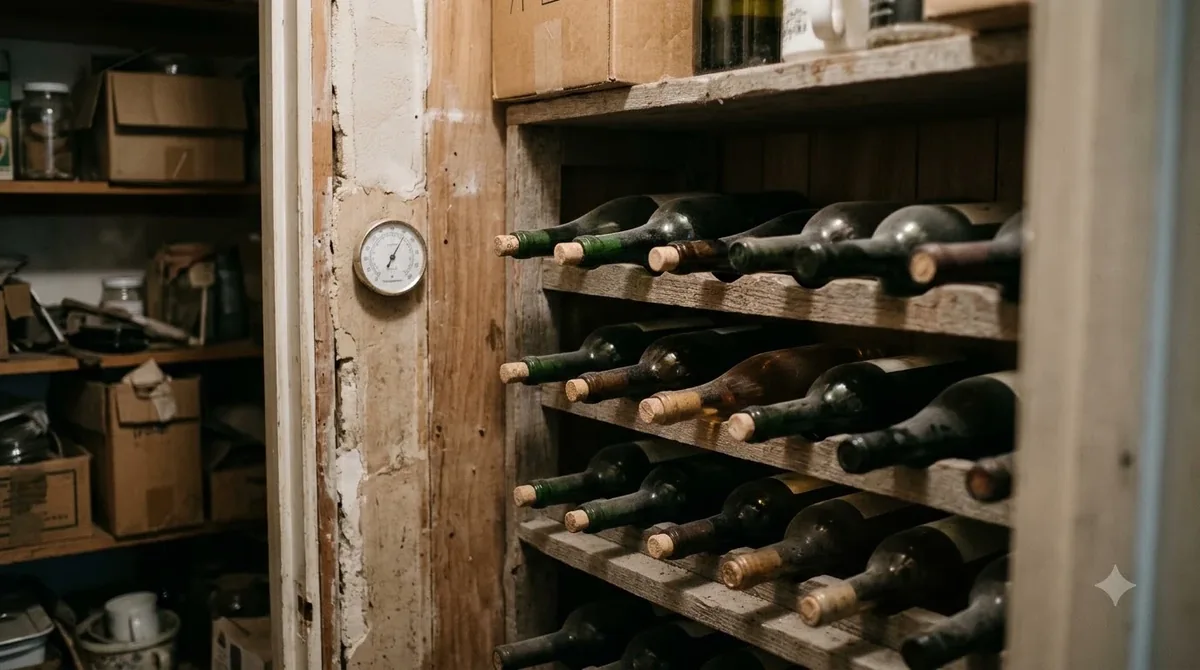
For dry white Malvasia and off-dry still bottlings, aim for standard refrigerator-cool white wine temperatures between 45 and 55 degrees Fahrenheit. Serving a dry Malvasia too warm dulls its gentle acidity and can make its lush stone-fruit aromas feel heavy, while serving it ice-cold mutes the delicate white-flower and almond nuances. A standard universal white wine glass with a medium-sized bowl concentrates those aromatics without trapping alcohol.
Sparkling red and rosé versions like Piedmont’s Malvasia di Casorzo shine best chilled between 43 and 46 degrees Fahrenheit so the bubbles stay crisp and the sweetness feels refreshing. Fortified Malmsey Madeira sits at the warmer end of the spectrum, showing best between 55 and 60 degrees Fahrenheit in a small tulip-shaped dessert glass. Because fortified Madeira carries 17 to 22 percent alcohol, a three-ounce pour is plenty, and an opened bottle will stay fresh for months or even years thanks to its oxidative aging.
Tip: If you buy an unfamiliar bottle of dry white Malvasia and it tastes slightly flat right out of the fridge, let it warm in your glass for ten minutes—its floral and peach aromatics open up dramatically around 50 degrees Fahrenheit.
Food Pairing
Malvasia’s versatility at the dinner table mirrors its wide range of styles, pairing effortlessly with coastal seafood when dry and standing up to rich pastries or aged cheeses when sweet. Matching the weight and sweetness of the wine to the dish keeps every pairing balanced.
Dry, crisp Malvasia from Friuli, Istria, or California is a natural partner for grilled sea bass, sautéed shrimp, scallops, and calamari. Its medium body and subtle almond finish also complement creamy herb risottos, roasted chicken with lemon, and fresh goat or sheep’s milk cheeses. If you enjoy pairing versatile coastal wines and want to compare how another popular warm-weather pour behaves at the table, check out our guide on whether rosé is sweet or dry.
Off-dry and lightly sparkling styles take on a completely different role, acting as a cooling counterbalance to salty or mildly spicy dishes. An off-dry white Malvasia pairs wonderfully with Thai coconut curries, spicy pork tacos, or prosciutto-wrapped melon, while sweet sparkling red Malvasia di Casorzo is built for fresh berry tarts, hazelnut cake, and brunch pastries. Meanwhile, sweet passito Malvasia and Malmsey Madeira excel alongside pungent blue cheeses like Gorgonzola, toasted walnuts, dark chocolate tarts, and caramel desserts.
How to Choose a Bottle
Because producers rarely print “sweet” or “dry” in large letters on the front label, learning to read regional clues and alcohol percentages will help you pick the exact style you want every time. A quick scan of three details on the bottle eliminates almost all guesswork.
Start by checking the region and the exact grape name on the label. Bottles labeled Malvazija Istarska, Collio Malvasia, Carso Malvasia, or White Rioja are reliably dry table wines made for savory meals. Conversely, words like Passito, Vin Santo, Vendemmia Tardiva, or Malmsey signal concentrated sweetness, while Piedmontese names like Malvasia di Casorzo d’Asti or Malvasia di Castelnuovo Don Bosco indicate sweet, low-alcohol sparkling reds.
Next, glance at the alcohol by volume printed near the bottom of the label, which offers a reliable clue to residual sugar. Light, sweet sparkling Malvasias typically clock in around 5 to 7 percent ABV because fermentation was stopped early to preserve natural grape sugar. Still dry white Malvasias generally land between 12 and 14.5 percent ABV, whereas fortified Madeira jumps to 17 to 22 percent ABV—a contrast similar to how alcohol and dosage separate different styles when deciding whether brut Champagne is sweet or dry.
Frequently Asked Questions
Is Malvasia wine always sweet?
No, Malvasia is not always sweet, even though its historic reputation was built on sweet Mediterranean dessert wines. Today, regions like Croatia’s Istria and northeastern Italy’s Friuli produce predominantly bone-dry white Malvasia, while California and Texas wineries make both dry and off-dry versions.
Does Malvasia taste like Moscato?
Malvasia and Moscato share similar floral, peach, and orange-blossom aromas because both are aromatic grape families, so they can smell quite alike in the glass. However, Moscato is most commonly made as a low-alcohol, sweet frizzante wine, whereas Malvasia is just as likely to be bottled as a full-strength dry white or a nutty fortified dessert wine.
What is the difference between Malvasia Bianca and Malmsey?
Malvasia Bianca refers to white-skinned Malvasia varieties used across Italy and the United States to make dry, off-dry, or sparkling table wines. Malmsey is the traditional English term used on the Portuguese island of Madeira for the richest, sweetest style of fortified Madeira wine made from Malvasia grapes.
Is Malvasia a red or white wine?
Malvasia is primarily known as a white wine grape, but the broader Malvasia family includes several red-skinned varieties as well. In Italy, red cultivars such as Malvasia Nera in Puglia and Malvasia di Casorzo in Piedmont are used to make dry red blends and sweet sparkling red wines.
Whether you are craving a crisp, mineral-driven white for seafood night or a rich, nutty dessert pour after dinner, Malvasia rewards anyone willing to read past the main grape name on the label. Once you match the regional style and alcohol level to your occasion, you can explore the broader Wine by Type landscape with far more confidence.
More in Wine Types & Grapes
 Zinfandel Sugar Content: Dry Red vs. White Zinfandel GramsUpdated Nov 21, 2026
 Best Zinfandel Substitute Options for Sipping and CookingUpdated Nov 21, 2026
 Zweigelt Food Pairing: Best Dishes, Cheeses, and Serving TipsUpdated Nov 21, 2026
 Zinfandel Tannins Explained: How Structure Shapes Every BottleUpdated Nov 21, 2026
 Zinfandel Sweetness Level: Dry Red vs. Sweet White Zin ExplainedUpdated Nov 21, 2026
 Xinomavro Food Pairing: Best Dishes, Styles, and Serving TipsUpdated Nov 21, 2026