

We may earn a commission when you buy through links on this page, at no extra cost to you. Learn more.
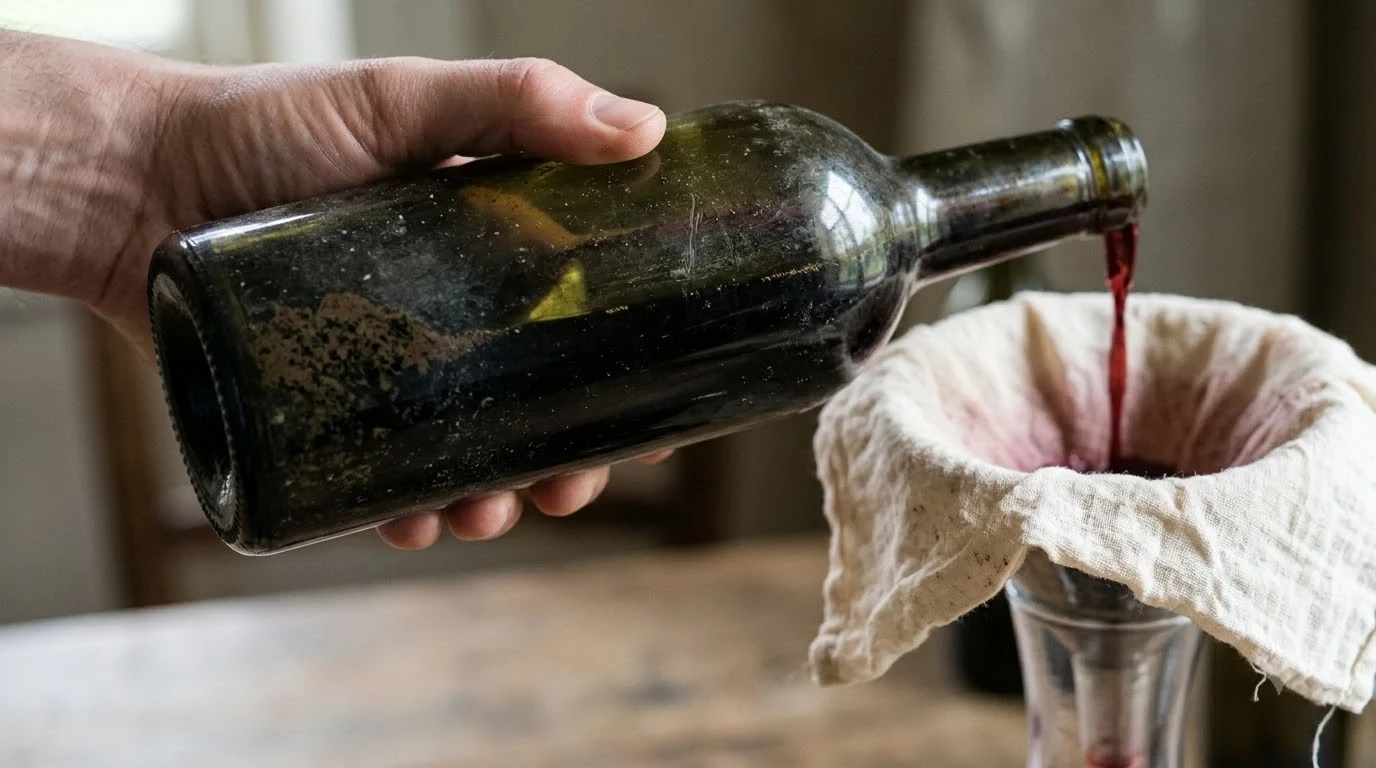
The answer to “should rioja be chilled” is yes: serve red Rioja slightly cool, usually around 55–64°F depending on age and body. Young reds can sit at the cooler end, while Reserva and Gran Reserva usually show best a little warmer. White and rosé Rioja are different: chill them before serving, then let fuller, oak-aged whites warm slightly in the glass.
Rioja is not one single style of wine. The Spanish region produces reds, whites, rosés, and sparkling wines, and each benefits from a different serving temperature. For the familiar red Tempranillo-based bottles, a short spell in the refrigerator can make a noticeable difference, especially in a warm room. The goal is to cool the wine enough to keep alcohol and oak in balance without hiding its fruit, spice, and aroma.
Should Rioja Be Chilled Before Serving?
Red Rioja is best served cool rather than cold: aim for roughly 59–64°F, adjusting within that range for the wine’s weight and maturity. A bottle stored at a warm room temperature may need a brief chill, but it should not be served straight from a very cold refrigerator.
The phrase “room temperature” is a poor guide for red wine because homes and dining rooms vary. A room at 68°F or 72°F is warmer than the serving range recommended for many reds, and the extra warmth can make alcohol seem more prominent. Decanter places medium-bodied red wines at 57–61°F and fuller reds at 61–64°F; Wine Enthusiast gives full-bodied reds a 60–65°F range. Those general benchmarks help explain why a red Rioja often benefits from a little cooling rather than being left on the counter all afternoon.
For a typical young red Rioja, begin around 55–59°F. A Crianza can be served near 59°F, while a more developed Reserva or Gran Reserva is generally comfortable around 61–64°F. The temperature is a starting point, not a rigid rule: a lighter, fruit-forward bottle may feel fresher slightly cooler, and a concentrated wine with mature aromas may need a few degrees more warmth to open up.
Red Rioja Temperatures by Aging Category
The simplest way to choose a temperature for red Rioja is to use its aging category as a guide, then adjust for how full-bodied the wine feels. Crianza, Reserva, and Gran Reserva indicate minimum aging requirements, but they do not mean every wine within a category has identical weight.
The DOCa Rioja regulatory council sets minimum aging rules that help explain the usual serving differences; its classification rules set the Crianza, Reserva, and Gran Reserva thresholds. Red Crianza must age for at least two years, including at least one year in a 225-liter oak barrel. Red Reserva requires at least three years of combined barrel and bottle aging, with at least one year in oak and six months in bottle; Gran Reserva requires at least five years of aging, including at least two years in oak.
| Red Rioja style | Serving temperature | Practical cue |
|---|---|---|
| Young or Joven | 55–59°F (13–15°C) | Keep fresh fruit lively |
| Crianza | About 59°F (15°C) | Balance fruit and oak |
| Reserva | 61–64°F (16–18°C) | Give mature aromas room |
| Gran Reserva | 61–64°F (16–18°C) | Avoid serving too cold |
El Coto’s serving-temperature guide recommends 13–15°C for young reds, 15°C for Crianza, and 17–18°C for Reserva and Gran Reserva. That progression is sensible: a young wine usually emphasizes primary fruit, while longer aging can bring more layered notes of wood, spice, dried fruit, leather, or tobacco. Too much chill can make those quieter details harder to notice.
Remember that the label describes aging, not a guaranteed flavor profile. Tempranillo is the principal red grape associated with Rioja, while Garnacha, Graciano, and Mazuelo may also appear in blends. A young Tempranillo with bright red fruit may seem lighter than a concentrated Crianza, while a mature Gran Reserva can feel surprisingly delicate. Use the category to choose a first temperature, then fine-tune after the first sip.
White and Rosé Rioja Need a Different Chill
White and rosé Rioja should be chilled before pouring, generally to 45–50°F for fresh styles. Fuller, barrel-aged white Rioja can be served warmer, around 50–55°F, so its texture and oak-influenced aromas are not muted.
Viura has long been the leading white grape in Rioja, although the region also grows Garnacha Blanca, Malvasía, Tempranillo Blanco, Chardonnay, and other permitted varieties. The official Rioja grape-variety information lists five red and nine white varieties, which helps explain the range of styles. A young Viura-based white can be crisp and citrusy, while a barrel-fermented or aged white may have more body, creamy texture, and developed aromas.
For a young white Rioja, start near 45–50°F. A fuller white with oak influence is better closer to 50–55°F; El Coto, for example, recommends about 12°C (54°F) for its Coto de Imaz Reserva Blanco, which it says spends 12 months in French oak and at least another 12 months in bottle. That example illustrates why “white Rioja” does not always mean the coldest serving temperature. A little warmth can reveal its broader texture and more complex aromas.
Rosé Rioja is usually best around 45–50°F, especially when it is young and focused on fresh fruit. Avoid serving it so cold that its fragrance disappears. If the bottle is particularly full-bodied or gastronomic in style, let it stand for several minutes after taking it from the refrigerator. Rioja’s official description of rosé includes both youthful, fruity examples and more complex styles, so the same adjustment by body that works for red and white wines is useful here.
How to Chill a Bottle Without Overdoing It
Use a short, controlled chill rather than leaving red Rioja in the refrigerator for hours. The time depends on its starting temperature, the bottle’s size, and the cooling method, so a thermometer is more dependable than a timer alone.
For a bottle that has been sitting in a warm room, place red Rioja in the refrigerator for about 20–25 minutes, then check it. Wine Enthusiast’s general guide for full-bodied reds suggests 25 minutes in the fridge when the wine starts at roughly 72°F; its recommendation for lighter- to medium-bodied reds is 45–60 minutes. Rioja can fall between those broad categories, so use the shorter period as a first check for a fuller Crianza or Reserva rather than assuming every bottle needs the same time.
A water-and-ice bath cools a bottle more quickly and evenly than a freezer. El Coto suggests about five minutes in an ice-water bath to bring a young red to around 14°C (57°F); check the temperature as you go, especially if the bottle was already cool. For a white or rosé, chill it in the refrigerator until it reaches the target range, then keep it in an ice bucket during a long meal only if it begins warming beyond that range. Avoid using the freezer as a routine shortcut: a forgotten bottle can freeze, expand, or break, and even a brief over-chill can mute its aroma.
Tip: Chill red Rioja a little below your target if the room is warm or the meal will run long. The wine will warm in the glass, so a bottle poured at 59°F can become more expressive over the next few minutes.
What Temperature Changes in the Glass
Temperature influences how Rioja’s fruit, acidity, tannin, alcohol, and aromas come across. A little cooling can sharpen a warm, loose red; excessive cold can make its structure seem harder and its aromas less apparent.
When red Rioja is too warm, alcohol can stand out and the wine may seem broad or heavy. Decanter notes that serving red wine too warm can accentuate alcohol and diminish acidity. At a more suitable temperature, fruit and freshness are easier to read, and oak-derived notes such as vanilla or spice are less likely to be overshadowed by warmth. That is particularly useful with a richer Tempranillo blend served alongside a meal.
When red Rioja is too cold, the nose can close down and the texture may seem firmer. The first sip can emphasize grip over fruit, especially in a wine with noticeable oak or tannin. White Rioja has a similar balancing act: chilling preserves freshness, but an oak-aged bottle poured straight from a very cold refrigerator may seem narrow until it warms a little. Letting the glass sit for five to ten minutes can be enough to reveal more detail.
Think of temperature as a moving target during service. A bottle does not stay at one exact temperature once opened, poured, and placed on a table. If your first glass seems muted, give it a few minutes; if a red seems hot and alcoholic, return the bottle to the refrigerator briefly. Small adjustments are more useful than dramatic changes.
Serving Rioja With Food and at the Table
Serve Rioja in a regular stemmed wine glass and pour modestly so the wine has room to release its aromas. A standard 5-ounce pour means a 750-milliliter bottle provides about five glasses, with enough space left in each glass to swirl without spilling.
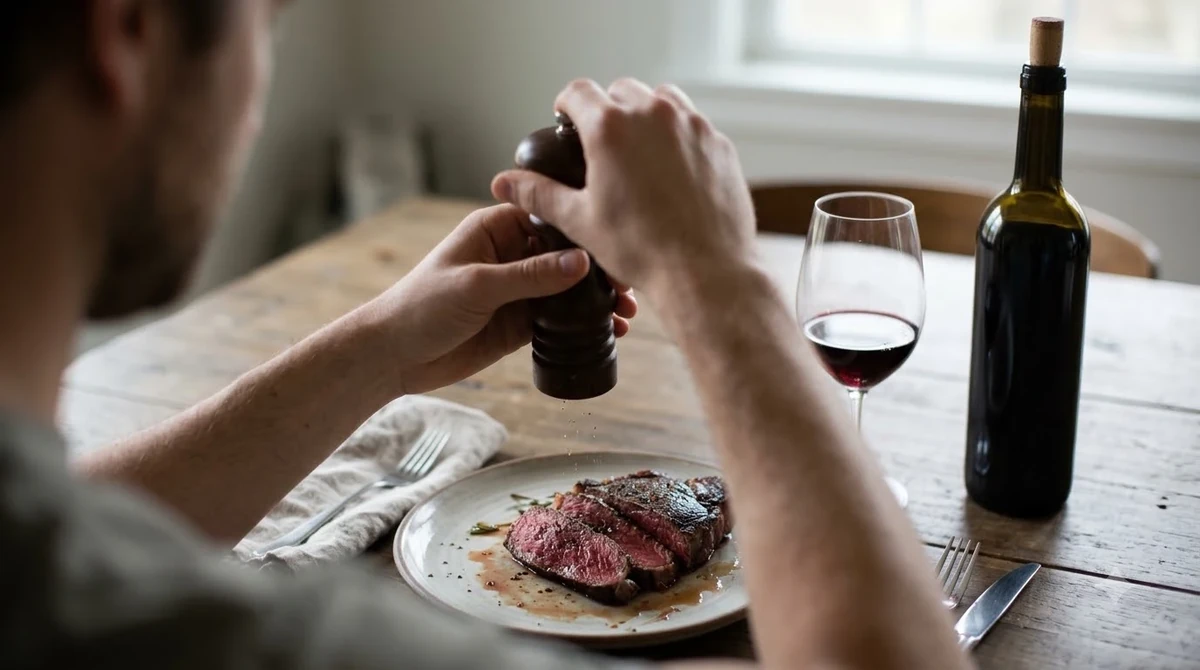
Red Rioja is a natural match for roast lamb, grilled pork, chorizo, roasted mushrooms, and firm cheeses such as Manchego. The wine’s fruit and savory notes can meet smoky or browned flavors, while the food’s salt and fat can soften the impression of tannin. For a younger Crianza, try grilled pork or tomato-based dishes; a more developed Reserva can stand beside lamb, slow-cooked beef, or aged cheese. If the dish is strongly spicy, avoid serving the wine too warm or choosing an especially high-alcohol, tannic bottle, because both alcohol and tannin can make chili heat feel stronger.
White Rioja suits seafood, roast chicken, rice dishes, and vegetables with herbs. A crisp young white can work with grilled prawns or a simple fish dish, while a fuller, oak-aged white can handle richer sauces and roast poultry. Rosé Rioja is flexible with tapas, cured ham, grilled vegetables, and lighter meat dishes. For more pairing ideas across different styles, browse Wine by Type and compare the serving approach with whether sangria should be chilled; sangria is generally served colder than red Rioja because it is a mixed drink intended to be refreshing.
Keep the wider wine menu in mind if the meal includes several styles. Sparkling Rioja is a separate category from still red Rioja and is served cold, much like other traditional-method sparkling wines; see how sparkling wine should be chilled for that style. Sweet dessert wines also have a different target: a bottle of ice wine is typically served distinctly chilled, so the guidance on whether ice wine should be chilled is not a useful temperature model for red Rioja.
Frequently Asked Questions
Most practical questions concern a few degrees of temperature, how to keep an opened bottle, and the difference between still and sparkling Rioja. The answers below cover a 3–5 day opened-bottle window and the 15-month minimum bottle aging for generic Rioja sparkling wine.
Can I put red Rioja in an ice bucket?
Yes, especially if the bottle has been stored somewhere warm, but use a mix of ice and water rather than ice cubes alone. Rotate the bottle once during a brief chill so the neck and base cool at a similar rate.
Should I refrigerate an opened bottle of Rioja?
Yes. Reseal the bottle and keep it in the refrigerator after opening, even if it is red; bring the next pour back toward its serving range rather than leaving the entire bottle on a warm counter. Most still wines are best used within three to five days after opening.
Does an older Rioja need less chilling than a young one?
Not automatically. A mature bottle may have delicate aromas that are easier to miss when it is too cold, but age alone does not determine serving temperature; the wine’s body and condition matter as well. Open an older bottle carefully and avoid a sudden plunge into an ice bath.
Does Crianza always taste lighter than Reserva?
No. The terms describe minimum aging requirements, not a fixed scale of body or intensity, and producers can make quite different wines within each category. Grape blend, vineyard site, vintage conditions, extraction, and the choice of oak can make a powerful Crianza feel fuller than a more restrained Reserva.
Can Rioja sparkling wine be served as cold as Cava?
Yes. Rioja also makes sparkling wine, and its traditional-method category has a minimum bottle-aging period of 15 months for the generic Espumoso classification. Serve it chilled in the same general way you would serve Cava, rather than using the warmer temperature recommended for still red Rioja.
For most red Rioja, a modest chill is the best starting point: about 55–59°F for young reds and 61–64°F for mature, fuller examples. Chill white and rosé Rioja more thoroughly, then allow fuller bottles to warm slightly in the glass. When in doubt, begin a little cool and adjust as the wine opens.
More in Wine Types & Grapes
 Zinfandel Sugar Content: Dry Red vs. White Zinfandel GramsUpdated Nov 21, 2026
 Best Zinfandel Substitute Options for Sipping and CookingUpdated Nov 21, 2026
 Zweigelt Food Pairing: Best Dishes, Cheeses, and Serving TipsUpdated Nov 21, 2026
 Zinfandel Tannins Explained: How Structure Shapes Every BottleUpdated Nov 21, 2026
 Zinfandel Sweetness Level: Dry Red vs. Sweet White Zin ExplainedUpdated Nov 21, 2026
 Xinomavro Food Pairing: Best Dishes, Styles, and Serving TipsUpdated Nov 21, 2026