

We may earn a commission when you buy through links on this page, at no extra cost to you. Learn more.
Orvieto wine tasting introduces you to a white-wine region in Umbria where crisp, dry blends share the table with off-dry and richly sweet bottlings. The DOC is based on Grechetto and Procanico, the local name for Trebbiano Toscano, with other approved white grapes adding different textures and aromas. A useful tasting moves from secco to sweeter styles, compares the historic Classico area with other sites, and leaves room for the rare Muffa Nobile wines.
Orvieto is easy to mistake for a single, simple Italian white, but the appellation offers a wider range than that reputation suggests. Its tuff cliffs, ancient seabed deposits, and river valleys help explain why bottles from neighboring vineyards can feel quite different. Use the labels, grape blend, sweetness level, and serving conditions as a framework, and a tasting becomes a practical way to understand the region rather than a sequence of similar pours.
The Cliffside Setting And Orvieto DOC Boundaries
Orvieto wine comes from a hilly area in southwestern Umbria that extends into northern Lazio, with the town of Orvieto perched above the vineyards on a high tuff formation. The DOC includes production areas in the provinces of Terni and Viterbo, while the word Classico points to the historic heart of the appellation around the cliff-top town.
The landscape helps make a local tasting distinctive. Volcanic ash compacted into tufo, a porous rock used in buildings, underground spaces, and wine cellars. The area also preserves traces of an ancient seabed, including clay, sand, marine sediments, and fossils. The Paglia and Tiber river basins add alluvial soils, so wines may come from very different geological settings.
Nearby Lake Corbara and Lake Bolsena influence local humidity, while rivers and water basins can support noble rot in suitable autumn seasons. That matters most for sweet-wine production, but it also gives visitors a reason to ask where a dry wine’s grapes were grown. Vineyard soil and position in the river valley add context beyond a list of aromas.
Classico is geographical, not a sweetness level: a Classico may be dry or sweet, and its taste still depends on blend and winemaking. For more on how appellations connect wine names with place, see our Wine Regions overview. The regional consortium’s Orvieto DOC grape and style information helps clarify label terms.
Grechetto And Procanico Shape The Blend
Orvieto DOC is a blended white wine rather than a single-grape specialty. Grechetto and Procanico provide its core, while a permitted share of other white varieties lets individual producers give a wine more body, fragrance, or freshness.
The regional consortium states that Procanico and Grechetto must account for at least 60 percent of an Orvieto DOC blend; other eligible, non-aromatic white grapes can make up no more than 40 percent. Procanico is a local biotype of Trebbiano Toscano, so labels and tasting notes may use either name when describing that part of the blend. Grechetto contributes the region’s native character, while Procanico is often associated with citrus, floral detail, and freshness.
| Blend component | Typical role in the glass | What the rules allow |
|---|---|---|
| Grechetto and Procanico together | Core structure, citrus, freshness, and regional identity | At least 60% of the blend |
| Other eligible white grapes | Can add weight, perfume, or a different aromatic accent | Up to 40% of the blend |
| Common examples in producer blends | Vermentino, Chardonnay, Sauvignon Blanc, and other local grapes | Must remain within the permitted share |
The blend can make one glass light and citrus-led and another broader, with ripe stone fruit or herbal notes. Vermentino can bring pronounced fruit, Chardonnay weight and texture, and Sauvignon Blanc greener aromas and acidity. None is required in every bottle; each is an option within the DOC framework.
Ask whether a wine is built around Grechetto, Procanico, or a broader blend. Notice whether it feels lean or rounded, whether the finish is brisk or gently bitter, and whether the aroma leans toward citrus, flowers, or stone fruit. These observations distinguish bottles better than assuming every Orvieto tastes alike.
Secco, Abboccato, And The Sweet Styles
The most common Orvieto style is secco, or dry, but the appellation also includes off-dry, semi-sweet, and sweet wines. A tasting that includes more than one sweetness level makes the range clear and helps explain why Orvieto has a long history as both a table wine and a dessert wine.
The key terms are straightforward. Secco means dry; abboccato means off-dry; amabile indicates a semi-sweet profile; and dolce means sweet. These words describe the wine’s perceived sweetness, not its color or its quality. A faintly rounded abboccato can still taste refreshing because fruit, acidity, and a slight bitter finish can balance the touch of residual sugar.
Vendemmia Tardiva means late harvest, while Muffa Nobile refers to the noble-rot style made from grapes affected by Botrytis cinerea. In the right conditions, the fungus concentrates the grapes and helps produce a more intense sweet wine. Lake Corbara and the area’s network of rivers and lakes can contribute humidity, while autumn weather determines whether noble rot develops in a useful way. It is a specialized style, so it is less likely to appear in every tasting flight than a dry Orvieto.
Aromas change as sweetness and concentration increase. Dry Orvieto can suggest peach, citrus, and yellow flowers; more concentrated wines may show honey and dried fruit. Muffa Nobile can offer candied fruit, saffron, and vanilla. These are reference points rather than a checklist: producer choices and vintage weather shape the final character. For a focused comparison, ask for a dry and a sweet wine from the same producer; this helps separate sweetness from site and winemaking. A flight of secco, abboccato, and Muffa Nobile moves from freshness to a rare, concentrated style within one appellation.
Tip: Taste the dry secco before the sweeter abboccato, amabile, or dolce wines. A sweet wine can make a dry wine seem sharper by comparison, so moving from dry to sweet makes it easier to notice the progression without losing the detail in the lighter glasses.
How To Taste The Wines In The Glass
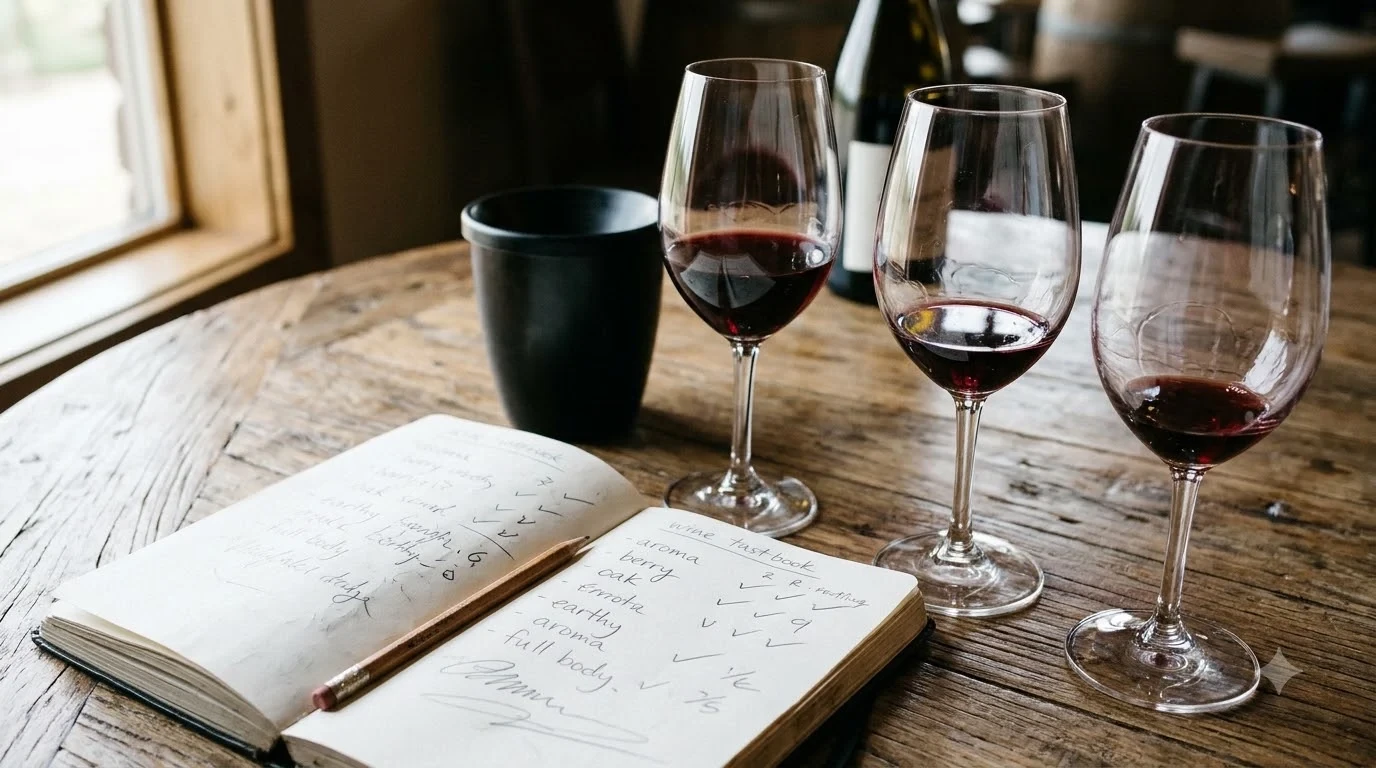
A structured tasting works best when you pay attention to appearance, aroma, texture, acidity, and finish in that order. Orvieto is usually a white wine with delicate fruit, but its blends can differ in weight and its sweetness levels can change the way the finish feels.
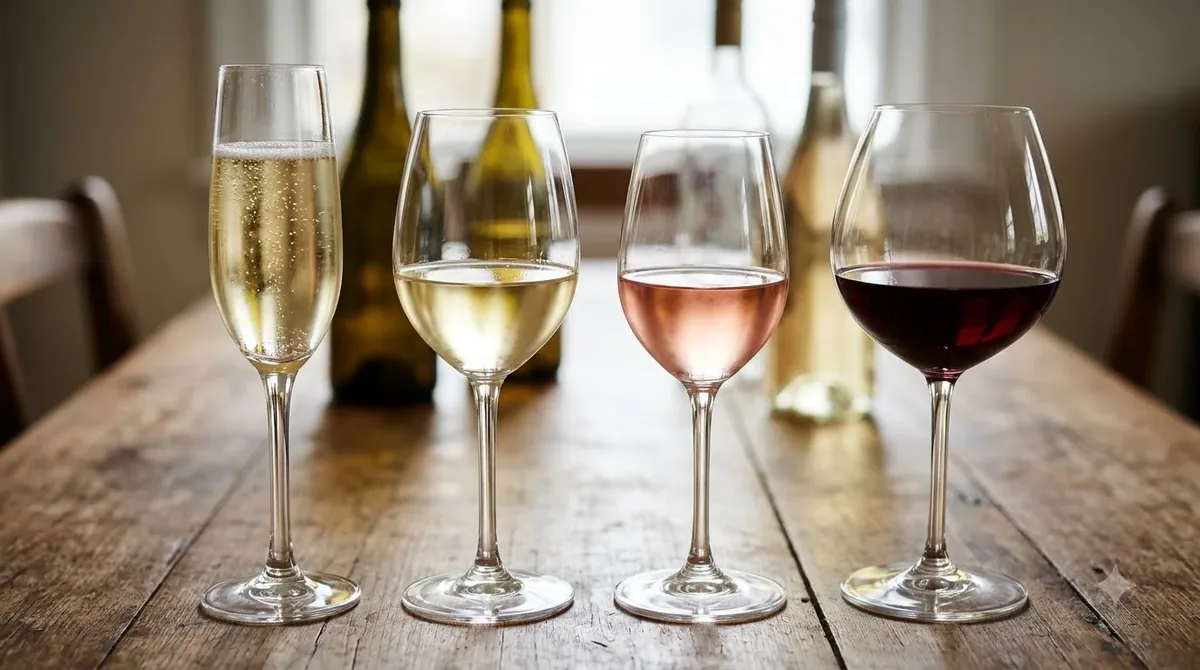
Begin with the color. A young dry wine may be pale straw with a green tint, while a richer or sweeter bottling can look more golden. Check clarity and intensity, but do not treat deeper color as proof of sweetness or age. Next, smell the wine before swirling, then swirl gently and smell again. Look for citrus, peach, apple, white or yellow flowers, and subtle herbal notes. In a more mature or concentrated wine, honey, dried fruit, or candied citrus may become more apparent. If the aromas seem restrained, give the glass a minute and return to it.
On the palate, separate acidity from body and sweetness. Acidity gives a wine lift and makes the mouth water; body describes its weight or breadth. A dry Orvieto may have a gentle bitter note near the finish, while an off-dry wine may feel rounder. In a fuller blend, the center of the palate can seem broader even when the wine remains dry. Notice whether the finish fades quickly or holds citrus, fruit, or a savory impression. Serve light, dry Orvieto cool, around 45–50°F, rather than icy cold; very low temperatures can mute its floral and fruit aromas. If a flight includes a fuller wine, allow it a few minutes to warm slightly before assessing it again.
For a sweet bottling, focus on how sugar, fruit concentration, and acidity balance one another. Keep notes simple: record sweetness, dominant fruit, body, acidity, and one detail in the finish. When comparing three wines, note the leanest and broadest examples. These observations help when looking for a bottle with similar character later.
For a useful regional comparison, read our Alsace wine tasting notes alongside this flight and compare how different grape traditions shape white-wine texture, acidity, and aroma.
Planning A Winery Visit Around Orvieto
Orvieto works well as a wine destination because vineyard visits can be paired with the historic town, local food, and the region’s underground heritage. Arrange tastings ahead of time, particularly when seeking a specific sweetness level or a guided comparison of different vineyard sites.
Decide what kind of experience you want. One visit may offer an introduction and two or three dry wines; another may include a vineyard walk, cellar visit, and lunch. Ask how many wines are poured, whether they are estate wines, and whether a Muffa Nobile or Vendemmia Tardiva is available. Not every winery pours every style daily. Italy’s official tourism portal recommends guided tastings at wineries associated with Movimento Turismo del Vino, sometimes paired with seasonal local food. It also describes olive-oil tastings, cooking classes, cycling, and walking routes. Check the official Umbria enotour information for ideas, then contact a winery to confirm current visits, languages, transport, and booking requirements.
Make time for the town as well as the tasting room. Orvieto’s cathedral and underground caves show its long history, while the cliff-top position opens views over the countryside. The Etruscan spaces help explain the settlement’s early relationship with wine storage. Orvieto is linked by rail with larger Italian cities, and a funicular connects the lower station area with the historic center, but winery locations are spread through the countryside. Confirm whether an estate can arrange a transfer or whether a designated driver, taxi, or private guide is needed, and leave time for the return journey.
Choose a flight with a purpose: a fresh secco, a more structured blend, an abboccato, and, when available, a late-harvest or botrytized wine. Or compare two dry wines from different blends or sites. Either plan gives the tasting a question to answer.
Food Pairings That Show Orvieto At Its Best
Dry Orvieto is a flexible partner for seafood, fried foods, vegetables, and lighter white meats, while sweeter versions work best with desserts or carefully chosen savory dishes. Match the wine’s weight and sweetness to the food, and pay attention to acidity, salt, fat, and chili heat.
Start with the dry style. Its freshness suits grilled white fish, shellfish, fried vegetables, and crisp appetizers. Acidity can cut through oil in fried food, while citrus and floral notes complement delicate flavors. A broad, textured wine can stand up to richer seafood or roast chicken. White meats, vegetable dishes, savory pies, and fried antipasti also suit dry Orvieto. A richer blend handles more substantial fare, while lemon, vinegar, or sharp tomato dressing calls for enough wine acidity to stay balanced. Avoid pairing a delicate secco with intensely sweet or heavily spiced food, which can dominate the wine.
Off-dry abboccato and amabile wines can work with dishes that include a little sweetness, gentle spice, or a salty contrast. The wine should be at least as sweet as the dessert or sweet component on the plate. A lightly sweet glass can also work with salty cheeses or a fruit-based starter if it retains enough freshness. Save Muffa Nobile for dessert or a savory counterpoint: the regional consortium suggests dessert, liver pâté, and blue cheeses. Fruit tart, almond pastry, or blue cheese can reveal different sides of the wine, but avoid a dessert that is significantly sweeter than the glass.
Wine and food should bring out each other’s character. Salt and fat soften bitter or drying edges, while an acidic dish needs wine with equal or higher acidity. Chili heat can magnify alcohol, so a gently spiced dish is easier to pair than a fiery one.
Frequently Asked Questions
These quick answers cover a few points that often come up after a first tasting, including grape identity, bottling language, and the wider local wine picture. They add context beyond the main styles and tasting sequence.
Is Orvieto a grape variety?
No. Orvieto is the name of a DOC wine appellation, not a grape. Its wines are blends based on Grechetto and Procanico, with other approved white grapes permitted within the blend rules.
Are there different grapes called Grechetto?
Yes. The two varieties commonly discussed in the area are Grechetto di Orvieto and Grechetto di Todi. They are distinct grapes, even though a label may identify either one simply as Grechetto.
What does imbottigliato all’origine mean on an Orvieto label?
The Italian phrase indicates that the wine was grown, made, and bottled by the estate rather than purchased as bulk wine and bottled elsewhere. It can help shoppers identify an estate-produced wine when comparing bottles from different producers.
Can Orvieto wines develop with bottle age?
Some can. A documented tasting of 13 vintages included wines dating to 2010 that were still lively, with mature aromas compared to petroleum notes in dry Riesling. That is a reason to ask a producer about a wine’s intended drinking window rather than assuming every Orvieto must be consumed immediately.
Does the area make red wine too?
Yes, but it is a separate designation called Orvietano Rosso or Rosso Orvietano DOC. The regional consortium lists red grapes such as Sangiovese, Merlot, Cabernet Sauvignon, Montepulciano, and Ciliegiolo among the varieties used for that appellation.
Orvieto rewards tasters who look beyond the familiar dry white and compare the blend, site, and sweetness level in the glass. Start with a well-made secco, add an abboccato or amabile for contrast, and finish with Muffa Nobile when the opportunity arises. That progression captures the breadth of the appellation while leaving plenty of room to discover a favorite producer.
More in Wine Regions
 Willcox Wine Trail: Discover Arizona’s High-Elevation Wine CountryUpdated Nov 20, 2026
 Yakima Valley Wine Region: Find the Best Styles to TryUpdated Nov 20, 2026
 Vosne Romanee Wine Tasting: Identify Aromas and Choose Better PairingsUpdated Nov 20, 2026
 Yakima Valley Wine Festival: Find the Best Seasonal Wine EventsUpdated Nov 20, 2026
 Wales Vineyards: Discover Cool-Climate Wines and Where to VisitUpdated Nov 20, 2026
 Yountville Wine Festival: Discover Napa Wines and Local FoodUpdated Nov 20, 2026