

We may earn a commission when you buy through links on this page, at no extra cost to you. Learn more.
The utah wine trail is a five-winery tasting route in southern Utah, linking producers near St. George, Leeds, Hildale, Dammeron Valley, and Cedar City. Its appeal is the mix of high-desert vineyards, red-rock scenery, and emerging wines made from grapes such as Syrah, Grenache, Sauvignon Blanc, and Tempranillo. The official trail also offers a punch-card program for visitors who complete all five member stops.
Utah is not a traditional wine-tourism state, and that is part of the route’s character: tasting rooms are scattered, appointment policies vary, and the scenery is as much a reason to slow down as the wine. Approach it as a regional road trip rather than a single afternoon of winery hopping.
What the Southern Utah Route Covers
The official route is a small southern Utah circuit, not a statewide list of every winery or a formally delimited wine appellation. Its five listed members are Bold & Delaney Winery, I/G Winery, The Vine Yard, Water Canyon Winery, and Zion Vineyards.
The stops span Dammeron Valley, Cedar City, Leeds, Hildale, and Springdale. Two wineries are in Leeds, and Water Canyon lists two locations, so confirm the tasting-room address before setting a route.
The official trail site describes the growing region at about 37.09 degrees north and an average vineyard elevation near 4,500 feet. That latitude aligns with parts of southern Europe, but altitude and local geology give Utah its own setting. The route links independent tasting stops rather than one continuous winery-lined valley.
The pass gives the trip a simple goal: receive a punch with a tasting at each of the five member wineries. The trail site says a completed card can be presented for a complimentary gift. Ask whether passes are available at your first stop.
Travelers can compare this compact route with other destinations in Wine Regions, including the traverse city wine trail and applegate valley wine trail.
High Elevation, Desert Conditions, and Local Wine Styles
Southern Utah’s wine identity is shaped by altitude, dry conditions, volcanic soils, warm days, and cooler nights. The official trail describes vineyards averaging roughly 4,500 feet above sea level, while a nearby vineyard on Pine Valley Mountain is reported at about 5,000 feet.
Warm days support ripening, while cooler nights can help preserve acidity and freshness. Sites differ in exposure, soil depth, slope, and farming choices, which can matter as much as the grape name.
There is no single grape that defines the route. Member-winery lists include Grenache, Syrah, Tempranillo, Sangiovese, Malbec, Barbera, Alicante, Roussanne, Viognier, Cabernet Sauvignon, Pinot Noir, Sauvignon Blanc, and Zinfandel. That mix reflects experimentation in a young commercial region rather than one settled regional formula.
Compare styles rather than assuming every bottle is a red blend or a high-alcohol desert wine. Sauvignon Blanc or Viognier can differ from Syrah or Petite Sirah; Pinot Noir and Grenache may feel lighter than Cabernet. Ask which wines use locally grown fruit and which use grapes sourced elsewhere.
Wine once supported trade with nearby communities and mining camps. Modern producers are rebuilding a small industry after local commercial production faded, so tasting-room conversations can reveal which varieties are thriving and which remain experimental.
Five Wineries on the Official Member List
The five member stops offer different formats, from appointment-led vineyard visits to a downtown tasting room. Use the list as a planning framework, then contact each winery before driving out.
| Member stop | Location | Grapes and wines listed | Visit planning |
|---|---|---|---|
| Bold & Delaney Winery | Dammeron Valley | Pinot Noir, Sauvignon Blanc, Malvasia Blanc, Malbec | Appointment requested; 12-acre vineyard |
| I/G Winery | Cedar City | Alicante, Roussanne, Petit Verdot, red blends | Walk-in tasting room listed by Greater Zion |
| The Vine Yard | Leeds | Zinfandel, Syrah, Petite Sirah, Viognier | Call for an appointment |
| Water Canyon Winery | Hildale and Springdale | Cabernet, Barbera, Sangiovese, Tempranillo | Call ahead; Hildale tastings are appointment-based |
| Zion Vineyards | Leeds | Petite Sirah, Syrah, Carignan, Grenache | Walk-ins welcome; tasting room open seven days |
Bold & Delaney Winery
Bold & Delaney is in Dammeron Valley, north of St. George. Greater Zion describes a 12-acre vineyard between the Veyo and Santa Clara volcanic formations, with 11 varieties including Sauvignon Blanc, Pinot Noir, and Grenache. The trail asks guests to call for an appointment, so schedule this stop rather than adding it casually between other plans.
I/G Winery
I/G Winery is at 59 West Center Street in Cedar City. Its trail list includes Alicante, Roussanne, Petit Verdot, and red blends; Greater Zion says it works with fruit from Greater Zion as well as Washington, Oregon, and California. Its tasting room welcomes walk-in visitors and offers wines by the glass, bottle, or flight, making it a useful place to compare Utah-grown fruit with grapes from other western regions.
The Vine Yard
The Vine Yard is in Leeds, with Zinfandel, Syrah, Petite Sirah, and Viognier among the grapes listed by the trail. Its member page advises calling for an appointment. Confirm the current directions with the winery before departure, since third-party directories may carry different location details.
Water Canyon Winery
Water Canyon lists a Hildale location at 1050 West Field Avenue and a Springdale location at 1066 Zion Park Boulevard. Its member page names Cabernet, Barbera, Sangiovese, and Tempranillo. Regional tourism information describes Hildale tastings as appointment-based and the Springdale site as a tasting room, so ask which location suits your plans. The winery follows a natural-wine approach; ask staff about fermentation and handling choices behind a particular bottle.
Zion Vineyards
Zion Vineyards is at 5 Hidden Valley Road in Leeds. Its tasting-room page welcomes walk-ins and lists hours of noon to 6 p.m. Monday through Thursday and noon to 7 p.m. Friday through Sunday. It accepts reservations for larger groups and lists a 21-and-over policy. Its lineup includes more than 10 varieties, with Tempranillo, Cabernet Sauvignon, and Syrah among those highlighted by Greater Zion.
Roster details and tasting operations can change. Before leaving, check the winery’s own channels and the official Utah Wine Trail member page for current pass instructions, winery phone numbers, and addresses.
How to Plan the Drive and Choose Your Dates
Two days is a sensible starting point for visiting all five wineries without turning every tasting into a race. The member list stretches from Cedar City to Hildale and Springdale, and at least two stops specifically ask visitors to arrange appointments.
One approach is to group the Leeds stops together, then schedule Water Canyon in Hildale or Springdale around the part of the trip that includes Zion-area sightseeing. Keep Dammeron Valley and Cedar City as separate route decisions, depending on where you are staying and which appointment times are available. Confirm reservations and allow time for the drive, tasting, and a meal.
Start early rather than squeezing a visit between a morning hike and dinner. The high-desert environment can bring strong sun and dry air, so carry water and wear comfortable shoes for vineyard paths. Keep a winery appointment, especially when combining the visit with Zion National Park or a state park.
During popular park seasons and holiday weekends, reserve appointment-only visits early. In hotter months, schedule outdoor vineyard time in the morning; in cooler months, confirm whether the winery has reduced its usual hours.
Build in a meal stop rather than tasting on an empty stomach. Confirm food service directly with a winery; otherwise, plan lunch or dinner in St. George, Cedar City, or another town along the route. The charlottesville wine trail offers a useful contrast for readers used to a tighter cluster of tasting rooms: in southern Utah, the drive itself is part of the itinerary.
Ask at the first winery whether the Trail Pass is available and how each member handles the punch. The posted program requires a tasting at each of the five stops to complete the card. Keep pours modest, take notes between stops, and make sure everyone driving abstains from alcohol. A hired driver or designated non-drinking driver is the safest way to enjoy a multi-winery route.
Utah Alcohol Rules and Tasting-Room Etiquette
Utah regulates alcohol sales through the state, so the rules can differ from those in many wine destinations. Visitors must be at least 21 to purchase or consume alcohol, and packaged wine is generally sold through state liquor stores and authorized package agencies rather than ordinary grocery-store wine aisles.
Licensed wineries can serve guests on site, and the state alcohol agency says winery, brewery, and distillery premises may sell alcohol every day of the week. Wine purchased to take away must remain closed while it is at the business. Keep a takeaway bottle sealed until you reach a place where its consumption is permitted.
Carry valid identification even if you are well over 21. Some tasting rooms set their own entry or group policies, and Zion Vineyards specifically describes itself as a 21-and-over establishment. Ask whether a tasting is seated, whether groups are accepted, and whether non-drinking companions are allowed on the property.
Utah’s alcohol distribution system also affects where you can buy wine after the tasting. State liquor stores and authorized package agencies sell packaged wine, while licensed wineries can offer their own products under their licenses. For broader shopping or shipping questions, use current state guidance rather than assuming the rules match those in California or Oregon.
The Utah DABS statutes and rules page summarizes the difference between retail outlets, on-premise service, and local producer sales. Read it before a longer trip if you plan to purchase several bottles or combine winery stops with restaurant visits. Do not drive after drinking: arrange a designated driver, private transportation, or a night near the wineries.
What to Taste, Take Home, and Pair with Local Food
Use a Utah tasting to compare varieties and winemaking choices, not to search for one signature style. Start with lighter whites or rosés and finish with structured reds such as Syrah, Cabernet Sauvignon, or Petite Sirah.
Ask about the grape, growing location, vintage, and whether the fruit is estate-grown or sourced from another state. Those details help put the glass in context. At I/G, for example, the winery’s stated use of grapes from several western states makes sourcing part of the conversation. At a vineyard-led tasting, ask about elevation, exposure, and harvest timing.
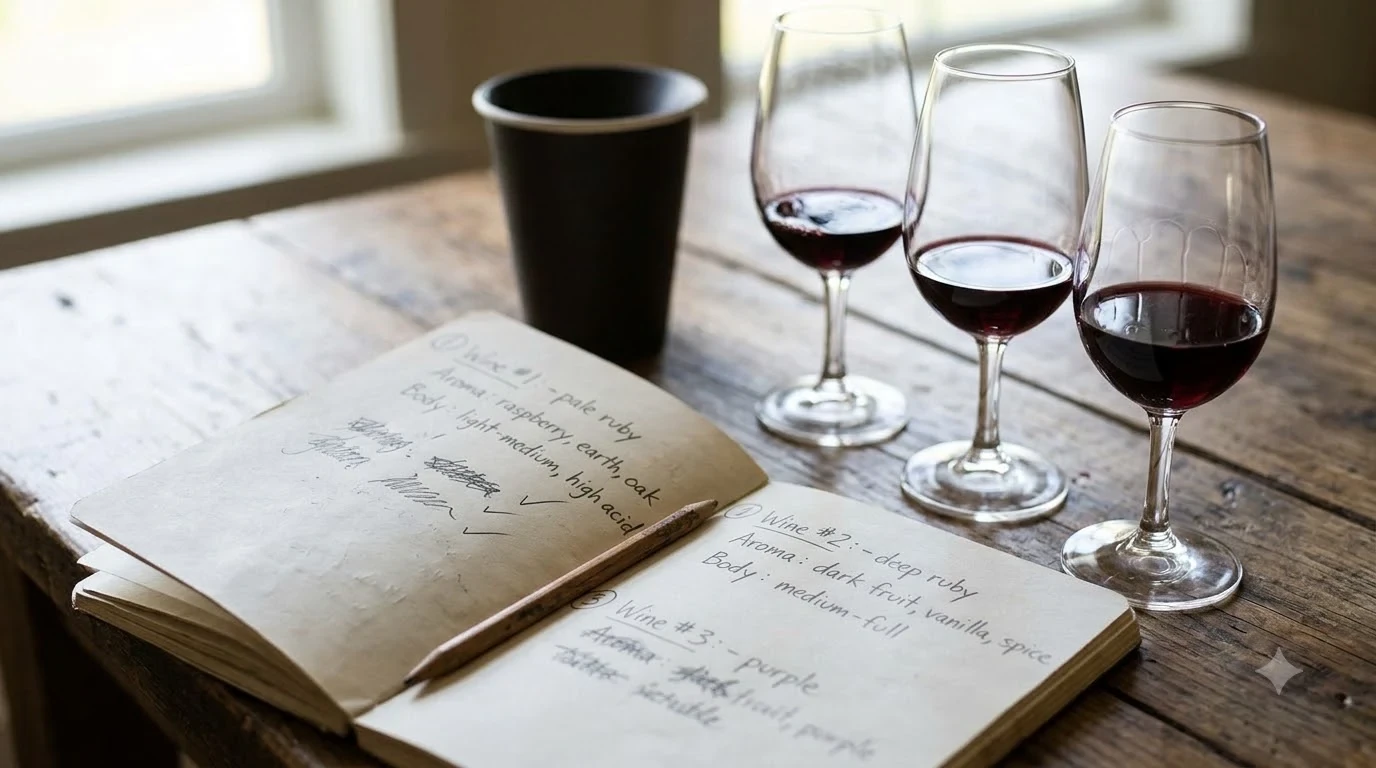
Record the producer, variety, vintage, acidity, tannin, body, and a few aroma impressions in a notebook or phone. Simple words such as citrus, herbs, red berries, spice, and earthy notes are enough; note a food pairing, too.
Tip: Ask for the lightest-bodied wine first and the firmest red last. If you plan to buy a bottle, taste it with food when possible before deciding whether its acidity, tannin, and weight fit the meals you usually cook.
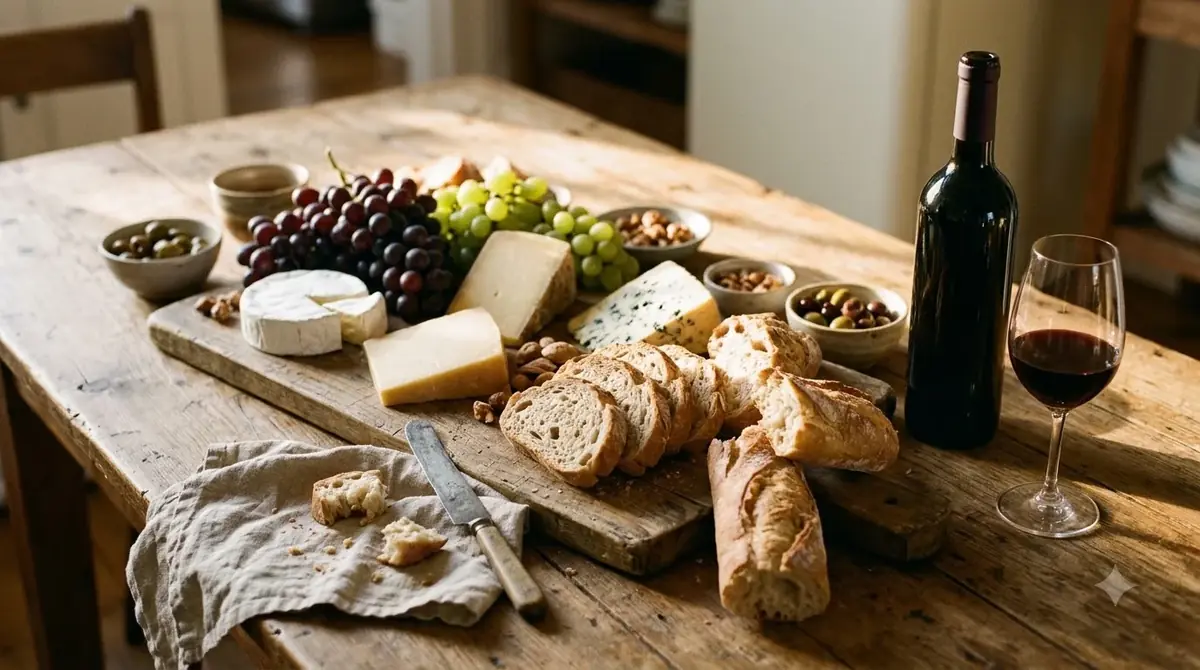
Pair a bright Sauvignon Blanc or Viognier with grilled vegetables, fresh goat cheese, or trout with lemon. Their acidity cuts through oil and complements citrus or herb seasoning. A richer white can suit roast chicken or creamy pasta, while a medium-bodied Grenache can work with grilled pork, tomato-based dishes, and charred vegetables.
Syrah and Petite Sirah can match lamb, grilled beef, barbecue, or other savory dishes with browned edges. Cabernet Sauvignon is generally more tannic, so pair it with a substantial dish such as grilled steak rather than delicate white fish. For a softer red, try Merlot or Pinot Noir with roast poultry, mushrooms, or a simple burger.
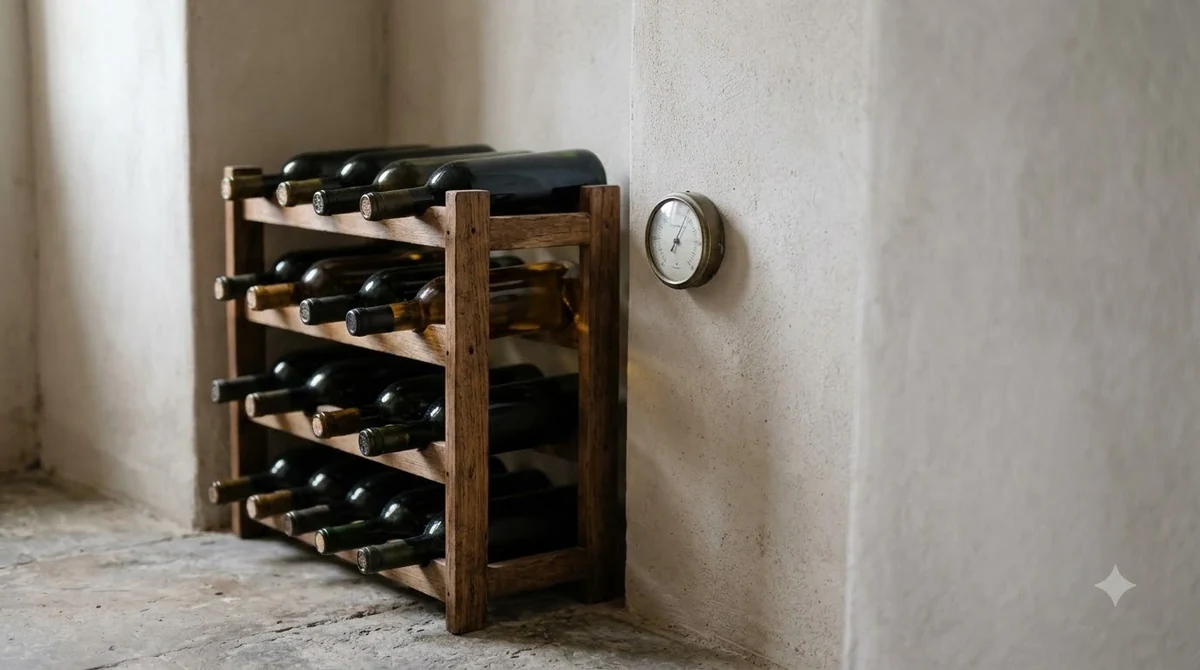
Serving temperature changes how a wine feels. Light whites and rosés are best around 45 to 50 degrees Fahrenheit, full-bodied whites around 50 to 55 degrees, light reds around 55 to 60 degrees, and fuller reds around 60 to 65 degrees. If you take a bottle to your lodging, keep it out of direct sun and do not leave it in a hot vehicle.
A standard 750-milliliter bottle yields about five 5-ounce glasses. Refrigerate opened still wine promptly and aim to finish it within three to five days. Sparkling wine usually has a shorter useful window, about one to three days with a proper stopper. A young, full-bodied red that feels tight may benefit from 30 to 60 minutes in a decanter before dinner.
Frequently Asked Questions
Does Utah have an American Viticultural Area?
Utah has no federally recognized American Viticultural Area, according to Wine Enthusiast’s overview of the state’s emerging wine industry. The Utah Wine Trail is a tourism route created by participating wineries, not an AVA designation. A trail membership does not define a single legally delimited growing region.
What was southern Utah’s historic wine called?
Wine made in the Virgin River area was often called “Dixie wine,” using the regional nickname for Utah’s Dixie. The name connected the wine with early agricultural settlements around St. George. It became part of the region’s trade with miners, trappers, settlers, and travelers.
How extensive was grape growing in Utah in the nineteenth century?
Wine Enthusiast cites 544 acres of vines in Utah in 1875 and an estimated yield of about 1,500 gallons per acre. Those figures show that wine once had a commercial role in southern Utah rather than being only a household or religious product. The later decline interrupted that local tradition for generations.
Can I add a winery visit in Moab to the same vacation?
Yes, but Moab is a separate destination rather than one of the five member stops on the southern Utah Wine Trail. Spanish Valley Vineyard & Winery, also known as Moab Winery, lists hours of 2 p.m. to 7 p.m. and is closed Mondays. It is a possible addition to a Moab or Arches National Park trip, not a quick detour from the St. George cluster.
What is Utah’s legal blood-alcohol limit for drivers?
Utah’s DUI limit is 0.05 percent blood alcohol concentration, and the state says the rule applies to vehicles and bicycles. The number is not a planning target: alcohol affects people differently, and a tasting itinerary is best paired with a designated driver or hired transportation. Do not drive after drinking.
The southern Utah route offers a distinctive way to explore a young wine scene alongside volcanic landscapes, red-rock country, and the Zion area. Confirm each winery’s hours and appointment requirements, leave time for the drives, and treat the five-stop pass as a framework rather than a race. The best visit gives you time to ask questions, compare grapes, and enjoy the setting responsibly.
More in Wine Regions
 Willcox Wine Trail: Discover Arizona’s High-Elevation Wine CountryUpdated Nov 20, 2026
 Yakima Valley Wine Region: Find the Best Styles to TryUpdated Nov 20, 2026
 Vosne Romanee Wine Tasting: Identify Aromas and Choose Better PairingsUpdated Nov 20, 2026
 Yakima Valley Wine Festival: Find the Best Seasonal Wine EventsUpdated Nov 20, 2026
 Wales Vineyards: Discover Cool-Climate Wines and Where to VisitUpdated Nov 20, 2026
 Yountville Wine Festival: Discover Napa Wines and Local FoodUpdated Nov 20, 2026