

We may earn a commission when you buy through links on this page, at no extra cost to you. Learn more.
When asking is dornfelder sweet or dry, the direct answer is that this German red wine can be either, ranging from bone-dry to sweet depending on how the winemaker handles fermentation. While traditional dry versions labeled Trocken deliver crisp acidity and dark berry notes, many bottles exported to the United States are off-dry or sweet to balance the grape’s natural tartness. Checking the German sweetness terms on the front or back label is the fastest way to predict what is inside the bottle.
Dornfelder stands out among German wines because most wine drinkers associate Germany with crisp white varieties rather than deeply pigmented reds. Understanding how this modern grape behaves in the cellar helps explain why two bottles sharing the same grape name can taste completely different at the dinner table.
What It Is
Dornfelder is a dark-skinned red wine grape created in Germany in 1955 to bring deep color and structure to German red blends. Today, it is bottled primarily as a single-varietal wine across a wide spectrum of sweetness levels.
Plant breeder August Herold developed Dornfelder at the State Teaching and Research Institute for Viticulture and Fruit Growing in Weinsberg, located in the Württemberg region. He crossed two lesser-known varieties, Helfensteiner and Heroldrebe, to produce a grape with thick skins rich in anthocyanins, the natural pigments that give red wine its hue. Originally, growers planted it as a blending partner to darken pale red wines made from Spätburgunder (Pinot Noir) and Portugieser.
Over the decades, winemakers realized the grape had enough character, fruit intensity, and vibrant acidity to stand on its own. According to the German Wine Institute, Dornfelder quickly rose to become Germany’s second most widely planted red grape variety, trailing only Spätburgunder. Unlike older European grapes that evolved over centuries, Dornfelder was purposefully engineered to ripen reliably in cooler northern climates while producing generous yields.
Because the grape retains brisk natural acidity even when ripe, winemakers have significant flexibility during vinification. Some ferment all the grape sugars into alcohol for a firm, dry table wine, while others halt fermentation early or add unfermented grape must to create a softer, fruit-forward profile. That winemaking choice is the exact reason drinkers encounter both crisp dry bottles and plush sweet bottles on retail shelves.
Flavor and Styles
Dornfelder pours a remarkably deep, inky purple-red and delivers concentrated aromas of sour cherry, blackberry, elderberry, and subtle floral violet notes. Its flavor profile shifts dramatically depending on the residual sugar left in the finished wine.
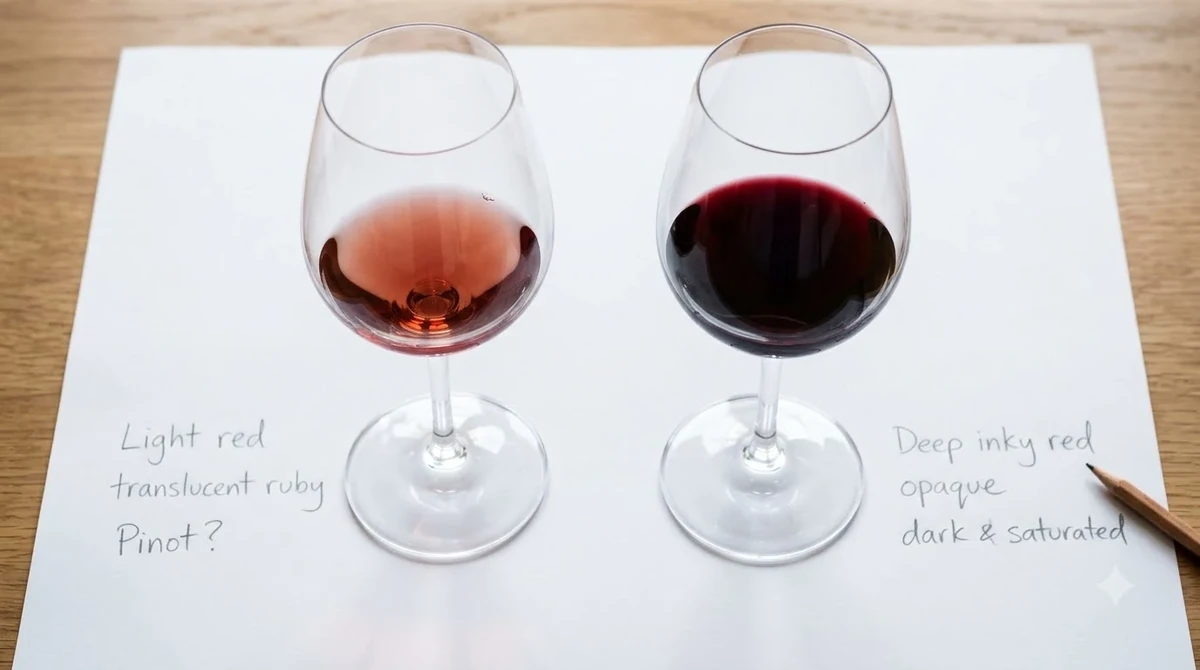
In its dry form, Dornfelder is medium-bodied with bright acidity, moderate tannins, and savory undertones of black pepper, damp earth, and tart plum skin. Reviewers at Wine Folly note that dry examples often show an herbal, slightly rustic edge alongside juicy dark fruit, making them feel closer to a cool-climate Syrah or rustic Merlot than a heavy Cabernet. When aged in oak barrels, dry Dornfelder picks up warm hints of baking spice, vanilla, and toasted cedar that smooth out its brisk acid backbone.
Off-dry and sweet versions lean heavily into the grape’s jammy, ripe fruit character. Leaving residual sugar in the wine softens the perception of tartness and transforms sour cherry notes into ripe black cherry, plum jam, and sweet blackberry compote. These sweeter bottlings also tend to have lower alcohol levels—often hovering between 8.5 percent and 11 percent ABV—because yeast converts less sugar into alcohol during fermentation.
| German Label Term | English Translation | Sweetness Profile | Typical Flavor Notes |
|---|---|---|---|
| Trocken | Dry | Dry (minimal residual sugar) | Tart cherry, blackberry, black pepper, herbal, earthy |
| Halbtrocken / Feinherb | Half-Dry / Off-Dry | Slightly sweet with crisp finish | Ripe plum, red currant, violet, balanced acidity |
| Lieblich | Medium-Sweet | Noticeably sweet and plush | Blackberry jam, sweet dark cherry, soft tannins |
| Süss / Sweet | Sweet | Richly sweet | Stewed berries, grape jelly, candied plum |
If you enjoy exploring how sweetness levels work across different bottles in the wine by type category, Dornfelder offers a fascinating case study. Much like asking is rose sweet or dry, the answer for Dornfelder depends entirely on regional tradition and the producer’s stylistic goals rather than a single rigid rule.
Where It Grows
Dornfelder thrives almost exclusively in Germany, where cooler growing conditions allow the grape to develop deep color and aromatic complexity without losing its signature acidity. Two neighboring regions in southwestern Germany account for the vast majority of production.
The Rheinhessen and Pfalz regions are the undisputed heartlands of Dornfelder cultivation. In Rheinhessen, rolling hills and sheltered valleys around towns like Ingelheim and Nierstein provide mild temperatures and varied loess, limestone, and sandstone soils that help the grape achieve full phenolic ripeness. Just to the south, the Pfalz region benefits from the protective rain shadow of the Haardt Mountains, giving vineyards extra sunshine hours that produce fuller-bodied, riper expressions of the grape.
Smaller plantings also exist in Württemberg, where the grape was invented, as well as in Baden, the Nahe, and the Ahr valley. Outside of Germany, experimental vineyards in England, Switzerland, and cool-climate pockets of the United States—such as New York’s Finger Lakes and Pennsylvania—have planted small acreage because the vine resists winter frost and fungal diseases well. Still, nearly every commercial bottle sold in American wine shops originates from Rheinhessen or Pfalz.
How to Serve
Serving Dornfelder at the right temperature keeps its bright fruit lively and prevents its natural acidity or sweetness from feeling out of balance. A slight chill works wonders across every style of this grape.
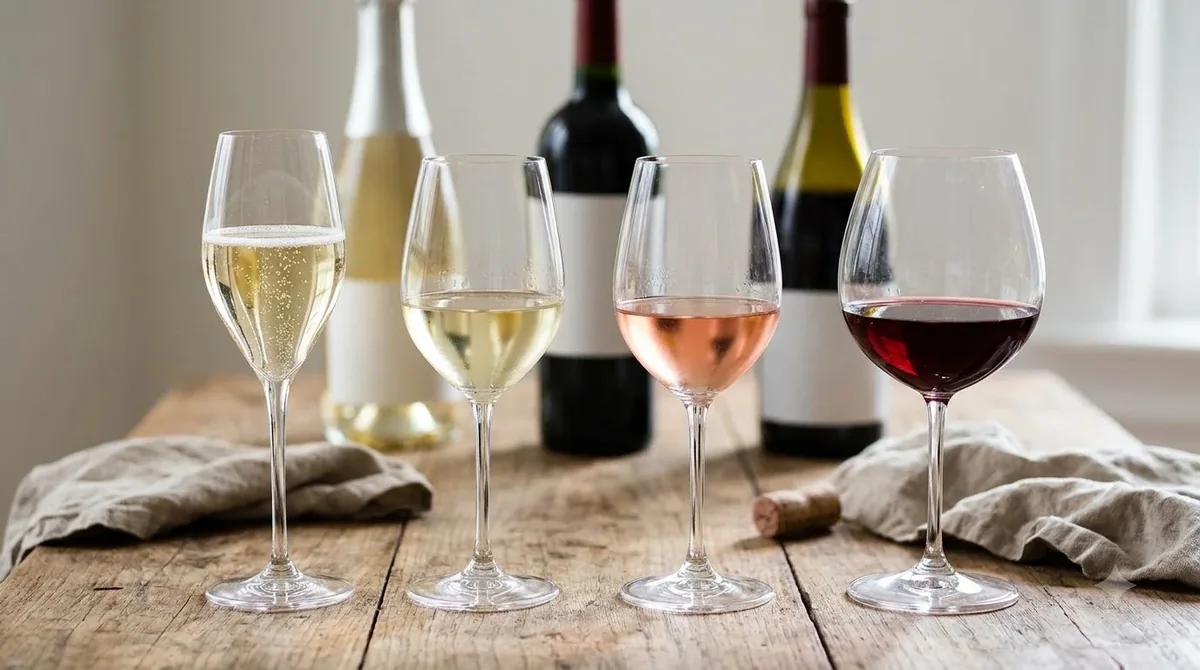
Dry Dornfelder shines best when served slightly cooler than room temperature, ideally between 58°F and 62°F (14°C to 16°C). Placing the bottle in the refrigerator for about 25 to 30 minutes before pouring tightens up the structure and highlights the fresh blackberry and floral aromatics. Serving dry Dornfelder too warm can make its brisk acidity taste sharp and flatten the mid-palate fruit.
Off-dry and sweet Dornfelder bottles benefit from an even colder pour, right around 50°F to 55°F (10°C to 13°C). Chilling sweeter red wines keeps the residual sugar from feeling heavy or syrupy on the tongue, giving the wine a refreshing snap similar to a chilled Lambrusco or Beaujolais. Standard universal red wine glasses with a medium-sized bowl give the aromas plenty of room to open up, and decanting is unnecessary except for rare oak-aged dry reserve bottles.
Tip: If you open a bottle of sweet Dornfelder and find it slightly richer than expected, pop it in the fridge for 20 minutes—a cooler temperature immediately dials back the perception of sweetness.
Food Pairing
Dornfelder’s high acidity and moderate tannins make it a versatile partner at the dinner table, provided you match the sweetness level of the bottle to the richness and spice of your meal. Savory, hearty dishes suit dry bottles, while spicy or smoky glazes pair effortlessly with off-dry styles.
Dry Dornfelder (Trocken) pairs naturally with traditional Central European comfort foods and roasted meats. Its bright cherry acidity cuts cleanly through the richness of roast duck, pork tenderloin, grilled bratwurst, and mushroom-stuffed pasta. Because the tannins are softer than those in Cabernet Sauvignon, dry Dornfelder also works well with semi-hard cheeses like aged Gouda, Gruyère, and Emmental without turning bitter.
Off-dry and sweet Dornfelder bottles excel alongside dishes featuring sweet-and-savory glazes or moderate chili heat. The touch of residual sugar cools the palate when eating sticky barbecue pork ribs, teriyaki-glazed salmon, spicy Korean fried chicken, or duck with cherry reduction sauce. Sweet Dornfelder can even bridge into dessert territory alongside dark chocolate mousse or a tart berry galette, though it remains far lighter than fortified wines.
How to Choose a Bottle
Reading a German wine label gives you reliable clues about whether a bottle of Dornfelder leans dry or sweet before you pull the cork. Paying attention to German terminology and alcohol percentages removes the guesswork in the wine aisle.
Start by scanning the front and back labels for official German sweetness indicators. Bottles marked Trocken are legally required to be dry, while Halbtrocken or Feinherb indicate an off-dry style with just a hint of sweetness. If the label reads Lieblich, Süss, or simply uses the English word “Sweet,” expect a lush, noticeably sweet red wine. Many American importers also print a small sweetness scale graphic on the back label to help shoppers avoid surprises.
When German terms are absent, check the alcohol by volume (ABV) printed in small type near the bottom of the label. As a general rule in cool-climate German winemaking, higher alcohol means less sugar remains in the wine. Bottles listing 12.5 percent to 13.5 percent ABV have fermented nearly all their sugar into alcohol and will taste dry. Conversely, bottles sitting between 8.5 percent and 11 percent ABV almost always retain noticeable residual sugar, similar to the way lower alcohol signals sweetness when comparing is moscato sweet or dry.
Frequently Asked Questions
Is Dornfelder sweeter than Pinot Noir?
In most cases, yes, especially among bottles imported into the United States. While Pinot Noir is almost always fermented completely dry, Dornfelder is frequently produced in off-dry (Feinherb) and medium-sweet (Lieblich) styles that highlight its jammy dark berry flavors.
How can I tell if a Dornfelder bottle is dry before buying it?
Look for the German word Trocken on the front or back label, which certifies that the wine is fermented dry. You can also check the alcohol content; bottles at 12.5 percent ABV or higher are typically dry, whereas bottles under 11 percent ABV usually contain residual sugar.
What does sweet Dornfelder taste like?
Sweet Dornfelder tastes like ripe blackberry jam, sweet black cherries, and dark plum compote, balanced by lively natural acidity so it never feels flat. It has soft, low tannins and an inky purple color that makes it look heavy even though it feels light and juicy on the palate.
Is Dornfelder considered a good wine for beginners?
Yes, off-dry and medium-sweet Dornfelder styles are very approachable for newcomers to red wine because they lack harsh tannins and bitterness. Those who already prefer dry reds can also enjoy Trocken Dornfelder as an affordable, fruit-forward everyday table wine.
Whether you prefer the brisk, earthy grip of a dry Trocken bottling or the plush, berry-rich charm of a chilled Lieblich style, Dornfelder rewards a quick glance at the label. Keep an eye on the ABV and German sweetness terms next time you browse the European aisle, and consider comparing it with other classic styles like is brut champagne sweet or dry to sharpen your palate for residual sugar.
More in Wine Types & Grapes
 Zinfandel Sugar Content: Dry Red vs. White Zinfandel GramsUpdated Nov 21, 2026
 Best Zinfandel Substitute Options for Sipping and CookingUpdated Nov 21, 2026
 Zweigelt Food Pairing: Best Dishes, Cheeses, and Serving TipsUpdated Nov 21, 2026
 Zinfandel Tannins Explained: How Structure Shapes Every BottleUpdated Nov 21, 2026
 Zinfandel Sweetness Level: Dry Red vs. Sweet White Zin ExplainedUpdated Nov 21, 2026
 Xinomavro Food Pairing: Best Dishes, Styles, and Serving TipsUpdated Nov 21, 2026