

We may earn a commission when you buy through links on this page, at no extra cost to you. Learn more.
Semillon wine is a white wine made from the Semillon grape, which was once the dominant white variety in Bordeaux. Young examples are typically dry, medium-bodied, and citrusy, while aged versions develop honey, nut, and toast notes. Oak and noble rot change the style dramatically, from crisp and lean to rich and sweet.
This guide explains where Semillon grows, how young and aged wines taste, how oaked and unoaked styles differ, and how to serve and pair the wine. It is written for drinkers who see Semillon on a list and want to know which bottle fits their taste.
Where Semillon comes from
Semillon is a white grape from Bordeaux in France, where it was once the leading white variety. Phylloxera and disease in the late nineteenth century sharply reduced its plantings, and the grape lost ground to other varieties in many places. Its story is still central to the region’s white wines, especially the dry whites of Graves and Pessac-Léognan and the sweet wines of Sauternes.
The grape also travelled. According to Wine Folly’s Semillon profile, the grape was introduced to Australia in the early nineteenth century, and it was once the most widely planted grape in South Africa before Chenin Blanc overtook it there. Those histories help explain why Semillon is now associated with several very different wine styles.
How young Semillon tastes
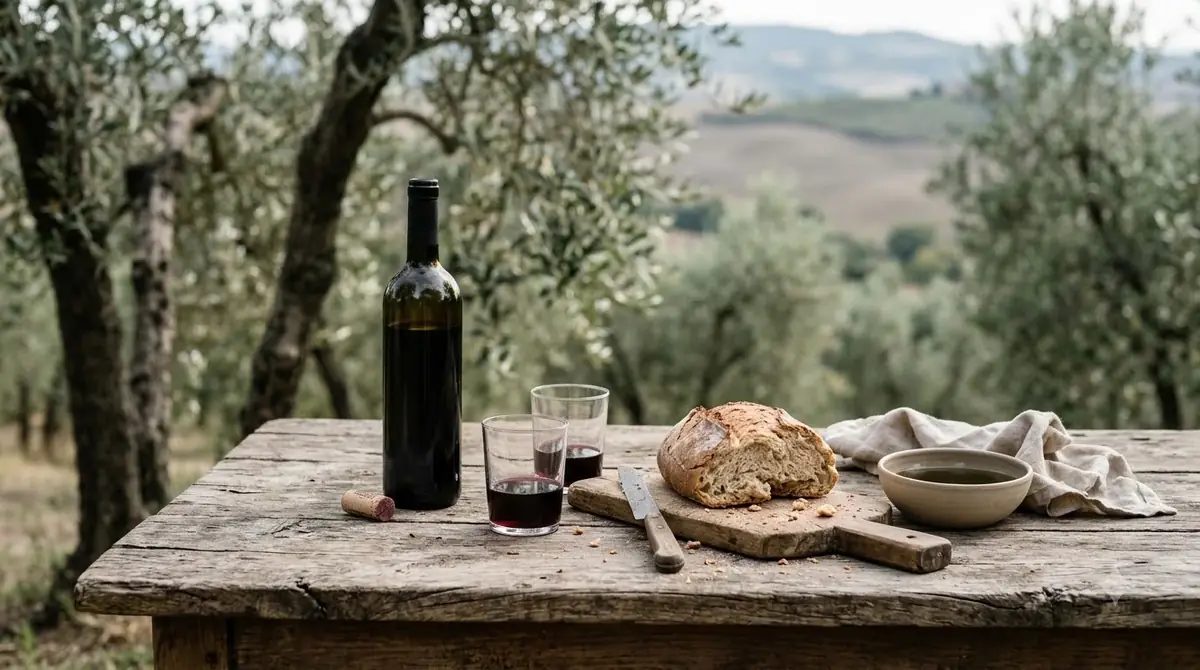
Young Semillon is typically dry, medium-bodied, and fresh, with medium acidity and no tannin. Wine Folly describes citrus, apple, lemon, peach, and chamomile as typical aromas, often joined by beeswax, lanolin, and floral notes. Some bottles show saline and dried-grass character, which adds a savory edge to the fruit.
Alcohol typically falls between 11 and 14 percent by volume. That moderate strength lets the citrus and acidity stay in front, which is why young Semillon often tastes refreshing and easy to drink. Its texture can feel slightly oily or waxy even when the wine is light, a trait that gives it more presence than its color might suggest.
Some young Semillon is compared with Riesling for its lean, crisp profile, especially from cooler sites. Others take on a richer character when they are blended or aged in oak. Reading the producer’s style notes is the fastest way to know whether a bottle will feel delicate or full.
How aged Semillon changes
With bottle age, Semillon moves toward honey, figs, toasted nuts, and hazelnut. Its texture becomes rounder, and some aged bottles start to resemble Chardonnay in style. Wines from the Hunter Valley in Australia, for example, can grow oily, nutty, and waxy as they age, which rewards patient drinkers.
Aging is not required for every bottle. Many dry Semillon wines are meant to be enjoyed within a few years, while the citrus and freshness are at their best. Cellaring potential depends on the style and the producer, so it helps to ask or check the label for vintage notes.
| Style | Typical character | Where you will see it |
|---|---|---|
| Young, unoaked dry | Citrus, apple, lemon, fresh and light | Bordeaux Blanc, young Hunter Valley wines |
| Oaked dry | Vanilla, toast, ripe apple, creamy texture | Graves and Pessac-Léognan |
| Aged dry | Honey, figs, toasted nuts, hazelnut | Mature Hunter Valley and Bordeaux whites |
| Sweet, noble rot | Apricot, honey, saffron notes | Sauternes and Riverina |
Oaked and unoaked Semillon
Oak changes Semillon more than almost any other choice a winemaker makes. Unoaked wines stay lighter and zestier, and Bordeaux Blanc often shows lemon, grassy notes, and passion fruit. Oaked wines pick up vanilla, toast, and spice, and their texture becomes fuller and more structured.
Graves and Pessac-Léognan are the best-known oaked Semillon styles. Wine Folly describes them as full-bodied wines with ripe apple, citrus, and pineapple, along with creamy notes from malolactic fermentation. Many drinkers compare them to white Burgundy, which makes them a good choice for anyone who likes Chardonnay with more texture.
Sauternes is the sweet counterpart. Its wines come from grapes affected by noble rot and show apricot, honey, and saffron notes. Those bottles can age for a very long time, which is why they are often kept for special occasions.
Where Semillon grows today
Wine Folly cites a 2021 University of Adelaide figure for total Semillon vineyard area of 46,191 acres, or 18,693 hectares. France holds the largest share, at 25,289 acres (10,234 hectares), followed by Australia at 11,258 acres (4,556 hectares). Those numbers show how important the grape remains in both countries, even though its popularity has shifted over time.
In Australia, the Hunter Valley produces dry, lean wines typically at 10.5 to 11.5 percent alcohol. Margaret River makes Bordeaux-style blends, and Riverina is known for noble rot wines. If you want to explore the grape beyond France, these Australian regions offer a clear contrast in style.
For a closer look at the grape itself, the semillon grape guide is a useful companion to this page. Read the two together to see how the grape’s character and the wine’s style connect from one region to the next.
Serving and aging Semillon
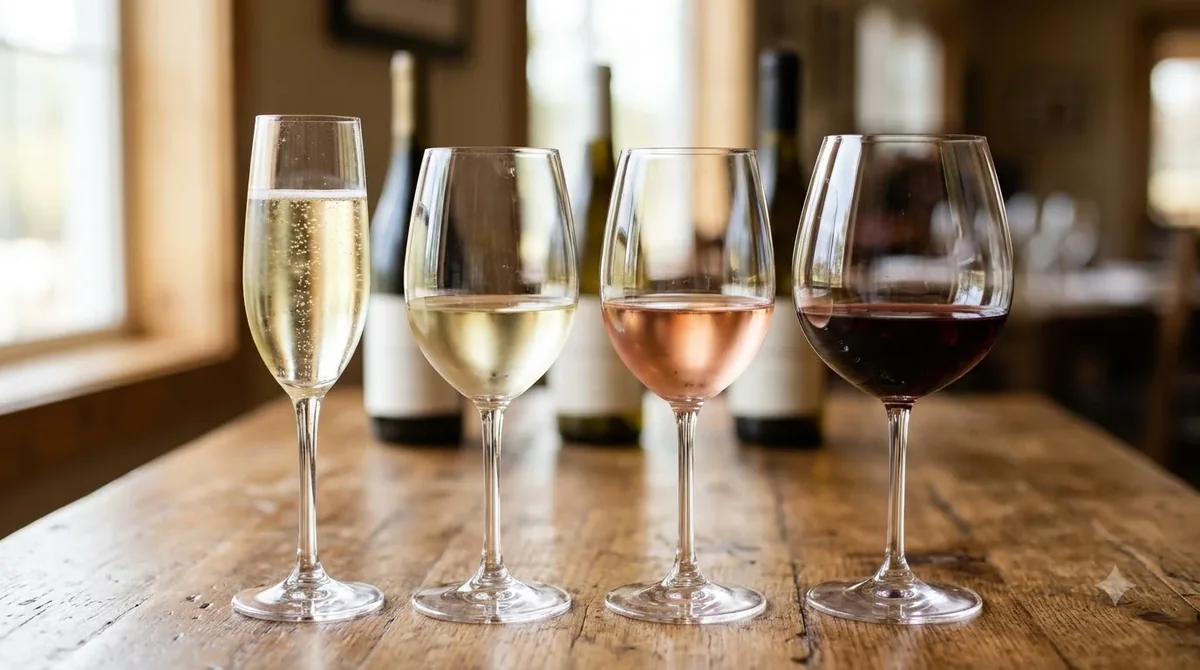
Serve Semillon at 45 to 55 degrees Fahrenheit, or 7 to 12 degrees Celsius, in a standard white wine glass. Decanting is usually unnecessary for dry styles, and the wine should be poured before it warms up too much. A slightly cool glass keeps the acidity lively and the fruit clean.
Dry Semillon is generally cellared for five to ten years, while sweet Sauternes-style wines can last ten to fifteen years, and sometimes longer in exceptional vintages. Those ranges are a guide rather than a promise, so tasting a bottle at different points is the best way to learn how a specific wine develops.
Food pairings for Semillon
Unoaked and lighter Semillon pairs well with salmon, mushroom risotto, shellfish, sushi, and goat cheese salads. The acidity cuts through oil and richness, and the citrus notes lift delicate seafood. Those are reliable choices for a casual meal or a warm-weather dinner.
Oaked styles suit roast chicken, creamy risotto, and dishes like Lobster Thermidor, where the wine’s texture matches the richness of the sauce. Sweet Sauternes-style wines are often paired with blue cheese or salted nuts, because the sugar and salt play off each other.
Choosing a Semillon bottle
Start with the label. A bottle that names Bordeaux Blanc or a Hunter Valley producer will usually point to a fresh, unoaked style. Names such as Graves or Pessac-Léognan signal a more structured, oaked wine that rewards a bit of time in the glass. Sauternes is always sweet, and it is usually sold in smaller bottles because a little goes a long way.
Think about the meal first. A crisp, unoaked Semillon is a good choice for an early dinner or a light lunch, while an oaked bottle suits a richer main course. If you are shopping for someone who likes Chardonnay, an oaked Semillon from Bordeaux is a logical next step, because its texture often feels familiar while the fruit profile stays distinct.
Frequently Asked Questions
Is Semillon wine sweet or dry?
Most Semillon is dry, especially from Bordeaux Blanc, Hunter Valley, and the oaked Graves styles. Sweet versions exist, notably Sauternes, which are made from grapes affected by noble rot.
What does Semillon taste like?
Young Semillon often shows citrus, apple, and lemon, sometimes with floral or waxy notes. Aged bottles develop honey, figs, and toasted nuts, and oaked versions add vanilla and toast.
Is Semillon similar to Sauvignon Blanc?
They are different grapes with different profiles. Semillon is usually softer and rounder, with more texture, while many Sauvignon Blanc wines are more aromatic and sharply acidic.
How should I serve Semillon?
Serve it chilled, around 45 to 55 degrees Fahrenheit, in a standard white wine glass. Dry styles rarely need decanting, while aged or oaked bottles benefit from a slightly warmer serve.
Semillon rewards both casual and careful drinkers. Start with a young dry bottle to learn the citrus and freshness, then try an oaked or aged style to see how the grape changes. The Wine by Type hub is a good place to compare it with other white wines.
More in Wine Types & Grapes
 Zinfandel Sugar Content: Dry Red vs. White Zinfandel GramsUpdated Nov 21, 2026
 Best Zinfandel Substitute Options for Sipping and CookingUpdated Nov 21, 2026
 Zweigelt Food Pairing: Best Dishes, Cheeses, and Serving TipsUpdated Nov 21, 2026
 Zinfandel Tannins Explained: How Structure Shapes Every BottleUpdated Nov 21, 2026
 Zinfandel Sweetness Level: Dry Red vs. Sweet White Zin ExplainedUpdated Nov 21, 2026
 Xinomavro Food Pairing: Best Dishes, Styles, and Serving TipsUpdated Nov 21, 2026