

We may earn a commission when you buy through links on this page, at no extra cost to you. Learn more.
Soave wine tasting reveals a dry, medium-bodied white wine led by Garganega, with fresh orchard fruit, citrus, white flowers, and a characteristic almond note. The best examples balance gentle fruit with a savory, stony edge, while hillside bottles from Soave Classico can show more detail and structure. Learning to read the label and compare the wine’s aroma, acidity, texture, and finish makes it easier to understand the region.
Soave comes from the hills east of Verona in Italy’s Veneto, but the name covers more than one growing environment and more than one style. A simple, refreshing DOC bottling, a concentrated Soave Superiore, and a sweet Recioto can all come from the same broad appellation. A focused tasting helps distinguish them without assuming that the most elaborate label is automatically the best choice.
Soave’s Hills and Its Place East of Verona
Soave is a white-wine appellation in the province of Verona, about 36 kilometers east of the city. Its vineyards cover plains, foothills, and steep slopes in parts of 13 municipalities, with Soave and Monteforte d’Alpone at the heart of the historic hillside district.

The landscape explains why two Soaves can feel different. The Consortium describes volcanic tufa and limestone outcrops, while Decanter also identifies alluvial deposits and clay among the Classico hills. Dark basalt can contribute a smoky, tangy impression; calcareous sites can give a broader mouthfeel and more evident fruit. These are clues rather than guarantees, since harvest date and cellar choices also shape the wine.
According to Decanter, the wider zone covers nearly 6,500 hectares, including about 1,400 hectares in Soave Classico. Slopes can range from 10 to 80 degrees. Higher, cooler sites tend to taste crisper, while lower slopes often give a rounder impression; note that difference when comparing two wines side by side.
Garganega and the Flavors to Look For
Garganega is the defining grape of Soave, and its naturally moderate-to-good acidity allows it to carry both fruit and savory detail. Expect a dry white with a medium body, a core of pear or melon, citrus and floral notes, and a finish that can recall almonds or herbs.
Soave DOC requires at least 70% Garganega, and many producers bottle it alone. Trebbiano di Soave is the traditional partner; Chardonnay is also permitted. Decanter notes that mid-October is a normal harvest reference and describes honeydew melon, pear, and light almond. Garganega is less sharply acidic than Vermentino, Verdicchio, Greco, or Fiano, so its appeal rests on freshness, texture, and a faintly bitter finish rather than piercing acidity.
Begin with broad aroma families rather than naming every scent. Pear, yellow apple, white peach, lemon peel, and melon are useful fruit markers; chamomile, elderflower, and acacia suggest a floral layer. A stony or smoky impression is a sensory description, not a literal flavor. On the palate, notice whether acidity keeps the fruit lively and whether an almond-like note remains after swallowing.
Wine Enthusiast’s review of Inama’s Vin Soave notes white flowers, orange peel, green herbs, green apple, pear, and salted almond. No bottle must show every aroma: vintage, site, and lees contact can shift the balance. For another lesson in identifying aromatic whites through acidity and scent, compare Soave with the styles in our Alsace wine tasting.
DOC, Classico, Superiore, and Recioto Labels
Soave labels identify both origin and production category, and those words tell you more than a grape name alone. The main terms to recognize are Soave DOC, Soave Classico DOC, Soave Superiore DOCG, and Recioto di Soave DOCG.
Soave DOC is the broad appellation and includes wines from the larger production area, much of it on flatter land. Soave Classico is reserved for grapes harvested and vinified in the historic municipalities of Soave and Monteforte d’Alpone. The Classico designation therefore points to a defined origin, not a guarantee of oak aging, a specific flavor, or a minimum bottle age. Soave Colli Scaligeri is another DOC sub-zone, referring to hills separate from the central Classico area. The Consortium’s Soave production rules set out the grape and geographic requirements in detail.
Soave Superiore carries the DOCG designation and is subject to stricter production parameters, including lower permitted yields and higher minimum alcohol levels. It can be labeled Superiore, Superiore Classico, or Superiore Riserva. Recioto di Soave is a different experience: the grapes are dried for months before pressing, concentrating sugars and flavors to make a sweet wine. It was the first wine in the Veneto to receive DOCG status, according to the Consortium. The regional naming system is worth understanding alongside other Italian appellations; our overview of Wine Regions explains how place names and category terms work across wine labels.
| Label term | Key requirement or meaning | What to expect in the glass |
|---|---|---|
| Soave DOC | At least 70% Garganega; up to 30% permitted blending grapes | Usually dry, fresh, medium-bodied |
| Soave Classico DOC | Grapes harvested and vinified in Soave and Monteforte d’Alpone | Place-driven range, often with added hillside detail |
| Soave Superiore DOCG | At least 70% Garganega; maximum permitted yield 10 metric tons per hectare | More concentrated, with at least 12% alcohol |
| Soave Superiore Riserva DOCG | At least 12.5% alcohol under the Consortium’s published rules | Typically a fuller, more developed expression |
| Recioto di Soave DOCG | Air-dried Garganega; grape-to-wine yield no more than 40% | Sweet, concentrated, and deeply flavored |
These numbers describe category rules rather than a quality ranking. A well-made Soave DOC can be more expressive than a poorly handled Superiore, and a Classico wine need not be heavier than a bottle from outside the historic zone. The most useful first question is what style you want: bright and uncomplicated, layered and structured, or sweet enough for dessert. A UGA, or Unità Geografica Aggiuntiva, is an additional geographic unit; Decanter reports 33 UGAs approved in 2019, including Fittà, Foscarino, and Froscà. These names offer precise origin clues, but do not replace judging the producer and wine.
How to Taste Soave from First Pour to Finish
A useful Soave tasting follows four stages: appearance, aroma, palate, and finish. Begin with the color and clarity, then look for the balance between fruit, acidity, body, and the gentle bitter-almond character that often distinguishes Garganega.
Most young Soave is pale straw to light yellow, sometimes with greenish reflections. Deeper gold can signal bottle age, ripe fruit, a richer style, or Recioto, but color alone cannot establish age or sweetness. Tilt the glass against a white background and note its apparent density.
Swirl gently and identify the dominant family: citrus, orchard fruit, stone fruit, flowers, herbs, or savory notes. A stainless-steel DOC may emphasize lemon, pear, and white flowers. A concentrated Classico or Superiore may add peach, honeyed hints, smoke, herbs, or deeper almond notes. Oak can add spice and roundness, but should not cover the grape and site.
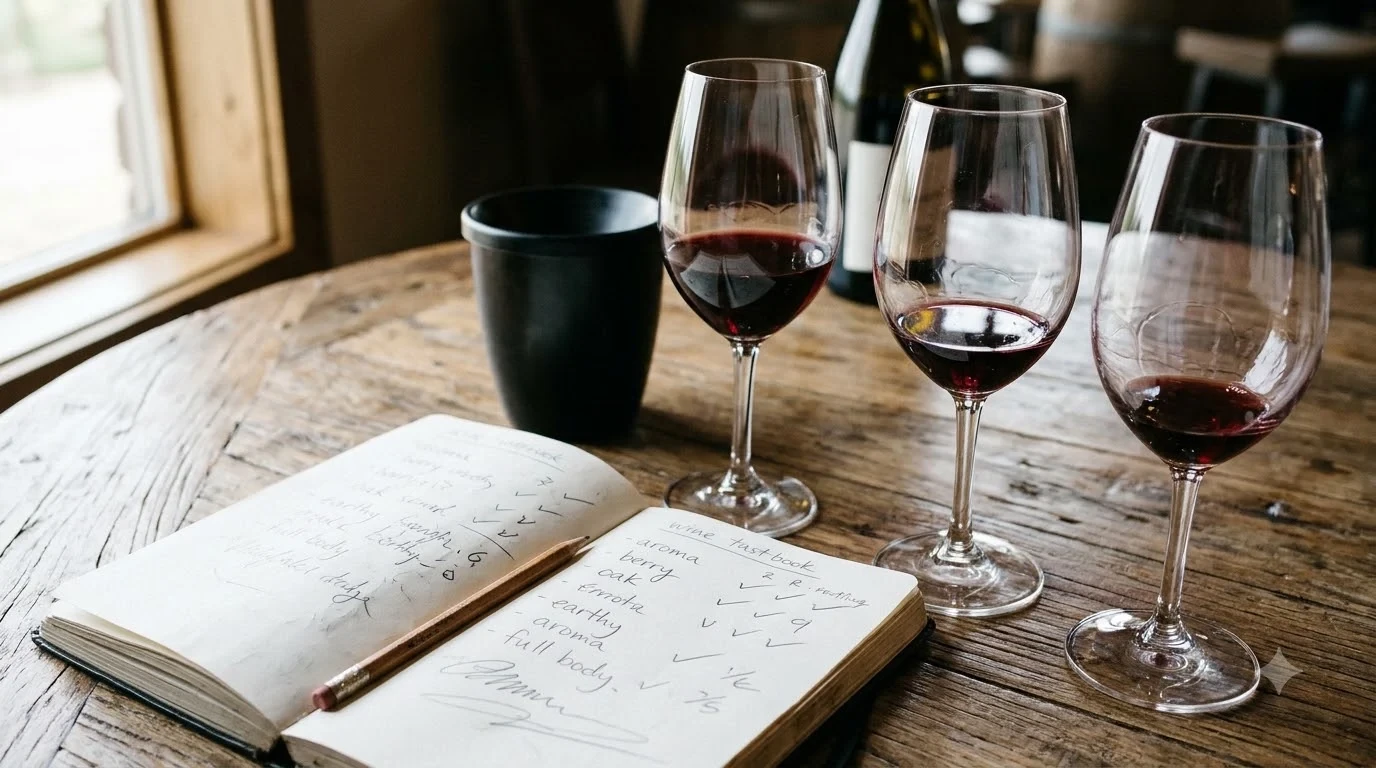
Take a modest sip and consider entry, middle, and finish separately. Does the fruit feel crisp or ripe? Does acidity refresh without feeling sharp? Is the texture light, medium, or broad? A long finish is the persistence of balanced fruit, freshness, and savory detail after the sip, not simply a powerful flavor. For a fair comparison, use the same temperature and glass shape. Record the first aroma, main palate impression, and finish for each sample. “Pear, medium body, almond finish” is more useful than a long string of uncertain descriptors. Give a very cold bottle a few minutes in the glass before judging its aroma.
Styles, Winemaking Choices, and Aging Potential
Soave ranges from brisk, early-drinking whites to layered wines with lees contact or oak, and the category name alone does not tell you which approach a producer used. Focus on the balance of fruit, texture, and freshness rather than assuming all Soave is a light aperitif.
Many everyday Soave DOC wines ferment and mature in stainless steel to preserve fruit and floral aromas, often showing citrus, pear, green apple, and a clean finish. Some producers extend contact with fine lees, the spent yeast cells left after fermentation. This can add creaminess, a fuller mid-palate, and subtle bread, biscuit, or nut notes without a pronounced oak flavor.
Oak-aged Soave varies by barrel size and age. Larger or older barrels can add texture and gentle spice while preserving Garganega’s character; new, small barrels can dominate if used heavily. Superiore often has more concentration because its rules set lower yields, but freshness should still balance the fuller texture.
Ageability depends on site, vintage, producer, structure, and storage. Decanter notes that some DOC wines gain aromatic complexity after a few years, while structured Classico and cru selections can reward longer cellaring. Drink a simple, fresh DOC young; keep a hillside wine only when its concentration and acidity suggest it can develop. For contrast between Italian whites and reds, our Bolgheri wine tasting considers body, tannin, and regional identity.
Serving Temperature and Food Pairings
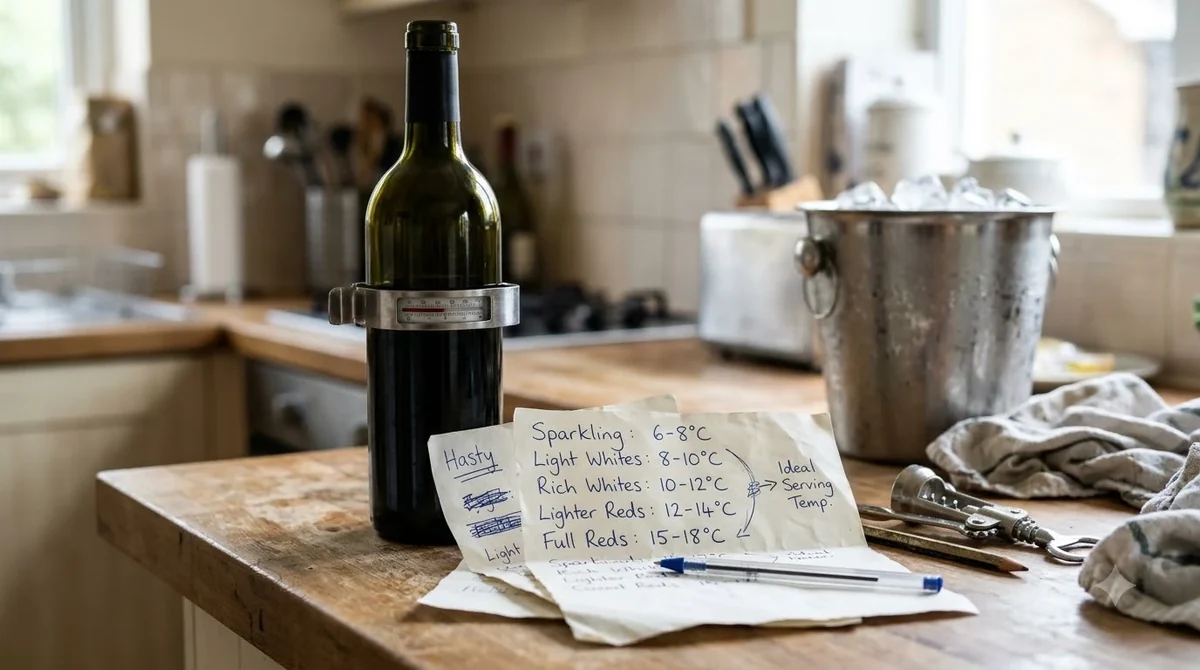
Serve most Soave slightly chilled, around 45–50°F, so its citrus, pear, floral notes, and refreshing acidity remain clear. Its medium body and gentle almond finish make it versatile with seafood, vegetables, poultry, and lighter cheeses.
Take a very cold bottle out of the refrigerator briefly before pouring. Too cold mutes aromas; too warm makes alcohol and ripe fruit more prominent. Use a white-wine glass with room to swirl and pour about 5 ounces. Keep the temperature consistent when comparing DOC, Classico, and Superiore.
Seafood is a natural match. Pair crisp DOC with grilled sole, shrimp, mussels, calamari, or seafood salad with lemon and olive oil. Its acidity refreshes the palate without overwhelming delicate fish. A richer Classico or Superiore can accompany seafood risotto, roasted cod, herb-roasted chicken, or mushroom pasta with Parmesan. Avoid very tannic reds with oily fish; Soave is a more comfortable choice for many fish dishes.
Soave also works with asparagus, zucchini, artichokes, peas, herb-forward risotto, and grilled vegetables. Soft cheeses, young goat cheese, mozzarella, and mild cow’s-milk cheeses suit its freshness. Salt and fat soften bitter or savory edges, so Parmesan, olive oil, or salty cured fish can make the almond finish seem rounder. Keep chili heat moderate: strong spice can amplify the impression of alcohol and overwhelm delicate aromas. Recioto di Soave belongs in a separate pairing lane because it is sweet rather than dry. Serve it with almond pastries, fruit tarts, biscotti, or blue cheese; the dessert should be no sweeter than the wine. A small pour shows its concentrated dried-fruit character, while a markedly sweeter dessert can make it seem thin and sour.
Tip: For a three-wine tasting, pour a fresh Soave DOC first, a Soave Classico next, and a Superiore or Recioto last. This order moves from lighter and drier toward richer or sweeter, making differences in texture and finish easier to notice.
Frequently Asked Questions
These quick answers cover points that often come up after a first tasting, from the meaning of the name to the best way to compare different bottles. Keep the label category, serving temperature, and tasting order in mind as you explore.
Does Soave have a sparkling version?
Yes. The Soave DOC production rules allow both still and sparkling wine, although the familiar style most people encounter is a still white. A sparkling Soave can be a useful aperitif option, especially when served at 40–50°F rather than the warmer range used for still white wines.
What does the word Soave mean in Italian?
Soave is commonly translated as “gentle” or “delicate.” The name suits the traditional image of a light, harmonious white, but it should not lead you to expect every bottle to be simple or low in concentration. Some hillside wines are structured and persistent.
Is Soave Superiore Classico the same as Soave Classico?
No. “Classico” identifies the historic growing area, while “Superiore” identifies a DOCG category with additional production requirements. A bottle labeled Soave Superiore Classico combines both ideas: it comes from the historic area and meets the Superiore rules.
Which glass works best for a Soave tasting?
A medium-sized tulip-shaped white-wine glass is a practical choice because its bowl allows swirling and its narrower rim directs aromas toward the nose. A large Burgundy bowl is unnecessary for most fresh DOC bottlings, while a small dessert-wine glass is suitable for Recioto. Use the same glass shape throughout a comparison flight.
How can I compare two Soave wines fairly?
Pour equal amounts, keep both wines at the same temperature, and taste them in the same order of lightest to fullest. Sip water and use a plain cracker between samples if the previous wine leaves a strong impression. Record one aroma, one texture observation, and one finish detail for each wine before deciding which you prefer.
Soave rewards attention to both grape and place: Garganega gives the wines their recognizable fruit and almond character, while soils, slope, and cellar choices shape their range. Start with a fresh DOC, compare it with a hillside Classico, and then try a Superiore or Recioto to see how far the appellation can stretch.
More in Wine Regions
 Willcox Wine Trail: Discover Arizona’s High-Elevation Wine CountryUpdated Nov 20, 2026
 Yakima Valley Wine Region: Find the Best Styles to TryUpdated Nov 20, 2026
 Vosne Romanee Wine Tasting: Identify Aromas and Choose Better PairingsUpdated Nov 20, 2026
 Yakima Valley Wine Festival: Find the Best Seasonal Wine EventsUpdated Nov 20, 2026
 Wales Vineyards: Discover Cool-Climate Wines and Where to VisitUpdated Nov 20, 2026
 Yountville Wine Festival: Discover Napa Wines and Local FoodUpdated Nov 20, 2026