

We may earn a commission when you buy through links on this page, at no extra cost to you. Learn more.
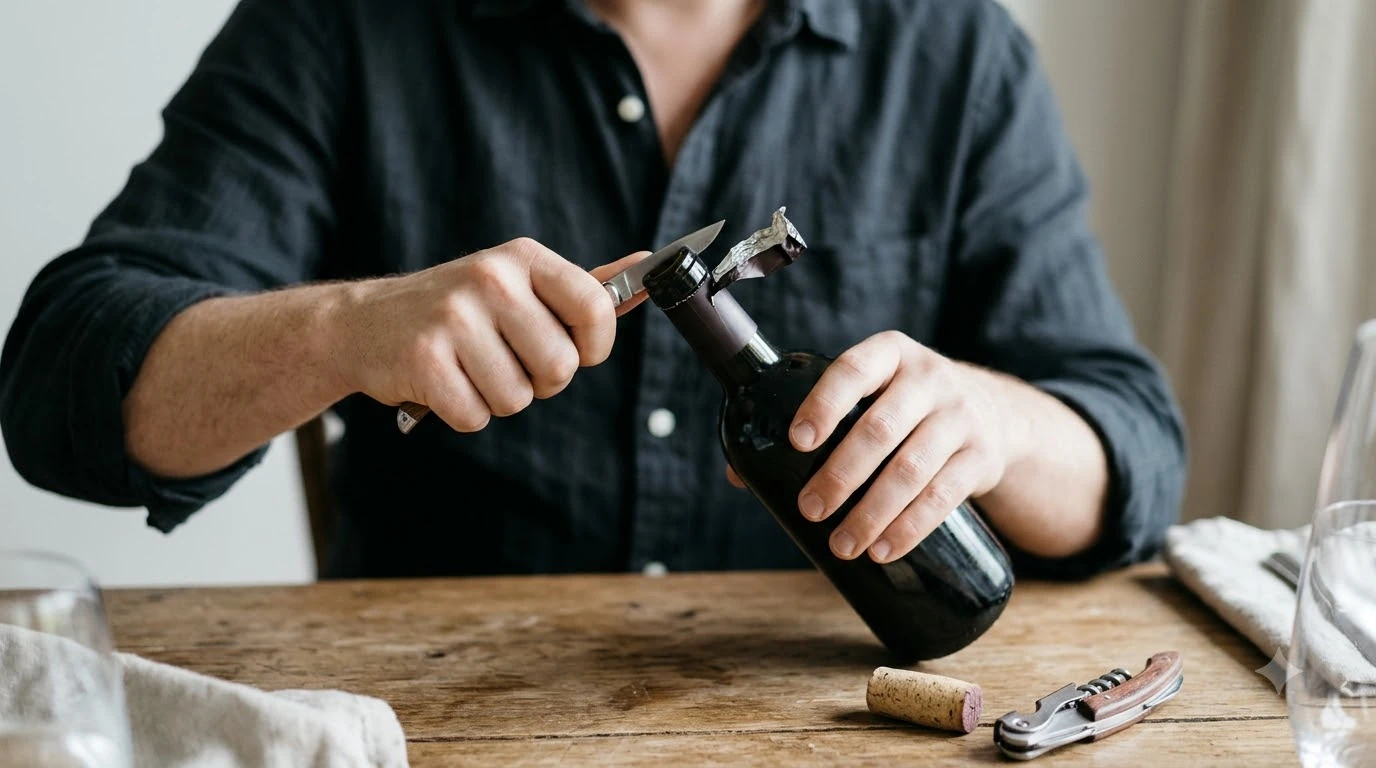
The short answer to “is cabernet sauvignon vegan” is sometimes, though many traditional bottles are not. While wine begins with grapes and yeast, winemakers frequently use animal-derived fining agents like egg whites, gelatin, or milk protein during clarification to soften harsh tannins and remove suspended particles. Because these processing aids are filtered out before bottling, producers rarely list them on the label, meaning vegans must look for specific certifications or verify cellar practices.
At first glance, red wine seems inherently plant-based, given that its primary agricultural input is crushed fruit. Yet cellar traditions developed over centuries rely on animal proteins to polish texture and clarity before a bottle ever reaches a retail shelf. Understanding how those additives interact with red wine—and which modern alternatives winemakers use instead—makes finding a plant-based bottle straightforward.
Why Some Cabernet Sauvignon Is Not Vegan
Cabernet Sauvignon is naturally rich in phenolic compounds and grape tannins, which can taste overly astringent or leave a young wine looking slightly hazy. To tame aggressive textures and achieve visual brilliance, winemakers often perform a clarification step known as fining prior to bottling.
During fining, a winemaker stirs a charged substance into the tank or barrel to bind with microscopic, oppositely charged particles such as yeast cells, grape skin fragments, and bitter tannins. Once these particles clump together and grow heavy, they sink to the bottom of the vessel as sediment, allowing the clear wine above to be racked off cleanly. Although the fining agent itself is removed alongside the sediment, trace residues can remain, and the use of animal derivatives disqualifies the finished wine from being vegan.
According to Wine Enthusiast, egg whites are one of the most traditional fining agents used for tannic red wines, as positively charged egg albumens bind directly to negatively charged tannins to soften mouthfeel. Gelatin, a protein derived from animal hides and bones, is also used in red winemaking to strip out harsh phenolics and smooth rough edges, making the resulting wine neither vegetarian nor vegan.
Other animal-based fining aids appear across the broader wine industry, though less frequently in bold reds. Casein, a protein isolated from milk, is occasionally used to remove oxidative taint or polish clarity, while isinglass—derived from fish swim bladders—and chitosan, sourced from crustacean shells, are primarily reserved for clarifying white wines. Because wine regulations in the United States and Europe classify fining agents as processing aids rather than ingredients, wineries are generally not required to print them on back labels.
Vegan Fining Alternatives and Unfined Wines
A Cabernet Sauvignon does not need animal products to taste balanced or look crystal clear in the glass. Producers committed to plant-based winemaking either rely on mineral and plant-derived fining agents or skip the fining step altogether.
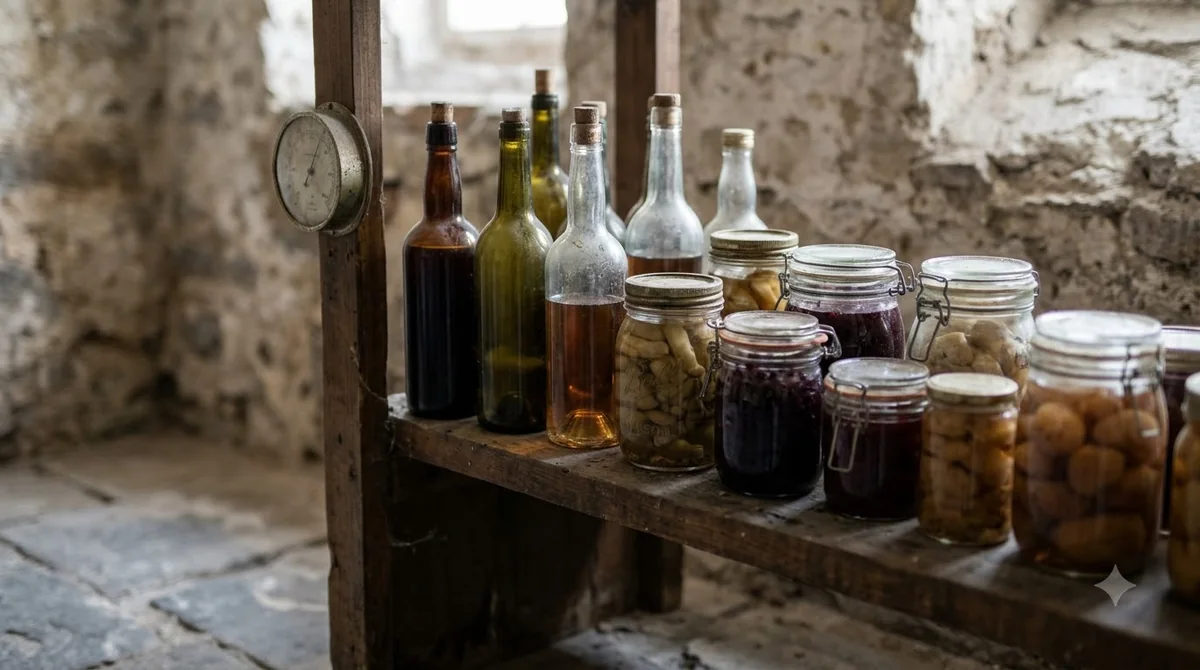
Bentonite, a naturally occurring purified clay with a negative electrical charge, is one of the most common vegan-friendly fining agents in modern cellars. While winemakers frequently use bentonite to stabilize proteins in white and rosé wines, it also serves as an effective mineral clarifier in red wine production. Activated charcoal is another vegan option used selectively to strip away off-odors or excess color without introducing animal proteins.
Plant-based and synthetic alternatives have expanded rapidly in recent years. Winemakers can now fine red wines using proteins extracted from peas or potatoes, which mimic the tannin-softening behavior of egg whites and gelatin without animal involvement. Poly-vinyl-poly-pyrrolidone (PVPP), a synthetic, food-grade polymer, also binds to phenolic compounds to reduce bitterness and is widely accepted as vegan-friendly.
Many small-production and low-intervention wineries avoid fining completely, allowing gravity and extended barrel aging to settle suspended solids naturally over time. As Wine Folly notes, wines that are left unfined and unfiltered—or clarified solely through sterile ceramic or cross-flow filtration—avoid animal-derived processing aids entirely, provided no animal byproducts were introduced elsewhere in the cellar.
Common Wine Fining Agents Compared
Knowing which clarification agents come from animal sources versus mineral or plant origins helps decode producer tech sheets and winery websites. The table below outlines the most frequent fining materials used in commercial winemaking and their dietary status.
| Fining Agent | Source Material | Primary Purpose in Wine | Vegan Status |
|---|---|---|---|
| Egg Whites (Albumen) | Chicken eggs | Softens harsh red wine tannins | Not vegan (vegetarian) |
| Gelatin | Animal hides and bones | Reduces astringency and bitter phenolics | Not vegan or vegetarian |
| Casein | Dairy milk protein | Clarifies and removes oxidative notes | Not vegan (vegetarian) |
| Isinglass | Fish swim bladders | Clarifies white wines and adds brilliance | Not vegan or vegetarian |
| Chitosan | Crustacean shells | Removes excess color and phenols | Not vegan or vegetarian |
| Bentonite | Purified mineral clay | Binds unstable proteins and clarifies | Vegan |
| Pea or Potato Protein | Plant legumes and tubers | Softens tannins in red wines | Vegan |
| Activated Charcoal | Carbonized plant matter | Strips off-flavors and excess pigment | Vegan |
| PVPP | Synthetic polymer | Absorbs bitter phenolics and color | Vegan |
Organic, Biodynamic, and Natural Labels Explained
Shopping for vegan wine often leads to confusion around eco-certified labels, since terms like organic, biodynamic, and natural regulate farming and chemical inputs rather than animal-derived cellar aids. Understanding where these categories overlap—and where they diverge—prevents costly assumptions in the wine aisle.
Certified organic wine prohibits synthetic pesticides, herbicides, and chemical fertilizers in the vineyard, and in the United States, organic wine cannot contain added sulfites. However, organic certification standards still permit certain animal-derived fining agents, including egg whites and casein, meaning an organic Cabernet Sauvignon is not automatically vegan.
Biodynamic winemaking follows strict holistic farming rules governed by organizations like Demeter, treating the vineyard as a self-sustaining ecosystem. While many biodynamic producers favor minimal intervention and avoid fining in the cellar, traditional biodynamic agriculture relies on special herbal compost preparations packed inside animal horns or bladders, and fertilizers may incorporate bone meal. Strict vegans who avoid animal involvement at the agricultural stage often pass on biodynamic bottles for this reason.
Natural wine lacks a single legal definition, though producers in this category typically ferment with native yeasts and bottle their wines unfined and unfiltered. Because minimal-intervention winemakers rarely use gelatin or egg whites, natural Cabernet Sauvignon is frequently vegan by default, though verifying with the producer remains the safest approach.
How to Identify a Vegan Cabernet Sauvignon
Because ingredient labeling remains rare across the wine industry, finding a verified vegan bottle requires checking a few specific visual cues and reference tools. A quick scan of the label and a smartphone search usually provide a clear answer within seconds.
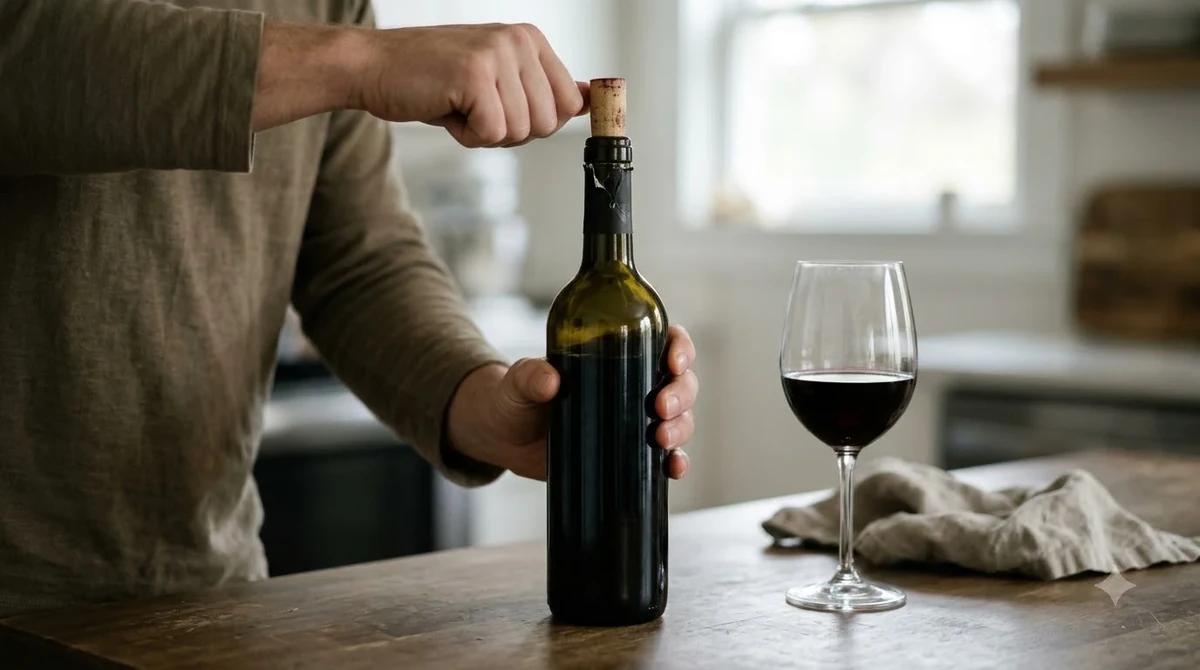
First, inspect the back label for an official vegan certification symbol, such as the Vegan Society trademark, BevVeg, or Certified Vegan logos, or simple text stating “suitable for vegans.” Many wineries in California, Washington, Australia, and Europe voluntarily print vegan declarations on their back labels even without third-party certification. You can also check whether the bottle notes “unfined and unfiltered,” which strongly suggests no animal clarifying agents touched the wine.
When a label offers no clues, crowd-sourced databases like Barnivore allow shoppers to look up thousands of wineries, importers, and individual cuvées to see direct email responses from producers regarding their fining practices. Checking the winery’s official website for downloadable technical sheets—often listed under trade or media resources—will also frequently reveal whether bentonite, plant protein, or egg whites were used during cellar aging. Exploring broader resources on Wine by Type can also help identify regions and styles where minimal-intervention winemaking is most common.
Tip: Look up a winery on Barnivore before shopping, and check the vintage year—producers occasionally switch between egg white fining and plant-based or clay alternatives from one harvest to the next.
Serving and Pairing Vegan Cabernet Sauvignon
Once you have selected a certified or verified vegan bottle, proper preparation and thoughtful food pairings bring out the grape’s dark fruit and savory structure. Vegan Cabernet Sauvignon tastes identical to conventionally fined bottles, offering classic notes of blackcurrant, black cherry, cedar, and baking spice.
Serving temperature and aeration play major roles in how those flavors express themselves. Pour Cabernet Sauvignon slightly below room temperature—around 60°F to 65°F—so the alcohol stays balanced and the fruit tastes fresh rather than jammy. Young, structured bottles benefit from exposure to oxygen before serving; reviewing a guide on how long to decant cabernet sauvignon helps determine whether a bottle needs thirty minutes or two hours to soften its tannins.
On the dinner table, bold red wine requires dishes with enough richness, salt, and umami to stand up to high tannins without making the wine taste bitter. Savory plant-based ingredients like roasted portobello or shiitake mushrooms, black lentils, grilled eggplant, and smoked tofu provide the hearty texture that Cabernet Sauvignon craves. For dessert, a square of dark, dairy-free chocolate pairs naturally with the wine’s ripe berry notes—learn more about matching textures and cocoa percentages in our guide to cabernet sauvignon with chocolate.
Frequently Asked Questions
Does vegan Cabernet Sauvignon taste different from regular Cabernet Sauvignon?
No, vegan Cabernet Sauvignon does not taste inherently different from conventionally fined wine. Flavor and structure come from the grapes, vineyard climate, fermentation, and oak aging rather than whether clay, plant protein, or egg whites were used to settle sediment. Both styles deliver the same full-bodied dark fruit, acidity, and tannin profile.
Are sulfites in Cabernet Sauvignon non-vegan?
Sulfites are completely vegan. Sulfur dioxide is a naturally occurring chemical compound produced during fermentation and added in small amounts as an antioxidant and preservative to keep wine fresh. It contains no animal products or byproducts.
Are all unfined and unfiltered wines automatically vegan?
Most unfined and unfiltered wines are vegan because they skip animal-derived clarification aids altogether. However, a small number of producers may still use animal-based fertilizers like bone meal in the vineyard or process wines on shared bottling lines, so checking the winery’s tech sheet or vegan statement provides complete certainty.
How should I store an unopened bottle of vegan Cabernet Sauvignon?
Store unopened bottles on their side in a cool, dark place with consistent temperatures around 55°F and moderate humidity to keep the cork from drying out. Vegan fining methods do not reduce shelf life, so properly stored bottles age just like traditional wines—check how long does cabernet sauvignon last unopened for specific cellar timelines.
Asking whether Cabernet Sauvignon is vegan comes down to how a winemaker clarifies the wine before bottling rather than the grapes themselves. By scanning back labels for vegan certifications, checking producer tech sheets, or leaning on minimalist unfined bottles, plant-based wine lovers can enjoy bold, age-worthy reds with complete confidence.
More in Wine Types & Grapes
 Zinfandel Sugar Content: Dry Red vs. White Zinfandel GramsUpdated Nov 21, 2026
 Best Zinfandel Substitute Options for Sipping and CookingUpdated Nov 21, 2026
 Zweigelt Food Pairing: Best Dishes, Cheeses, and Serving TipsUpdated Nov 21, 2026
 Zinfandel Tannins Explained: How Structure Shapes Every BottleUpdated Nov 21, 2026
 Zinfandel Sweetness Level: Dry Red vs. Sweet White Zin ExplainedUpdated Nov 21, 2026
 Xinomavro Food Pairing: Best Dishes, Styles, and Serving TipsUpdated Nov 21, 2026