

We may earn a commission when you buy through links on this page, at no extra cost to you. Learn more.
If you are wondering is burgundy sweet or dry, the answer is straightforward: nearly all Burgundy wine is dry, containing very little residual sugar. Both red Burgundy made from Pinot Noir and white Burgundy made from Chardonnay are fermented until almost all natural grape sugars turn into alcohol, typically leaving fewer than 4 grams of residual sugar per liter. Even when a bottle tastes lush with ripe cherry or baked orchard fruit, that impression comes from ripe grapes and oak aging rather than actual sweetness.
Shoppers often assume a wine named after a famous French region might carry a touch of honeyed sweetness, especially if they associate dark ruby reds or golden Chardonnays with jammy fruit flavors. In reality, Burgundy builds its reputation on crisp acidity, savory earthiness, and mineral tension rather than sugar.
What it is
Burgundy wine refers to any wine produced in the Bourgogne region of east-central France, where strict appellation rules govern grape varieties and winemaking traditions. Unlike New World bottles that put the grape name in large print on the front label, traditional Burgundy bottles display the place of origin, so a bottle labeled Chablis, Meursault, or Gevrey-Chambertin is still a Burgundy wine.
According to the official Bourgogne wine council, white wines account for 62 percent of regional production, red wines make up 29 percent, sparkling Crémant de Bourgogne represents 8 percent, and rosé accounts for the remaining 1 percent. Across every one of those categories, winemakers ferment the grape juice completely dry so the subtle differences between neighboring hillside plots shine through without sugar masking the soil character.
Because the region sits at a cool northern latitude, grapes ripen slowly and retain high natural acidity. Yeast consumes virtually all of the fructose and glucose in the grape must during fermentation, producing wines that feel brisk, focused, and mouthwatering from the first sip through the finish.
Flavor and styles
Red and white Burgundy share a dry profile, yet their textures, aromas, and weight on the palate vary dramatically depending on the grape and village. Understanding those stylistic differences helps explain why a dry Burgundy can taste lean and stony in one glass and plush and velvety in the next.
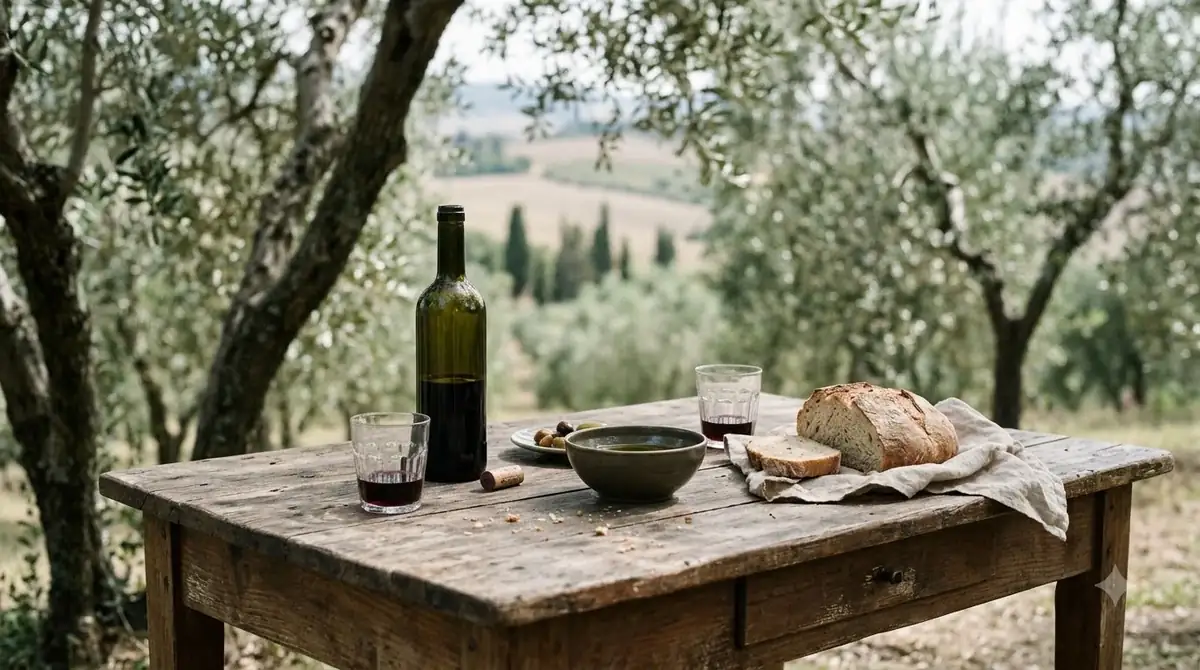
Red Burgundy is crafted almost exclusively from Pinot Noir, a thin-skinned grape that produces pale to medium ruby wines with high acidity, moderate alcohol, and fine, silky tannins. Rather than tasting sugary or heavy, a classic red Burgundy offers bright red cherry, wild raspberry, dried rose petal, and savory notes of forest floor, mushroom, and subtle baking spice.
White Burgundy relies primarily on Chardonnay, which covers 57 percent of the region’s vineyard surface area, alongside smaller plantings of crisp Aligoté at 6 percent. Unoaked whites from northern vineyards taste flinty and citrus-driven with green apple and wet stone, while barrel-aged whites from warmer slopes develop richer flavors of ripe pear, lemon curd, toasted hazelnut, and brioche while remaining completely dry on the tongue.
Sparkling Crémant de Bourgogne follows the traditional bottle-fermented method used in neighboring Champagne. Most bottles are labeled Brut, meaning dosage stays low enough that the wine tastes crisp and refreshing rather than sweet, though rare Demi-Sec versions offer a lightly off-dry finish for dessert pairings. If you enjoy comparing dry bubbles across regions, you can also explore is brut champagne sweet or dry to see how French dosage levels work.
| Burgundy Style | Primary Grape | Sweetness Level | Key Flavor Notes |
|---|---|---|---|
| Red Burgundy (Bourgogne Rouge) | Pinot Noir | Dry (typically under 4 g/L residual sugar) | Red cherry, cranberry, rose petal, forest floor, subtle spice |
| Northern White Burgundy (Chablis) | Chardonnay | Bone-dry to dry | Green apple, Meyer lemon, oyster shell, wet flint |
| Côte de Beaune White Burgundy | Chardonnay | Dry | Ripe pear, white peach, toasted hazelnut, vanilla, cream |
| Bourgogne Aligoté | Aligoté | Bone-dry to dry | Tart citrus, green plum, white blossom, crisp herbs |
| Crémant de Bourgogne Brut | Chardonnay and Pinot Noir | Dry (under 12 g/L dosage) | Crisp apple, lemon zest, brioche, fine mineral bubbles |
Wine educators at Wine Folly point out that human taste buds are far less sensitive to trace sugar than to bitterness or acidity, so drinkers often mistake ripe fruit aromas for sweetness. When you smell baked apple in a Meursault or ripe black cherry in a Pommard, your brain registers a sweet scent even though your palate experiences zero sugary stickiness.
Where it grows
Burgundy stretches along a narrow strip of limestone and marl hillsides in eastern France, running roughly from Auxerre in the north down to Mâcon in the south. Cool continental weather, cold winters, and moderate summers keep grape sugars balanced with brisk natural acidity, which is why winemakers rarely struggle with overly jammy or high-sugar harvests.
The region divides into five main winegrowing sub-regions, each putting a distinct stamp on dry Pinot Noir and Chardonnay. At the far north sits Chablis, where chalky Kimmeridgian soils filled with fossilized oyster shells yield razor-sharp, unoaked white wines. Further south lies the Côte d’Or, split between the red-focused Côte de Nuits and the white- and red-producing Côte de Beaune, where south- and east-facing slopes capture morning sunshine for fuller, more complex dry wines.
South of the Côte d’Or, the Côte Chalonnaise and the warmer Mâconnais produce supple Pinot Noirs and approachable, fruit-forward Chardonnays that still finish cleanly without residual sugar. To browse how these French appellations fit into the broader world of red, white, and sparkling styles, check out our guide to Wine by Type.
How to serve
Serving temperature plays a decisive role in how dry Burgundy tastes, because excessive warmth makes alcohol feel heavy while extreme cold mutes delicate fruit and emphasizes tannins. Treating red and white bottles to the right chill keeps their natural acidity lively and balanced.
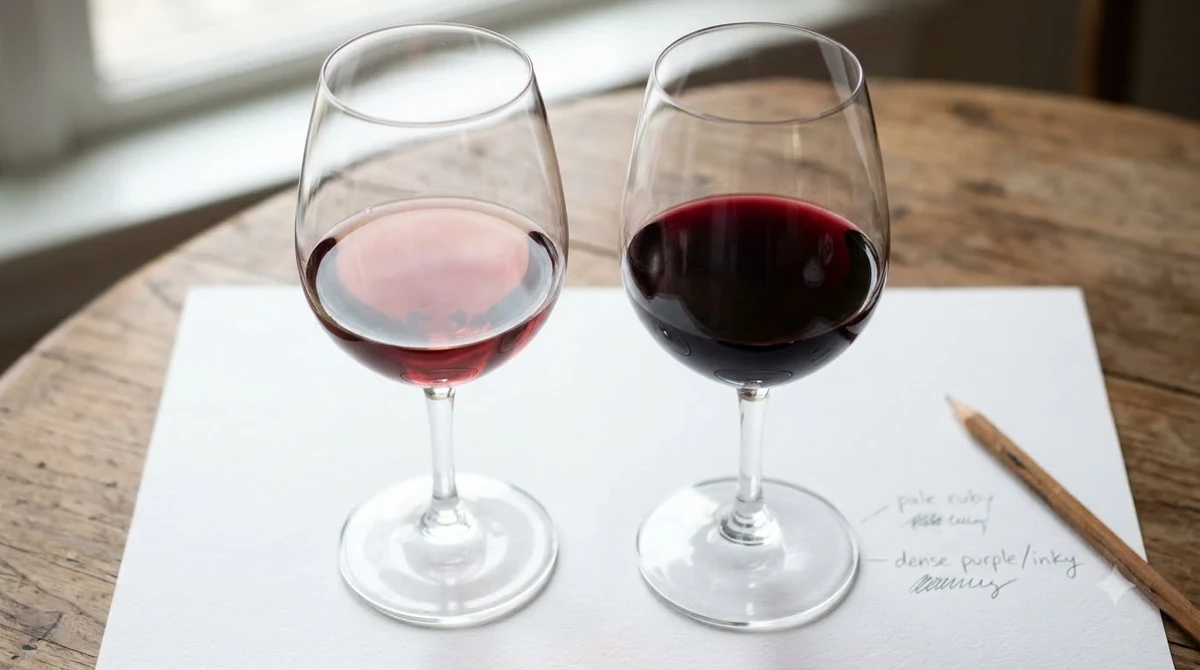
White Burgundy should never be served straight out of a freezing kitchen refrigerator. According to the Bourgogne wine council’s serving guidelines, lively whites like Bourgogne Aligoté show best between 50°F and 54°F (10°C to 12°C), while richer barrel-aged whites such as Côte de Beaune or Chablis Grand Cru open up between 54°F and 57°F (12°C to 14°C). Sparkling Crémant de Bourgogne shines colder, between 43°F and 46°F (6°C to 8°C).
Red Burgundy tastes noticeably fresher when served slightly below modern room temperature, ideally between 61°F and 63°F (16°C to 17°C). Giving a bottle of Pinot Noir fifteen to twenty minutes in the refrigerator before uncorking preserves its bright berry perfume and silky texture. Use a wide-bowled Burgundy glass for both reds and whites so the wine can swirl gently and release its floral and earthy aromatics.
Tip: Hold your wine glass by the stem rather than the bowl so the warmth of your hand does not push a cool red or white Burgundy above its ideal serving temperature.
Food pairing
Because Burgundy wines combine dry finishes with brisk acidity and moderate tannins, they rank among the most versatile dinner-table wines in the world. Acidity cuts through rich sauces and melted cheese, while earthy, savory undertones echo roasted meats and mushrooms without clashing with sweet glazes.
Red Burgundy pairs effortlessly with poultry, pork, and earthy vegetarian dishes that might be overwhelmed by heavier, higher-tannin reds. Classic pairings include roast chicken with herbs, duck breast, beef bourguignon, wild mushroom risotto, and grilled salmon. Because the wine lacks residual sugar, it elevates savory umami flavors rather than competing with them.
White Burgundy adapts to the weight of your dish depending on where it was grown. Crisp, unoaked Chablis is a natural partner for raw oysters, seared scallops, ceviche, and fresh goat cheese, while richer, oak-aged Côte de Beaune whites match lobster in butter sauce, roast turkey, creamy pasta, and aged Comté cheese.
How to choose a bottle
Navigating a Burgundy shelf becomes much easier once you recognize the region’s four-tier quality pyramid, which runs from broad regional blends at the base to single-vineyard Grand Cru bottles at the top. Regardless of which tier you pick, virtually every bottle on the shelf will dry.
Regional appellations make up roughly 52 percent of Burgundy’s output and carry straightforward labels like Bourgogne Rouge, Bourgogne Blanc, or Crémant de Bourgogne. They offer an accessible introduction to the region’s dry, acid-driven style for casual weeknight dinners. Village wines account for about 37 percent of production and take their names from specific communes such as Pommard, Volnay, Meursault, or Pouilly-Fuissé, delivering clearer regional personality and deeper concentration.
Premier Cru (10 percent of production) and Grand Cru (1 percent of production) wines come from top-rated hillside plots called climats and offer greater longevity and complexity. If you prefer wines with noticeable sweetness rather than dry mineral structure, you will want to look outside Burgundy toward styles covered in is moscato sweet or dry or compare lighter pink bottles in is rose sweet or dry.
Frequently Asked Questions
Is red Burgundy wine ever sweet?
No, traditional red Burgundy made from Pinot Noir is always fermented dry, leaving virtually no residual sugar. Even when a ripe vintage delivers lush cherry and raspberry flavors, the wine finishes crisp and savory rather than sweet. If you encounter a sweet red labeled Burgundy outside France, it is usually a generic jug wine unrelated to French Bourgogne.
Is white Burgundy sweeter than California Chardonnay?
White Burgundy is typically drier and higher in acidity than many entry-level California Chardonnays, which sometimes retain a few grams of residual sugar for a rounder mouthfeel. White Burgundy ferments completely dry and relies on lees stirring and French oak barrels for texture rather than sweetness. Even rich styles like Meursault or Puligny-Montrachet finish crisp and mineral-driven.
What does Bourgogne Blanc mean on a wine bottle?
Bourgogne Blanc is the regional French appellation for dry white wine made anywhere within Burgundy, almost always from 100 percent Chardonnay grapes. These bottles represent the entry tier of Burgundy’s quality classification and deliver bright apple, citrus, and subtle mineral notes. They are made in a dry style designed for everyday meals and light appetizers.
Can you find an off-dry or sweet wine from Burgundy?
Sweet wines are extraordinarily rare in Burgundy, as the region has no traditional dessert wine appellation like Bordeaux’s Sauternes. Your only reliable option for a touch of sweetness is an occasional bottle of Crémant de Bourgogne labeled Demi-Sec, which receives a slightly higher sugar dosage before corking. Otherwise, standard still red and white Burgundies are consistently dry.
Whether you uncork a flinty white Chablis or a silky red Pinot Noir from the Côte de Beaune, you can count on Burgundy to deliver a dry, food-friendly glass shaped by cool climate acidity and limestone soils. Knowing that the fruit flavors come from ripe grapes rather than sugar makes it much easier to pick the right bottle for dinner.
More in Wine Types & Grapes
 Zinfandel Sugar Content: Dry Red vs. White Zinfandel GramsUpdated Nov 21, 2026
 Best Zinfandel Substitute Options for Sipping and CookingUpdated Nov 21, 2026
 Zweigelt Food Pairing: Best Dishes, Cheeses, and Serving TipsUpdated Nov 21, 2026
 Zinfandel Tannins Explained: How Structure Shapes Every BottleUpdated Nov 21, 2026
 Zinfandel Sweetness Level: Dry Red vs. Sweet White Zin ExplainedUpdated Nov 21, 2026
 Xinomavro Food Pairing: Best Dishes, Styles, and Serving TipsUpdated Nov 21, 2026