

We may earn a commission when you buy through links on this page, at no extra cost to you. Learn more.
Austria wine is produced mostly in the east of the country, where Grüner Veltliner dominates the vineyards and Zweigelt is the most widely planted red grape. Lower Austria is the largest wine region, and its dry, high-acid whites are the style most often associated with the country. Burgenland adds structured reds and the sweet botrytised wines of the Neusiedlersee, so Austrian wine covers far more ground than many drinkers expect.
This guide covers the history of Austrian wine, the main regions and how they differ, the grapes that define the country’s style, and how to choose and serve a bottle. It is written for readers who want a clear starting point before exploring Austrian labels on a shop shelf or a restaurant list.
What Austrian Wine Is
Austrian wine is mostly white, and the most important white grape is Grüner Veltliner. According to Wine Folly’s page on the grape, it is Austria’s most important grape and is made in many styles, from light and zesty to full-bodied and age-worthy. The wines typically have very high acidity, and most are bone dry with little or no new oak.
Red wines are also an important part of the picture. Zweigelt is the most widely planted red grape, and Blaufränkisch, along with Austrian Pinot noir and Saint Laurent, gives the reds more structure. Austria’s reds are often lighter and fresher than the big reds of other warm regions, which makes them easy to enjoy with a simple meal.
A Short History of Austrian Wine
Grape growing in Austria goes back thousands of years, with viticulture developing under the Romans, the Church, and later under Habsburg-era trade and tax policy. Phylloxera in 1872 destroyed most vineyards, and the recovery brought in better varieties such as Grüner Veltliner in place of lower-quality grapes. In the twentieth century the industry became high-volume, and much of its wine was sold in bulk to Germany.
That changed after the 1985 diethylene glycol scandal, in which wines were illegally sweetened with a toxic antifreeze chemical. According to Wikipedia’s entry on Austrian wine, the scandal destroyed the market for Austrian wine, and its long-term effects were a shift toward dry white wines, a move up-market, and much stricter wine laws. Austria later adopted a system based on appellations and regional typicity after joining the European Union, and the industry has focused on quality ever since.
The Main Wine Regions
Nearly all of Austria’s vineyards are in the east. Lower Austria is the largest region, followed by Burgenland, Vienna, and Styria. Each area has a distinct character, which is why the region on a label matters as much as the grape name.
| Region | Where it is | What it is known for |
|---|---|---|
| Wachau | Lower Austria | Steep terraces and gneiss soils that produce powerful, age-worthy dry whites |
| Kamptal | Lower Austria | Dry to full-bodied whites, with Reserve bottlings at the top |
| Weinviertel | Lower Austria | Light-bodied, dry, spicy Grüner Veltliner that is easy to drink |
| Neusiedlersee | Burgenland | Sweet botrytised wines from the lake area |
| Mittelburgenland | Burgenland | Red-focused wines, especially Blaufränkisch |
| Südsteiermark | Styria | Aromatic whites with fresh acidity |
Vienna is unusual because it is the only European capital with a substantial wine-growing area inside its city limits. Its vineyards are planted on hillsides on the edge of the city, and many of them are known for Gemischter Satz, a field blend of several white grapes grown and harvested together. That tradition gives the city a distinct identity, and local taverns serving young wine are part of the everyday culture.
Styria, in the south-east, offers a different picture. Its whites are often brighter and more aromatic than those from the Danube valley, and the region has become known for fresh, lively wines that fit well with light lunches and outdoor meals.
Tip: On Wachau labels, look for the top-tier term Smaragd for the most concentrated dry whites. For a lighter, everyday style from the same family of grapes, Weinviertel is usually the easier pick.
Key Grapes and Styles
Grüner Veltliner is the grape most people think of first. Wine Folly describes its aroma as lime, lemon, and grapefruit, with green and herbal notes and the variety’s signature white pepper. Warmer Austrian sites add riper stone fruit, and the best examples show a clean, mineral finish. The style varies widely, so a light Weinviertel bottle and a full-bodied Wachau bottle can feel like different wines.
Zweigelt is Austria’s most widely planted red grape and a cross of Blaufränkisch and Saint Laurent. Wine Folly says it “tastes like Pinot Noir,” with red cherry, raspberry, and black pepper, and describes the wines as bright, tart, and fruity with medium-light body and low tannins. Riesling is another important grape, especially in the Wachau and Kamptal, where it shows a crisp, precise character.
How to Serve and Pair Austrian Wine
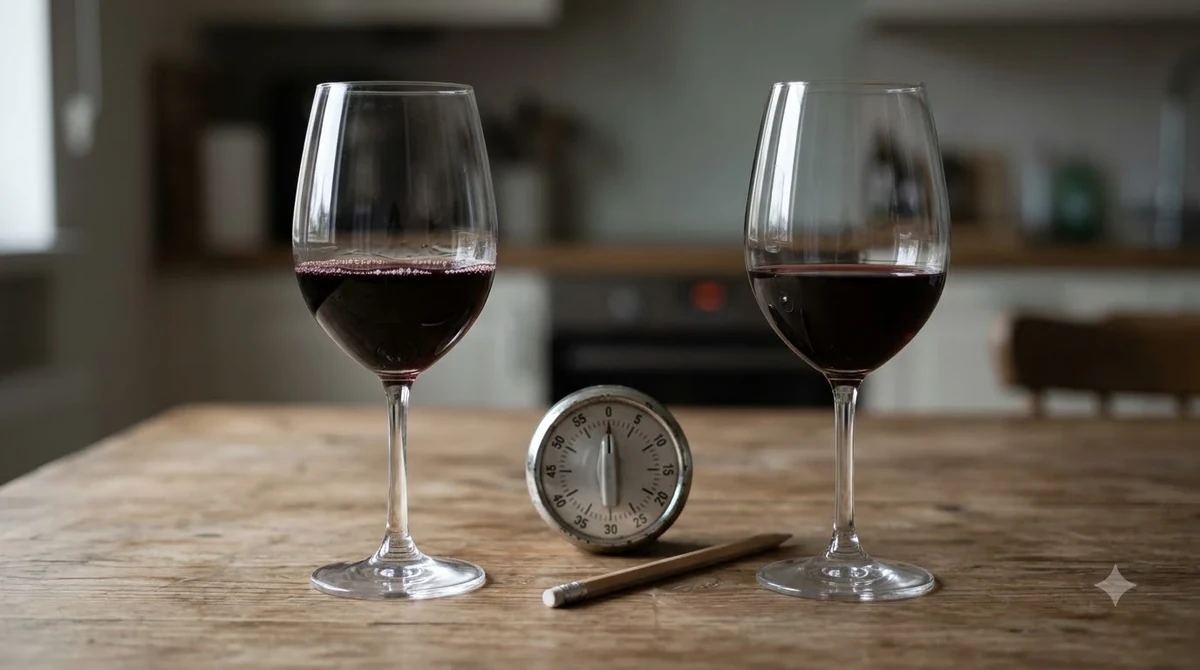
Serving temperature matters for Austrian reds. Wine Folly recommends serving Zweigelt at 55 to 60 degrees Fahrenheit (12 to 15 degrees Celsius) in an aroma collector glass, which keeps the fruit lively without making the wine taste thin. Decanting for about 30 minutes can help the aromas open up, and the same page notes that the wine can be cellared for three to five years.
For food, Austrian whites are versatile. Wine Folly says the traditional pairing with Wiener Schnitzel is a classic match for Grüner Veltliner, and it also suggests Tonkatsu or ramen for the wine’s acidity and spice. Aged versions work well with hard mountain cheeses. Zweigelt is a natural picnic wine, and it pairs with barbecue chicken, grilled sausages, and simple salads.
How to Choose an Austrian Bottle
If you are new to Austrian wine, start with a Grüner Veltliner from Lower Austria. A bottle from the Weinviertel gives you a bright, dry introduction, while one from the Wachau shows the same grape in a richer, more concentrated form. For reds, a Zweigelt is a friendly choice because it is fruity and easy to drink with food.
The quality terms on Austrian labels can look complicated, but they follow a logic. DAC wines are appellation wines that regional committees consider typical of their area. Prädikat wines are the top ripeness tiers, and the sweet categories are made from grapes picked at higher ripeness. Read the region and the grape first, and the rest of the label will make more sense.
Price is not a reliable guide to quality on its own, so it helps to ask a shop or sommelier which Austrian bottles they enjoy. A good retailer can explain whether a wine is a light, everyday white or a serious, age-worthy bottle, and that context is often more useful than the label alone. Austria’s small producers also tend to be happy to talk about their work, which makes the country an approachable place to learn.
Frequently Asked Questions
What is Austria’s most important grape?
Grüner Veltliner is Austria’s most important grape. It dominates the vineyards and is made in many styles, from light and zesty to full-bodied and age-worthy.
Does Austria make red wine as well as white?
Yes. Zweigelt is the most widely planted red grape, and Blaufränkisch is an important red in Burgenland. Austrian reds tend to be fresh and fruity, with lower tannins than many warm-climate reds.
What does Smaragd mean on an Austrian label?
Smaragd is the top tier of the Wachau’s dry-wine classification and refers to some of the most concentrated dry whites in the region. Look for it when you want a fuller, more age-worthy Grüner Veltliner or Riesling.
Is Austrian wine always dry?
No. Most dry styles are the core of the country’s reputation, but Austria also makes sweet wines, including the botrytised wines of the Neusiedlersee and the Prädikat styles from very ripe grapes.
Austrian wine rewards curiosity, and the range from crisp Weinviertel whites to structured Burgenland reds means there is always a new style to try. For more on how regions shape a wine’s character, browse our Wine Regions guides, or compare the style of a warm region in Arizona wine. For a grape-by-grape profile, see Wine Folly’s guide to Grüner Veltliner.
More in Wine Regions
 Willcox Wine Trail: Discover Arizona’s High-Elevation Wine CountryUpdated Nov 20, 2026
 Yakima Valley Wine Region: Find the Best Styles to TryUpdated Nov 20, 2026
 Vosne Romanee Wine Tasting: Identify Aromas and Choose Better PairingsUpdated Nov 20, 2026
 Yakima Valley Wine Festival: Find the Best Seasonal Wine EventsUpdated Nov 20, 2026
 Wales Vineyards: Discover Cool-Climate Wines and Where to VisitUpdated Nov 20, 2026
 Yountville Wine Festival: Discover Napa Wines and Local FoodUpdated Nov 20, 2026