

We may earn a commission when you buy through links on this page, at no extra cost to you. Learn more.
Monticello wine comes from the Monticello AVA, a Virginia wine region in the central Piedmont on the eastern slopes of the Blue Ridge Mountains. The area is known for Cabernet Franc, Chardonnay, and Viognier, and about 30 grape varieties are grown there. Its name comes from the nearby Monticello estate of Thomas Jefferson, and the wines reflect a warm, humid Virginia climate that is very different from the dry vineyards of the American West.
This guide explains where Monticello wine is made, what the main grapes taste like, how the region’s climate shapes its wines, and what to look for when you buy a bottle from Virginia’s central Piedmont.
Where the Monticello AVA is
The Monticello AVA lies in the central Piedmont region of Virginia. It includes most of Albemarle, Fluvanna, Greene, Orange, and Nelson counties, and it sits on the eastern slopes of the Blue Ridge Mountains. The AVA was established on January 23, 1984, and it was expanded into Fluvanna County in 2019, according to the Monticello AVA entry on Wikipedia.
Because the AVA covers a large area, the vineyards are spread across several counties rather than gathered in one valley. Many visitors find that the rolling hills, small farms, and tasting rooms make the area feel more like a countryside drive than a single wine route, and the mix of landscapes is part of what makes the region appealing.
Soil and climate in the Monticello region
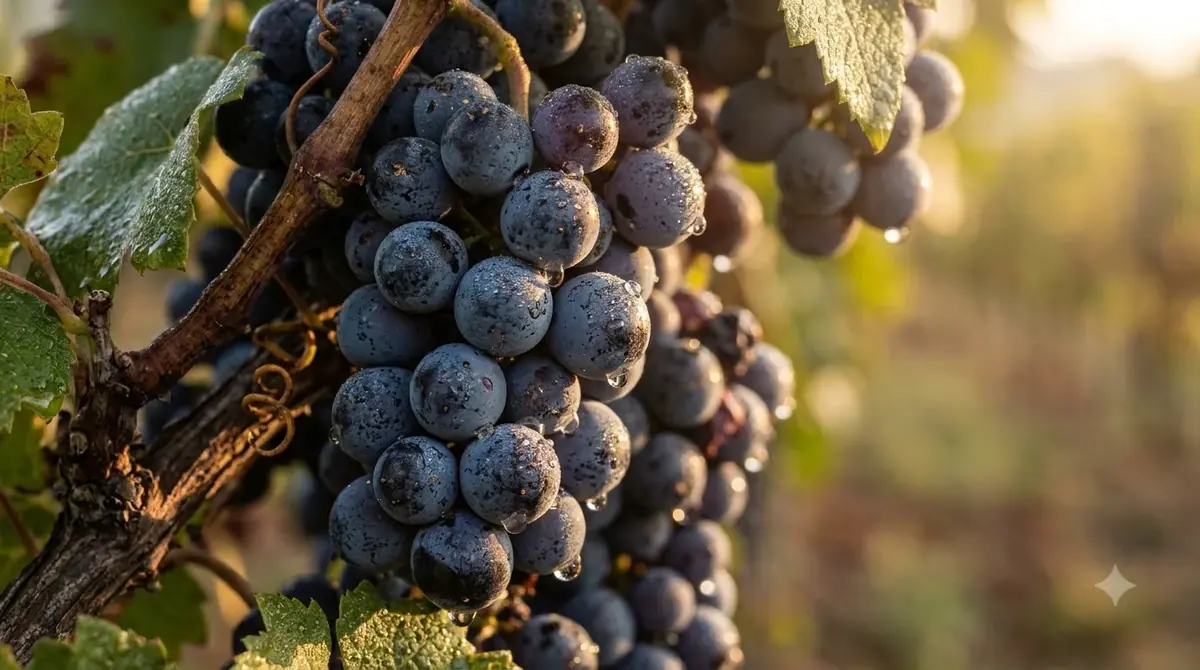
The soils in the AVA are described as granite-based clay loam, which holds moisture and gives the vines a different balance than the limestone or gravel soils found in many European regions. Annual precipitation in the area runs from about 39 to 44 inches, which is far wetter than most of the American West. That rainfall brings humidity during the growing season, and growers must manage disease pressure carefully.
The area is also described as running several degrees warmer than surrounding areas, and the growing season is long. Those conditions help late-ripening varieties reach full maturity, but they also mean that vineyard work in the summer requires attention to canopy airflow and spraying schedules. The climate is one of the main reasons Virginia wines often show fresh acidity and ripe fruit at the same time.
| Feature | Monticello AVA |
|---|---|
| Location | Central Piedmont, eastern slopes of the Blue Ridge |
| Established | January 23, 1984 |
| Main counties | Albemarle, Fluvanna, Greene, Orange, Nelson |
| Soil | Granite-based clay loam |
| Notable grapes | Cabernet Franc, Chardonnay, Viognier |
The main grapes of Monticello wine
Cabernet Franc is one of the signature reds of the area. It can show red fruit, herbal notes, and a savory edge, and it is often blended with Cabernet Sauvignon or Merlot in Bordeaux-style wines. Chardonnay is another important variety, and it ranges from crisp and mineral styles to richer, oak-aged versions. Viognier is the most aromatic of the three.
Viognier shows what the region can do with white wine. Wine Folly’s Viognier guide describes typical flavors of tangerine, peach, mango, and honeysuckle, with oak-aged versions adding vanilla and a hint of smoke. It is usually full bodied with an oily texture and medium-low acidity, so it can feel fuller than many whites from cooler regions.
Beyond these three, roughly 30 varieties are grown across the AVA. That breadth means producers choose different varieties for different sites, and that variety is part of the appeal for visitors who like to taste widely.
How Monticello wine tastes
Monticello reds often show a balance of ripe fruit and savory structure. Cabernet Franc can carry dark cherry, bell pepper, and graphite notes, while Bordeaux-style blends tend to be medium to full bodied. The humid climate can add a juicy quality to lighter reds, and skilled winemakers aim for a clean finish so the fruit does not feel heavy.
Monticello whites are more varied. A lean Chardonnay can show green apple and citrus, while an oaked version adds vanilla and toast. Viognier is generally richer and more floral, and it works as a good introduction for drinkers who like aromatic white wine. Because the region’s wines are made in many styles, the best way to learn them is to taste several bottles from different producers.
Tip: If you enjoy Viognier, look for a version that mentions the producer’s approach to oak. Lightly oaked bottles keep more of the fruit and florals, while heavily oaked styles add smoke and spice.
How to serve and pair Monticello wine
Serve Viognier chilled but not ice cold, in the range of 45 to 55°F (7 to 12°C), in a white wine glass. That temperature lets the aromatics show without making the wine feel heavy. Wine Folly suggests pairing Viognier with delicate meats, scallops with stewed fruit, and dishes flavored with citrus, almonds, or herbs such as tarragon.
Cabernet Franc suits roast meats, grilled vegetables, and hearty stews, and it pairs well with tomato-based dishes and aged cheeses. Chardonnay from the region is a good partner for roast chicken, pork, and creamy pasta. Match the wine’s weight to the dish: a lighter wine for delicate food, a richer bottle for dishes with sauce or char.
How to choose a bottle of Monticello wine
Start with the grape. If you like bright fruit and savory reds, look for a Cabernet Franc or a Bordeaux-style blend from the region. If you prefer white wine, a Chardonnay or Viognier will show the local character clearly, and each style can be fresh, rich, or somewhere in between.
Read the label for the county or the AVA name. A Monticello label tells you the grapes came from the designated region, which can help you compare wines that share a name but come from different parts of Virginia. Many producers also publish tasting notes on their websites, and it is worth reading them to see how the winemaker describes the style.
Shopping at the winery itself can be a good way to learn. Tasting rooms let you try several wines in one visit, and staff can often explain how the vineyard site and the climate shape each bottle. If you visit, plan for a few hours and try both a white and a red so you can see the range.
For a broader look at American wine areas, our Arizona wine guide shows how a dry desert climate produces wines that are very different from the humid Virginia style.
Frequently Asked Questions
What is Monticello wine known for?
Monticello wine is known for Cabernet Franc, Chardonnay, and Viognier. The AVA grows about 30 varieties, but these three are the most notable and the ones you will see most often on Virginia wine lists.
Where is the Monticello AVA?
The Monticello AVA is in the central Piedmont region of Virginia, on the eastern slopes of the Blue Ridge Mountains. It covers most of Albemarle, Fluvanna, Greene, Orange, and Nelson counties.
Why is the name Monticello used for this wine region?
The name comes from the nearby Monticello estate of Thomas Jefferson, which sits in the same part of Virginia. The AVA takes its name from the local landmark, and the region is widely associated with the history of wine in the state.
Is Monticello wine good for beginners?
It can be. A Viognier or lightly oaked Chardonnay is an approachable starting point, and a Cabernet Franc gives you a red with ripe fruit and savory notes. Tasting a few styles from different producers will help you find what you like.
Monticello wine rewards a curious palate. Start with a Viognier or a Cabernet Franc, then compare styles from different producers to see how the Virginia climate shapes each bottle. For more comparisons, our Wine Regions guide puts Virginia alongside other American areas, and our Monticello vineyards guide looks at the estates themselves.
More in Wine Regions
 Willcox Wine Trail: Discover Arizona’s High-Elevation Wine CountryUpdated Nov 20, 2026
 Yakima Valley Wine Region: Find the Best Styles to TryUpdated Nov 20, 2026
 Vosne Romanee Wine Tasting: Identify Aromas and Choose Better PairingsUpdated Nov 20, 2026
 Yakima Valley Wine Festival: Find the Best Seasonal Wine EventsUpdated Nov 20, 2026
 Wales Vineyards: Discover Cool-Climate Wines and Where to VisitUpdated Nov 20, 2026
 Yountville Wine Festival: Discover Napa Wines and Local FoodUpdated Nov 20, 2026