

We may earn a commission when you buy through links on this page, at no extra cost to you. Learn more.
Menage a Trois wine is a California brand, launched in St. Helena in 1996, that built its name on bold blends and later added white, rosé, and sweeter collections. The original wine combined Zinfandel, Merlot, and Cabernet Sauvignon, and the brand is now part of the Trinchero Family Estates portfolio. Its range is broad, so the taste of one bottle can differ a great deal from another.
Menage a Trois is one of the most recognizable wine names on American shelves, and it is also one of the most often misunderstood. Some drinkers expect a sweet bottle, others assume a full-bodied red, and many are not sure what the name means. This guide explains where the brand came from, how the range is organized, what to look for on the label, and how to decide whether it suits your table.
Where the Menage a Trois brand started
According to the producer’s own brand story, Menage a Trois launched in St. Helena, California, in 1996 with what the company calls a blend of three red varietals. The original wine fused Zinfandel, Merlot, and Cabernet Sauvignon, a combination that was unusual at the time for a mass-market label. Many people credit the brand with helping popularize the California red blend as a category, because it showed that blending several grapes could produce an approachable, fruit-forward wine.
The brand grew substantially after it was added to the Trinchero Family Wine and Spirits portfolio in 2004. That larger company gave the label wider distribution and allowed it to expand beyond red blends. The producer describes the brand personality as bold and adventurous, and that voice shows up in the names of its wines and in the flavor-first approach of most of its bottles.

How the Menage a Trois range is organized
The lineup has grown over time. Reds remain at the center of the brand, with blends and single-varietal wines such as Cabernet Sauvignon and Merlot. White and rosé wines were added later, including a Pinot Grigio, a Chardonnay, and a rosé. The brand also offers sweeter wines, such as its Dolce red and Moscato, which are part of a collection built around lighter, sweeter styles.
Because the range spans several categories, it helps to think of the brand as a family of wines rather than a single style. A red blend and a sweet Moscato under the same name will taste very different, and the label is the best guide to what is inside. Look for the wine type, the grape or blend name, and any description of sweetness before you buy.
| Style | Typical character | Good for |
|---|---|---|
| Red blends | Ripe dark fruit, a bolder body, and a smooth finish | Dinner with grilled meats or pasta |
| Varietal reds | Clearer grape identity, such as Merlot or Cabernet Sauvignon | Relaxed evenings and everyday meals |
| White and rosé | Lighter fruit and a fresher finish | Warm weather and lighter dishes |
| Sweet styles | Softer sweetness and an easy-drinking profile | Dessert, casual sipping, and parties |
The table is a general guide to how these categories tend to behave. The exact sweetness of any bottle depends on the wine itself, so read the description on the label or the producer’s website when you are choosing for a particular taste.
How to read a Menage a Trois label
Labels tell you more than the name alone. Start with the wine type, which usually appears in large print: red blend, Cabernet Sauvignon, Pinot Grigio, Moscato, and so on. The grape list on a blend describes the components, and the producer’s description often explains the intended style. If the label or the producer’s page uses terms such as sweet, dolce, or semi-sweet, expect a noticeably softer glass than a dry red or a crisp white.
The vintage is another point to check. Blends are often made to a consistent house style, so one year can taste close to the next, but weather still affects fruit ripeness and acidity. If you are buying a bottle to match a specific meal or to serve at a gathering, pick the wine type first, then compare the description, and only then think about the vintage.
Serving and pairing Menage a Trois wine
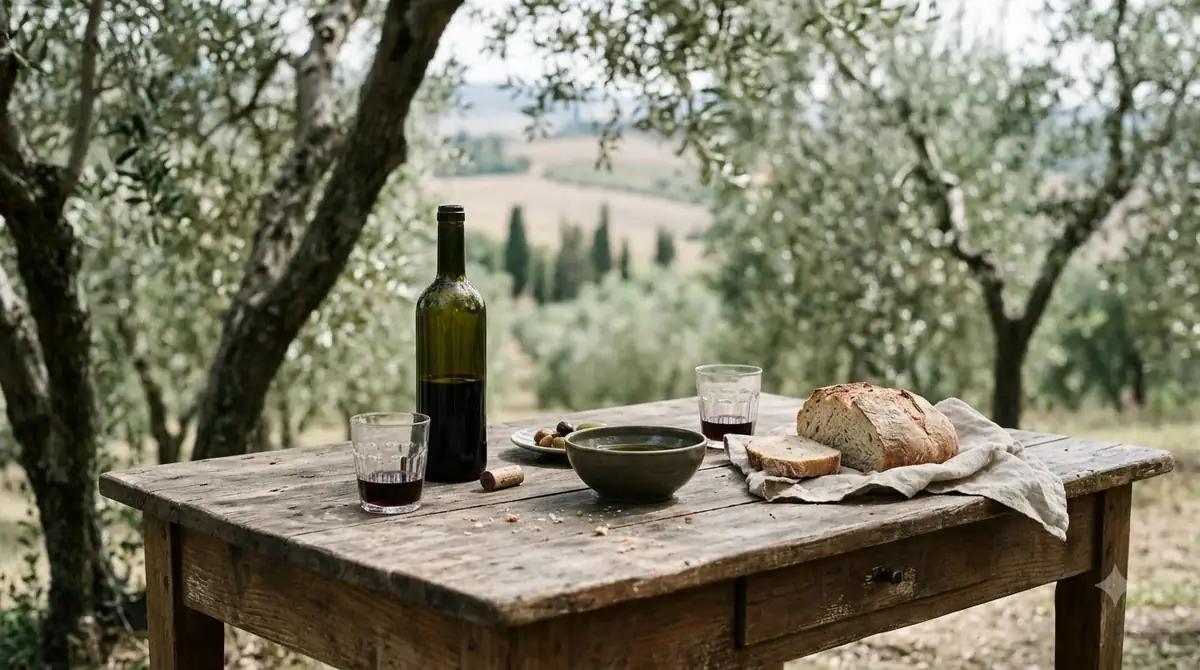
Serving temperature matters more than many drinkers expect. Red blends are usually best served a little below room temperature, which keeps the fruit clear and the tannins from feeling heavy. White and rosé styles taste fresher when they are chilled, and sweet wines show their fruit best when they are cold but not icy. Pour a red into a standard red wine glass so the aroma can gather near the rim, and give the wine a few minutes in the glass before tasting.
Food pairing follows the same logic. Ripe red blends pair well with grilled meat, tomato-based pasta, and aged cheeses. Varietal reds such as Merlot work with roast chicken and mushroom dishes. Crisp whites and rosés suit salads, seafood, and light appetizers. Sweeter wines are good with fruit desserts, soft cheeses, and spicy snacks, where the sugar balances heat and salt.
Tip: If you are serving a mixed group, offer one dry style and one sweeter style. The contrast helps guests find the taste they prefer, and it keeps the table from relying on one bottle to suit everyone.
How Menage a Trois compares with other popular brands
Many shoppers compare Menage a Trois with other widely available wines, especially sweet sparkling and easy-drinking labels. Its closest relatives in the sense of mass appeal are the fruit-forward red blends and the lighter white styles, rather than the sparkling category. If you already like a particular sweet wine, use it as a reference point and look for the matching sweetness level on the Menage a Trois label.
For a broader look at how these brands fit together, our wine brands guide covers the main categories and helps you decide which style suits a given occasion. If you enjoy sweeter sparkling wine, our La Marca Prosecco guide is a useful comparison, while Barefoot wine offers another example of an approachable, easy-drinking label from a large producer.
Who Menage a Trois suits and who might skip it
This brand suits people who want an approachable, flavor-forward wine without the study that some traditional labels require. It works well for casual dinners, housewarmings, and gatherings where guests have different tastes, because the range includes reds, whites, and sweeter options. Readers who prefer a dry, structured wine with a long aging history may find that the brand’s style is lighter in tradition and heavier in fruit than they expect.
The best approach is to choose a style first and a brand second. If you want a dry red for a steak dinner, look for a red blend or varietal with a clear description of body and tannin. If you want a sweet wine for dessert, read the sweetness cues on the label and choose a Dolce or Moscato-style bottle. The brand is most rewarding when you match the wine to the moment.
Frequently Asked Questions
Is Menage a Trois wine sweet or dry?
It depends on the bottle. The range includes dry reds and whites along with sweeter wines such as Dolce and Moscato. Check the label or the producer’s description for the style of the specific wine.
Where is Menage a Trois made?
The brand was launched in St. Helena, California, in 1996, and its wines are produced in California. The producer’s brand story is the best place to confirm the current sourcing for a given bottle.
What grapes are in the original Menage a Trois wine?
The original wine was a blend of Zinfandel, Merlot, and Cabernet Sauvignon, which the producer describes as a convention-breaking mix of three red varietals.
Who owns Menage a Trois?
The brand was added to the Trinchero Family Wine and Spirits portfolio in 2004, and that company continues to own it. The producer’s website lists the current brand details.
Menage a Trois is a flexible brand with a clear history and a wide range. Start by choosing the style you want, read the label for sweetness and wine type, and pair the bottle with food that complements its fruit. For the brand’s own account of its history and current lineup, see the Menage a Trois wines page on the producer’s site.
More in Wine Brands
 Underwood Wine Price: Compare Bottles, Cans, and Pack SizesUpdated Nov 21, 2026
 Zenato Wine Price: Compare Styles and Choose the Right BottleUpdated Nov 21, 2026
 Zuccardi Wine Price: Compare Bottles and Find the Right RangeUpdated Nov 21, 2026
 Yellow Tail Moscato Review: Taste, Sweetness and Serving TipsUpdated Nov 21, 2026
 Wolf Blass Yellow Label Review: Choose Your Best StyleUpdated Nov 21, 2026
 Wolffer Estate Rose Review: Choose the Right Bottle for Your TableUpdated Nov 21, 2026