

We may earn a commission when you buy through links on this page, at no extra cost to you. Learn more.
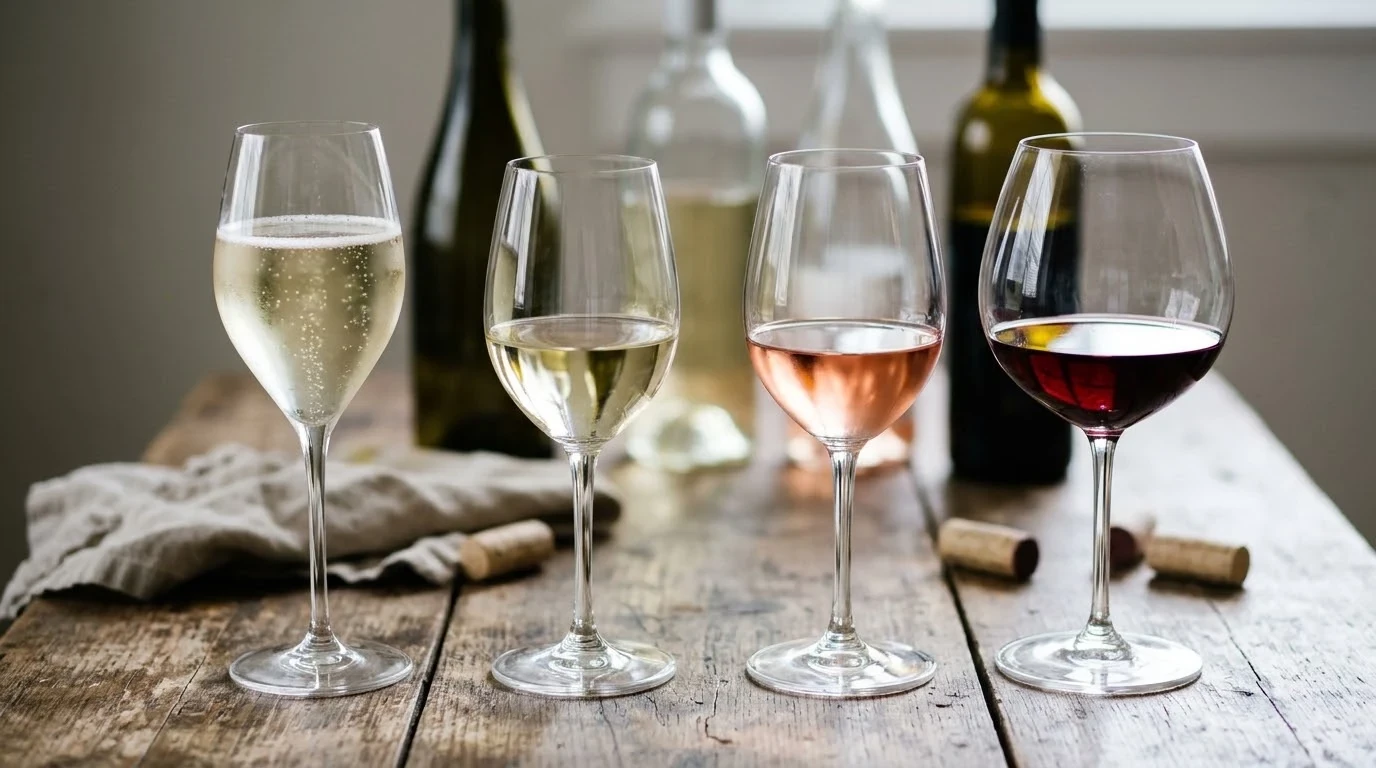
La Marca wine is a Prosecco sold in the United States, with a range that covers a dry Prosecco, a rosé, a demi-sec, and premium bottlings. The wine is made from Glera, the grape behind Prosecco, and the brand describes its sparkling wine as crafted in the hills of Treviso in northeastern Italy. Its crisp, fruity style makes it a common choice for brunch, casual parties, and cocktails. Below is what to know about the brand, its lineup, and how to serve and pair it.
La Marca appears on many American wine shelves next to other Italian sparkling wines, so shoppers often want a quick answer: is it a true Prosecco, how sweet is it, and what should I drink it with? This guide answers those questions using the brand’s own description and general sparkling wine references, so you can match a bottle to your table.
Who Makes La Marca and Where It Comes From
La Marca is marketed in the United States through La Marca USA, a company based in Healdsburg, California. The brand’s website says the wine is “delicately crafted in the hills of Treviso,” which points to the Treviso area of Veneto, one of the core Prosecco regions in northeastern Italy. The brand also presents itself as Italian Prosecco, which places it in the same category as other wines labeled Prosecco.
Prosecco is made mainly from the Glera grape, grown in the northeastern regions of Veneto and Friuli, according to VinePair’s Wine 101 guide to sparkling wines. That grape gives Prosecco its typical light, floral, and orchard-fruit character. Because the grape and region are shared by many producers, the price, sweetness, and style of the bottle are often better guides to what you will taste than the brand name alone.
The most useful way to think about La Marca is as a widely available Prosecco that follows the familiar style of the category, so the tasting notes and serving advice below apply to the range as a whole.
How the Sparkling Wine Is Made
Most Prosecco is produced with the Charmat or tank method. In this process, the second fermentation takes place in a large sealed pressurized tank rather than inside individual bottles. VinePair describes the method as faster and less expensive than the traditional method used for Champagne, and it is the reason Prosecco tends to taste lighter and more fruit-forward.
That fruit-forward character is what most people look for in a Prosecco. The method keeps the wine fresh and bright, with bubbles that feel lively but not aggressive. The traditional method, by contrast, adds toasty and yeasty notes that many people enjoy in Champagne but do not expect in an everyday sparkling wine.
The La Marca Lineup and Styles
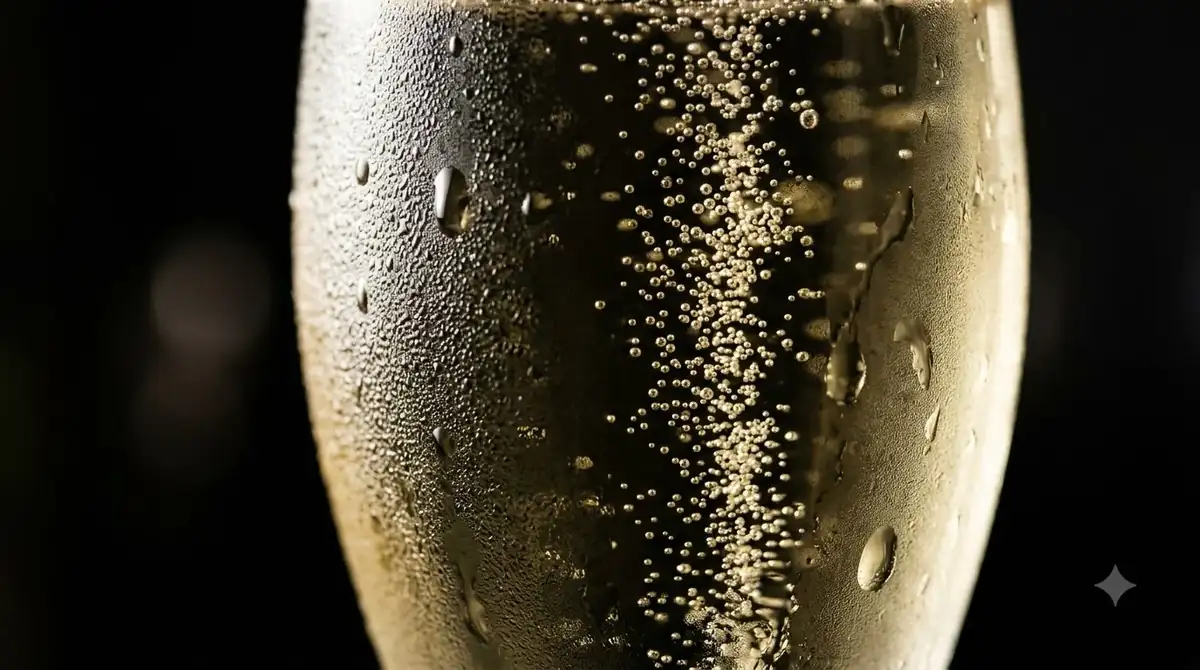
The brand’s range includes a standard Prosecco, a Prosecco Rosé, a Prosecco Demi Sec, and other bottlings that the brand names Luminore and Icon. The brand describes the wines as having crisp, refreshing bubbles and balanced flavors that suit many occasions, which matches the general profile of Prosecco.
The standard Prosecco is the everyday choice: dry, light, with citrus, green apple, and pear notes. The rosé adds red-berry character and a softer color. The demi-sec is the sweetest option in the line and is more suited to dessert or a sweeter palate. If you are unsure which to buy, start with the standard bottle and move to the demi-sec only when you know your guests enjoy sweeter wines.
| Style | What to expect | Good with |
|---|---|---|
| Prosecco (dry) | Light, crisp, citrus and pear notes | Appetizers, seafood, brunch |
| Prosecco Rosé | Crisp with red-berry fruit | Salads, grilled chicken, picnics |
| Prosecco Demi Sec | Sweeter, softer, fruit-forward | Fruit desserts, spicy Asian dishes |
How to Serve La Marca Prosecco
Chill the bottle thoroughly before serving. Cold service keeps the bubbles crisp and keeps the fruit clean, while warm Prosecco can taste flat and heavy. Open the bottle gently, angling it away from people, and pour slowly so the foam does not spill over. A tulip-shaped glass or a standard flute works well, because both hold the aromas and keep the bubbles visible.
Prosecco is also a practical mixer. A splash of Prosecco over sparkling water with a slice of orange or a few berries makes a simple spritz, and it stretches the wine across a larger group without requiring more bottles.
Tip: If you are serving La Marca Demi Sec with dessert, keep the rest of the menu light. A sweet sparkling wine can overwhelm a rich dessert, so pair it with fruit, lemon cake, or simple vanilla.
Food Pairings That Work Well
Prosecco is one of the most versatile sparkling wines at the table. The dry style pairs well with fried foods, because the acidity and bubbles cut through oil. It also goes with cured meats, soft cheeses, and fresh seafood such as shrimp, scallops, or raw oysters. For a light vegetarian menu, serve it with bruschetta, tomato salads, or risotto with lemon and herbs.
The rosé is a good partner for grilled chicken, salmon, and herb-heavy salads, since its red-berry fruit echoes the flavors in those dishes. The demi-sec suits fruit tarts, sorbet, and lightly sweet pastries. It can also work with spicy foods, because the sweetness softens heat in a way that dry wines do not.
When you plan a menu around Prosecco, think about the order of courses. Start with the dry style while guests are arriving, because its light body and clean finish wake up the palate without filling it. Move to the rosé once the main course arrives, and keep the demi-sec for the end of the meal. Matching the style to the moment keeps the wine from competing with the food and makes a modest bottle feel well chosen.
How to Choose the Right Bottle
Start by deciding how sweet you want the wine to taste. Dry Prosecco is the most common choice for aperitifs and general dinners. Rosé is a good option when you want color and a little more red fruit. The demi-sec is best saved for guests who like dessert wines or for pairing with sweet dishes.
Compare the label details, including the producer, the style term, and the alcohol content, rather than focusing on the brand name alone. Buy the wine from a retailer with good storage, and keep it cold until serving. Like most sparkling wines, Prosecco is best enjoyed fresh, so avoid holding bottles for long periods after purchase.
For readers who want to compare with a classic Champagne house, the difference is mostly in method and style rather than in quality alone. The Wine Brands guide explains how different producers approach their wines, and if you want a still wine to serve alongside a sparkling one, a bottle from La Vieille Ferme gives you a contrast in style.
Frequently Asked Questions
Is La Marca a real Prosecco?
The brand presents its wine as Italian Prosecco, and Prosecco is defined by its grape and production region. Check the label for the Prosecco designation and the producer details.
Is La Marca Prosecco sweet?
The standard Prosecco has a dry style with fruity character, and the Demi Sec is the sweetest option in the lineup. Check the specific bottle’s label for its sweetness style before serving.
How is Prosecco made?
Most Prosecco uses the Charmat or tank method, in which the second fermentation happens in a sealed pressurized tank. This keeps the wine light and fruity.
What food goes with La Marca Prosecco?
The dry style pairs with fried foods, seafood, and light appetizers. The rosé suits grilled chicken and salads, and the Demi Sec works with fruit desserts.
La Marca is an accessible Prosecco for everyday gatherings and celebrations. Choose the style that matches your menu, serve it cold, and keep the bottle fresh. For more background on sparkling wine styles, see VinePair’s sparkling wine guide, or visit the La Marca website for the brand’s current range.
More in Wine Brands
 Underwood Wine Price: Compare Bottles, Cans, and Pack SizesUpdated Nov 21, 2026
 Zenato Wine Price: Compare Styles and Choose the Right BottleUpdated Nov 21, 2026
 Zuccardi Wine Price: Compare Bottles and Find the Right RangeUpdated Nov 21, 2026
 Yellow Tail Moscato Review: Taste, Sweetness and Serving TipsUpdated Nov 21, 2026
 Wolf Blass Yellow Label Review: Choose Your Best StyleUpdated Nov 21, 2026
 Wolffer Estate Rose Review: Choose the Right Bottle for Your TableUpdated Nov 21, 2026