

We may earn a commission when you buy through links on this page, at no extra cost to you. Learn more.
The best way to experience lubbock wine tasting is to visit a local winery or tasting room and sample wines made from grapes grown in the Texas High Plains AVA. Lubbock is an important center of Texas winemaking, with established destinations including Llano Estacado Winery, McPherson Cellars, English Newsom Cellars, and Adelphos Cellars. Visitors can explore distinctive red and white varieties, join guided tastings, and learn how West Texas growing conditions influence the wines.
Lubbock offers a different kind of Texas wine trip from the familiar tasting-room routes around Fredericksburg. Its appeal comes from the connection between the city and the agricultural region surrounding it: a high-elevation landscape that supplies grapes to wineries across Texas. A rewarding visit combines several local tasting experiences with an understanding of the grapes, climate, and food traditions behind the bottles.
Lubbock’s Place in Texas Wine Country
Lubbock sits at the heart of the Texas High Plains AVA, an approximately 8-million-acre growing region responsible for more than 80% of the state’s wine grapes. The city offers convenient access to tasting rooms while connecting visitors with the agricultural foundation of Texas wine production.
The Texas High Plains is the second-largest American Viticultural Area in Texas. It stretches across 24 counties, with elevations generally ranging from 3,000 to approximately 4,100 feet. The region’s vineyards have developed into an important source of fruit for wineries throughout the state. That means a wine poured in a Lubbock tasting room may represent a relatively short journey from vineyard to glass, while grapes grown outside the city may also appear in wines produced elsewhere in Texas.
This distinction matters when planning a visit. Lubbock is both a wine-producing destination and a center for the wider industry. Some visitors concentrate on tasting rooms within the city, while others use Lubbock as a starting point for exploring the surrounding agricultural landscape. A winery visit can therefore teach you about individual producers as well as the broader region supplying their grapes.
The local wine identity also has a longer history than many visitors expect. Lubbock’s modern wine story is associated with research, experimentation, and growers who demonstrated that European wine grapes could adapt to West Texas conditions. The region now supports varieties from Cabernet Sauvignon and Chardonnay to Tempranillo, Sangiovese, and Viognier. This breadth gives tasting flights plenty of room for comparison rather than limiting visitors to a single signature style.
For readers learning how geographic designations shape wine, the broader Wine Regions resource provides useful background on appellations and why vineyard location matters. The Texas High Plains is a particularly interesting example because its influence extends well beyond the wineries located within Lubbock itself.
The High Plains Climate Behind the Wines
The Texas High Plains combines high elevation, dry conditions, warm summer days, and cooler nights, creating an environment in which grapes can develop ripe fruit character while retaining useful acidity. Elevations of approximately 3,000–4,100 feet and large daily temperature changes are central to understanding the region’s wine styles.
Summer temperatures can rise above 99°F during the day and fall below 59°F at night, according to Decanter’s regional overview. These changes matter because daytime warmth encourages ripening, while cooler nighttime conditions help slow the loss of acidity. The result can be wines with substantial fruit character and a refreshing sense of balance. It is one reason the High Plains can support both ripe reds and aromatic white varieties.
Rainfall is limited. The region receives less than 20 inches annually, and the Ogallala Aquifer provides additional irrigation water for vineyards. The landscape is relatively flat, with sandy soils and caliche-rich ground across parts of the growing area. Growers must pay close attention to water management and soil conditions rather than relying on frequent natural rainfall.
The climate is not without challenges. Late-spring freezes can threaten developing vines, and the contrast between summer heat and nighttime cooling makes vineyard decisions especially important. Growers must consider site selection, grape variety, irrigation, pruning, and harvest timing. These factors help explain why a grape that performs well in one Texas location may produce a different result somewhere else in the state.
For visitors, the practical lesson is to avoid assuming that all Texas wines taste alike. A full-bodied red from the High Plains may have ripe fruit and structured tannins, while a regional white may combine aromatic intensity with lively acidity. Visitors interested in another dry, high-elevation American wine-growing area can also explore Willcox wine tasting in Arizona and compare the regional expressions.
Where to Taste Wine in Lubbock
Lubbock offers several distinct tasting experiences, from a historic winery with guided tours to downtown wine service and estate-focused flights. Four useful stops are Llano Estacado Winery, McPherson Cellars, English Newsom Cellars, and Adelphos Cellars, each with a different setting and approach.
Llano Estacado Winery
Llano Estacado Winery is a strong starting point for visitors interested in the history and production of Texas wine. Its tasting room is at 3426 E FM 1585 in Lubbock, and the winery offers guided tastings, wine by the glass or bottle, and a look behind the scenes of winemaking. The standard tasting consists of five one-ounce pours from a rotating selection, making it a useful introduction to several styles in a single visit.
Visitors who want more than a tasting-room flight can consider the Legacy Tour. This guided experience lasts 90 minutes and includes five one-ounce pours accompanied by cheese and charcuterie. It is offered Friday through Sunday. The winery recommends reservations but also welcomes walk-ins. The combination of a guided explanation, food, and tasting makes this a practical choice for visitors who want a structured experience rather than an informal glass at the bar. Details and current tour arrangements are available on the official Llano Estacado Lubbock tasting-room page.
McPherson Cellars
McPherson Cellars offers a downtown tasting experience at 1615 Texas Avenue. The setting makes it convenient for visitors who want to combine wine with a meal or other activities around central Lubbock. Guests can enjoy Texas wines through tastings, by-the-glass service, or by sharing a bottle. The tasting room also has an outdoor patio, providing an alternative to sitting inside.
The winery is particularly relevant to Lubbock’s wine history because the McPherson family has played an important role in the development of the local industry. Its connection to the region’s pioneering grape research makes a visit more interesting for anyone curious about how modern Texas wine developed. McPherson Cellars publishes Tuesday-through-Saturday tasting-room hours, from noon to 7 p.m.
English Newsom Cellars
English Newsom Cellars is located at 408 E Woodrow Road and focuses on estate-grown varieties and its own wines. Its regular tasting includes five one-ounce pours. The tasting team also has WSET Level 2 training, which can be useful for guests who want explanations of grape varieties, aromas, wine structure, and differences between styles rather than simply receiving a flight of glasses.
Its published schedule includes Tuesday through Saturday visits, with Sunday and Monday available by appointment. The winery does not offer tastings during certain event periods, including Wednesday after 4 p.m. and Saturday after 5 p.m. Groups of eight or more are asked to reserve in advance. Impromptu cellar tours may be possible when staffing and seasonal conditions allow, but visitors should not assume that a tour is guaranteed.
Adelphos Cellars
Adelphos Cellars offers another option at 11206 Indiana Avenue. Its tasting flights contain four one-ounce pours of Texas High Plains wines, guided by a wine specialist. Visitors can select from several styles, including red, white, mixed, sweet, and reserve flights. The menu makes it possible to focus on one color or sweetness level, or compare different wine styles within the same visit.
Food is an important part of the experience. The menu includes charcuterie boards, baked brie, Parma flatbread, and melted Caprese dip, alongside desserts such as tiramisu and flourless chocolate torte. The tasting room also offers wine cocktails and other drink choices. Walk-ins are welcome, although reservations are recommended for weekends and groups of five or more. Published opening hours are noon to 8 p.m. Monday through Saturday and noon to 5 p.m. Sunday.
Grape Varieties and Wine Styles to Look For
The Texas High Plains grows more than 75 wine grape varieties, so visitors should approach a tasting with curiosity rather than expecting one standard regional style. Tempranillo, Viognier, Sangiovese, Roussanne, Cabernet Sauvignon, and Syrah are particularly useful names to recognize when comparing local wines.
Tempranillo is one of the most interesting red grapes to seek out. Originally associated with Spain, it has become an important variety in Texas. Depending on the producer and winemaking method, it may show flavors of cherry, plum, blackberry, dried herbs, and spice. Its structure can range from approachable and fruit-forward to more substantial, particularly when blended with other varieties or matured in oak barrels. It is a useful choice for visitors who enjoy red wines with ripe fruit and a savory edge.
Sangiovese also deserves attention because of its historical connection with Lubbock. The grape was part of early local research and remains associated with the McPherson family’s contribution to Texas winemaking. Typical Sangiovese character includes sour cherry, red plum, dried herbs, and noticeable acidity. A regional example can be a good comparison with Tempranillo because the grapes have different flavor profiles and structural characteristics. Visitors who enjoy Italian-influenced reds can also explore Bolgheri wine tasting for a comparison with the coastal Tuscan region’s different red-wine traditions.
For white wine drinkers, Viognier is a key variety. It is generally aromatic, with stone fruit, floral, and sometimes citrus notes. Roussanne can offer a fuller texture, while Chenin Blanc and Piquepoul are useful options for visitors seeking freshness and acidity. These grapes demonstrate that the region is not limited to big red wines. Those interested in aromatic white varieties and a different European approach to freshness can compare the experience with Alsace wine tasting.
Cabernet Sauvignon, Merlot, Syrah, Grenache, Mourvèdre, and Tannat broaden the red wine selection further. Cabernet Sauvignon typically has higher tannin, while Merlot tends to be softer and more approachable. Syrah can show darker fruit and peppery notes, and Grenache may offer red fruit and herbal character. Asking a tasting-room specialist to compare two of these varieties side by side is a simple way to understand how grape choice influences the wine.
Blends are also worth exploring. Some producers bring together varieties such as Tempranillo, Syrah, Carignan, and Mourvèdre, while others combine Bordeaux-associated grapes such as Cabernet Sauvignon, Merlot, Malbec, and Cabernet Franc. Each blend reflects a different balance of fruit, acidity, tannin, and texture. A tasting flight that includes both varietal wines and blends can reveal more about a producer’s approach than a flight containing only one category.
How to Plan a Lubbock Wine Tasting Day
A comfortable tasting itinerary should allow time to enjoy each stop rather than rushing between wineries. Two or three destinations are usually enough for a relaxed day, especially when the visit includes a guided tour, food, or a longer conversation with tasting-room staff.
Opening schedules vary between producers, so plan around the specific venues you want to visit. The following table summarizes the published details for four Lubbock tasting destinations. Hours can change for events, holidays, and other operational reasons, so confirm the schedule directly before setting out.
| Winery | Location | Tasting Experience | Published Hours |
|---|---|---|---|
| Llano Estacado Winery | 3426 E FM 1585 | Five one-ounce pours; optional 90-minute tour with five pours, cheese, and charcuterie | Mon 10 a.m.–5 p.m.; Tue–Thu noon–5 p.m.; Fri–Sun noon–6 p.m. |
| McPherson Cellars | 1615 Texas Avenue | Wine tastings, glasses, bottles, and patio seating | Tue–Sat noon–7 p.m. |
| English Newsom Cellars | 408 E Woodrow Road | Five one-ounce pours; occasional cellar tours when available | Tue 1–6 p.m.; Wed 1–9 p.m.; Thu 1–7 p.m.; Fri 1–9 p.m.; Sat noon–9 p.m.; Sun and Mon by appointment |
| Adelphos Cellars | 11206 Indiana Avenue | Four one-ounce pours in a guided flight, with food available | Mon–Sat noon–8 p.m.; Sun noon–5 p.m. |
For a first visit, consider starting at Llano Estacado if a winery tour is important to you. Its 90-minute Legacy Tour is offered on three days of the week and includes a guided tasting with food. Alternatively, begin downtown at McPherson Cellars if you prefer a shorter visit followed by lunch or other activities nearby. English Newsom makes sense as a later stop on days when its evening schedule is available, while Adelphos is a practical option for guests who want a guided flight alongside a substantial food menu.
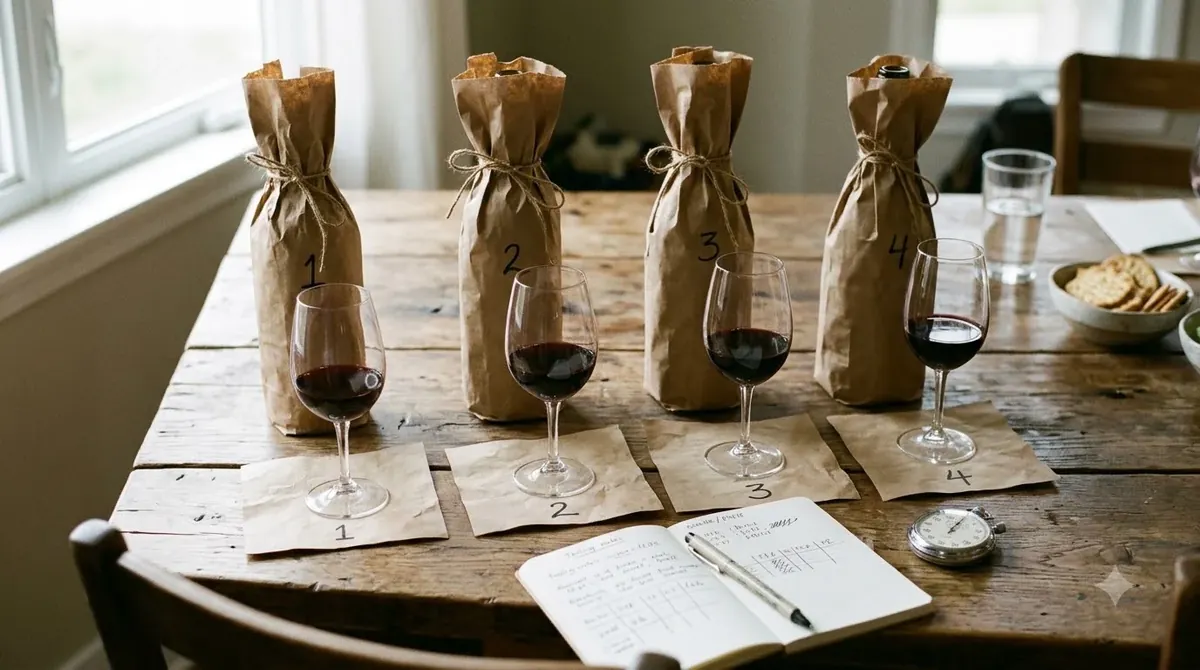
Try not to schedule four full tastings back to back. A flight of five one-ounce pours is already a meaningful tasting experience, and a guided tour adds more time. Allow a break between venues, drink water, eat something, and arrange transportation that does not require anyone who has been drinking to drive. A designated driver or a prearranged ride makes the day more comfortable and lets everyone pay attention to the wines.
Tip: Before visiting, decide whether your main priority is a winery tour, downtown tasting, or food pairing. Reserve guided experiences and larger groups ahead of time, and leave room in the itinerary for a slower visit rather than trying to fit every tasting room into one afternoon.
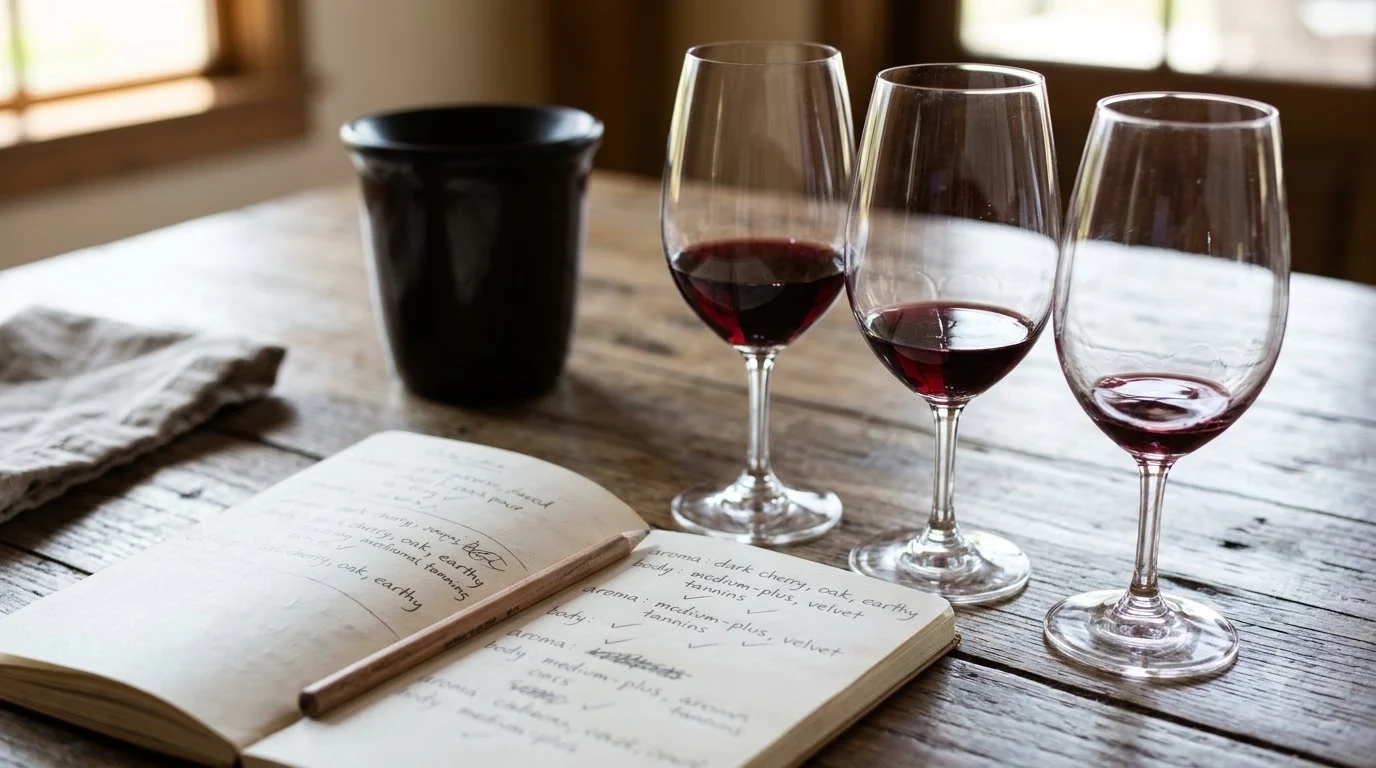
It also helps to keep a few notes. Record the winery, grape variety, and one or two impressions from each glass. You do not need elaborate tasting vocabulary. Simple descriptions such as red cherry, peach, black pepper, floral, crisp, or full-bodied can help you remember what you enjoyed and make useful comparisons later.
Food Pairings and Serving Temperatures
Food can make a Lubbock tasting more informative because the region’s wines cover a wide range of structures and flavors. The best pairings depend on sweetness, acidity, tannin, and body, rather than on the simple distinction between red and white wine.
For Tempranillo, Sangiovese, Cabernet Sauvignon, or a Syrah-based blend, try grilled beef, smoked meats, burgers, or dishes with roasted vegetables. Higher-tannin Cabernet Sauvignon generally works well with rich, protein-based foods because the combination softens the perception of tannin. Merlot is usually softer and can pair comfortably with roast chicken, pork, mushroom dishes, or moderately seasoned barbecue. Sangiovese’s acidity makes it a useful partner for tomato-based dishes, where a lower-acid wine might seem flat beside the food.
Viognier and Roussanne are good choices for roasted chicken, creamy dishes, and foods with aromatic herbs. A high-acid white such as Chenin Blanc or Piquepoul can work with salads, seafood, and dishes that include citrus or vinaigrette. Acidic foods need wines with equal or higher acidity, otherwise the wine may taste dull by comparison. For oily fish, choose an appropriately fresh white rather than a strongly tannic red.
Sweetness deserves attention, especially when choosing dessert pairings. A wine should be at least as sweet as the dessert it accompanies. A dry red can taste harsh beside a sugary chocolate dessert, while a sweeter wine may create a more balanced match. Salty and fatty foods can soften the perception of tannin, which is one reason charcuterie boards and cheese can work well with structured reds. Very spicy food needs more care because alcohol and tannin can intensify the sensation of chili heat.
Serving temperature also makes a significant difference. Light reds are generally best around 55–60°F, while fuller reds are more comfortable around 60–65°F. Light-bodied whites and rosé work well at 45–50°F; fuller-bodied whites are better around 50–55°F. These ranges give guests a practical starting point when enjoying a bottle after a tasting-room visit.
Use the same care when storing bottles to enjoy later. Keep unopened wine in a cool, relatively stable place near 55°F, away from direct sunlight and frequent temperature changes. Bottles with natural cork closures are commonly stored on their sides. After opening, refrigerate still wines and generally aim to finish them within three to five days. A young, full-bodied red may benefit from 30–60 minutes of decanting before serving, depending on its structure and age.
Frequently Asked Questions
The Texas High Plains AVA covers approximately 8 million acres, and Lubbock offers several tasting formats, from four-pour flights to 90-minute winery tours. These frequently asked questions address a few additional details that can help visitors understand the region and its wine culture.
What does Texas High Plains AVA on a wine label mean?
An American Viticultural Area is a geographically defined grape-growing region with recognized distinguishing characteristics. Under the federal labeling rule, a wine labeled with a specific AVA generally must contain at least 85% grapes grown within that area. The designation helps identify grape origin rather than promising a particular flavor or quality level.
Who helped establish modern wine research in Lubbock?
Clinton McPherson and Bob Reed were important figures in early modern Texas High Plains viticulture. Their Sangiovese planting in Lubbock began with vines cultivated on Reed’s back patio. Their research helped demonstrate that European wine grapes could adapt to the area’s growing conditions.
Why is the Texas High Plains important to wineries outside Lubbock?
Many Texas wineries source grapes from the High Plains rather than growing all their fruit near their own tasting rooms. The region’s vineyards supply producers throughout the state’s eight AVAs. This means the influence of High Plains grapes can extend to bottles produced and poured hundreds of miles away.
Is there a special Sunday experience at Adelphos Cellars?
Adelphos Cellars holds a monthly brunch on the first Sunday of the month. The experience includes a custom food menu, pink mimosas, and sparkling wines. Reservations are required for this brunch, making advance planning particularly important for visitors organizing a weekend trip.
What is the difference between a winery tasting and an AVA visit?
A winery tasting focuses on the wines selected by an individual producer, while an AVA visit provides a broader opportunity to understand the growing region. A single tasting room may pour wines made from grapes sourced from several High Plains vineyards. Exploring more than one producer helps reveal how vineyard selection, grape variety, and winemaking decisions create different expressions of the same region.
Lubbock is an excellent place to discover how the Texas High Plains shapes the state’s wine identity. Start with one established winery, compare several grape varieties, and leave time for food and conversation at another tasting room. Whether you prefer aromatic Viognier, structured Cabernet Sauvignon, or expressive Tempranillo, a thoughtful visit offers a valuable introduction to West Texas wine.
More in Wine Regions
 Willcox Wine Trail: Discover Arizona’s High-Elevation Wine CountryUpdated Nov 20, 2026
 Yakima Valley Wine Region: Find the Best Styles to TryUpdated Nov 20, 2026
 Vosne Romanee Wine Tasting: Identify Aromas and Choose Better PairingsUpdated Nov 20, 2026
 Yakima Valley Wine Festival: Find the Best Seasonal Wine EventsUpdated Nov 20, 2026
 Wales Vineyards: Discover Cool-Climate Wines and Where to VisitUpdated Nov 20, 2026
 Yountville Wine Festival: Discover Napa Wines and Local FoodUpdated Nov 20, 2026