

We may earn a commission when you buy through links on this page, at no extra cost to you. Learn more.
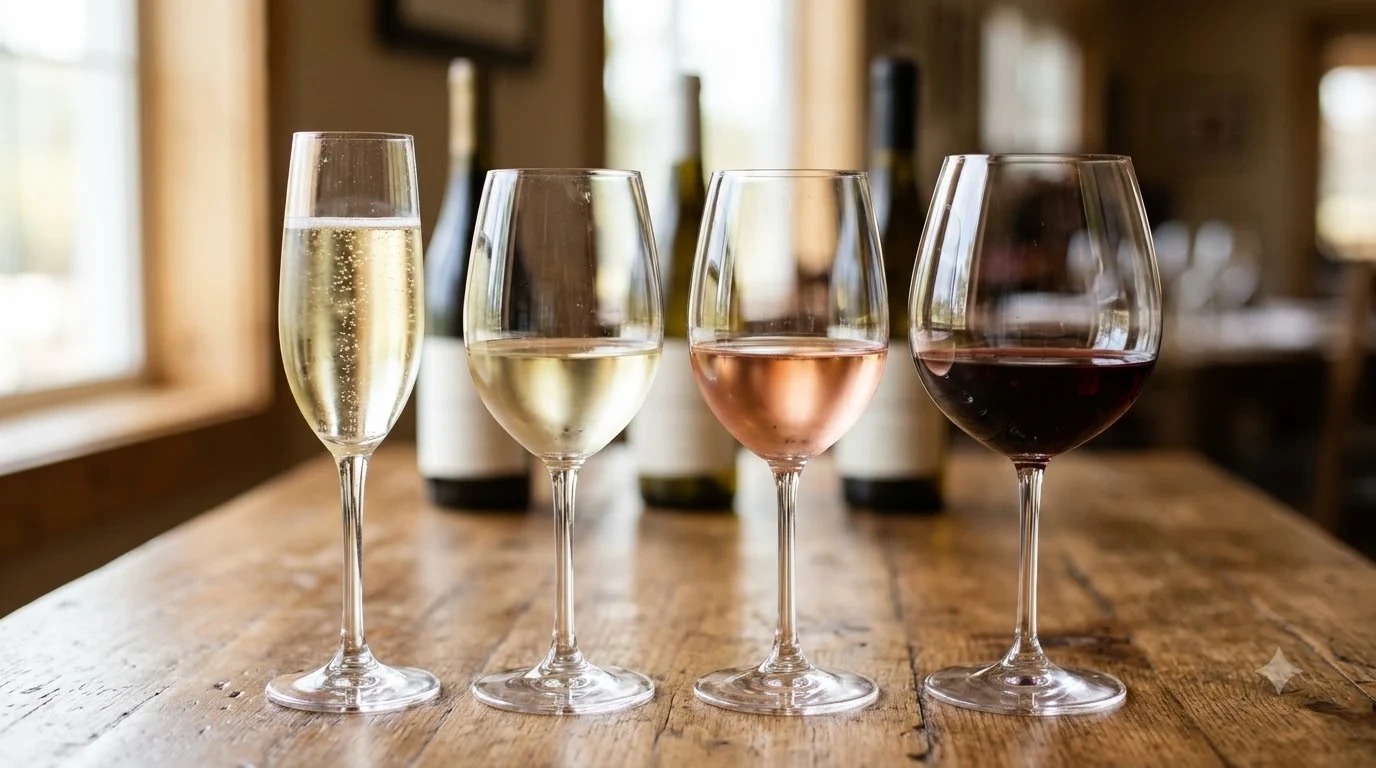
Monterey wine is mostly known for cool-climate Chardonnay and Pinot Noir, with Riesling and some warmer-valley reds alongside them. The style comes from the Central Coast of California, where ocean air keeps many vineyards cool for much of the growing season. Anyone who has compared a Monterey wine with a bottle from a hotter inland valley will notice the difference in acidity right away. That cool influence tends to give the wines bright acidity and fresh fruit, so Monterey bottles often feel lively rather than heavy.
This guide covers what Monterey wine tastes like, how the main styles differ, how to serve and pair them, and what to look for on the label when you shop.
What defines the style of Monterey wine
The Monterey AVA lies in eastern Monterey County on the Central Coast, and it stretches roughly 100 miles from north to south. The northern part of the region is cool, with a long growing season, and daytime highs in many areas rarely go above 75°F (24°C), according to the Monterey AVA entry on Wikipedia. Those conditions favor grapes that ripen slowly and keep their acidity.
The result is a style that is often described as fresh and precise. Chardonnay from the region can be crisp and citrus-driven or rounder and oakier, and Pinot Noir from the cooler sites tends to show red fruit with a clean finish. The southern valleys produce riper, warmer wines, so the range across the region is wider than many shoppers expect.
The main styles you will find
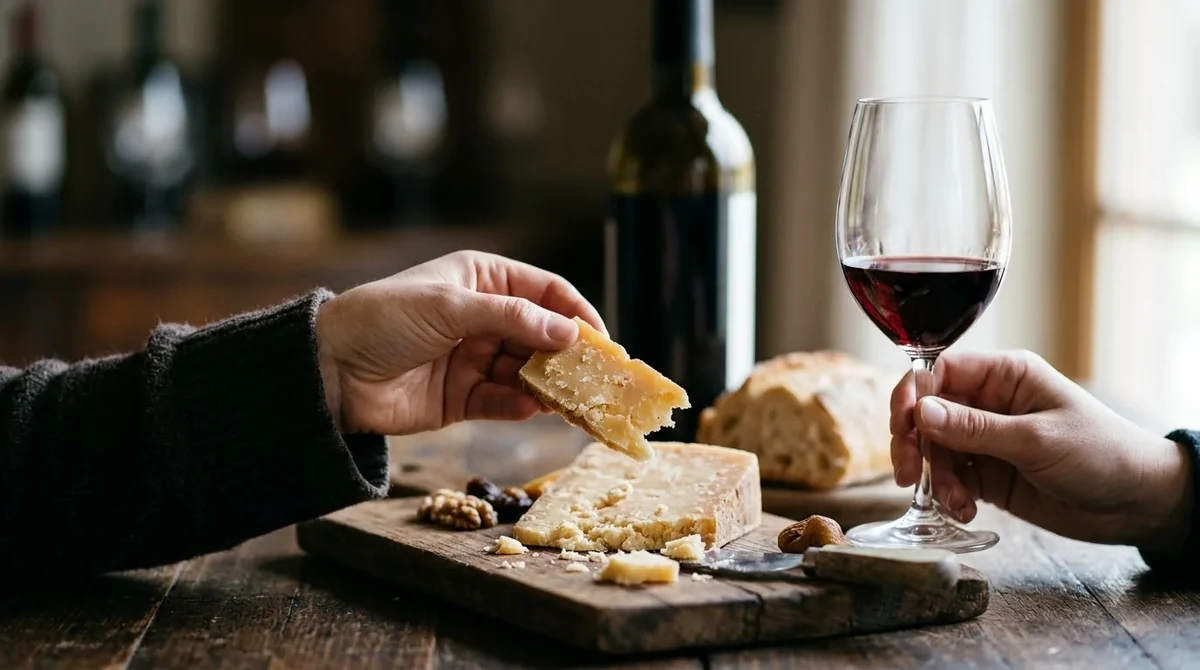
Chardonnay is the most common white, and the region’s signature. Lean, unoaked bottlings show green apple, pear, and citrus, while oaked versions often carry vanilla, butter, and stone fruit. Chardonnay is usually a medium-bodied white, and the ABV for most styles falls between 12% and 15%.
Pinot Noir is the region’s leading red in the cooler northern areas. It is light to medium bodied, with flavors of raspberry, cherry, and sometimes forest floor or tea. Riesling is another cool-climate strength, and it ranges from bone-dry to clearly sweet, so the label or the producer’s description is worth checking before you open the bottle.
Warmer southern valleys grow Bordeaux varieties, Syrah, and Zinfandel. These reds tend to be fuller and more concentrated, which makes them a good fit for dishes with more fat or spice. If you enjoy Italian reds, you may also like our guide to Montalcino vineyards, which covers another warm-day, cool-night style of red wine.
| Style | Typical flavors | Body | Serve at |
|---|---|---|---|
| Lean Chardonnay | Green apple, pear, citrus | Light to medium | About 45°F (7°C) |
| Oaked Chardonnay | Vanilla, butter, stone fruit | Medium to full | About 55°F (12°C) |
| Pinot Noir | Raspberry, cherry, forest floor | Light to medium | 55 to 60°F (12 to 15°C) |
| Riesling | Lime, green apple, jasmine | Light | 38 to 45°F (3 to 7°C) |
How to serve Monterey wine
Serving temperature changes how a Monterey wine tastes. Wine Folly suggests serving Pinot Noir between 55 and 60°F (12 to 15°C), a little cooler than room temperature, so the fruit stays bright and the alcohol does not feel hot. The same guide places Riesling at 38 to 45°F (3 to 7°C). Chardonnay works best in a range that depends on the style, as the table above shows.
Glassware matters less than temperature, but a glass with a wide bowl helps lean whites and reds show their aromas. For Riesling, a slightly narrower glass can focus the bright fruit. Decanting is rarely needed for these wines, since most Monterey bottlings are made to drink young. If you open a bottle and do not finish it, a stopper and the refrigerator will keep white wine fresh for a few days, and a cooler reds can be served slightly chilled the next evening without losing much of their fruit.
Tip: If a Monterey Chardonnay tastes too warm or too heavy, chill it for another 15 minutes before you pour. A slightly cooler glass usually brings out the citrus and keeps the oak in balance.
Food pairings that work with Monterey wine
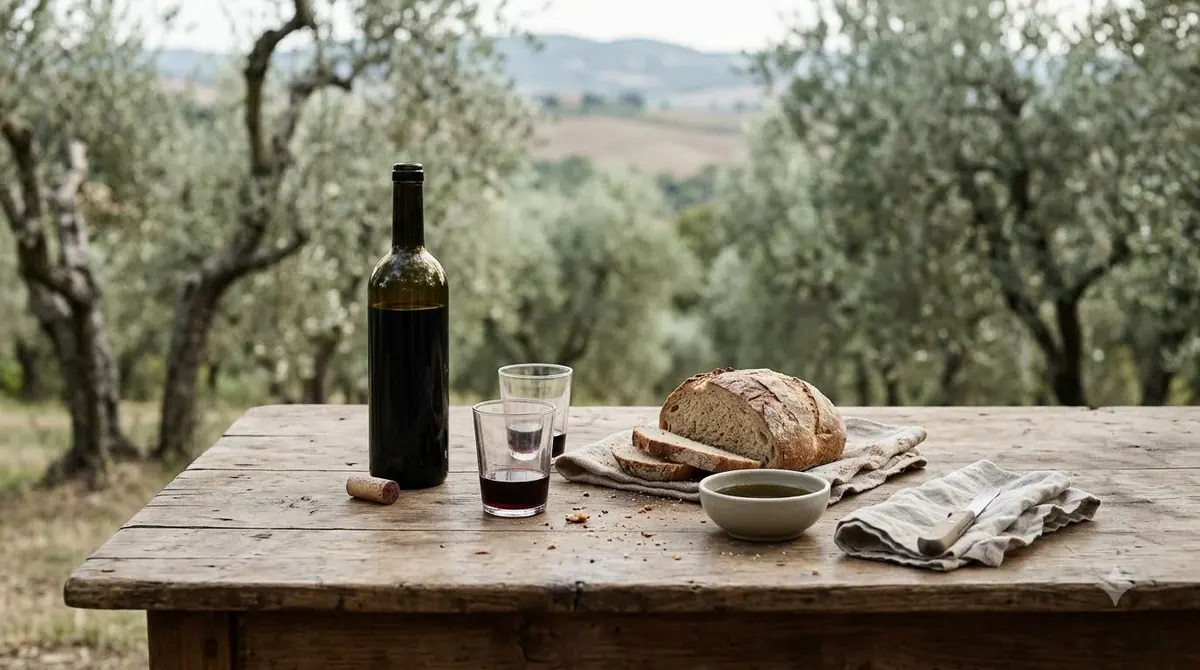
Lean Chardonnay and Riesling are natural partners for seafood. Oysters, sushi, and sauteed fish suit a crisp white, and the acidity in both wines cuts through rich sauces. Off-dry Riesling also pairs with spicy Indian and Asian dishes, according to Wine Folly’s Riesling guide, which lists duck, pork, shrimp, and crab among other matches.
Pinot Noir is one of the most food-friendly reds. Wine Folly notes that its acidity suits duck, and that it works with salmon and earthy dishes that feature mushrooms. Oaked Chardonnay and warmer southern reds can handle richer meats, roast chicken with herbs, and dishes with a little char from the grill.
How to choose a bottle of Monterey wine
Start with the grape and the style you want. If you prefer a crisp, refreshing glass, choose a lean Chardonnay or a dry Riesling. If you like richness, an oaked Chardonnay or a warm-valley red will feel fuller. Pinot Noir is a good middle ground for people who want red wine that is not heavy. When you are unsure, a bottle of Pinot Noir from the cooler sites is often the safest choice for a mixed group, since its red fruit and soft tannins suit a wide range of dishes and palates.
Read the back label for the region and the subregion. Monterey has five smaller American Viticultural Areas inside the larger AVA, including Arroyo Seco and Santa Lucia Highlands. A label that names one of them gives you a more specific source, which can help you predict whether a bottle will be lean or rich.
Vintage matters less than producer style for most Monterey wines, because the region’s wines are typically made to drink within a few years. Still, check the vintage date on the label, and avoid older bottles of white wine unless the producer has a reputation for aging them well.
Many shoppers also compare Monterey wines with other American regions. Our Arizona wine guide shows how a warm desert climate changes the same grapes, and it is a useful contrast when you want to understand what the Central Coast brings to a bottle.
Frequently Asked Questions
What kind of wine is Monterey known for?
Monterey is best known for Chardonnay and Pinot Noir from its cool northern vineyards. The region also produces Riesling, and its warmer southern valleys grow Bordeaux varieties, Syrah, and Zinfandel.
Are Monterey wines sweet or dry?
Most Monterey table wines are dry, including Chardonnay and Pinot Noir. Riesling can range from bone-dry to clearly sweet, so check the label or the producer’s description to see where a particular bottle falls.
Is Monterey wine good with seafood?
Yes, especially the lean Chardonnay and Riesling styles. Their acidity and freshness suit oysters, sushi, grilled fish, and shellfish, and the lighter reds such as Pinot Noir can work with salmon.
How should I store Monterey wine?
Keep unopened bottles in a cool, dark place away from heat and direct light. Once opened, recork the bottle and refrigerate white wines, and keep reds cool for a short time before serving slightly chilled.
Monterey wine is a good starting point for anyone who likes fresh, cool-climate bottles. Begin with a lean Chardonnay or a Pinot Noir, then try a Riesling to see how the region handles a different grape. Our Wine Regions guide places Monterey beside other key areas if you want to keep exploring, and it is a good place to compare how climate changes the same grape from one region to the next.
More in Wine Regions
 Willcox Wine Trail: Discover Arizona’s High-Elevation Wine CountryUpdated Nov 20, 2026
 Yakima Valley Wine Region: Find the Best Styles to TryUpdated Nov 20, 2026
 Vosne Romanee Wine Tasting: Identify Aromas and Choose Better PairingsUpdated Nov 20, 2026
 Yakima Valley Wine Festival: Find the Best Seasonal Wine EventsUpdated Nov 20, 2026
 Wales Vineyards: Discover Cool-Climate Wines and Where to VisitUpdated Nov 20, 2026
 Yountville Wine Festival: Discover Napa Wines and Local FoodUpdated Nov 20, 2026