

We may earn a commission when you buy through links on this page, at no extra cost to you. Learn more.
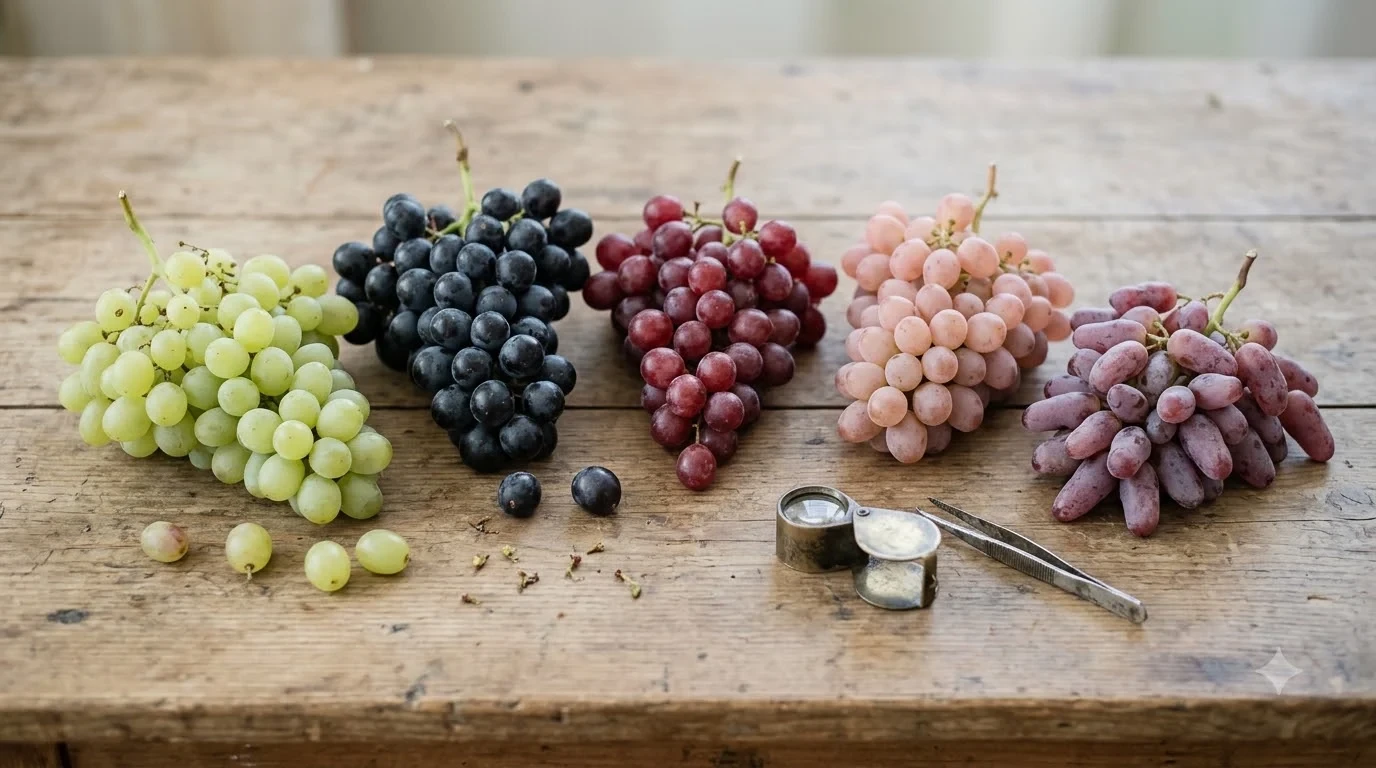
Hungary wine is best known for Tokaji Aszú, a honeyed dessert wine made from grapes touched by noble rot, but the country also produces dry whites and elegant reds from native varieties. Furmint, Hárslevelű, and Kékfrankos are the names you will see most often on Hungarian labels. Hungary has 22 official wine regions, so the style of a bottle depends heavily on where the grapes were grown.
This guide covers the main Hungarian wine regions, the grapes behind them, and how to serve and pair a bottle. If you are new to the country’s wines, start with the regions table and then move on to the grape profiles.
A Winemaking Tradition That Goes Back Centuries
Hungarian vineyards may date to the Roman province of Pannonia, and by the fifth century there are records of extensive vineyards. Over the following centuries, grape varieties from Italy and France arrived, and production was mostly white for a long stretch of history.
Two periods shaped the modern picture. Under Ottoman rule, the red blend later known as Egri Bikavér, or Bull’s Blood, took shape, and Tokaj became known for late-harvested dessert wines. Tokaji aszú is mentioned in a document from 1571, and a phrase often attributed to Louis XIV, calling it the “wine of kings and king of wines,” helped its reputation spread across Europe.
Phylloxera arrived in 1882 and pushed many growers toward a smaller set of varieties. Under communism, quality was often sacrificed for volume. Since 1989, growers have shown renewed interest in traditional grapes and invested heavily in Tokaj-Hegyalja, which is one reason the region’s dry whites are easier to find today.
The Main Wine Regions of Hungary
Hungary’s wine map is split into 22 official regions, usually grouped into five to seven larger areas. Each one favors a different style, from the misty autumns of Tokaj to the warm, open plains around Villány.
| Region | Best known for | Typical styles |
|---|---|---|
| Tokaj | Noble rot and dessert wines | Tokaji aszú, dry Furmint |
| Eger | Egri Bikavér, the Bull’s Blood blend | Kékfrankos-based reds, Pinot noir, fresh whites |
| Villány | Full-bodied southern reds | Spicy reds from Cabernet Sauvignon, Cabernet Franc, and Merlot |
| Sopron | Elegant northwestern reds | Kékfrankos with fresh fruit and structure |
| Balaton | Lake-side whites | Full-bodied whites, mainly Olaszrizling |
| Duna | Light, fresh everyday wines | Easy-drinking whites and reds from the Great Plain |
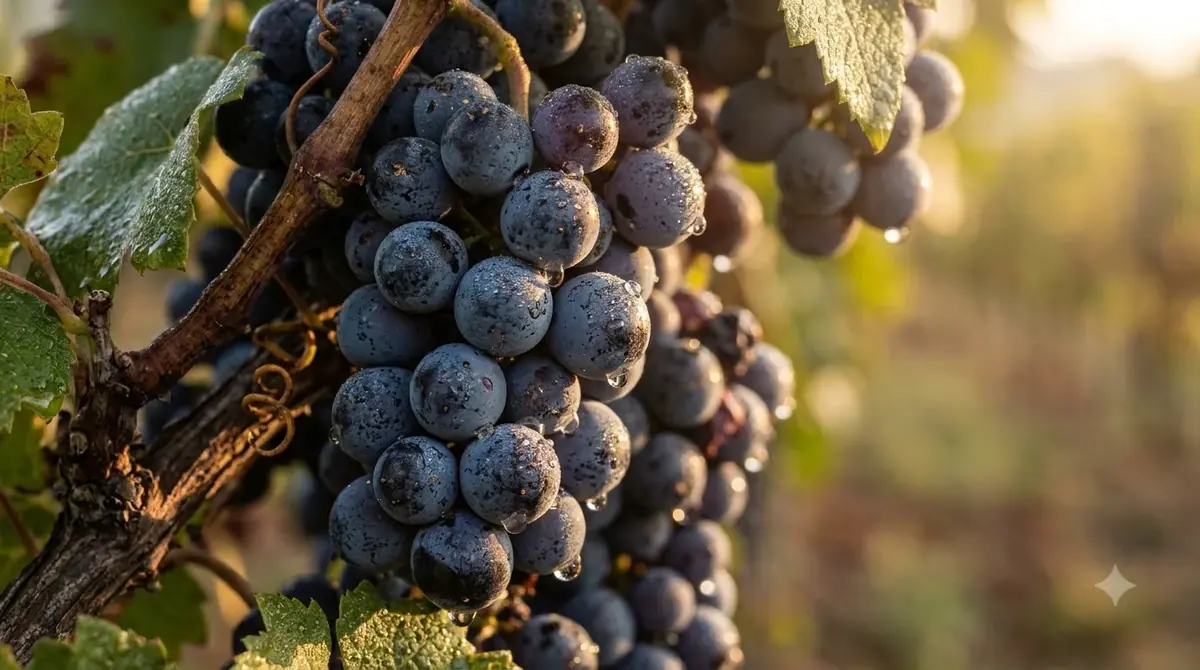
Tokaj is the region most people name first. Its misty autumns favor noble rot, which concentrates sugar and flavor in the grapes. Eger is equally important for reds, while Villány and Sopron offer a different kind of red wine altogether. Balaton is the place to look for lively, full-bodied whites that pair well with lake-side meals.
Key Grapes Behind Hungarian Wine
Hungary grows native grapes alongside international favorites such as Chardonnay, Merlot, and Cabernet Franc. Several varieties are said to originate in Hungary, including Ezerjó, Hárslevelű, and Irsai Oliver, while Furmint and Kadarka may also have Hungarian roots.
Furmint is the flagship. It is the grape best known for Tokaji Aszú, and it is also made as a dry wine that many people compare to Riesling in style. Kékfrankos is the main red grape and the backbone of Egri Bikavér. Hárslevelű, often blended with Furmint in Tokaj, adds floral aromas.
| Grape | Color | What to expect |
|---|---|---|
| Furmint | White | Dry, high acidity, green apple and Meyer lemon notes; the core of Tokaj |
| Hárslevelű | White | Aromatic, floral, often blended with Furmint |
| Kékfrankos | Red | Fresh black cherry and blackberry notes; the base of Egri Bikavér |
| Olaszrizling | White | Full-bodied and easy to drink; the main white of Balaton |
Hungarian Wine Styles You Will See Most
Hungarian wine covers a wide range, but three styles dominate most shelves and wine lists. Knowing them makes it easier to choose a bottle without guessing.
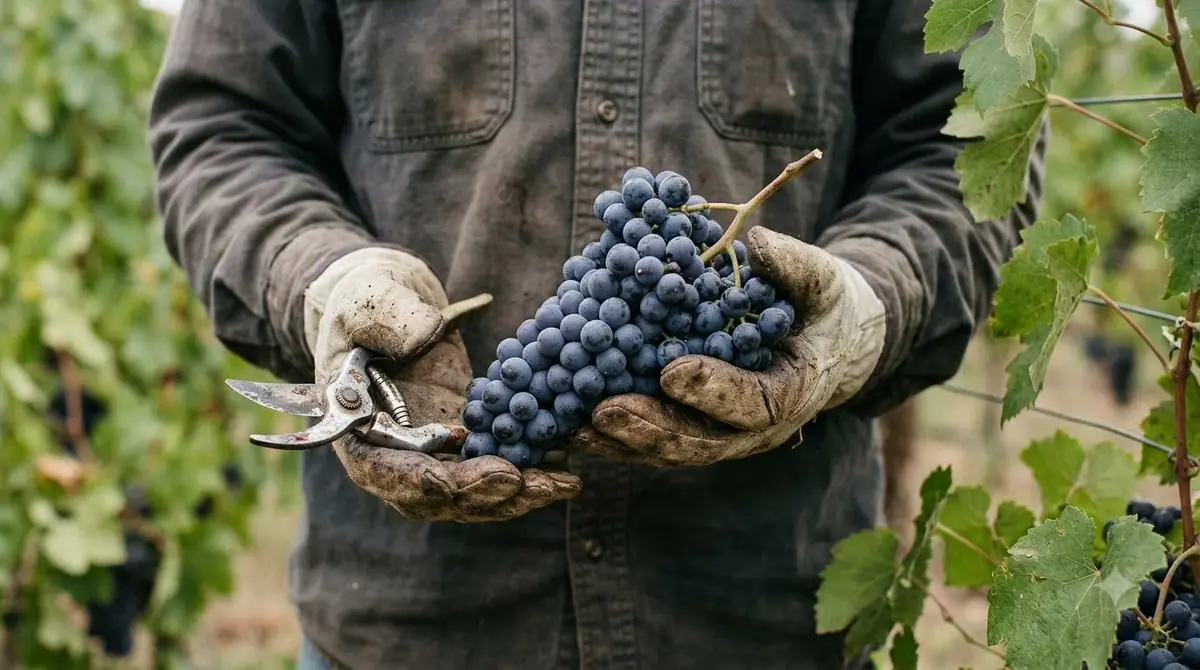
The first is sweet. Tokaji aszú is a botrytised white dessert wine, and it is the bottle most people have heard of. The second is red. Egri Bikavér is an elegant blend built mainly on Kékfrankos, while Villány produces heartier reds and Sopron offers lighter, fruit-forward versions. The third is white. Balaton makes full-bodied, high-acid whites, and Tokaj makes dry Furmint for drinkers who want something crisp and mineral.
Hungarian white blends and single-variety whites also show up on restaurant lists more often than many visitors expect. Olaszrizling from Balaton is a good example: it is a full-bodied, approachable white that suits relaxed lunches, while Hárslevelű from Tokaj brings a perfumed side that sits well beside lighter dishes. Reading the grape name on the label is often the fastest way to predict what the glass will taste like.
Dry Hungarian whites are usually the easiest entry point for new drinkers. The reds can be more structured, and Kékfrankos in particular has medium-high acidity and firm tannins that soften after a few years in the cellar.
How to Choose a Hungarian Bottle
Start with the grape and the region, then decide how sweet you want the wine to be. A dry Furmint from Tokaj is a good first choice for anyone who likes crisp Riesling-style whites. A Kékfrankos from Eger or Sopron suits people who want a lighter red with bright fruit, while a Villány red fits drinkers who prefer a fuller, spicier bottle.
If you are comparing Hungarian bottles with domestic options such as Arizona wine, look at the grape list first, since Hungary leans on native varieties that rarely appear on American labels. For a full-bodied red comparison, the Calistoga vineyards guide offers a useful reference point, because Villány’s Cabernet-based reds also aim for ripe fruit with real structure.
When a bottle is labeled as a dessert wine, read the sweetness cues on the label and the producer’s notes before you buy. Tokaji aszú is rich by design, so a small glass goes a long way for most people.
How to Serve and Pair Hungarian Wine
Serving temperature changes the way a wine tastes, and Hungarian whites respond well to a little care. According to Wine Folly’s Furmint guide, the grape is best served at 45 to 55°F (7 to 12°C) in a white wine glass, and it does not need decanting. Its green, spicy flavors and firm acidity pair well with herb-crusted poultry or fish, and with delicate Asian dishes such as sushi or dumplings.
Hungarian reds suit a range of meals. VinePair’s Blaufränkisch guide, which covers the grape as it is grown in Hungary under the name Kékfrankos, describes its high tannin and medium-high acidity as a good match for most meats, including poultry, duck, and hearty beef stew. Sweet Tokaji aszú is more flexible than most dessert wines because its acidity keeps the finish fresh. Try it with fruit-based desserts or with cheese that has a salty bite.
Tip: Hungarian wines often show their style on the back label. Look for the grape name and the region, then choose the sweetness level that suits your meal.
Frequently Asked Questions
What is Hungary’s most famous wine?
Tokaji Aszú is the best-known Hungarian wine. It is a sweet white made in the Tokaj region from grapes affected by noble rot, and it has a long reputation as a dessert wine.
Is all Hungarian wine sweet?
No. Sweet wines are the most famous export, but Hungary also makes many dry whites, including dry Furmint, and a wide range of reds. Check the label or ask the seller if you want a specific sweetness level.
What grape is Egri Bikavér made from?
Egri Bikavér, also called Bull’s Blood, is a red blend based mainly on Kékfrankos. It comes from the Eger region and has an elegant style rather than a heavy one.
How should I serve a dry Hungarian white?
Serve dry Furmint at about 45 to 55°F in a white wine glass. A short chill in the refrigerator is usually enough. Decanting is not necessary for young whites.
Hungarian wine rewards curiosity. Start with one dry white from Tokaj and one red from Eger, then compare them side by side with the wine regions guide open. That simple comparison shows how much a single country can offer, from dessert wines to fresh, everyday bottles.
More in Wine Regions
 Willcox Wine Trail: Discover Arizona’s High-Elevation Wine CountryUpdated Nov 20, 2026
 Yakima Valley Wine Region: Find the Best Styles to TryUpdated Nov 20, 2026
 Vosne Romanee Wine Tasting: Identify Aromas and Choose Better PairingsUpdated Nov 20, 2026
 Yakima Valley Wine Festival: Find the Best Seasonal Wine EventsUpdated Nov 20, 2026
 Wales Vineyards: Discover Cool-Climate Wines and Where to VisitUpdated Nov 20, 2026
 Yountville Wine Festival: Discover Napa Wines and Local FoodUpdated Nov 20, 2026