

We may earn a commission when you buy through links on this page, at no extra cost to you. Learn more.
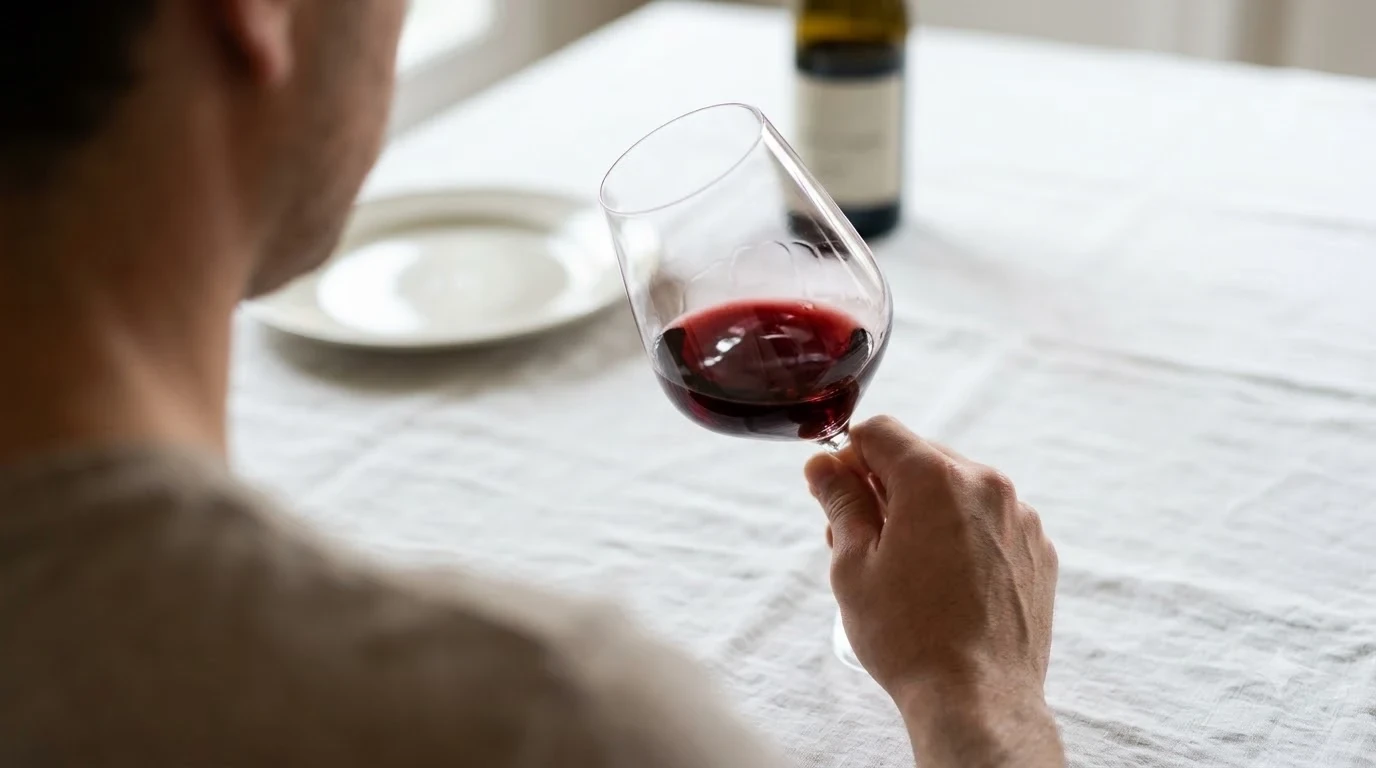
A red wine cocktail is any mixed drink built on red wine, and sangria is the classic example. Red wine has enough acidity, fruit, and tannin to hold its own against juice, sugar, citrus, and spirits. Choosing a light, dry, fruity bottle and serving the drink well chilled gives the most reliable results.
This guide covers which red wines mix well, how to chill a drink built on red wine, the main styles you will see on menus and in home recipes, and a few serving habits that keep the glass tasting fresh from the first pour to the last.
What makes a red wine cocktail work
A red wine cocktail works when the wine is the foundation of the drink, not a splash added for color. Its acidity keeps the drink lively, its fruit gives it body, and its tannin adds a dry structure that stops sweet ingredients from tasting flat. Those qualities are why red wine appears in punches, spritzes, and warm mulled drinks across many cultures.
The most famous example is sangria. According to the Wikipedia entry on sangria, the drink is an alcoholic punch from Spain and Portugal that traditionally combines red wine with chopped fruit. Spanish Rioja is the usual base wine, and the drink is typically served cold. Versions with white or sparkling wine exist, but the red version remains the reference point for the whole category.
Choosing the right red wine
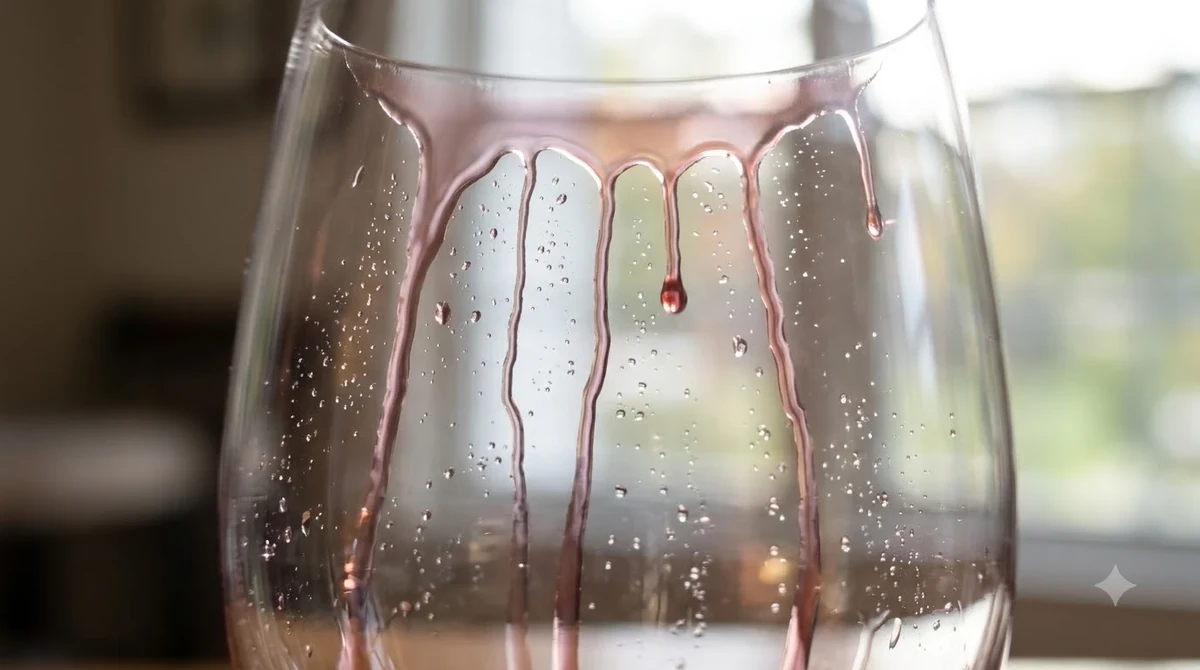
Light, fruity reds with low tannin are the easiest to mix. Their bright cherry and berry flavors hold up when you add juice, sugar, or fruit, and they do not turn bitter as the drink sits in the pitcher. Heavier, oak-aged reds can overpower the other ingredients, so they usually need more dilution or are better kept for drinking on their own.
Look for a dry wine with medium-high acidity. Acidity is what keeps the finished drink tasting clean after you add sweetener and fruit. If the wine tastes flat by itself, the cocktail will taste flatter still, so taste the base before you build the recipe. A simple test is to pour a small glass and ask whether you would be happy drinking it with a meal. If yes, it will likely work in a mixed drink too.
Spanish reds from regions such as Rioja are common in traditional recipes, but the same logic applies to dry reds from Italy, Portugal, or California when their fruit is ripe without being jammy. Very sweet dessert reds and heavily extracted, high-alcohol bottles are the ones to skip, because they leave little room for the other ingredients.
| Red wine style | Where it fits | What to watch |
|---|---|---|
| Light, fruity red | Sangria, punch, spritz-style drinks | Easy to chill; keep added sugar modest |
| Medium-bodied red | Balanced cocktails with citrus or herbs | Pairs well with orange and lemon |
| Full-bodied, oaked red | Warm, spiced, or mulled drinks | Needs sugar and dilution to balance tannin |
How to chill a red wine cocktail
Serving temperature matters more than many people expect. VinePair’s wine serving temperature guide puts light-bodied reds at 55 to 60 degrees Fahrenheit and full-bodied reds at 60 to 65 degrees. Those ranges are warmer than most whites, but still cooler than the room-temperature habit many people grew up with. A red wine cocktail built on a light red benefits from the same approach: start with a cool base.
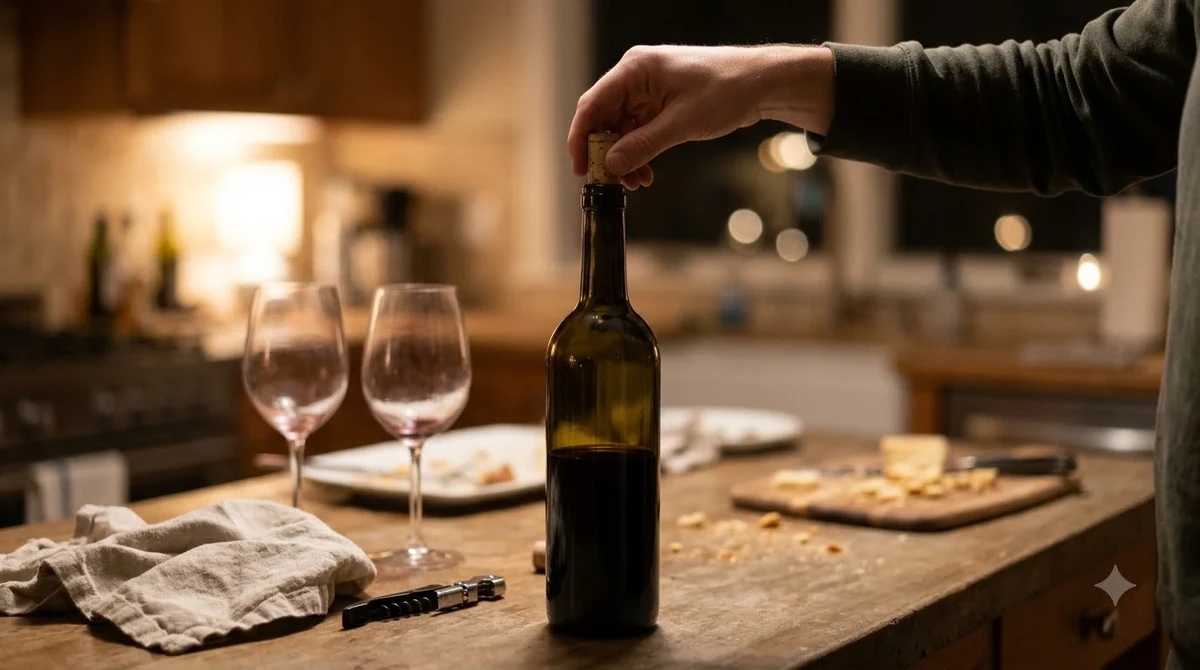
The same guide suggests refrigerating a bottle about an hour before serving, or putting it in the freezer for around 15 minutes when you are short on time. Chill the wine base before you combine it with fruit and ice. Ice dilutes a drink as it melts, so a cold base means less ice is needed to keep the glass cool, and the flavors stay sharper for longer.
Fruit benefits from chilling too. Keep sliced fruit in the refrigerator until the moment you add it to the pitcher. Warm fruit releases its juice quickly and can make the drink cloudy, while cold fruit steeps more slowly and keeps the wine clear.
Popular red wine cocktail styles
Sangria is the best starting point because the recipe is flexible. Red wine, chopped fruit, a sweetener, and a splash of citrus juice make up the core, and many cooks add a spirit such as brandy. The fruit should sit in the wine for a few hours so its flavor moves into the drink. Summer fruits such as peaches, berries, and nectarines work well, and apples and pears suit cooler months.
The same reference notes that white wine versions, known as sangria blanca, and sparkling versions, known as sangria de cava, are more recent variations. Those drinks follow the same logic of wine, fruit, and a little sweetness, but they call for a different base. If you want the classic flavor, stay with a dry red and let the fruit do the work of making the glass feel generous.
Spritz-style drinks take a different approach. A light red poured over ice with sparkling water or soda gives a lighter drink with more lift and a lower overall strength. If you like the same structure in a glass of chilled white, the white wine cocktail guide explains how lighter wines are mixed. For a drink with bubbles from the start, the sparkling wine cocktail page shows how carbonation changes the balance of sweetness and acid.
Warm drinks, such as mulled red wine, use the same base with cinnamon, clove, orange peel, and a little honey. Heat softens tannin and makes sweet spices more noticeable, so choose a slightly fuller red for these recipes. Keep the heat gentle so the alcohol does not turn sharp, and serve the drink in small mugs rather than letting it sit on a stove for hours.
Serving and garnish tips
Serve red wine cocktails in a large glass or a pitcher so guests can refill without opening a new bottle. Fruit garnishes such as orange wheels, apple slices, or a few berries add color and a fresh aroma when the glass is lifted. Avoid heavy garnishes that float and crowd the glass, because they can trap bubbles and make each sip uneven.
Make the drink ahead when the recipe allows. Many red wine cocktails taste better after a few hours, because the fruit releases its juice and the flavors blend. Add any carbonated ingredient, such as soda or sparkling water, just before serving so it keeps its fizz. Pour over fresh ice rather than ice that has been sitting in the pitcher, which can melt and make the glass watery.
Tip: Taste the base before adding sweetener. Once fruit and sugar are in, the drink hides small flaws, so it is easier to correct the wine first.
Frequently Asked Questions
What is the easiest red wine cocktail to make?
Sangria is usually the easiest. Combine a bottle of light, dry red wine with sliced fruit and a little sugar or orange juice, then chill it for a few hours before serving.
Can I use any red wine in a cocktail?
Most dry, fruity reds work well. Very tannic or heavily oaked wines can taste harsh once mixed, so choose a lighter bottle for punch and spritz-style drinks.
Should a red wine cocktail be served cold?
Usually, yes. Chilling the base keeps the drink fresh and softens the tannin. Light reds are often happiest a little cooler than the traditional room-temperature serve.
How strong is a red wine cocktail?
It depends on the recipe. A wine-based drink with soda or fruit is usually lighter than a spirit-forward cocktail, while added brandy raises the strength. Serve responsibly and keep track of how many glasses you pour.
For more background on the building blocks, the Wine by Type hub explains how red, white, and sparkling wines differ, which helps when you choose a base for your next drink.
More in Wine Types & Grapes
 Zinfandel Sugar Content: Dry Red vs. White Zinfandel GramsUpdated Nov 21, 2026
 Best Zinfandel Substitute Options for Sipping and CookingUpdated Nov 21, 2026
 Zweigelt Food Pairing: Best Dishes, Cheeses, and Serving TipsUpdated Nov 21, 2026
 Zinfandel Tannins Explained: How Structure Shapes Every BottleUpdated Nov 21, 2026
 Zinfandel Sweetness Level: Dry Red vs. Sweet White Zin ExplainedUpdated Nov 21, 2026
 Xinomavro Food Pairing: Best Dishes, Styles, and Serving TipsUpdated Nov 21, 2026