

We may earn a commission when you buy through links on this page, at no extra cost to you. Learn more.
Sancerre wineries are family estates and cooperative cellars in the eastern Loire Valley that make Sancerre, a bone-dry, highly aromatic Sauvignon Blanc, along with smaller amounts of Pinot Noir red and rosé. Many of them welcome visitors for tastings and cellar tours, and the town of Sancerre sits on a hill above the Loire River, so a visit combines wine with views over the vineyards. Booking ahead is wise, since many small domaines work by appointment.
This guide explains what makes Sancerre different, how the wine region is laid out, what to expect when you visit a winery, and how to plan a day among the vineyards. It is aimed at travelers, wine lovers, and anyone deciding where to spend a tasting afternoon in the Loire.
What Makes Sancerre Wineries Different
Sancerre is a French appellation, and the name on the label refers to both the wine and the place. The vineyards sit on the west bank of the Loire River, southeast of Orléans, and most of the land is planted with Sauvignon Blanc. According to the Wikipedia entry on Sancerre AOC, the appellation covers roughly 2,600 hectares of vines, a modest area that gives its wineries a close, local character.
Because the area is small, many wineries are family run and often produce several cuvées from different plots. A winery may make a fuller wine from one part of the hillside and a more mineral wine from another, so a visit is a good way to taste how soil shapes the glass. For a very different winemaking landscape, the Paso Robles wineries guide shows how a warmer California region approaches its own wine trail.
The Soils Behind the Flavor
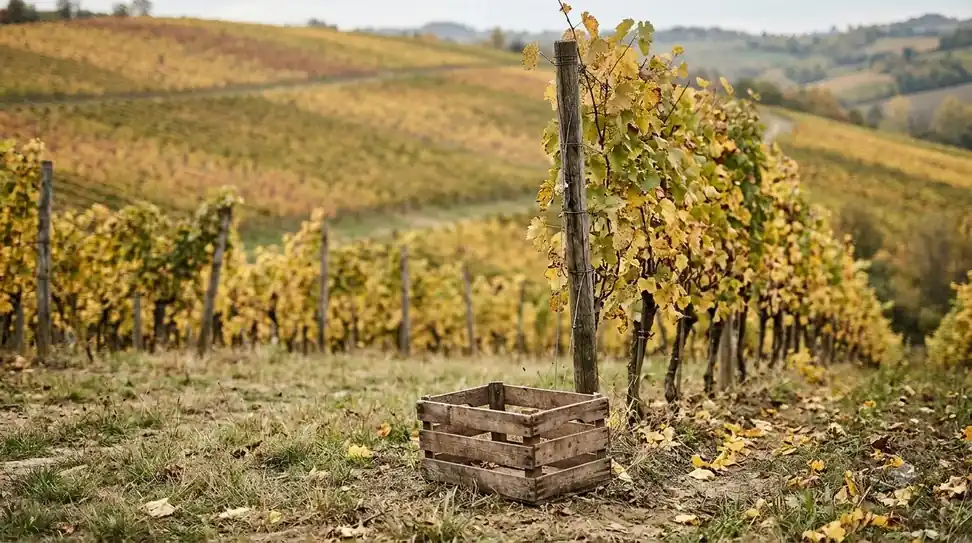
Soil is the reason many visitors come to Sancerre. The vineyards sit on a mix of soils, and each one tends to produce a different style of wine. Limestone with marl is common in the Chavignol area and gives many wines a fresh, saline edge. Flint, known locally as silex, is found around the town of Sancerre and often produces wines that taste more mineral and steely. Clay and limestone soils to the west tend to give fuller, rounder wines.
When you visit, ask which soil a particular cuvée comes from. Winemakers in the region enjoy explaining the difference, and a tasting that compares two plots side by side is one of the most instructive experiences you can have in the Loire.
Wine Folly’s sauvignon blanc guide, which covers the Loire, describes Sancerre as vibrant and lively, with intense mineral-driven and citrus notes and a textured, weighted palate. It also notes that silex, or flint, lends a smoky, gunflint quality to wines. Those descriptions give a useful checklist when you taste: note the minerality first, then the citrus, and see whether a flintier bottle reads differently from a chalkier one. The Wine Folly sauvignon blanc guide is a good reference for how the wine is described more broadly.
Types of Wineries You Will Find
Sancerre has a mix of estate wineries, family domaines, and cooperative cellars. Estates usually farm their own vineyards and make the wine from start to finish, which often means smaller production and a personal tour with the owner or winemaker. Larger houses may have a bigger visitor center, a longer tour, and a more formal tasting room.
Some visitors begin with a general learning stop before choosing individual domaines. The Maison des Sancerre is one place that travel guides often recommend for an overview of terroir, grapes, and the local wine trade. From there, you can plan visits to two or three producers, depending on how far you want to travel between them.
| Winery type | What to expect | Best for |
|---|---|---|
| Family estate (domaine) | Personal tasting, often by appointment, sometimes with the winemaker | Learning about specific plots and vintages |
| Larger house or negociant | Visitor center, longer tour, wider range of cuvées | First visit and a broad overview |
| Cooperative cellar | Simple tasting bar, affordable everyday bottles | Stocking up on approachable wines |
| Learning center | Introductory tasting and explanation of the appellation | Planning your route before visiting producers |
Tip: Tasting rooms in small villages can close for lunch and on some weekdays, so check opening hours before you set out. Many producers also prefer a short booking for a group.
How to Plan a Day of Winery Visits
A good plan covers two or three wineries rather than five or six. Tastings add up quickly, and each visit deserves enough time to compare the wines properly. Morning appointments tend to suit the most serious tastings, while afternoons are better for relaxed visits with a picnic on the hillside. A driver or a booked tour helps if you plan to taste several wines in one day.
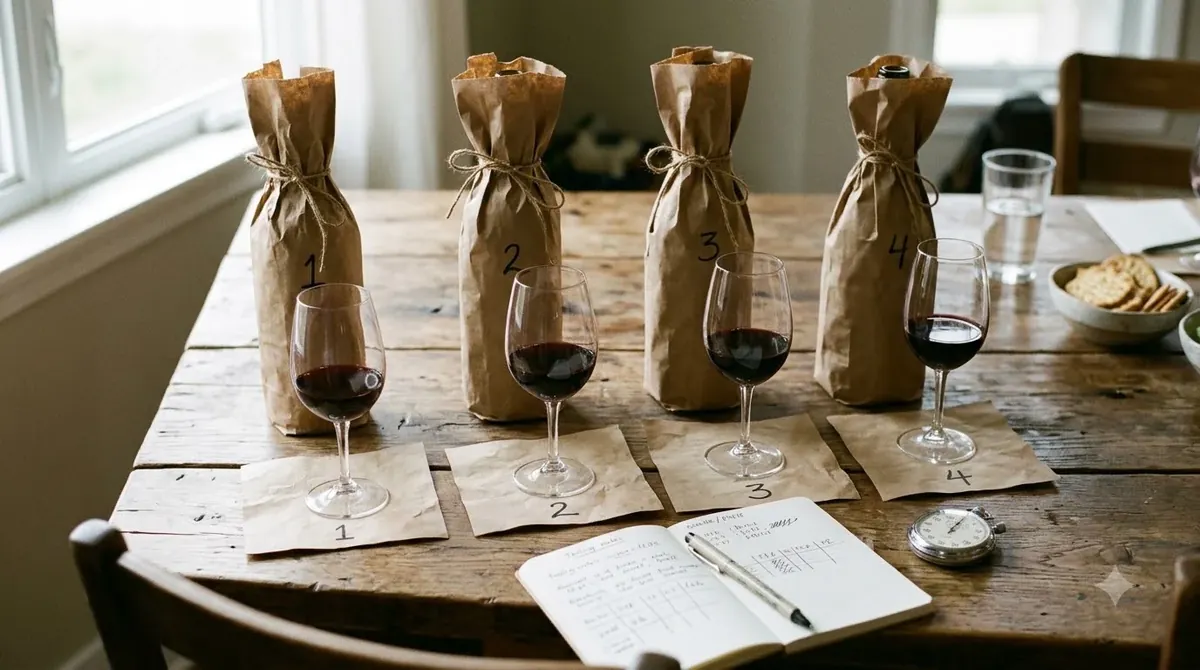
Ask the host to pour in a sensible order, usually from the lightest wine to the richest, so that the palate is not overwhelmed early on. Many tasting rooms also provide spit cups, and using them is normal rather than rude, especially when you plan to drive between estates. Carrying a notebook helps you remember which cuvée came from which slope.
Travel guides also suggest pairing a Sancerre visit with a trip across the river to Pouilly-Fumé, a neighboring appellation known for its Sauvignon Blanc. Comparing the two in one day is a fun way to see how terroir changes the same grape. Tour companies often run small-group trips that include lunch and several stops, which is a practical option if you do not want to drive.
The timing of your visit also matters. Spring brings the vineyards into bloom, and the early harvest in September gives you a sense of the region at work. Summer is the busiest season, so booking ahead is especially important then.
What to Taste at a Sancerre Winery
The white wine is the heart of the region. Sauvignon Blanc from Sancerre is dry, aromatic, and often shows citrus, gooseberry, and fresh-cut grass, with a mineral finish. Depending on the soil, a white can feel lighter and sharper or fuller and rounder. Ask for a comparison of two bottles from different plots to see the difference.
Red Sancerre is made from Pinot Noir and is less common, but it is worth tasting if you enjoy light red wines. The style is floral and delicate, with red fruit and a silky texture. Rosé is also made in small amounts, usually dry with raspberry and strawberry notes. Tasting all three colors at one winery gives you a clearer picture of what the estate can do.
Frequently Asked Questions
Do you need an appointment to visit a Sancerre winery?
Many family domaines work by appointment, especially for in-depth tastings. Larger houses and tasting rooms in the villages often welcome walk-in visitors during opening hours, but booking ahead is the safest approach.
What is the best time of year to visit Sancerre wineries?
Late spring and early autumn are popular, since the vineyards look their best and the weather is comfortable. Summer is busy, and the harvest in September is a special time to see the region at work.
Is Sancerre only white wine?
No. White Sauvignon Blanc is the main product, but the region also makes Pinot Noir red and a small amount of rosé. Red and rosé are much less common, so they are worth tasting when you visit.
How many wineries should I visit in one day?
Two or three wineries is a comfortable limit for a single day. Tastings add up, and a relaxed pace gives you time to compare wines and talk with the people who make them.
Sancerre wineries reward slow travel and careful tasting. Choose a few producers, ask about the soils behind each wine, and compare white, red, and rosé where you can. For a wider view of the wine regions you might pair with a Loire trip, the Wine Regions guide is a useful next step, and Bordeaux wineries offer a very different tasting experience on the other side of France.
More in Wine Regions
 Willcox Wine Trail: Discover Arizona’s High-Elevation Wine CountryUpdated Nov 20, 2026
 Yakima Valley Wine Region: Find the Best Styles to TryUpdated Nov 20, 2026
 Vosne Romanee Wine Tasting: Identify Aromas and Choose Better PairingsUpdated Nov 20, 2026
 Yakima Valley Wine Festival: Find the Best Seasonal Wine EventsUpdated Nov 20, 2026
 Wales Vineyards: Discover Cool-Climate Wines and Where to VisitUpdated Nov 20, 2026
 Yountville Wine Festival: Discover Napa Wines and Local FoodUpdated Nov 20, 2026