

We may earn a commission when you buy through links on this page, at no extra cost to you. Learn more.
Loudoun County wine country is a Northern Virginia wine region with more than 50 wineries and tasting rooms about 25 miles west of Washington, DC. Its vineyards stretch from the Blue Ridge foothills toward the warmer eastern piedmont, giving visitors a range of settings and wine styles in a compact county. Cabernet Franc, Viognier, Chardonnay, Petit Verdot, Norton, and Tannat are among the grapes worth seeking out.
Often called DC’s Wine Country, Loudoun combines rural vineyard views with historic towns, farm restaurants, and tasting rooms that range from restored barns to contemporary lounges. The best visit starts with a sense of the county’s geography: Leesburg makes a convenient base, while Purcellville, Bluemont, Hillsboro, and Middleburg each lead to a different corner of the region.
Where Loudoun Wine Country Sits and How It Began
Loudoun is close enough to Washington, DC for a day trip, yet its wine country is spread across rolling farmland, river valleys, and the foothills of the Blue Ridge. Visit Loudoun places the county about 25 miles west of the capital and counts more than 50 wineries and tasting rooms, with close to a dozen within a short drive of historic Leesburg.
That geography shapes how visitors plan. Leesburg is a practical starting point, not the only place to stay: the western communities of Purcellville, Hillsboro, and Bluemont sit toward the Blue Ridge foothills, while Middleburg lies to the south among horse farms and historic homes. The towns are spread out, so plan the route. The Loudoun Valley falls within the Middleburg AVA, while the wider county spans several distinct ridge and piedmont settings; the Wine Regions overview explains how geography shapes regional identity.
Loudoun’s commercial wine history is comparatively young. Visit Loudoun traces the start to Lew Parker at Willowcroft Farm Vineyards, where he planted vines before harvesting and barreling the county’s first wine in 1984. Parker’s early success helped establish a local industry at a time when eastern winemakers were learning which varieties and vineyard practices could work in Virginia’s humid, changeable climate. The story is not simply one of a single pioneer: later producers built distinct approaches around estate-grown fruit, blends, and grapes that suit their individual sites.
How Elevation, Soil, and Climate Shape the Wines
Loudoun’s landscape is a patchwork of elevations, exposures, and soil types, not a single vineyard environment. The Loudoun Wineries & Winegrowers Association describes the county as a cool-to-moderate climate area with approximately 1,900–2,100 growing degree days, calculated on a 50°F base, and notes that western high-elevation sites differ from the warmer central valley and eastern piedmont.
The western corridor rises toward the Blue Ridge, Short Hill, and Catoctin ridges. According to the association, its higher vineyard sites are generally cooler, receive more rainfall, and experience greater day-to-night temperature shifts. Those conditions can help preserve freshness in aromatic whites and give red wines a firmer, more acid-driven profile. The association identifies well-drained soils that include metabasalt and greenstone from the Catoctin Series, granite gneiss, and sandstone and shale associated with the Newark Supergroup. These geological differences matter because soil drainage, water availability, and slope exposure influence vine vigor and the pace of ripening.
Farther east, the central valley and piedmont are warmer and drier, giving red grapes more opportunity to reach full phenolic development. A Cabernet Franc from a cooler hillside may emphasize freshness, while a warmer site may give the fruit a riper shape and broader texture. Growing degree days estimate accumulated warmth above a chosen base temperature; the countywide figure is a broad climate guide, not a promise that every vineyard ripens at the same pace.
| Area described by the association | Climate detail | Wine-growing implication |
|---|---|---|
| Loudoun overall | About 1,900–2,100 growing degree days; 50°F base | Cool-to-moderate growing conditions with meaningful site variation |
| Higher western sites | Cooler, wetter, with larger day-to-night temperature shifts | Aromatic whites and structured, acidity-led reds |
| Central valley and eastern piedmont | Warmer and drier than the western highlands | More opportunity for full phenolic development in red grapes |
Growing degree days estimate accumulated warmth above a base temperature over the growing season. The 1,900–2,100 range is a broad climate guide, not a promise that every vineyard receives identical heat or ripens every grape at the same pace. Elevation, aspect, rainfall, and the timing of seasonal weather can make two vineyards a short drive apart behave differently.
Grapes and Wine Styles to Look For
Loudoun is a varied grape-growing region, with both familiar European varieties and grapes that have a particular connection to Virginia. The county’s tourism office lists Bordeaux varieties, Chardonnay, Viognier, Albariño, Nebbiolo, Merlot, Tannat, and Norton among the grapes represented, while local producers also bottle blends, rosé, and sweet wines.
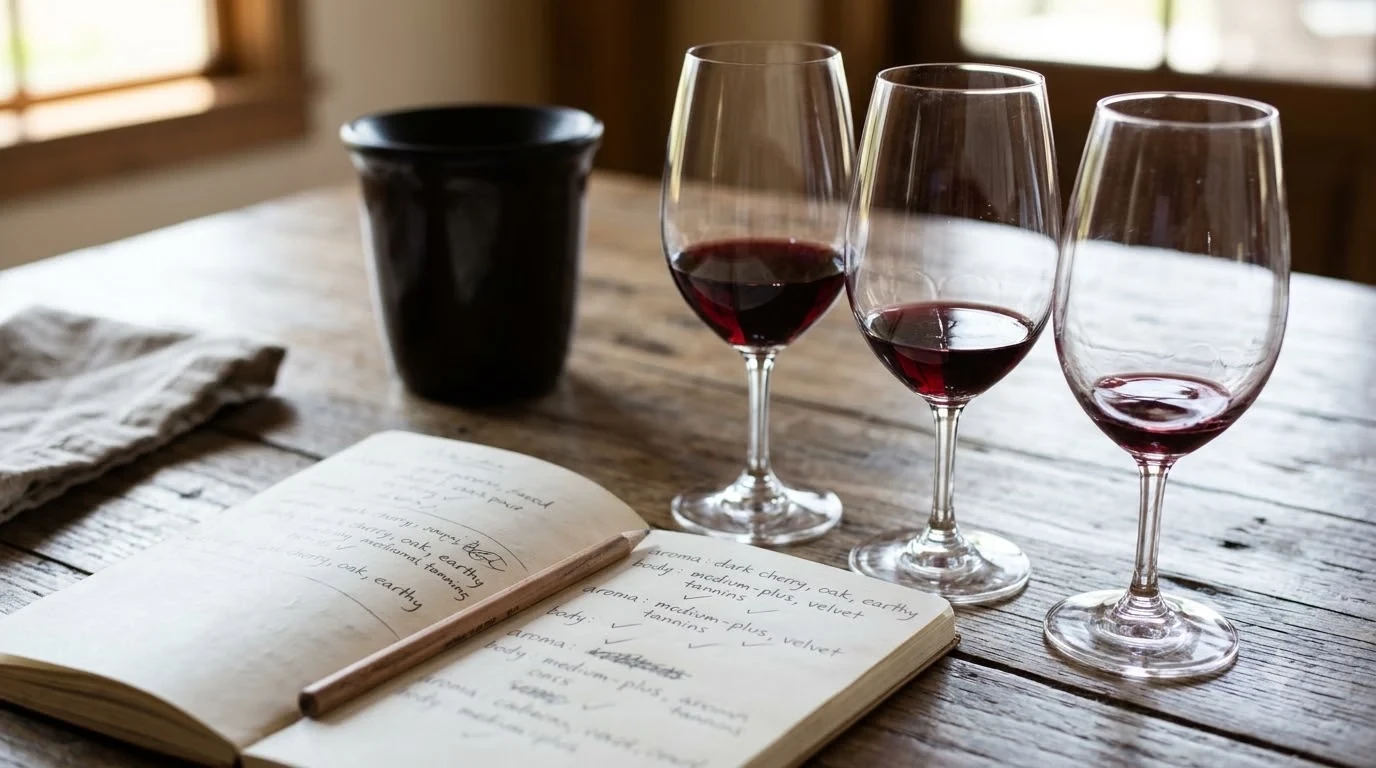
Cabernet Franc is one of the most useful starting points for understanding local red wine. It appears as a single-variety bottling and as part of Bordeaux-inspired blends, where it can contribute red-fruit character and herbal detail. Merlot and Petit Verdot also feature in the region’s red-wine mix. Some producers make structured blends built around these grapes; others favor a softer, more approachable style intended for drinking with a meal. Tasting more than one producer’s Cabernet Franc is a good way to see how vineyard elevation, ripeness, and oak choices change the result.
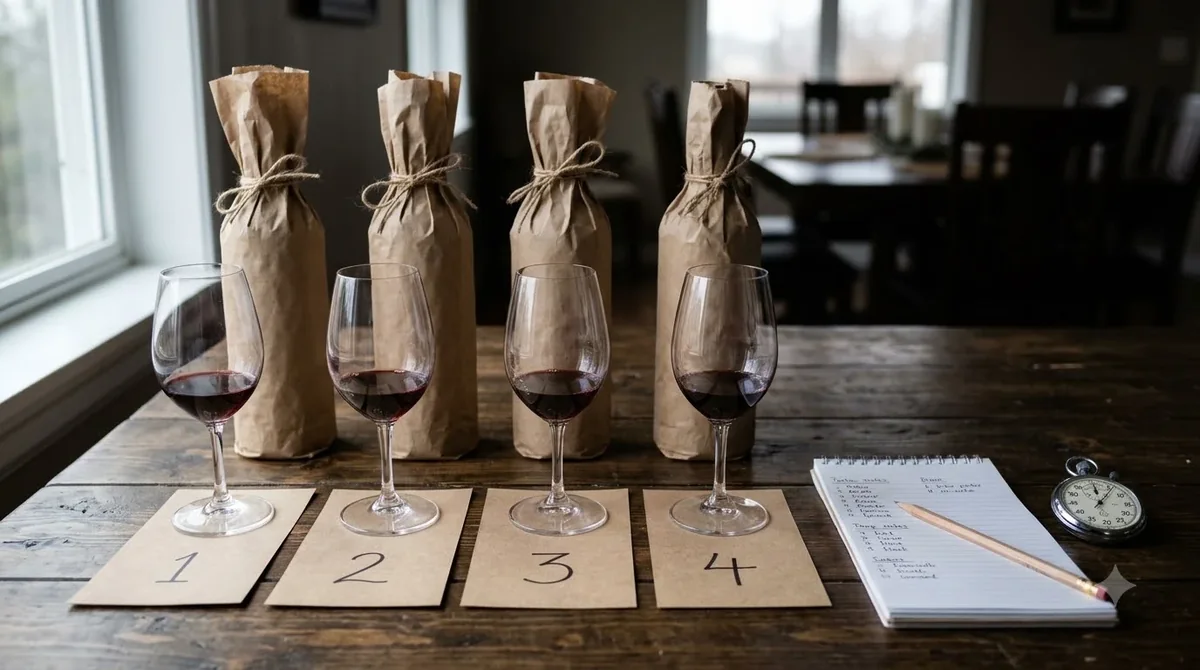
For white wine, look for Viognier, Chardonnay, Sauvignon Blanc, Albariño, and Petit Manseng. Viognier is aromatic and often gives a generous impression of peach, apricot, or flowers, making it an interesting contrast to a more restrained Sauvignon Blanc. Chardonnay can range from citrus-led and crisp to broader and more textured depending on the site and cellar decisions. Albariño is a natural candidate for seafood, while Petit Manseng can appear in dry, off-dry, or sweeter interpretations. A flight with two whites and two reds can reveal more than ordering one familiar grape.
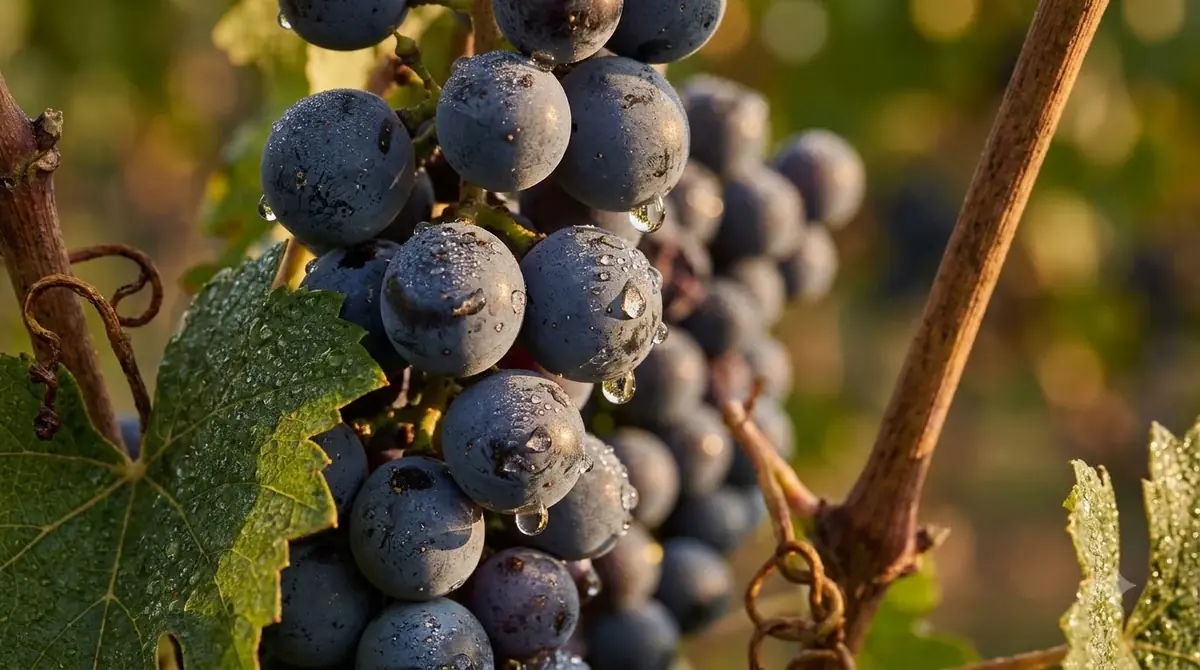
Norton deserves attention because it is Virginia’s native grape, with a darker, more rustic character than many familiar European varieties. Tannat is another distinctive red to seek out: the grape is known for substantial tannin, and Virginia winemakers are exploring ways to balance that structure with freshness and texture. Wine Enthusiast’s report on Virginia Tannat describes producers experimenting with gentler extraction and different aging choices. Treat the grapes here as a shortlist, not a fixed inventory at every winery: some estates focus on estate-grown fruit, while others make blends or seasonal bottlings. Ask which wine best represents the property’s site rather than choosing by variety name alone.
Winery Areas: Leesburg, Purcellville, Bluemont, and Middleburg
Leesburg is the easiest hub for a first visit because it combines a historic downtown with a cluster of nearby tasting rooms. Visit Loudoun notes that close to a dozen wineries are within a short drive, so visitors can spend time in town and still reach vineyard settings without crossing the entire county. It also works as a base for expanding west or south on another day.
West of Leesburg, Purcellville, Hillsboro, and Bluemont lead toward higher country and Blue Ridge views. Breaux Vineyards is in western Loudoun; Visit Loudoun’s history of the county’s pioneering winemakers says the Breaux family opened the winery to the public in 1997 after developing a 404-acre farm. Bluemont is another recognizable wine-country destination in the foothills, while Hillsboro gives visitors a quieter small-town stop between vineyard visits. This side of the county is a good match for people who want a scenic drive, broad views, and a slower afternoon at a tasting patio.
South of Leesburg, Middleburg pairs wine tasting with horse-country scenery and historic architecture. Chrysalis Vineyards sits outside town and is closely associated with Norton; founder Jenni McCloud planted its first vines in 1997 after becoming interested in the Virginia grape. Near Lucketts, Fabbioli Cellars grew from a 25-acre property Doug and Colleen Fabbioli bought in 2001, where they planted Merlot with a little Petit Verdot for blending. Choose one cluster rather than trying to cross every corner in a single outing; the Loudoun County wine trail can help turn the broad areas into a workable sequence of stops.
Planning a Tasting Day That Feels Unhurried
A good Loudoun itinerary is built around distance, opening hours, and how much time you want at each winery. With more than 50 wineries and tasting rooms spread through the county, selecting two or three stops in one area is usually more comfortable than trying to collect as many visits as possible.
For a simple Leesburg day, start with a late-morning tasting, take a lunch break, and visit a second estate in the early afternoon. Leave the final part of the day for downtown, a farm shop, or a relaxed meal. The county tourism office’s wine-country overview is useful for checking the broader destination map and visitor ideas. A western route can instead pair a Purcellville-area winery with a stop nearer Bluemont, while a Middleburg-focused day can combine one tasting with time to explore the town’s historic streets and nearby countryside. These are suggested rhythms, not fixed tour schedules; confirm each property’s current hours, reservation rules, food service, and group policies before setting out.
Winery experiences vary as much as the wines. Visit Loudoun describes tasting spaces in restored nineteenth-century barns, farmhouses, modern glass-walled lounges, cellars, and barrel rooms. Some properties add talks, classes, grape stomping, live music, yoga among the vines, book clubs, harvest dinners, and farm-to-table meals. Spring and summer bring green vineyard views, while autumn often adds foliage and harvest activity; event calendars are more dependable than assuming an activity will run on a particular weekend. The Loudoun County wine festival page can help with event planning, and the guide to Loudoun County wine tasting explains what to expect at a tasting-room visit.
Tip: Choose a designated driver or arrange transportation before the first tasting, and keep the day to a small number of stops. Call ahead about group reservations, outdoor seating, food options, and policies on children or pets; offerings differ by property.
For a group with varied interests, ask about non-wine options as well as the flight list. Confirm outside-food rules and tasting length before setting out.
Food Pairings, Serving Temperatures, and Taking Wine Home
Loudoun wines work well at the table because the region offers crisp whites, aromatic whites, structured reds, and sweeter styles. Pair by balancing acidity, sweetness, tannin, and weight: acidic food needs a wine with equal or higher acidity, salt and fat soften tannin, and dessert wine should be at least as sweet as the dish.
For a local-style pairing, match Sauvignon Blanc or Albariño with oysters, crab, or grilled fish; their freshness suits seafood better than a tannic red. Chardonnay can accompany roast chicken, creamy vegetable dishes, or a richer fish preparation. Cabernet Franc works with grilled pork, roasted mushrooms, or a herb-seasoned burger, while Merlot and Bordeaux-style blends can stand up to braised beef or lamb. Tannat and Petit Verdot are stronger partners for rich, protein-forward dishes, especially when there is enough fat or salt to soften their tannins. Avoid pairing a highly tannic red with oily fish, and be careful with chili heat because alcohol and tannin can make the burn feel stronger.
Serving temperature makes a real difference. Light whites and rosé show best around 45–50°F, while fuller-bodied whites such as richer Chardonnay are generally better around 50–55°F. Light reds are often most expressive at 55–60°F; fuller reds are better around 60–65°F. Sweet whites can be served cooler, around 43–50°F. A refrigerator can chill a bottle too far, so take a white out briefly before pouring if its aromas seem muted.
Take-home bottles deserve care. Store wine away from direct sunlight and temperature swings, ideally near 55°F; natural-cork bottles are generally stored on their sides. Refrigerate opened wine: still wines usually keep for three to five days, sparkling wines one to three days with a suitable stopper, and fortified wines several weeks. A 750 ml bottle gives about five 5-ounce pours. Young, full-bodied reds often benefit from 30–60 minutes of air, but ask the winery team about the bottle’s drinking window rather than assuming every red needs years of aging.
Frequently Asked Questions
These quick answers cover practical points that often come up before a first visit, from the county’s earliest bottle to the identity of native grapes and how Loudoun wines reach drinkers beyond the tasting room.
What was the first wine made in Loudoun County?
The county’s first wine was a 1984 Riesling made by Lew Parker at Willowcroft Farm Vineyards, according to Visit Loudoun’s account of the area’s pioneering winemakers. Parker’s success helped establish the local wine industry and remains an important reference point for the county’s later producers.
Where did Virginia’s Norton grape originate?
Visit Loudoun describes Norton as a hybrid grape that originated in Richmond in the nineteenth century. That local origin is one reason some Loudoun producers treat Norton as a distinctive expression of Virginia rather than simply another international variety.
Why is Tannat associated with aging potential?
Wine Enthusiast describes Tannat as a grape with high tannin, high acidity, and ageability. Those structural elements can help a well-balanced wine develop over time, although the result depends on ripeness, extraction, oak choices, and the winemaker’s intended style.
Are Loudoun wines sold only at the wineries?
The Loudoun Wineries & Winegrowers Association says its wineries remain focused on direct-to-consumer sales, while a select group participates in its trade distribution initiative. That means availability in restaurants and retail shops can vary by producer and bottling.
What makes Willowcroft a special part of Loudoun’s wine history?
Visit Loudoun reports that Lew Parker still makes vintages at Willowcroft and grows 12 grape varieties on the property. The stone basement of the farm’s 1790s farmhouse has also become a wine library where he archives every bottle he has made.
Loudoun County rewards visitors who slow down, choose a geographic area, and taste beyond the best-known grapes. Start with Cabernet Franc, Viognier, or Norton, then let the vineyard setting and the people making the wine guide the next pour.
More in Wine Regions
 Willcox Wine Trail: Discover Arizona’s High-Elevation Wine CountryUpdated Nov 20, 2026
 Yakima Valley Wine Region: Find the Best Styles to TryUpdated Nov 20, 2026
 Vosne Romanee Wine Tasting: Identify Aromas and Choose Better PairingsUpdated Nov 20, 2026
 Yakima Valley Wine Festival: Find the Best Seasonal Wine EventsUpdated Nov 20, 2026
 Wales Vineyards: Discover Cool-Climate Wines and Where to VisitUpdated Nov 20, 2026
 Yountville Wine Festival: Discover Napa Wines and Local FoodUpdated Nov 20, 2026