

We may earn a commission when you buy through links on this page, at no extra cost to you. Learn more.
Loudoun County wine tasting gives visitors a chance to sample Virginia-grown Cabernet Franc, Viognier, Norton, and other distinctive wines at more than 50 wineries and tasting rooms west of Washington, DC. The county combines vineyard estates, restored farm buildings, and modern tasting spaces across the Blue Ridge foothills and Piedmont. A good first visit means choosing a compact route, tasting a few local grapes with attention, and leaving time for the scenery.
Most itineraries begin around Leesburg, then branch toward Purcellville, Bluemont, Hillsboro, Waterford, or Middleburg. The best plan depends on whether you prefer mountain views, seated flights, estate-grown reds, aromatic whites, or an afternoon with food. Two or three wineries make a satisfying day; more stops can turn the tasting into a hurried exercise.
Why Loudoun County Tasting Feels Different
Loudoun has more than 50 wineries and tasting rooms, according to the county tourism office, and sits about 25 miles west of Washington, DC. Despite that proximity to the capital, the setting is rural: rolling hills, river valleys, horse farms, small towns, and vineyard slopes create a patchwork rather than one concentrated wine village.
Leesburg is a practical starting point because close to a dozen wineries are within a short drive of its historic downtown. From there, head west toward Purcellville, Hillsboro, and Bluemont, where vineyards reach into the foothills of the Blue Ridge. South of Leesburg, Middleburg offers another mood, with family-run wineries near historic homes and horse farms. Waterford and Lovettsville make good northern options, so choose one part of the county rather than crossing the whole map in one afternoon. The Visit Loudoun winery and tasting-room directory is a useful way to compare locations before setting a route.
The landscape helps explain the range of wines. Loudoun Wine’s regional overview describes a county that stretches from the Blue Ridge through the Short Hill and Catoctin ridges into the warmer eastern Piedmont, with well-drained soils that include metabasalt and greenstone, granite gneiss, sandstone, and shale. The association gives the region approximately 1,900 to 2,100 growing degree days using a 50°F base. Higher western sites are cooler and wetter, while central and eastern areas are warmer and drier; part of the Loudoun Valley lies within the Middleburg American Viticultural Area. For context on how geography shapes local styles, see the site’s overview of Wine Regions.
Grapes and Wines to Put on Your Flight
Start with Cabernet Franc, Viognier, and Norton, then add Petit Manseng or Albariño to see the breadth of Loudoun’s vineyards. These grapes show why local tasting rooms can move from aromatic white wine to herbal red and deeply colored native-variety wine within one county.
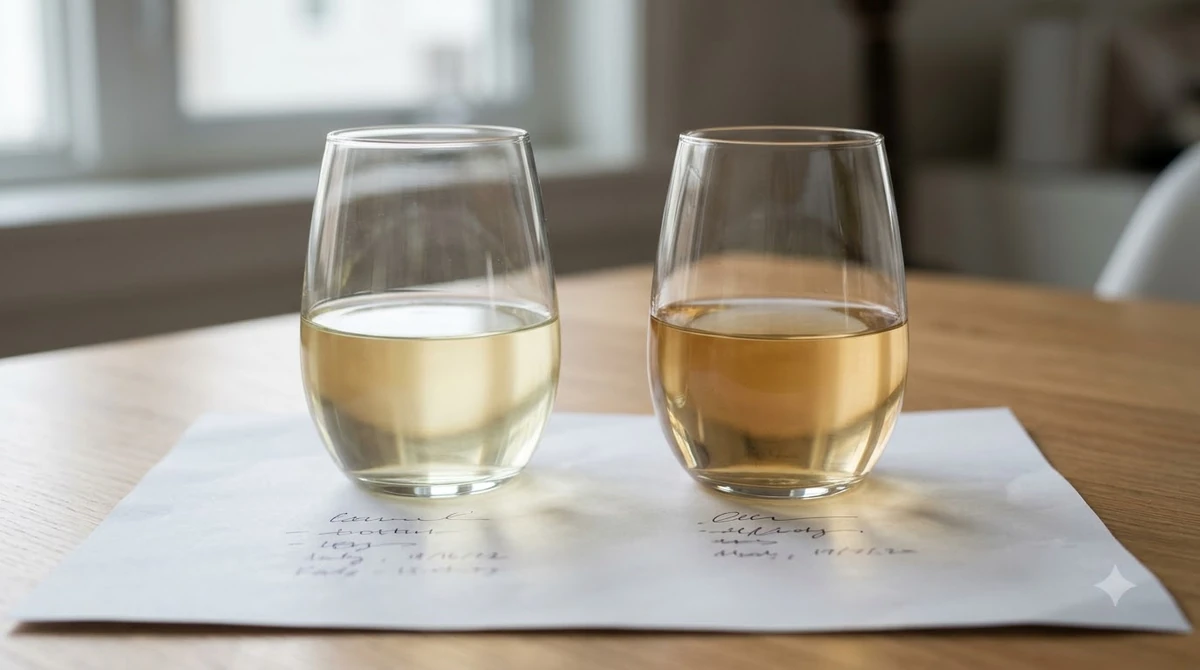
Cabernet Franc is one of Loudoun’s most widely planted grapes, and it appears as a single-variety red, in Bordeaux-style blends, and as rosé. Look for fresh red-fruit character and herbal or peppery notes, then compare how ripeness and oak change the texture. A lighter version can work with roast chicken, grilled vegetables, or mushrooms; a more structured bottling can stand up to grilled steak. Viognier is a useful white for visitors who enjoy expressive aromas of peach, apricot, pear, or flowers, usually with a fuller texture than a crisp, lean white. Compare it with Chardonnay, Sauvignon Blanc, or Grüner Veltliner to notice the differences in acidity and weight.
For a taste of Virginia identity, order Norton. Visit Loudoun describes it as the state’s native grape, and Chrysalis Vineyards is noted for its substantial Norton plantings. Norton is typically dark, fruit-forward, and earthy, with enough structure to pair with grilled meats. Tannat offers another route to a substantial red, with deep color, acidity, and lingering tannin. If you prefer an unusual white, Petit Manseng can be made dry or with noticeable sweetness; its natural acidity helps keep a richer style from feeling flat. Albariño brings a brighter citrus-and-apple profile, useful beside seafood or a crisp cheese plate. The local producer roster also includes Petit Verdot and rosé made from Cabernet Sauvignon, so a flight need not stop at familiar international grapes.
Winery Stops Worth Building Around
Choose tasting rooms for the kind of visit you want, not only for a particular wine. Sunset Hills, Breaux Vineyards, Chrysalis Vineyards, and Stone Tower offer different settings, from restored farm architecture and mountain views to broad estate grounds and distinct indoor tasting spaces.
Sunset Hills Vineyard suits visitors who enjoy historic architecture: Virginia’s tourism itinerary describes its tasting room as a 130-year-old barn restored by Amish carpenters, with a loft fireplace and two decks overlooking the vines. The same itinerary singles out its Cabernet Franc and Viognier. The state’s touring-and-tasting itinerary also shows how winery visits can fit alongside meals and historic towns. Breaux Vineyards offers a larger estate setting, described by the state tourism office as 404 acres with more than 80 acres of vineyards and views toward the Blue Ridge Mountains. Allow time to sit with a flight at either property rather than treating it as a quick detour.
For a taste of Virginia grapes, add Chrysalis Vineyards near Middleburg. The state tourism itinerary describes a 400-acre estate with a stone patio, views of the Bull Run Mountains, and a focus on Norton. Near Leesburg, Stone Tower Winery offers a more varied visitor setup: a regional first-visit guide distinguishes its family-oriented Harvest Barn from a quieter tasting room. Smaller producers can be more personal; the same guide describes Zephaniah Farm Vineyard as a working farm run by the Hatch family since 1949, with seated tastings in a timber barn, and The Wine Reserve at Waterford for its self-guided Wine Lab flight and Blue Ridge views. These are distinct experiences, so match the choice to your group’s interests. The broader Loudoun County wine country overview can help compare the county’s different areas and tasting-room styles.
Plan a Route by Town and Travel Time
The most comfortable Loudoun itinerary usually covers two or three nearby wineries, with a meal or a walk between tastings. Leesburg works well as a hub, while Purcellville and the western foothills suit a countryside-focused day and Middleburg makes a natural base for a southern loop.
For a first visit, choose a direction before leaving Leesburg. A northern or western route can include Purcellville, Waterford, or Hillsboro; a Blue Ridge foothills route can extend toward Bluemont. A southern route can combine Middleburg with wineries around Aldie. The county’s tasting rooms are spread across a large rural area, and more than 50 venues do not sit beside one another. Country roads, turns, and changing speed limits can make a short map distance take longer than expected. A practical day might begin with a late-morning tasting near Leesburg, pause for lunch in Purcellville, and finish with one afternoon stop farther west. Another option is to spend the day around Middleburg, pairing a winery visit with a meal and time in the historic town.
Check each winery’s current visitor information before setting out. Some places work best with a seated tasting or scheduled tour; others have open lawns, terraces, or casual walk-in areas. Confirm whether a reservation is required for your party size, whether food is available, and whether outside food is allowed. Policies for children, pets, picnics, and groups can differ even between nearby venues. Transportation deserves the same attention: choose a designated driver or arrange rides in advance rather than assuming a car will be readily available at a rural tasting room. The Loudoun County wine trail can help group nearby stops, but confirm current details with each winery. Two well-chosen stops with a proper meal are better than four hurried visits.
Make Each Tasting Count
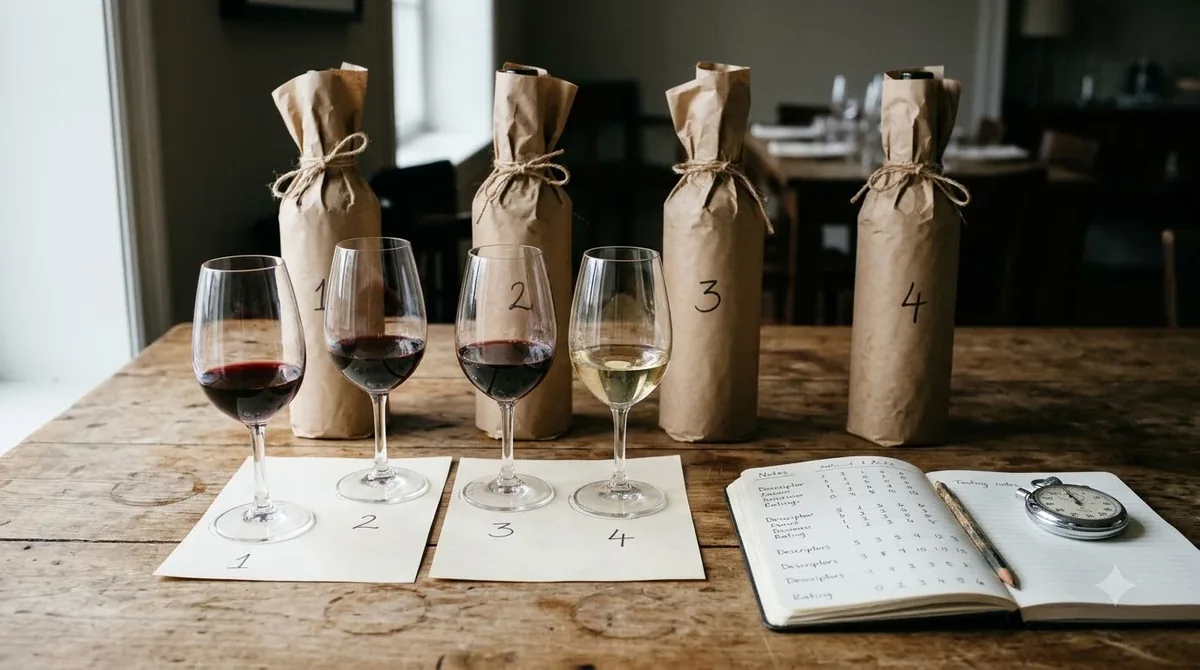
A deliberate tasting helps you remember what you liked and why. Start with lighter whites and rosé, move to fuller whites and lighter reds, and finish with firmer reds or sweeter wines; give each glass a moment before deciding whether it suits your palate.
Ask the person pouring to explain the grape, growing site, and winemaking choice that most affects the wine. Compare Viognier with Chardonnay, then Cabernet Franc with Norton. Notice acidity, body, tannin, aroma, and finish separately: acidity makes the mouth water, tannin creates a drying sensation, and body describes the wine’s weight. The serving temperatures below are practical targets. A cooler white can seem more focused, while an overly warm red may feel heavier and more alcoholic.
| Wine style | Serving temperature | What to notice |
|---|---|---|
| Light white or rosé | 45–50°F | Fresh acidity, citrus, and floral notes |
| Full-bodied white | 50–55°F | Texture, ripe fruit, and oak influence |
| Light red | 55–60°F | Red fruit, freshness, and gentle tannin |
| Full-bodied red | 60–65°F | Structure, tannin, and darker fruit |
| Sweet white | 43–50°F | Balance between sweetness and acidity |
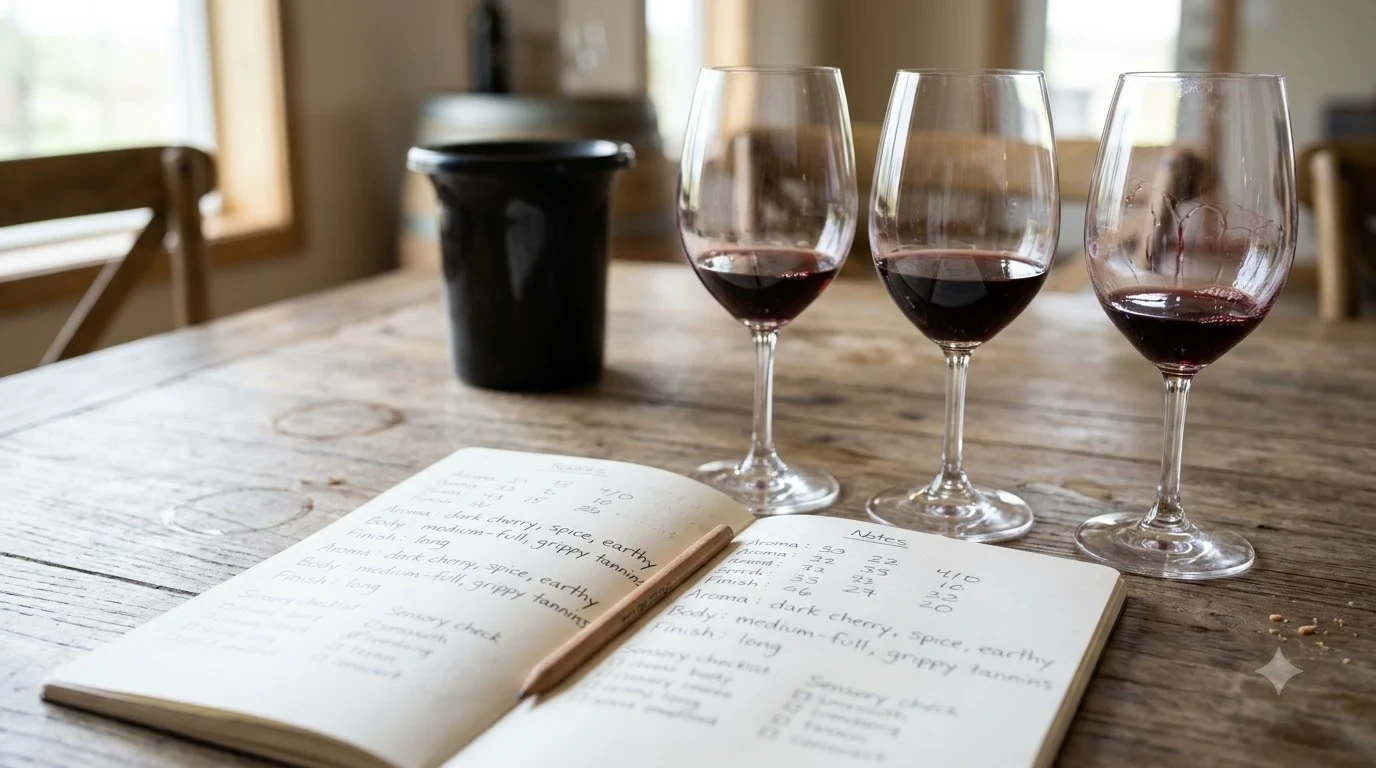
Keep notes in plain language: “crisp, lemony, and light” is more useful later than a string of terms you do not normally use. Record the winery, grape, and one distinguishing detail, such as a herbal aroma or softer finish. If a wine is unfamiliar, ask for a comparison pour when the tasting format permits it. A standard wine serving is 5 ounces, and a 750-milliliter bottle holds about five such servings; winery flight pours are usually smaller, so ask how many wines are included and whether the tasting fee is applied to a bottle purchase.
Tip: Plan no more than two or three winery stops for a first day, and leave at least one substantial meal break in the schedule. Take water between tastings, record favorite wines, and arrange a sober driver before the first pour.
Food, Seasons, and the Shape of a Good Visit
Food can sharpen the differences between grapes. Pair aromatic whites with dishes that do not overwhelm their perfume, use acidity to meet bright foods, and bring richer reds to the table with enough fat or protein to balance their tannin.
Viognier can complement roast chicken, pork, or mildly spiced dishes because its ripe fruit and fuller texture stand up to richer flavors. Sauvignon Blanc and Albariño work with oysters, shellfish, goat cheese, and salads dressed with citrus or vinegar; acidic food needs a wine with equal or higher acidity or the wine may taste flat. Chardonnay can suit roast poultry, creamy pasta, or vegetables cooked with butter. Cabernet Franc is flexible with grilled vegetables, herb-roasted meats, and tomato-based dishes. Norton and Tannat can match grilled beef, smoked meats, and aged cheeses, where salt and fat soften tannin. Avoid pairing a highly tannic red with delicate oily fish, and remember that chili heat can make alcohol and tannin feel more pronounced.
For dessert, the wine should be at least as sweet as the dish. A late-harvest Petit Manseng can be a natural match for fruit tart or lightly sweet pastry, while a dry wine beside a very sweet dessert may taste sour and thin. Seasonal atmosphere also shapes the day: spring and early summer suit outdoor patios, harvest brings a busier calendar of dinners and winery events, and cooler months favor indoor rooms and seated tastings. The tourism office lists experiences beyond standard flights, including classes, barrel tastings with vintners, grape stomping, yoga, and live music, so look at the event calendar if you want more than a tasting-room visit.
For a longer stay, add one non-winery stop rather than filling every hour with wine. Virginia’s suggested itinerary includes Leesburg’s historic district, Middleburg’s shops, and sites such as Oatlands Historic House and Gardens or Ball’s Bluff Battlefield. A meal in Purcellville or an overnight stay at a nearby inn can make the return journey easier. The Loudoun County wine festival page is useful for finding larger public tastings and seasonal events, but a festival is different from visiting a producer’s own tasting room.
Frequently Asked Questions
These quick answers cover a few details that can help first-time visitors choose wines and set expectations.
Is Norton really native to Virginia?
Yes. Visit Loudoun traces Norton’s origins to Richmond in the early 19th century, when it was known as “The Virginia Grape.” It nearly disappeared from the state during the 20th century before several Loudoun producers helped bring attention back to it.
What does an American Viticultural Area designation mean?
An American Viticultural Area, or AVA, is a federally recognized grape-growing region with defined boundaries and geographic features that distinguish it from surrounding areas. The Middleburg AVA includes the Loudoun Valley, but an AVA name describes a place, not a guarantee that every wine from it tastes alike.
Should I reserve a tasting at Zephaniah Farm Vineyard?
Booking ahead is recommended. A regional first-visit guide lists Zephaniah’s visits from Friday through Sunday and describes the tasting as seated and hosted by someone from the family.
Can I bring a dog to every tasting room?
No. Pet rules vary by winery and may differ between indoor rooms, patios, and lawns. A regional first-visit guide notes that Walsh Family Wine welcomes dogs on its patio, while Zephaniah Farm Vineyard asks guests to leave dogs at home because livestock are on the farm.
Does Walsh Family Wine pour only its own bottles?
No. A regional first-visit guide says its tasting room also pours labels from winemakers in its incubator alongside vineyard-specific wines. The same guide notes that children are welcome and dogs can join guests on the patio.
Loudoun is best approached as a collection of distinct wine-growing neighborhoods, not a race to visit every tasting room. Choose two or three stops that match your favorite grapes and preferred setting, leave space for a meal, and let the landscape become part of the tasting experience.
More in Wine Regions
 Willcox Wine Trail: Discover Arizona’s High-Elevation Wine CountryUpdated Nov 20, 2026
 Yakima Valley Wine Region: Find the Best Styles to TryUpdated Nov 20, 2026
 Vosne Romanee Wine Tasting: Identify Aromas and Choose Better PairingsUpdated Nov 20, 2026
 Yakima Valley Wine Festival: Find the Best Seasonal Wine EventsUpdated Nov 20, 2026
 Wales Vineyards: Discover Cool-Climate Wines and Where to VisitUpdated Nov 20, 2026
 Yountville Wine Festival: Discover Napa Wines and Local FoodUpdated Nov 20, 2026