

We may earn a commission when you buy through links on this page, at no extra cost to you. Learn more.
What is syrah? It is a dark-skinned red grape that makes dry, full-bodied red wine with dark berry fruit, black pepper and savory notes. The grape is most closely linked to southeastern France and the Rhône Valley, and it is grown around the world under its own name or as Shiraz in Australia. Most bottles land between about 13.5% and 15% alcohol by volume, with medium-high tannins that give the wine its grip and structure.
If you have seen “syrah” on a label and wondered what to expect in the glass, this guide covers the flavor, the regional styles, how to serve it and which dishes it works with. For a wider look at red wine families, the Wine by Type section is a good next stop.
What Is Syrah?
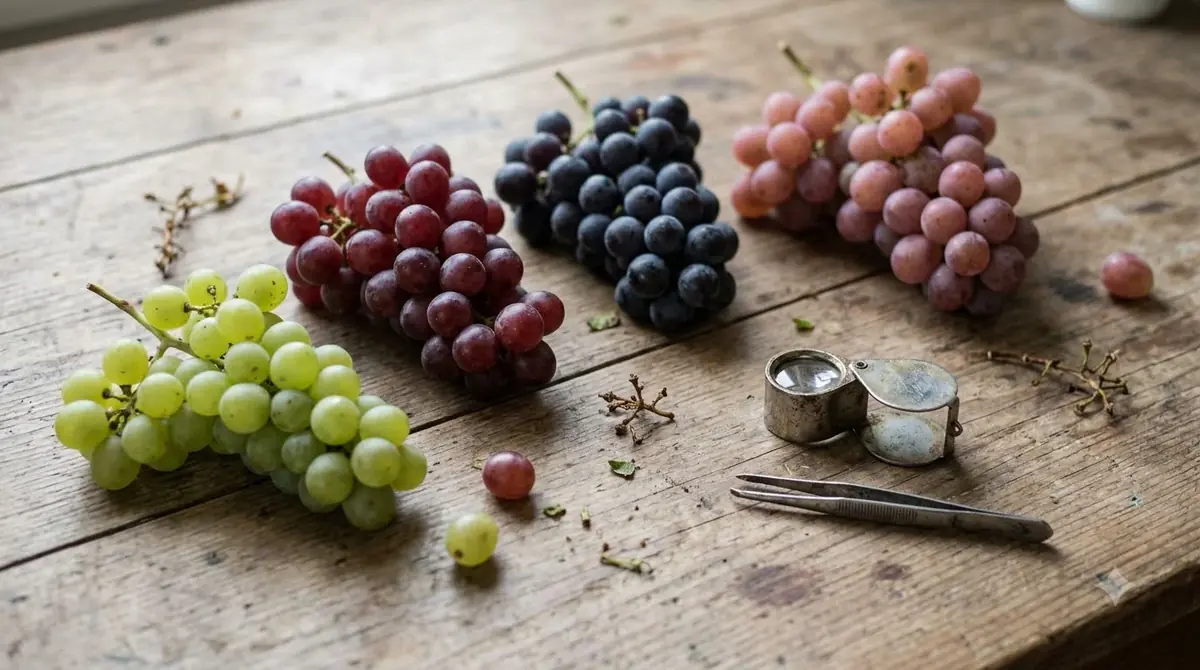
Syrah is a red wine grape with thick, deeply pigmented skins. Those skins produce wines with dark color and firm tannin, which is why syrah is often described as a powerful red rather than a light, easy-drinking one. DNA profiling links the grape to southeastern France, and it is most closely associated with the Rhône Valley, where it is a central variety in many of the region’s best-known red blends.
For many drinkers, the simplest way to think about syrah is as a red that sits between a lighter, perfumed red and a heavy, tannic one. It usually delivers more body than pinot noir and more fruit weight than many French reds from cooler areas, but it does not need to be as heavy as the biggest bottles on the shelf. That middle ground is part of why it appears on so many restaurant lists and dinner tables.
The grape is planted in many countries, including the United States, Australia, South America and Italy. Wherever it grows, the wine keeps its core identity of dark fruit, pepper and structure, but the balance shifts with climate, winemaking and the producer’s style. That is why two syrah bottles from different places can taste quite unlike each other.
Flavor Profile and Body
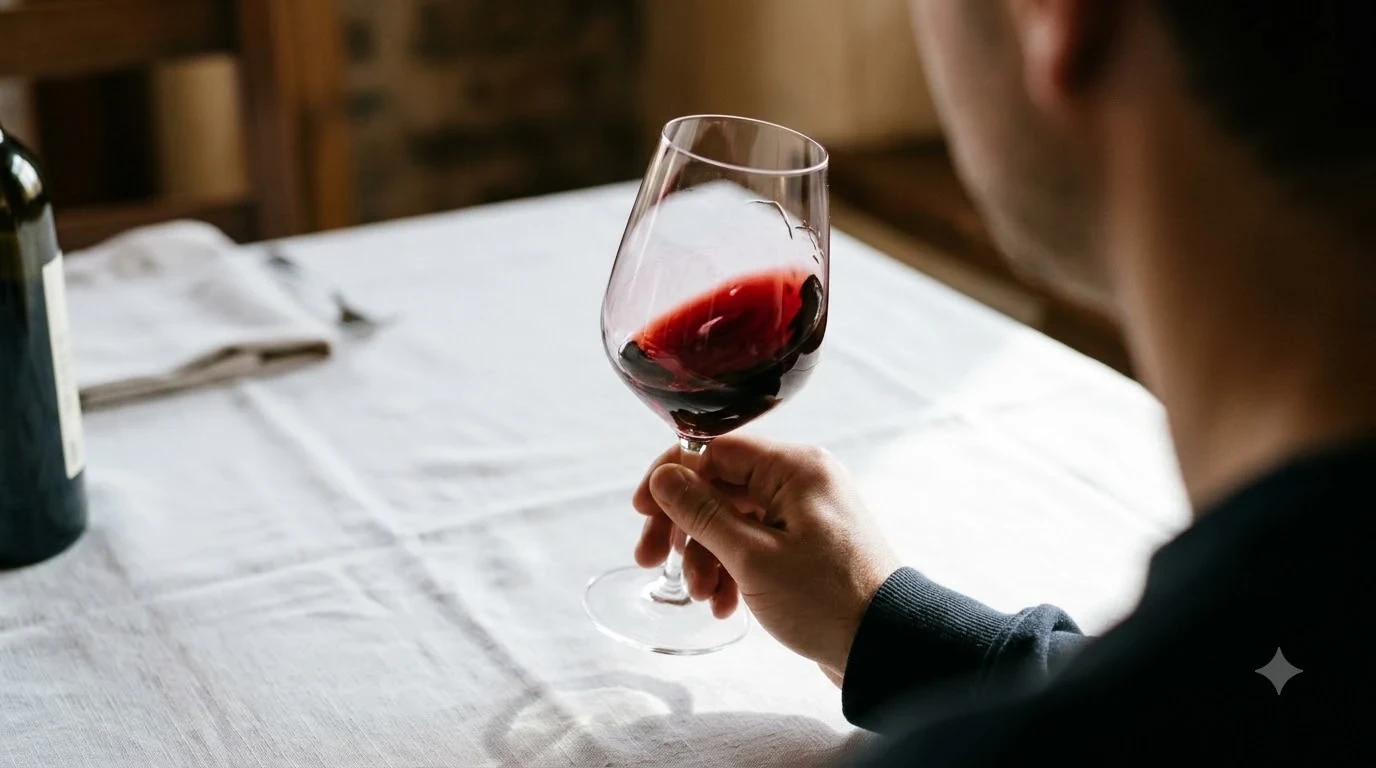
Syrah is dry and full-bodied, with a flavor sequence that many tasters describe in three stages. The first impression is concentrated dark fruit, often blueberry and black plum. The middle of the palate usually brings savory notes such as tobacco, cured meat or milk chocolate, and the finish tends to close on green or black peppercorn.
According to Wine Folly’s Syrah grape guide, typical bottles are dry, full-bodied and medium-high in tannin, with medium acidity and an alcohol range of roughly 13.5% to 15%. That tannin is the reason syrah pairs so well with rich food: the wine has enough grip to stand up to fat and protein without tasting thin.
Syrah and Shiraz: Same Grape, Different Styles
The most common question about syrah is how it differs from Shiraz. The answer is nothing in the grape itself. The name changes with the country, and the style of the wine changes with the climate and the winemaking. Cool-climate and traditional European examples tend to show more acidity and earthy, herbal aromas, while warmer regions usually produce riper, spicier wines with more fruit up front.
| Where it is made | Common name | Typical character |
|---|---|---|
| Rhône Valley, France | Syrah | Savory, earthy, herbal notes with firm structure |
| Italy | Syrah | Higher acidity with earthy, herbaceous aromas |
| Australia | Shiraz | Fruit-driven and spicy, often more generous in style |
| United States | Syrah | Fruit-driven and spicy |
| South America | Syrah | Fruit-driven and spicy |
Winemakers also blend syrah with other varieties. Cabernet Sauvignon is a frequent partner because it adds structure and backbone, and the blend can be more polished than a single-variety bottle. Other red grapes, such as cabernet franc, bring their own aromatics to a blend, so the label is a useful clue to the style you are buying.
Where Syrah Grows
Syrah has spread far beyond its French homeland. In France, the Rhône Valley remains the reference point, with the northern Rhône producing wines that are often more structured and the southern Rhône producing blends with a warmer, fuller feel. Outside France, the grape has found strong homes in Australia, where it is one of the most widely planted varieties and is labeled Shiraz, and in several parts of the United States and South America.
Climate plays a large role in the final wine. Warmer sites tend to ripen the fruit fully, which gives deeper color and riper flavor. Cooler sites hold on to acidity and show more savory character. Producers often adjust harvest timing and oak use to pull the wine toward the style they want, so the same grape can produce several distinct wines in one country.
How to Serve Syrah
Serving temperature matters with a structured red like syrah. Wine Folly suggests a range of about 60 to 68 degrees Fahrenheit, or 15 to 20 degrees Celsius. That is a little cooler than many people expect for red wine, and it keeps the fruit lively without letting the tannin feel harsh.
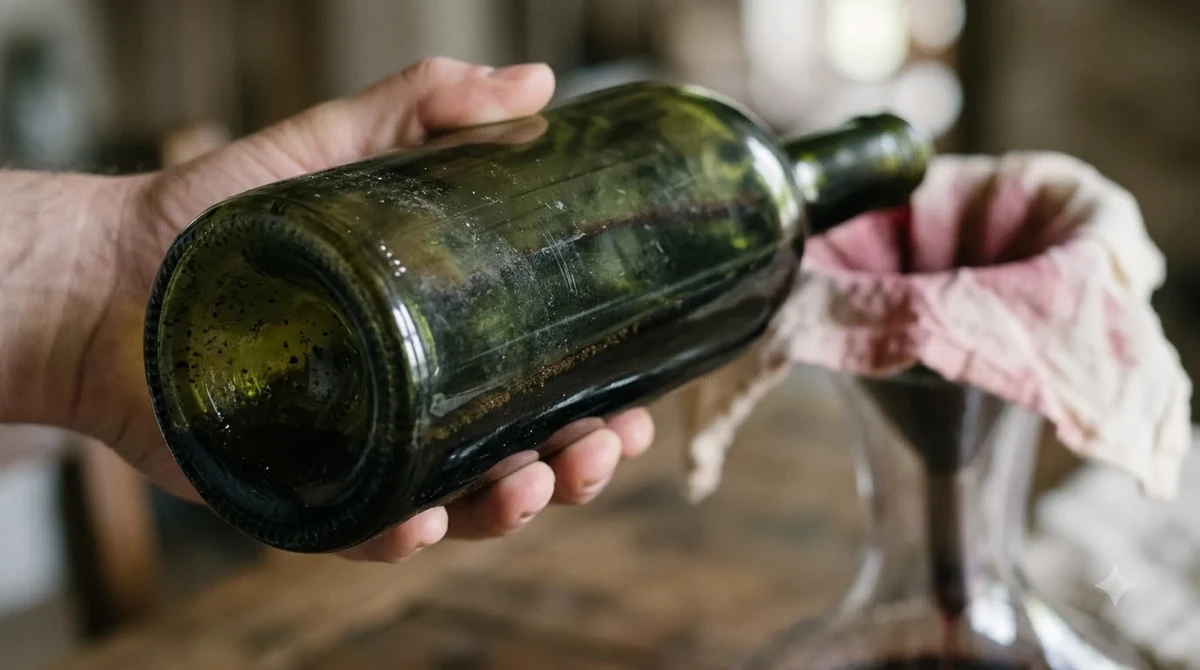
Many syrahs benefit from air. Decanting for about an hour can soften the wine and open up the peppery and floral layers, especially for a younger bottle. Glassware with a generous bowl helps the aromas come forward. Full-bodied bottles from the Rhône or Australia suit a large red glass, while lighter examples from cooler regions show well in a slightly smaller bowl.
Storage matters as well. Keep bottles on their side in a cool, dark place with steady temperatures, and avoid storing them near the stove or a sunny window. A young syrah that has rested for a few weeks after a long trip can taste more settled, so buy it ahead of a dinner when you can.
Tip: If a syrah tastes tight or closed, give it 20 to 30 minutes in the glass before you judge it. Young, tannic bottles often open up with air.
Food Pairings for Syrah
Syrah loves rich, savory food. The wine’s dark fruit and peppery edge line up well with grilled and roasted meats, and its tannin cuts through fat in a satisfying way. Lamb is a classic match, especially with herbs and spice. Wine Folly also points to dishes such as lamb shawarma, gyros, Chinese five-spice pork and Indian tandoori preparations as good partners.
Beef and mushrooms work well too, and a bowl of lentils or a mushroom ragù can be a strong vegetarian option because the earthy notes meet similar flavors on the plate. Keep the sauce in mind: a tomato-based dish with a little heat usually suits syrah better than a light, creamy dish, which can make the wine taste heavier than it is.
Frequently Asked Questions
What does syrah taste like?
Syrah usually tastes of dark fruit such as blueberry and black plum, with savory notes like tobacco or cured meat and a peppery finish. Cooler-climate bottles tend to be more earthy and herbal, while warmer-climate bottles are riper and spicier.
Is syrah the same as shiraz?
Yes, they are the same grape. Syrah is the name used in France and many other countries, while Australia uses Shiraz. The style of the wine depends more on the region and the winemaker than on the name.
Is syrah a dry or sweet wine?
Syrah is a dry red wine. Its sweetness comes from the fruit character rather than residual sugar, so a ripe bottle can taste rich and fruity while still finishing dry.
How long can you keep a bottle of syrah?
Many syrahs are built to age. Simpler bottles are best within a few years of the vintage, while structured examples from good producers can develop well over a decade. Storing them in a cool, dark place helps them keep their character.
When you shop, read the back label or producer notes for clues about the region and the style. Words such as “Rhône” or “Côte-Rôtie” point toward a structured, savory wine, while “Shiraz” from a warm Australian region usually signals more ripe fruit and spice. Producer websites and wine shop descriptions often say whether a bottle is built for early drinking or for cellaring, which helps you match it to the occasion.
Syrah rewards curiosity. Once you know the grape’s core flavors and how climate changes its style, the label becomes a guide rather than a guess. Start with a bottle from a region you like, serve it slightly cool, and pair it with a dish that has some richness and spice.
More in Wine Types & Grapes
 Zinfandel Sugar Content: Dry Red vs. White Zinfandel GramsUpdated Nov 21, 2026
 Best Zinfandel Substitute Options for Sipping and CookingUpdated Nov 21, 2026
 Zweigelt Food Pairing: Best Dishes, Cheeses, and Serving TipsUpdated Nov 21, 2026
 Zinfandel Tannins Explained: How Structure Shapes Every BottleUpdated Nov 21, 2026
 Zinfandel Sweetness Level: Dry Red vs. Sweet White Zin ExplainedUpdated Nov 21, 2026
 Xinomavro Food Pairing: Best Dishes, Styles, and Serving TipsUpdated Nov 21, 2026