

We may earn a commission when you buy through links on this page, at no extra cost to you. Learn more.
A bandol wine tasting is a practical way to understand how Mourvèdre, Mediterranean vineyard conditions, and three distinct wine styles shape one of Provence’s most characterful appellations. The region is particularly famous for structured, age-worthy reds, but its textured rosés and aromatic white wines deserve equal attention. Learning to recognize the differences between the three colors makes it easier to appreciate Bandol’s distinctive combination of ripe fruit, savory character, freshness, and structure.
On the southeastern coast of France, Bandol offers a different perspective on Provençal wine than the pale, easy-drinking rosés that many American wine drinkers first associate with the region. Its wines reflect warm sunshine, Mediterranean breezes, hillside vineyards, and a remarkable commitment to Mourvèdre. Whether tasting bottles at home or planning a visit to a winery, understanding the grapes and growing conditions provides a useful starting point.
What Makes the Bandol Appellation Distinct
Bandol’s identity comes from its Mediterranean location, terraced vineyards, and distinctive combination of warm growing conditions and relatively dry, rocky soils. The appellation covers approximately 1,600 hectares across eight communes in the Var department, making it a relatively concentrated wine-producing area with a recognizable regional character.
The eight communes are Bandol, Le Beausset, Le Castellet, La Cadière-d’Azur, Saint-Cyr-sur-Mer, Sainte-Anne-d’Évenos, Sanary-sur-Mer, and Ollioules. Together, they form a vineyard landscape that extends from the foothills of the Sainte-Baume massif toward the Mediterranean. The hills rise above the coast, creating a natural amphitheater in which many vineyard parcels face south and receive abundant sunshine. The surrounding landscape also helps protect the vines from colder northern weather.
Much of the vineyard area is arranged on terraces called restanques. These stepped slopes represent generations of agricultural work, allowing growers to cultivate land that would otherwise be difficult to manage. The terrain creates differences in exposure, elevation, and drainage, so neighboring properties can produce wines with noticeably different personalities. A producer working with a sunny, exposed parcel may achieve a different expression of Mourvèdre than a grower with a cooler hillside position.
Geologically, marl and limestone are important components of the area. These relatively poor, dry soils support the appellation’s emphasis on concentrated fruit rather than large harvests. According to Vins de Bandol, the vineyards benefit from nearly 3,000 hours of sunshine each year. The Mediterranean moderates temperature variations, while sea breezes and land breezes help ventilate the vineyard environment.
The Mistral also plays a role in maintaining relatively healthy vineyard conditions after rainfall. These environmental influences help explain why Mourvèdre, a grape that needs considerable time and warmth to ripen, performs particularly well here. For a broader comparison of French appellations and their growing conditions, the site’s Wine Regions resource offers useful regional context. The official Bandol terroir overview provides further information about the area’s geography and climate.
Mourvèdre and the Grapes Behind Bandol Wine
Mourvèdre is the defining grape of Bandol, particularly in its red wines, where it accounts for 50% to 95% of the blend according to the appellation’s official wine association. Grenache and Cinsault provide important supporting roles, bringing different combinations of fruit, generosity, and finesse.
Mourvèdre is a late-ripening variety. It needs a long, warm growing season to develop fully, which makes the sunny coastal vineyards of Bandol particularly suitable. The variety has thick skins and contributes considerable tannin, color, and structural weight. Its natural character can include dark berries, plum, black pepper, licorice, and earthy notes. With bottle age, more developed examples may show leather, tobacco, forest floor, dried herbs, and truffle-like complexity.
These qualities explain why Bandol reds are generally more structured than many lighter Provençal reds. Tannin gives the wines their firm framework, while the region’s sunshine helps develop ripe fruit flavors. The result can be powerful without being entirely heavy, particularly when a producer balances extraction, acidity, and oak aging carefully.
Grenache helps round out the blend. Its ripe fruit character can soften Mourvèdre’s firmer structure, contributing red and dark berry flavors and a generous impression on the palate. Cinsault is valued for its finesse and can bring a lighter, more delicate character. The proportion of each grape varies according to the producer’s vineyard holdings and intended style.
Syrah and Carignan are also associated with the appellation’s traditional grape varieties. Their influence depends on the particular wine, but Syrah can contribute dark fruit, pepper, and additional structure, while Carignan can offer fruit intensity and savory character. The most important point for a tasting is that Mourvèdre remains the recognizable thread running through the region’s red wine identity.
Wine Enthusiast’s coverage of Provence reds also highlights the role of Mourvèdre-dominated blends in Bandol’s reputation for serious red wines. Decanter’s Provence red wine panel tasting similarly identifies the coastal appellation as a distinctive source of powerful yet elegant wines with significant aging potential.
The grape’s importance also extends beyond red wine. Mourvèdre gives Bandol rosé more body, savory complexity, and structure than many simpler summer styles. It is therefore possible to recognize the variety’s signature character even when tasting a pale pink wine.
Recognizing Bandol Red, Rosé, and White Wines
Bandol produces three still wine styles, each with a different expression of the regional climate and grape varieties. Red wines emphasize Mourvèdre’s tannin and aging capacity, rosés combine freshness with texture, and whites rely on Mediterranean varieties such as Clairette, Ugni Blanc, and Bourboulenc.
Bandol red
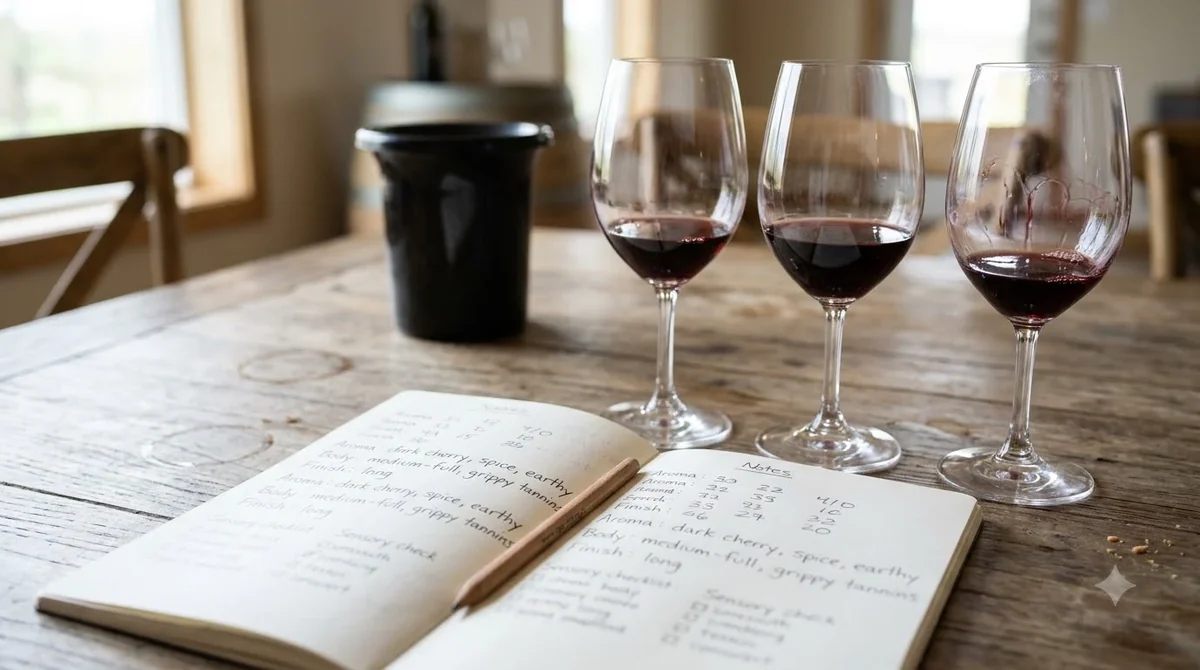
Bandol red is the region’s best-known serious wine style. It typically presents dark fruit, savory herbs, spice, and a substantial tannic structure. Young bottles may suggest blackberry, black cherry, plum, violet, licorice, and pepper. The overall impression can be concentrated and firm, particularly when the wine has recently been released.
Oak aging is an important part of the style. Bandol reds require at least 18 months of aging in wooden casks under the appellation’s requirements. This maturation helps integrate tannins and develop greater complexity. The intention is not necessarily to make the wine taste strongly of vanilla or toasted wood; instead, well-managed aging allows the fruit, spice, and savory elements to come together.
With additional bottle age, the initial dark-fruit character can shift toward dried cherry, leather, tobacco, earthy notes, and truffle. Some wines develop gracefully over many years, although aging potential varies with vintage, producer, vineyard conditions, and storage. A young bottle can still be enjoyable, especially alongside substantial food, but mature examples offer a different level of aromatic complexity.
Bandol rosé
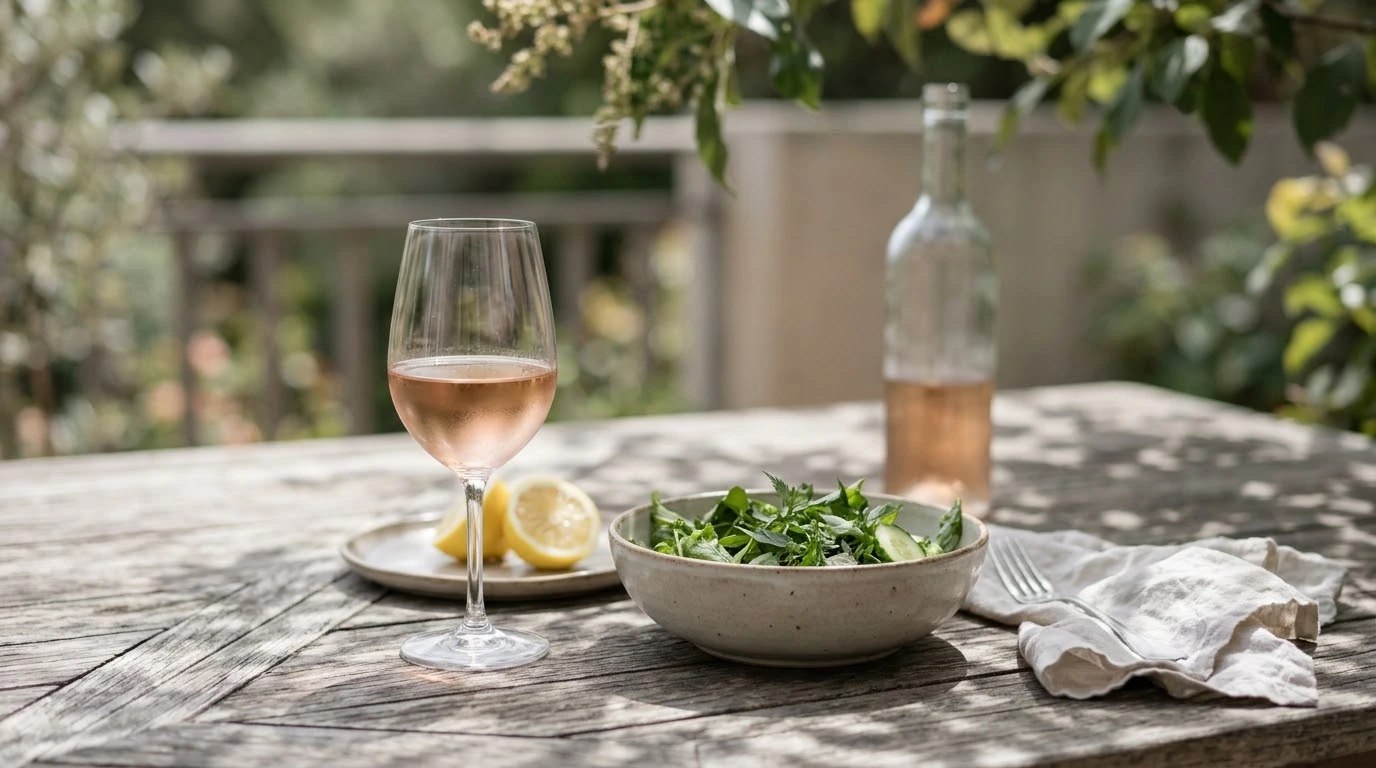
Bandol rosé is not simply a lighter version of its red counterpart. It is a structured, gastronomic wine that often carries more weight and savory character than a very light, uncomplicated Provençal rosé. Mourvèdre, Grenache, and Cinsault provide its principal grape identity, with direct pressing helping produce a relatively pale, elegant appearance.
Typical aromas may include strawberry, raspberry, cherry, citrus, herbs, and subtle mineral impressions. Mourvèdre brings additional weight and texture, which can make the wine feel more substantial on the palate. Rather than emphasizing only delicate red fruit, Bandol rosé often combines refreshing acidity with a rounded middle palate and a savory finish.
Although many rosés are intended for early consumption, Bandol examples can have greater development potential because of their Mourvèdre content. Young bottles emphasize freshness and fruit. More mature examples may show additional savory complexity and a richer texture. Not every bottle needs extended aging, so the producer’s recommended drinking window remains a useful guide.
Bandol white
Bandol white receives less attention than red and rosé, but it offers another perspective on the appellation. Clairette, Ugni Blanc, and Bourboulenc form the foundation of the traditional white wine blend. These varieties can produce wines with freshness, aromatic complexity, and enough structure to accompany food.
The appellation’s wine association notes that white vineyards are often positioned on north-facing slopes, where growing conditions can help preserve freshness. Maritime influences also contribute to the regional character. The resulting wines may show white flowers, citrus peel, orchard fruit, and occasionally more exotic fruit characteristics.
In comparison with a crisp, light-bodied Sauvignon Blanc, Bandol white can offer a different combination of texture and Mediterranean fruit character. Depending on its blend and winemaking, it may be fresh and direct or fuller and more layered. It deserves attention during a tasting because it demonstrates that the region’s identity extends beyond Mourvèdre.
How to Taste Bandol Wine Step by Step
A productive Bandol tasting should compare appearance, aroma, acidity, tannin, and finish rather than focus on fruit flavors alone. Three wines representing red, rosé, and white styles provide a useful introduction, particularly when they come from different producers or vineyard locations.
Start with appearance
Hold the glass against a white background and examine the wine before smelling it. A Bandol rosé may show pale salmon or deeper pink hues, while a young red can appear ruby or dark purple. Older red wines often move toward garnet or brick-red tones. White wines can range from pale straw to deeper golden shades depending on grape composition and age.
Color can provide clues, but it should not determine expectations on its own. A relatively pale rosé can still have substantial texture, and a deep red does not automatically mean that a wine has unusually high tannin. The next stages of the tasting provide more useful information about structure and balance.
Evaluate the aromas
Swirl the wine gently and take two or three short smells. Start by identifying the broad aromatic family before looking for individual details. In a Bandol red, that might mean dark berries, plum, herbs, black pepper, or licorice. In rosé, look for red berries, citrus, Mediterranean herbs, and subtle savory aromas. In a white, consider citrus, white flowers, orchard fruit, and herbal notes.
After identifying the main fruit aromas, look for secondary and more developed characteristics. Oak maturation may contribute spice and additional aromatic depth. Bottle age can introduce leather, dried herbs, tobacco, and earthy notes in red wines. A wine that changes noticeably as it sits in the glass may offer more complexity than its first impression suggests.
Assess the palate
Take a moderate sip and allow the wine to coat the palate. Notice whether the acidity makes the mouth water, whether the tannins create a drying sensation, and whether alcohol contributes warmth. Bandol red should be assessed particularly carefully for tannin because Mourvèdre supplies a substantial structural framework.
Next, consider the relationship between fruit and structure. Ripe fruit can make a wine feel generous, while acidity keeps it lively. Tannin provides grip, and alcohol contributes body and warmth. The most balanced wines allow these elements to work together rather than allowing one characteristic to dominate.
Pay attention to the finish as well. Does the wine disappear quickly, or do fruit, herbs, spice, and savory flavors remain after swallowing? A persistent finish can be a positive sign of complexity, although length alone does not establish quality. Balance, freshness, flavor definition, and overall harmony are more useful measures.
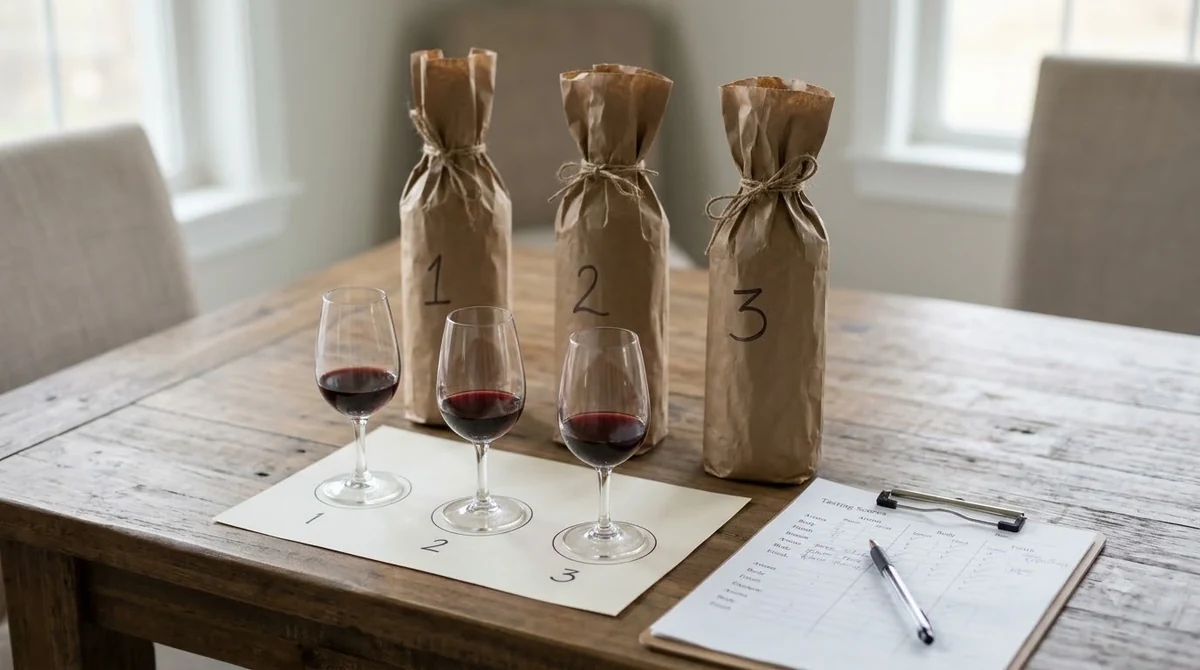
For a comparative tasting, begin with white, continue with rosé, and finish with red. This order usually makes it easier to appreciate the lighter styles before moving toward the stronger tannins and greater weight of Mourvèdre-based reds. Make a few written observations for each wine so differences in acidity, texture, and aromatic character remain clear.
Serving Temperatures and Building a Bandol Tasting Flight
Temperature has a major influence on how Bandol wines express themselves. Serve rosé at approximately 45–50°F and full-bodied red at 60–65°F, adjusting fuller white wines toward 50–55°F.
The following serving guide provides useful starting points for a three-color tasting. These temperatures help retain freshness in lighter wines while allowing the more structured styles to show their aromas and textures.
| Wine style | Suggested temperature | What to notice | Suggested tasting order |
|---|---|---|---|
| Bandol white | 50–55°F | White flowers, citrus, orchard fruit, and texture | First |
| Bandol rosé | 45–50°F | Red berries, freshness, herbs, and structure | Second |
| Young Bandol red | 60–65°F | Dark fruit, Mourvèdre tannins, and spice | Third |
Temperature should be adjusted according to the wine’s weight rather than its color alone. A fuller white may benefit from a slightly warmer serving temperature than a crisp, lighter example. Similarly, a powerful red served too warm can emphasize alcohol and make tannins feel heavier. A slightly cool red often has better definition and balance.
Use standard wine glasses with enough space to swirl the wine. A 5-ounce pour provides enough wine for proper evaluation without overfilling the glass. One standard 750-milliliter bottle supplies approximately five such servings, making it convenient to compare three or more wines in a small tasting group.
Allow young, full-bodied Bandol reds approximately 30–60 minutes in a decanter when their tannins seem especially firm or the initial aromas appear restrained. Older bottles require more care because excessive exposure to air can diminish delicate developed aromas. Start by pouring a small amount and reassess the wine before deciding how much additional aeration it needs.
Tip: Arrange three glasses in white, rosé, and red order, and write down one observation about acidity, one about fruit, and one about structure for each wine. This simple approach makes the differences between Bandol’s three colors much easier to recognize.
Food Pairings for Bandol Red, Rosé, and White
Bandol’s Mediterranean character makes it particularly useful with grilled food, herbs, seafood, vegetables, and richly flavored meat dishes. The key is to match the wine’s weight and acidity with the food rather than treating all three wine colors as interchangeable.
Pairing Bandol red with substantial dishes
Mourvèdre-based red is a natural partner for lamb, grilled beef, roasted duck, and slow-cooked meat dishes. Its tannins and concentrated fruit can stand up to the protein and savory flavors of these foods. Rosemary, thyme, garlic, black pepper, and other Mediterranean seasonings also complement its herbal and earthy qualities.
Salt and fat soften the perception of tannin, making rich dishes particularly useful partners for a firm Bandol red. A lamb shoulder roasted with rosemary and garlic is a strong example. The richness of the meat balances the wine’s structure, while the herbs connect with its savory aromas. A grilled steak with mushrooms can work equally well, particularly when the wine has developed leather and earthy notes with age.
Older reds can pair especially well with dishes that emphasize earthiness rather than heavy sweetness. Mushroom risotto, slow-roasted beef, and braised lamb offer savory depth without overwhelming the wine’s more developed characteristics. For a younger red, grilled meats and flavorful stews help balance the firmer tannins.
Pairing Bandol rosé with Mediterranean food
Bandol rosé has enough structure for dishes that would overwhelm a delicate, very light rosé. Grilled salmon, roast chicken, Mediterranean vegetables, seafood pasta, and herb-seasoned pork are all useful options. Its red-fruit character works with tomatoes, peppers, herbs, and grilled vegetables, while its freshness helps cut through richer ingredients.
For a particularly useful pairing, try grilled chicken with lemon, thyme, and olive oil. The wine’s acidity complements the lemon, while its fruit and texture match the richness of the chicken. A Niçoise-style salad can also work well, especially when the ingredients include olives, green beans, tomatoes, and eggs.
Rosé also works with shellfish and moderately rich fish preparations. Grilled prawns with herbs, seared tuna, and seafood risotto can bring out its savory side. However, very oily fish can be difficult with highly structured tannic red wine, so rosé or white is generally the better choice when serving fish with a pronounced oil content.
Pairing Bandol white with seafood and vegetables
Bandol white is particularly useful alongside fish, shellfish, poultry, and vegetable-based dishes. Its citrus and floral notes can complement grilled sea bass, roasted vegetables, and seafood dishes prepared with olive oil. Fuller examples can also work with roast chicken or creamy fish preparations.
For example, grilled sea bass with lemon and fennel highlights the wine’s aromatic freshness. A dish of scallops with a light butter sauce can also be successful because the wine’s acidity balances the richness. A white wine with more body may complement a creamy seafood pasta better than a very light, delicate white.
It is important to consider sauce ingredients. Strong vinegar, very sweet sauces, or aggressive chili heat can make a wine taste less balanced. Chili heat can become more pronounced with alcoholic or tannic wines, so heavily spiced food is generally easier with a fresh, lower-tannin style. Matching the acidity of the wine with the acidity of the food also helps maintain balance.
Choosing, Aging, and Storing Bandol Wines
Choosing a Bandol wine becomes easier once you decide whether you want immediate drinking pleasure or the opportunity to explore bottle development. Young reds emphasize dark fruit, spice, and structure, while rosés generally favor freshness and can show additional complexity with age.
When selecting a red, pay attention to the producer’s approach to Mourvèdre and oak. Two wines from the same appellation can differ considerably in extraction, fruit concentration, and aging style. One might emphasize firm tannins and long-term development, while another offers a more approachable combination of ripe fruit and softer texture. Neither approach is automatically superior; the important factor is balance.
The 18-month wooden-cask requirement for Bandol red is an important distinction. This mandatory aging period gives the wine time to develop before release, but it does not mean that every bottle will taste the same. Barrel size, cellar conditions, blending decisions, and subsequent bottle aging all influence the finished wine.
Age-worthy red examples can become more complex as their tannins integrate and their fruit character evolves. A young bottle might emphasize blackberry, plum, and licorice, while a mature example can develop dried fruit, leather, tobacco, and earthy notes. The appellation’s official wine association discusses the potential of 10-, 20-, and 25-year-old reds, illustrating why Bandol attracts collectors as well as people who enjoy drinking young wines.
However, not every Bandol red needs to spend decades in a cellar. Some are approachable earlier, particularly when served with food. Producer recommendations, bottle condition, and storage history matter more than simply assigning an age target to every wine. A wine from a warm, generous vintage may develop differently from one produced under cooler or more challenging conditions.
Rosé is generally best enjoyed while its fruit and freshness remain prominent, although a substantial Mourvèdre-based example may evolve beyond the usual short drinking window of a simple rosé. White Bandol can also develop complexity depending on its composition, production method, and acidity. These differences make it useful to ask the producer about the intended drinking period rather than applying the same aging plan to all three colors.
For home storage, keep unopened bottles away from direct sunlight and strong temperature fluctuations. A consistent temperature near 55°F is a useful target, with bottles stored on their sides when closed with natural corks. Avoid warm kitchens, bright windowsills, and locations near heating equipment. Stable conditions are generally more important than repeatedly changing the cellar temperature.
Once opened, still wines generally keep for approximately three to five days in the refrigerator when properly resealed. Bring red wine back toward its preferred serving temperature before pouring. Proper storage and careful serving help maintain the fruit, acidity, and structure that make Bandol enjoyable across different styles and stages of maturity.
Regional comparisons can provide another way to understand what makes Bandol distinctive. The Alsace wine tasting guide offers a contrasting perspective on aromatic white varieties and cooler-climate expressions. For another Mediterranean comparison centered on structured coastal reds, the Bolgheri wine tasting guide introduces a different approach to regional grape blending and wine character.
Frequently Asked Questions
These five additional details cover official alcohol requirements, vineyard eligibility, harvesting practices, and production limits. They help explain the appellation’s production rules beyond the tasting differences between its three wine colors.
What are the minimum natural alcohol levels for Bandol wines?
The appellation’s minimum natural alcohol requirements are 11.5% for white and rosé wines and 12% for red wines. These are production requirements rather than guarantees that every bottle will have exactly those alcohol levels. The actual alcohol content can be higher depending on grape ripeness and the wine’s production.
Do all three Bandol wine colors have the same barrel-aging requirement?
No. The minimum 18-month wooden-cask aging requirement applies to Bandol red wines, rather than automatically applying to white and rosé wines. This distinction is important because the three colors have different production approaches and intended styles.
How old must vines be before they can produce Bandol red grapes?
The appellation’s production requirements involve a substantial waiting period for newly planted red vineyards. Vins de Bandol describes at least eight years between planting and the first eligible AOC red harvest. This delay reflects the emphasis placed on established vineyards and suitable fruit maturity.
Are Bandol grapes picked by hand?
Yes. The official appellation association describes hand harvesting as part of its production approach. The method allows workers to select fruit directly in the vineyard rather than relying entirely on mechanical harvesting.
What is the maximum permitted vineyard yield in Bandol?
The original appellation decree establishes a maximum yield of 40 hectoliters per hectare. Vins de Bandol reports that growers commonly work below that ceiling, with yields rarely exceeding approximately 35 hectoliters per hectare. These production limits help maintain the concentration and character associated with the region.
Bandol is much more than a source of powerful Mediterranean red wine. Its Mourvèdre-led rosés and distinctive Clairette-based whites show the range of a small but highly individual appellation. Compare all three colors, pay attention to acidity and structure, and pair each wine with suitable food to understand why Bandol remains one of Provence’s most rewarding regions to explore.
More in Wine Regions
 Willcox Wine Trail: Discover Arizona’s High-Elevation Wine CountryUpdated Nov 20, 2026
 Yakima Valley Wine Region: Find the Best Styles to TryUpdated Nov 20, 2026
 Vosne Romanee Wine Tasting: Identify Aromas and Choose Better PairingsUpdated Nov 20, 2026
 Yakima Valley Wine Festival: Find the Best Seasonal Wine EventsUpdated Nov 20, 2026
 Wales Vineyards: Discover Cool-Climate Wines and Where to VisitUpdated Nov 20, 2026
 Yountville Wine Festival: Discover Napa Wines and Local FoodUpdated Nov 20, 2026