

We may earn a commission when you buy through links on this page, at no extra cost to you. Learn more.
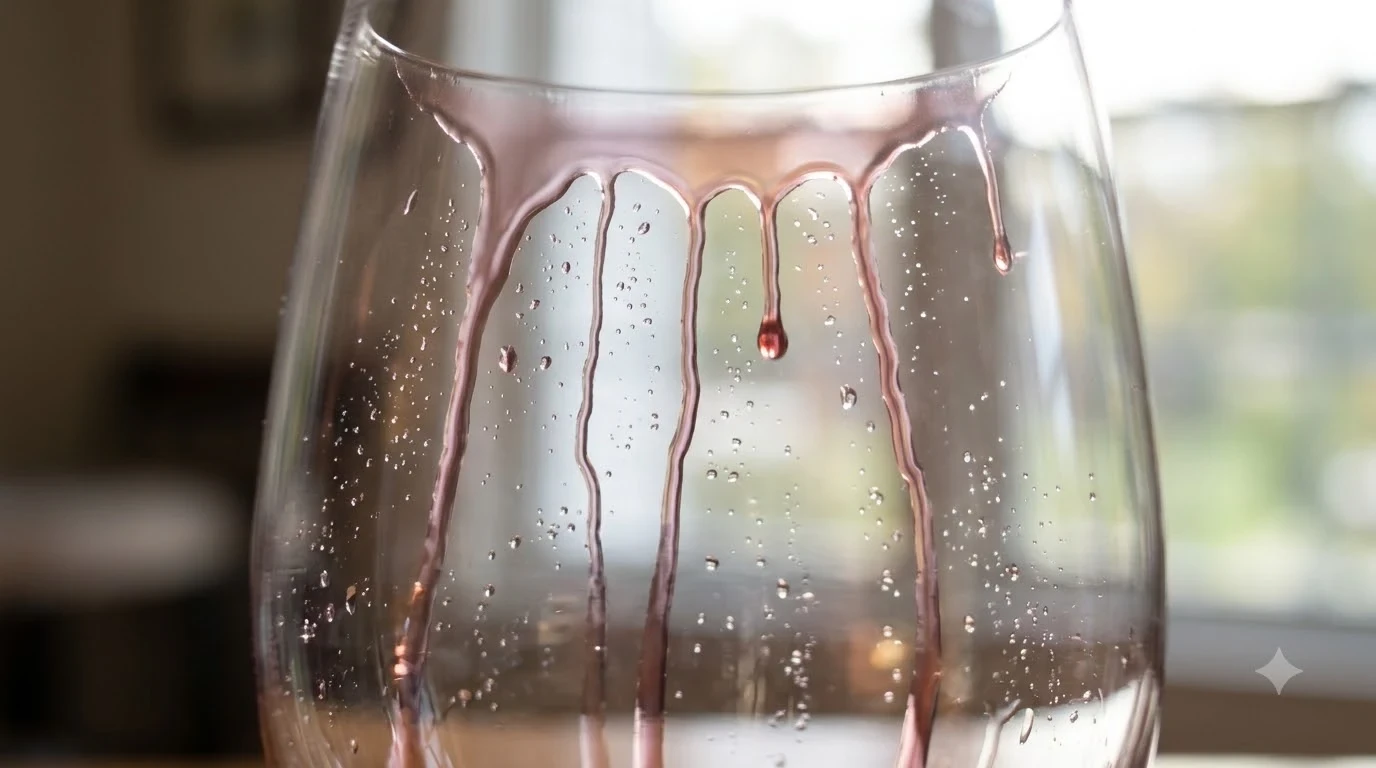
What is dry red wine? It is red wine with no residual sugar, meaning the yeast has consumed almost all the grape sugar during fermentation, so the wine does not taste sweet. Dryness describes sweetness only. A dry red can still taste strongly of cherry, plum, or blackberry, and its firm, drying feel comes from tannin rather than from the absence of sugar.
Many people use the word “dry” to mean something harsh or thin, and that confusion makes red wine harder to choose. This guide explains what dry actually means on a wine label, how dry reds differ from sweeter red styles, where tannin fits in, and how to serve and pair dry reds so the flavor comes through clearly.
What Dry Means in Red Wine
Dryness is a measure of residual sugar, the sugar left in the wine when fermentation stops. VinePair’s guide to dry wines defines a dry wine as one that has no residual sugar, meaning it is not sweet. Winemakers make a dry wine by letting fermentation finish, so the yeast converts the sugar into alcohol and the wine ends up with little or none left.
That definition applies to red wine exactly as it applies to white. The article makes an important point about fruit: in a dry wine you will still taste fruit, the wine just does not taste sweet the way fruit juice does. So a dry red can be rich, dark, and fruity while still being completely dry. Confusing fruit with sweetness is the most common mistake new drinkers make.
Where Tannin Fits In
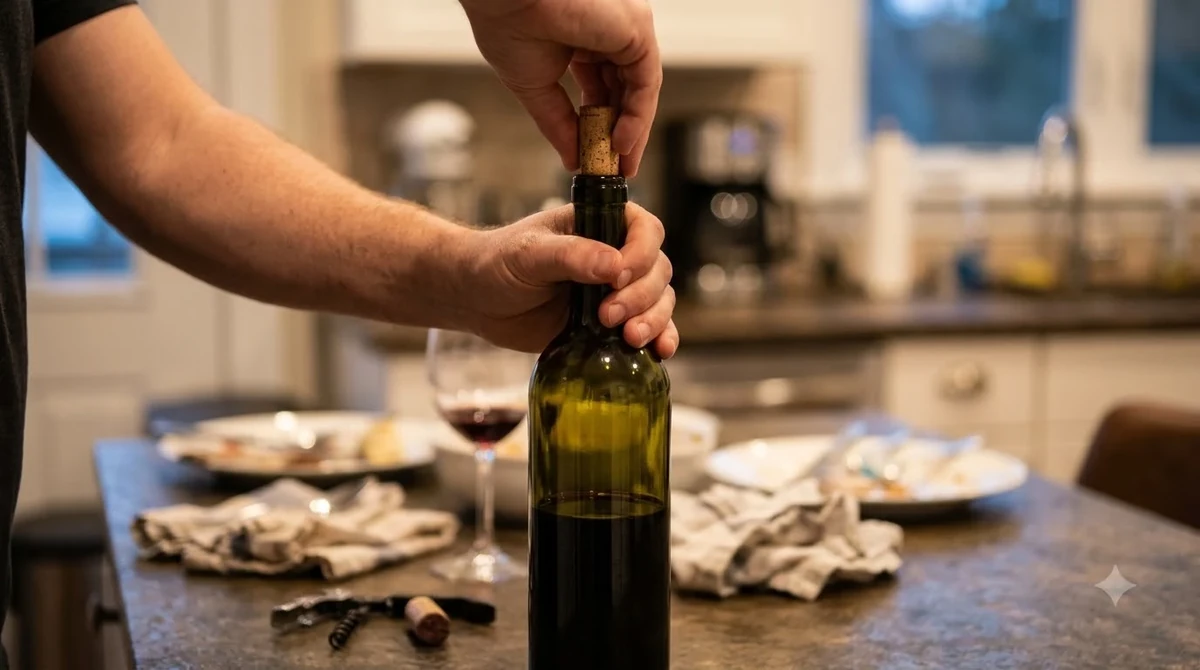
Tannin is the reason many dry reds feel firm or grippy. Tannins are natural compounds, known as polyphenols, found in many plants. In red wine they come mainly from grape skins, seeds, and stems, and the wine picks them up during fermentation when the juice sits in contact with the skins. Oak barrels can add more during aging.
VinePair’s tannin guide explains that a wine creates a drying sensation in the mouth because it is strong in tannins, not because it is dry. In other words, the dry feeling people describe is a tannin effect, and a wine with no sugar can feel soft and silky or aggressive and grainy depending on the tannin’s texture. The same guide says tannins have more of a texture and feel than a specific flavor, and that they can taste similar to unripe fruit or strong black tea.
| Term on the label | What it tells you | What you will taste |
|---|---|---|
| Dry | No residual sugar | Fruit and structure without sweetness |
| Off-dry or semi-dry | A small amount of sweetness | Softer, rounder fruit |
| High tannin | Strong skin and seed compounds | Grip, drying feel, sometimes bitterness |
| Low tannin | Lighter extraction | Smooth, easy-drinking texture |
Tip: If a red wine tastes dry in a way that makes your mouth pucker, that is tannin talking. Food with fat or protein usually softens the effect.
Which Red Wines Are Usually Dry and Tannic
Most red wines sold in the United States are dry, so the word on the label is rarely the deciding factor. The style is shaped more by the grape and the winemaking. Darker-skinned red grapes generally carry more tannin, because the juice spends longer in contact with the skins during fermentation.
VinePair’s tannin guide names Cabernet Sauvignon, Syrah or Shiraz, Sangiovese, Tannat, and Tempranillo among the robustly tannic reds. Nebbiolo is a notable exception: it is naturally tannic but produces pale-colored wines, so color alone is not a reliable guide. Lighter styles such as Gamay and many Pinot Noirs usually feel softer, though winemaking choices can change that. VinePair’s tannin guide is a useful reference for comparing grapes by texture.
The most useful habit is to read the grape name and the region together. A dry Cabernet Sauvignon from a warm climate is typically firm and dark, while a dry Gamay from Beaujolais is usually lighter and brighter, even though both are dry.
How Dry Red Wine Tastes
A typical dry red shows red or black fruit, such as cherry, plum, or blackberry, along with spice, earth, or herbal notes depending on the grape and the place. The structure comes from acidity and tannin, and together they give the wine its shape on the palate. Acidity keeps the wine fresh and lively, while tannin provides the grip that makes it feel substantial.
Body is the other piece. Some dry reds feel light and easy, while others feel full and weighty. Body usually follows the grape and the climate, so a wine can be fully dry and still feel delicate. When you taste a dry red, pay attention to three things: how the fruit shows, how the acidity lifts it, and how the tannin finishes the wine.
How to Serve Dry Red Wine
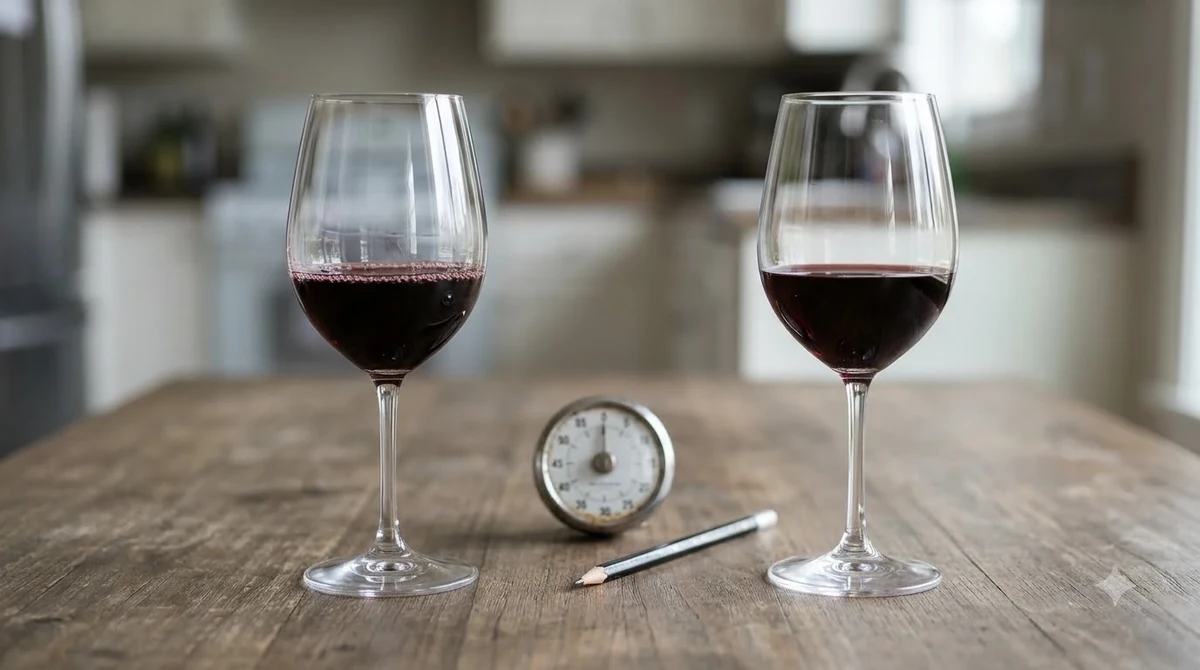
Serving temperature changes how a dry red feels. A wine that is too warm can taste heavy and alcoholic, with the fruit pushed to the background. A wine that is too cold can taste tight and make the tannins seem harsher. Most dry reds are best served slightly cooler than room temperature, which keeps the balance clear.
Air also matters. Young, tannic reds often benefit from time in the glass or in a decanter. VinePair notes that decanting a red wine for at least an hour before drinking it can help soften aggressive tannic flavors. Pouring the wine into a decanter exposes it to air, which can open the aromas and round out the texture.
- Pull the bottle from the cellar or rack a little before serving so it can cool slightly.
- For a firm, tannic wine, decant it an hour or more before pouring.
- Pour into a large glass, which lets the aromas gather near the rim.
- Give it time in the glass, since the flavors often open after the first few sips.
What to Pair With Dry Red Wine
Tannin and food work together. Highly tannic dry reds pair best with rich, fatty dishes, because the fat softens the grip of the tannin and lets the fruit come through. Grilled and braised meats, hearty pastas, and charcuterie are classic choices. VinePair’s guide notes that fatty meats and rich, earthy dishes help soften astringency, which is why a bold dry red and a steak are such a familiar match.
Lighter dry reds suit a wider range of meals. A soft, fruit-forward red can work with roasted vegetables, mushroom dishes, or grilled poultry. The rule of thumb is to match the weight of the wine to the weight of the food: a firm wine needs a rich dish, while a lighter wine can handle more delicate flavors without being overwhelmed.
Cheese is another easy pairing. Hard, aged cheeses work well with firmer reds, while softer cheeses suit lighter styles. For a wider look at how structure affects food matching, the guide to cabernet franc wine explains how a dry red with lighter tannin differs from the bolder styles above.
How to Choose a Dry Red Wine
Start with the style you enjoy. If you like wines that feel firm and structured, look for dry reds made from darker-skinned grapes and from warmer climates, where the fruit is ripe and the tannin is more pronounced. If you prefer something easy and bright, look for lighter grapes and cooler regions, and expect less tannin.
Next, think about the meal. A firm, tannic red is a good choice for a rich dinner, while a softer red fits a casual evening or a meal with lighter dishes. You do not need to memorize every grape. Learn the few that you like, note how they feel, and use that as a reference when you are shopping.
Finally, consider aging. A tannic dry red often improves with a few years in the bottle, because the tannins soften and the flavors become more integrated. Younger wines are best when you want fresh fruit and direct structure. If you are unsure, a moderately priced bottle with clear fruit and balanced tannin is a dependable place to start.
Frequently Asked Questions
Does dry red wine mean it is not fruity?
No. Dry describes sweetness, and fruit is a separate quality. A dry red can taste of cherry, plum, or blackberry while containing no residual sugar. The fruit simply does not taste sweet like juice.
Why does some dry red wine make my mouth feel dry?
That sensation comes from tannin, not from sugar. Tannins are compounds from skins, seeds, and stems, and strong tannins cause the drying or puckering feel. Eating food with fat or protein usually reduces the effect.
Is dry red wine the same as full-bodied wine?
Not always. Dryness refers to sugar, while body refers to how heavy the wine feels in the mouth. A dry red can be light or full-bodied, so the two terms describe different things.
Should dry red wine be decanted?
Young, tannic reds often benefit from decanting. VinePair suggests decanting for at least an hour to soften aggressive tannic flavors. Lighter reds usually do not need it, and very old bottles with sediment should be decanted with care.
Dry red wine is a style defined by the absence of sugar, not by a lack of fruit or flavor. Once you separate dryness from tannin and fruit, the category becomes much easier to navigate. To see how dry reds fit into the wider range of grapes and styles, the Wine by Type guide places them alongside whites, rosés, and sparkling wines.
More in Wine Types & Grapes
 Zinfandel Sugar Content: Dry Red vs. White Zinfandel GramsUpdated Nov 21, 2026
 Best Zinfandel Substitute Options for Sipping and CookingUpdated Nov 21, 2026
 Zweigelt Food Pairing: Best Dishes, Cheeses, and Serving TipsUpdated Nov 21, 2026
 Zinfandel Tannins Explained: How Structure Shapes Every BottleUpdated Nov 21, 2026
 Zinfandel Sweetness Level: Dry Red vs. Sweet White Zin ExplainedUpdated Nov 21, 2026
 Xinomavro Food Pairing: Best Dishes, Styles, and Serving TipsUpdated Nov 21, 2026