

We may earn a commission when you buy through links on this page, at no extra cost to you. Learn more.
Pomerol wine is red Bordeaux made mostly from Merlot on clay-rich soils, and it comes from the smallest appellation in the region. The appellation covers about 800 hectares, and it has no official classification like the Médoc’s 1855 ranking, as the Pomerol entry on Wikipedia describes. Its wines are usually concentrated and velvety, with black cherry, plum, and a subtle truffle note that many drinkers find distinctive.
This guide covers how Pomerol differs from other Bordeaux appellations, why Merlot thrives here, how the wines age, and how to serve and choose a bottle. If you want to compare how other regions handle a different style, the Arizona wine and Calistoga vineyards guides show what changes when the climate shifts.
Where Pomerol Sits in Bordeaux
Pomerol is a commune in the Gironde department of southwestern France, not far from Bordeaux itself. Its appellation covers about 800 hectares, which makes it the smallest wine-producing area in the Bordeaux region. That small size is part of why Pomerol wines are scarce and sought after, since production is limited to a handful of estates and many small producers.
Unlike the Médoc, where the 1855 classification ranks many estates, Pomerol has no official ranking. Buyers therefore rely on producer reputation, vintage reports, and tasting experience rather than a formal list. That lack of a classification is one of the first things readers notice when they compare Pomerol with its neighbors, and it leaves room for individual estates to build their own identities.
Why Merlot Dominates the Appellation
Merlot is the main grape in Pomerol, and most red wines from the appellation are built on it. Producers often blend in Cabernet Franc, and smaller amounts of Cabernet Sauvignon appear in some blends. According to Wine Folly’s Merlot guide, Pomerol Merlot tends to show concentrated black cherry and plum, subtle truffle notes, and a velvety texture, and the wines can age for decades.
Merlot is naturally softer than Cabernet Sauvignon, with less astringency and a rounder mouthfeel. Wine Folly describes it as having medium-full body, medium-high tannins, and medium acidity, with an alcohol range of 13.5 to 15 percent. In Pomerol, those traits combine with clay soils that hold water and warmth, helping the grape ripen fully and giving the wines their characteristic depth.
| Feature | What to expect with Pomerol |
|---|---|
| Main grape | Merlot, often with Cabernet Franc |
| Appellation size | About 800 hectares, the smallest in Bordeaux |
| Classification | None, unlike the Médoc and Saint-Émilion systems |
| Typical flavors | Black cherry, plum, truffle, and a velvety finish |
| Serving temperature | About 15 to 20 °C (60 to 68 °F) |
Clay Soils and the Pomerol Style
The clay in Pomerol’s soils is the feature most often linked to the appellation’s character. Clay retains moisture and warmth, which can help Merlot ripen fully even in cooler vintages. Wine Folly notes that clay-rich soils produce concentrated fruit with a velvety texture, and that is the signature many tasters look for when they open a bottle from the commune.
Compared with the gravel that dominates the Médoc, clay tends to produce wines that feel rounder and more generous in the middle palate. Gravel-based Cabernet often shows firm structure in youth, while Pomerol Merlot often feels plush earlier. Neither style is better in general, but knowing the difference helps you choose the bottle that fits the meal and the moment.
Aging, Decanting, and Serving Pomerol
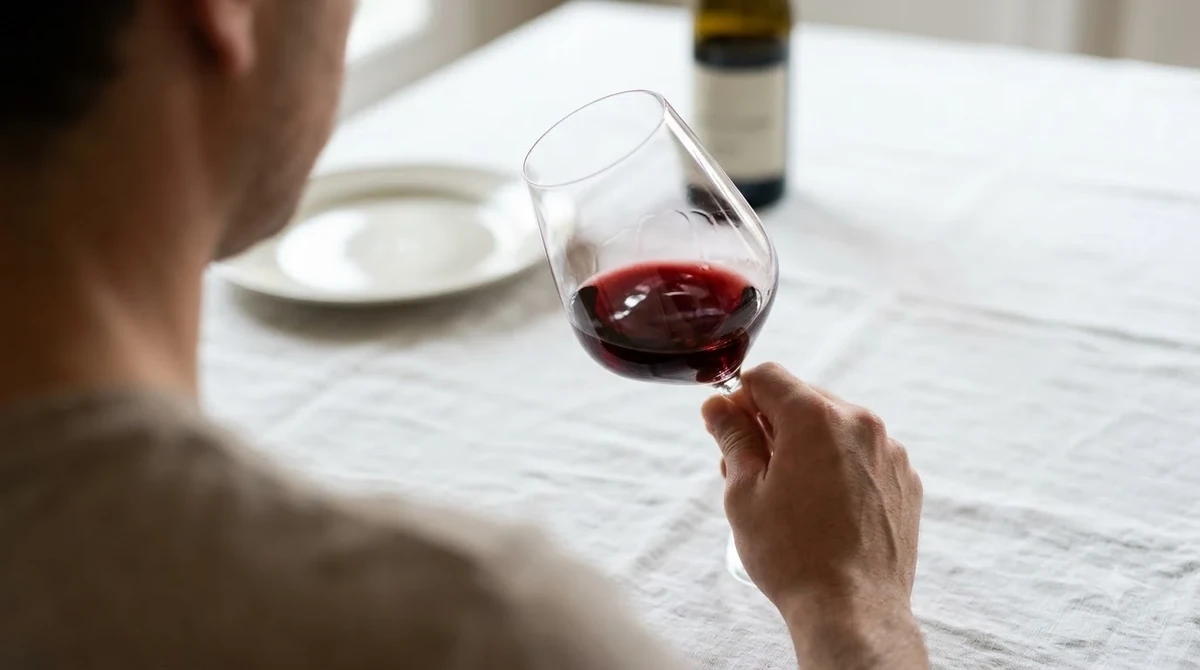
Pomerol wines can age for decades, although many bottles drink well after a few years as well. The best examples gain complexity over time, developing savory and earthy notes alongside the fruit. Younger wines benefit from opening, and Wine Folly recommends decanting Merlot for about 30 minutes to let the aromas open up. An oversized glass helps the wine show its concentration.
Serve Pomerol slightly below room temperature, roughly 15 to 20 °C. Warmer serving can make the alcohol stand out and blur the fruit, while a slightly cooler glass lets the texture and truffle notes come through. If you open an older bottle, handle it gently and pour carefully, because sediment is more common in mature wines.
Food Pairings That Work With Pomerol
Pomerol’s richness pairs well with dishes that have some weight and savory depth. Roast turkey, beef short rib, and ratatouille are classic matches for a Bordeaux-style blend, according to Wine Folly’s pairing notes for Merlot. Roast veal, rack of lamb, and filet mignon with a peppercorn sauce also complement the wine’s generous texture and fruit.
Mushroom-based dishes are a natural partner, since they echo the truffle and earth notes many Pomerol wines show. A simple roast chicken with herbs or a dish with mushrooms and cream can also be a comfortable match, especially with a younger bottle. The goal is a balance between the wine’s soft structure and the food’s savory character.
Tip: Pomerol is a wine to buy by vintage rather than by name alone. Ask a merchant about the year and whether the bottle is ready to drink, because the appellation’s reputation can shift the price more than the wine inside the bottle.
How to Choose a Pomerol Bottle
Because Pomerol has no classification, choosing a bottle means looking beyond a list of ranked estates. Start with the producer and the vintage. Reliable merchants can explain how a particular year turned out, and reviews from respected critics can help you understand whether a wine is approachable early or better held. Many buyers also look for smaller producers, since they often offer the same style of Merlot-based wine with a more personal character.
If you are new to Pomerol, consider tasting a few bottles from different producers side by side. That approach shows how much the clay soils and winemaking choices shape the finished wine. It also helps you decide whether you prefer the plush, fruit-forward style of a younger bottle or the earthier, layered character of a mature one.
Who Pomerol Wine Suits Best
Pomerol suits drinkers who enjoy soft, silky reds with depth and who appreciate wines that reward careful serving. It is a strong choice for celebrations, relaxed dinners, and collectors who like to follow a single appellation over time. It may be less appealing to drinkers who prefer bright, high-acid wines or who want an inexpensive everyday red, since the appellation’s scarcity tends to raise its profile in the market.
To place Pomerol in the wider Bordeaux picture, start with the wine regions guide. It explains how the Left Bank’s gravel and the Right Bank’s clay shape different blends, which makes Pomerol’s style easier to understand.
Frequently Asked Questions
What grape dominates Pomerol wine?
Merlot is the main grape in Pomerol. Many producers blend in Cabernet Franc, and some add a small amount of Cabernet Sauvignon.
Is Pomerol classified like the Médoc?
No. Pomerol has no official ranking or classification, unlike the 1855 system used for many Médoc estates. Buyers rely on producer reputation and vintage information instead.
How long does Pomerol wine last?
Pomerol wines can age for decades, although many bottles are enjoyable after a few years. Vintage and producer both affect how long a bottle will hold its character.
What food goes well with Pomerol?
Roast turkey, beef short rib, roast veal, and mushroom dishes are good matches. The wine’s soft texture and savory notes suit food with some richness.
Pomerol rewards a curious drinker. Its small appellation, clay soils, and Merlot-led blends produce wines that feel rich and generous. Choose a vintage that fits your plans, serve the wine at the right temperature, and use the wine regions guide to compare it with the other Bordeaux styles you already know.
More in Wine Regions
 Willcox Wine Trail: Discover Arizona’s High-Elevation Wine CountryUpdated Nov 20, 2026
 Yakima Valley Wine Region: Find the Best Styles to TryUpdated Nov 20, 2026
 Vosne Romanee Wine Tasting: Identify Aromas and Choose Better PairingsUpdated Nov 20, 2026
 Yakima Valley Wine Festival: Find the Best Seasonal Wine EventsUpdated Nov 20, 2026
 Wales Vineyards: Discover Cool-Climate Wines and Where to VisitUpdated Nov 20, 2026
 Yountville Wine Festival: Discover Napa Wines and Local FoodUpdated Nov 20, 2026