

We may earn a commission when you buy through links on this page, at no extra cost to you. Learn more.
What is niagara? Niagara is an American grape variety with pale green-white skin, a sweet and aromatic flavor, and a strong “foxy” character. It was bred in New York State in 1868, and it is now the leading green grape grown in the United States, mostly used for juice, jam, table grapes, and some wine.
If you have seen “Niagara” on a juice carton, a jar of jam, or a bottle of sweet wine, you have likely met this grape without knowing it. This guide explains where Niagara came from, what it tastes like, how it is used, and how it differs from the European wine grapes that fill most wine shops.
Where Niagara came from
Niagara is a cultivated grape bred in North America rather than in Europe. According to the Wikipedia entry on the Niagara grape, Claudius L. Hoag and Benjamin W. Clark bred it in Niagara County, New York, in 1868. They crossed the Concord grape with the white Cassady grape, and the new variety was first sold commercially in 1882.
The grape belongs to the species Vitis labrusca, which is native to eastern North America. Labrusca grapes are the parents of many American table and juice varieties, and they are known for a bold aroma that is quite different from the flavors of Vitis vinifera, the species behind most classic European wines. That difference is one reason Niagara can taste unfamiliar to people who mainly drink French or Italian wine.
Niagara’s name is tied to the region where it was developed, and it remains closely associated with New York. Its history is a good example of how American growers developed grapes suited to local conditions.
What Niagara tastes like
Niagara is usually described as sweet and generally pleasant, with a strong and appealing aroma. Many people call this aroma “foxy,” a term that is used for the flavors of American labrusca grapes in general. In wine and juice, the taste often recalls grape candy, with a bright sweetness and a soft floral lift.
The Wikipedia article also quotes a reviewer who noted candied lemon rind, a diesel-like note, jasmine-like florals, and a candied muskiness in Niagara. The article adds that wines made from it can show too much of the diesel character, which shows why winemakers handle the grape carefully. These descriptions are useful because they show that Niagara is not a neutral grape; its flavor is strong and distinctive.
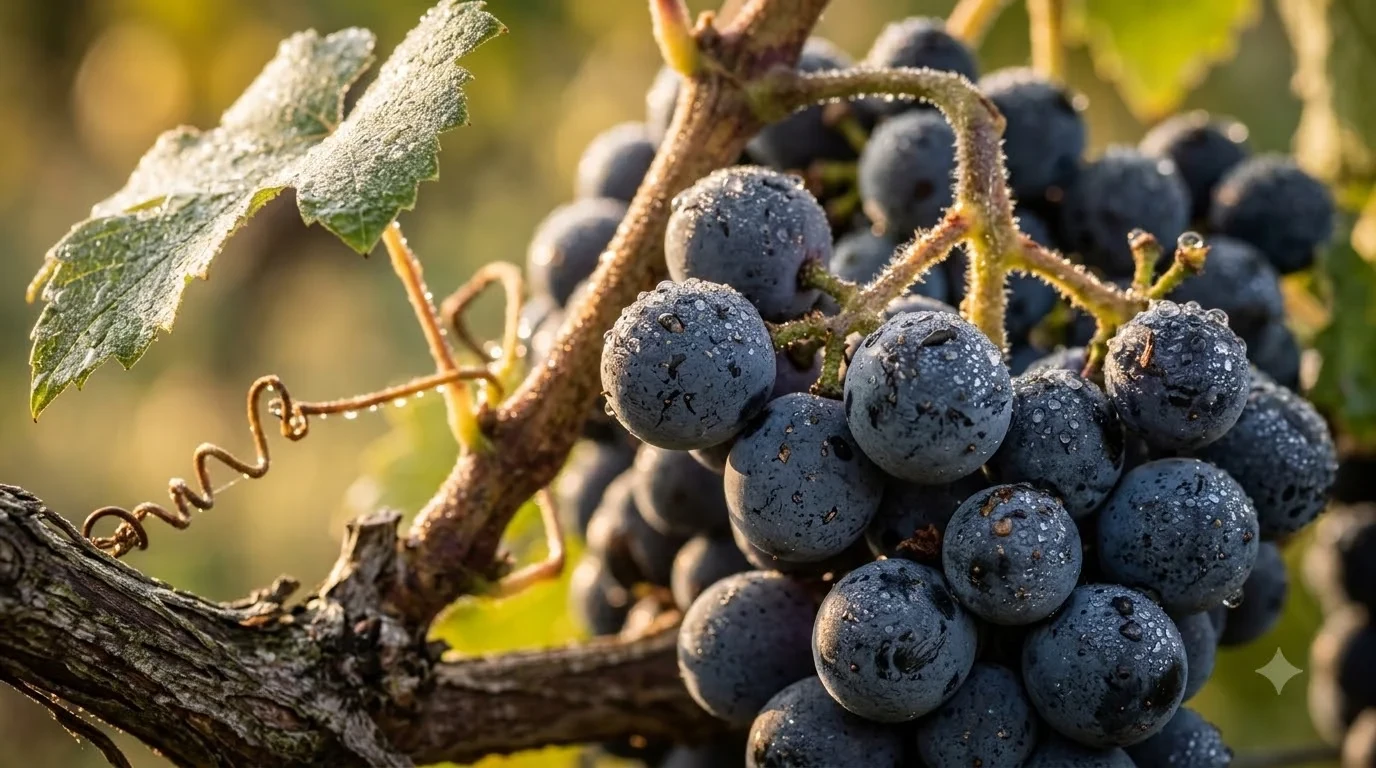
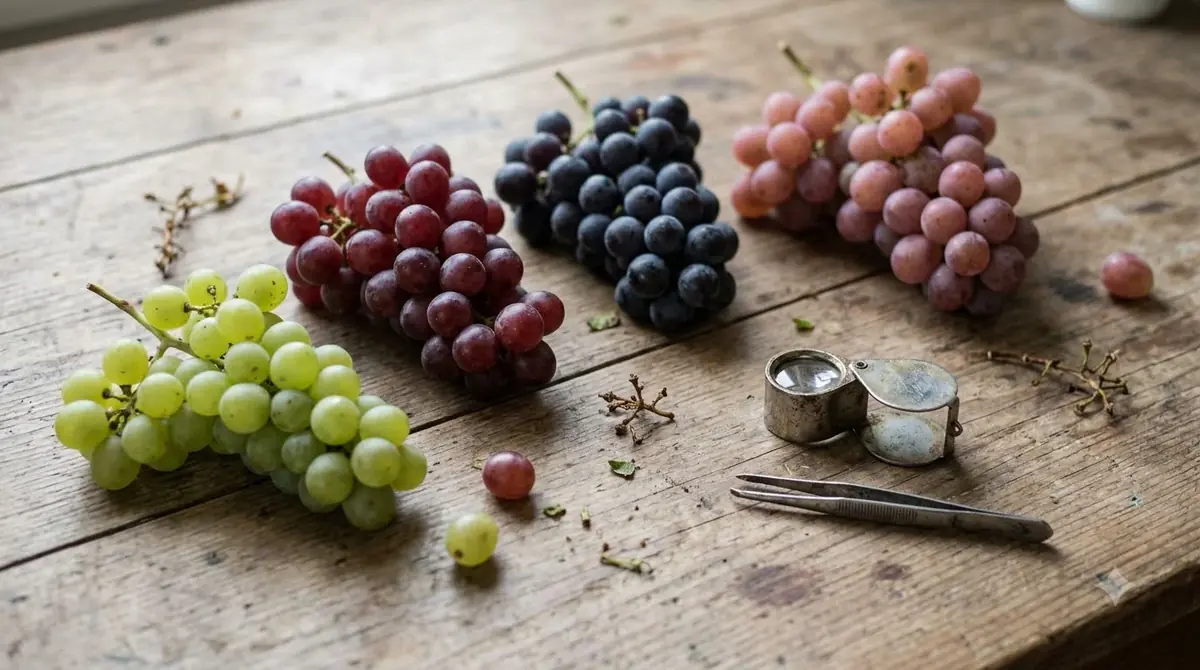
The color is one of the easiest things to recognize. The main type has pale green-white skin, which makes Niagara the leading green grape grown in the United States. A purple, or “pink,” Niagara also exists. The pink form first appeared in 1933 in São Paulo, Brazil, and it is a separate type that looks quite different in the bunch.
| Feature | Niagara grape |
|---|---|
| Parentage | Concord crossed with white Cassady |
| Bred | 1868, Niagara County, New York |
| Skin color | Pale green-white (main type), purple (pink type) |
| Flavor | Sweet, aromatic, “foxy” |
| Main uses | Juice, table grapes, jam, wine |
How Niagara is used
Niagara has several roles in the market. Most people encounter it as a table grape or as juice. The Wikipedia article says it is the source of most white grape juice sold in the United States, which explains why its name is so familiar to shoppers who never think about wine.
Niagara is also made into wine, often in a sweet or lightly sweet style. These wines are approachable because the sweetness and fruit are immediate, and they suit people who prefer fruit-forward glasses. Jam is another common use, and the Wikipedia article lists it alongside table grapes, wine, and juice.
Niagara is considered a poor shipping grape. Because the fruit does not travel well, fresh Niagara is rarely found far from where it is grown. That limits how often it appears in grocery stores outside its home regions, and it is one reason many people never taste the grape as a fresh fruit.
Where Niagara is grown
In the United States, Niagara is grown in New York, Pennsylvania, New Jersey, Michigan, Washington, and Ohio. Outside the country, the Wikipedia article lists Ontario in Canada, Brazil with a focus on São Paulo and Rio Grande do Sul, and New Zealand as places where it is cultivated.
This spread follows the grape’s roots in eastern North America. The Wikipedia article does not explain each grower’s reasons for planting it, but the list shows that Niagara is grown far from its New York birthplace, in both cool and mild growing areas.

How to taste and serve Niagara
For a fresh Niagara, the best approach is simple: chill the grapes and eat them on their own. The sweetness is easy to enjoy, and the aroma comes through clearly when the fruit is cold but not icy. Wash the bunch just before serving, and check for soft or wrinkled berries, since the fruit can deteriorate quickly once picked.
For a Niagara wine, serve it cold, in a white wine glass or a simple tumbler. Cold keeps the sweetness refreshing and softens the aroma, which can become heavy when the wine is warm. Sweet Niagara wines work well as a simple dessert drink, and they are a relaxed choice for a summer afternoon.
Tip: If a Niagara wine tastes too sweet for you, try pairing it with something salty or sharp, such as aged cheese or a salted nut mix. The contrast brings the fruit back into balance.
Food pairings for Niagara
Because Niagara is sweet and aromatic, it works best with simple foods that do not compete with its flavor. Fresh fruit, plain cakes, and light pastries are natural partners. Sweet Niagara wine can also accompany a fruit salad or a bowl of berries, where the wine and fruit echo each other.
Salty foods balance the sweetness well. Mild cheeses, cured meats, and salted snacks help the wine feel lighter on the palate. Many people find that a small plate of salty snacks works better with Niagara than a heavy dessert.
How to choose a Niagara product
Start with the purpose. If you want fresh fruit, look for firm, plump bunches with intact stems. If you want juice, check the label for 100 percent juice, since many blended drinks use only a small share of grape juice. For a wine, read the description for the sweetness level and the style, because Niagara wines can range from very sweet to lightly sweet.
It also helps to think about who will drink it. Niagara suits people who enjoy fruity, bold flavors, and it is a good match for guests who are new to wine. If someone prefers dry European-style reds or whites, a Niagara bottle may feel too sweet and too aromatic for their taste.
For more background, the niagara grape page covers the variety in more detail. If you are comparing grape families, the Wine by Type guide places Niagara alongside other styles, while the assyrtiko grape shows what a dry Greek white can taste like by comparison.
Niagara is a useful reminder that wine and grapes are not the same thing. Many of the grapes you eat or drink were never meant for classic European wine, and Niagara is one of the most successful examples of an American variety that has become part of everyday life.
Frequently Asked Questions
What does niagara taste like?
Niagara tastes sweet, with a strong aroma that is often described as foxy. Reviewers quoted in the Wikipedia article mention candied lemon rind, floral notes, and a candied muskiness, along with a diesel-like note that can be stronger in some wines.
Is niagara a wine grape or a table grape?
Niagara is used both ways. It is grown as a table grape, made into juice and jam, and turned into sweet wine. Its versatility is part of why it has remained popular in the United States for more than a century.
What color is niagara?
The main type has pale green-white skin. A purple, or pink, Niagara also exists and was first recorded in 1933 in São Paulo, Brazil. Both types share the same family traits but look different on the vine.
Where is niagara grown?
In the United States it is grown in New York, Pennsylvania, New Jersey, Michigan, Washington, and Ohio. It is also cultivated in Ontario, Canada, parts of Brazil, and New Zealand.
Niagara is an easy grape to appreciate once you know its story. Try a fresh bunch, a juice made from it, or a sweet wine, and notice how much of its character comes from that bright, foxy aroma. From there, you can decide whether it is a regular part of your glass.
More in Wine Types & Grapes
 Zinfandel Sugar Content: Dry Red vs. White Zinfandel GramsUpdated Nov 21, 2026
 Best Zinfandel Substitute Options for Sipping and CookingUpdated Nov 21, 2026
 Zweigelt Food Pairing: Best Dishes, Cheeses, and Serving TipsUpdated Nov 21, 2026
 Zinfandel Tannins Explained: How Structure Shapes Every BottleUpdated Nov 21, 2026
 Zinfandel Sweetness Level: Dry Red vs. Sweet White Zin ExplainedUpdated Nov 21, 2026
 Xinomavro Food Pairing: Best Dishes, Styles, and Serving TipsUpdated Nov 21, 2026