

We may earn a commission when you buy through links on this page, at no extra cost to you. Learn more.
Pinot noir rose wine is a pink wine made from the pinot noir grape, usually with brief contact between the juice and the grape skins. Because pinot noir has thin skins, the color stays pale, and the wine is typically light, dry and crisp. It keeps the red-fruit character of Pinot Noir without the heavier tannins of a red.
This guide explains how pinot noir rosé is made, what it tastes like, how to serve it and how to choose a bottle. It is written for people who like Pinot Noir but want something lighter for warm weather, and for anyone trying to decide between a rosé and a red at the table.
What Pinot Noir Rosé Is
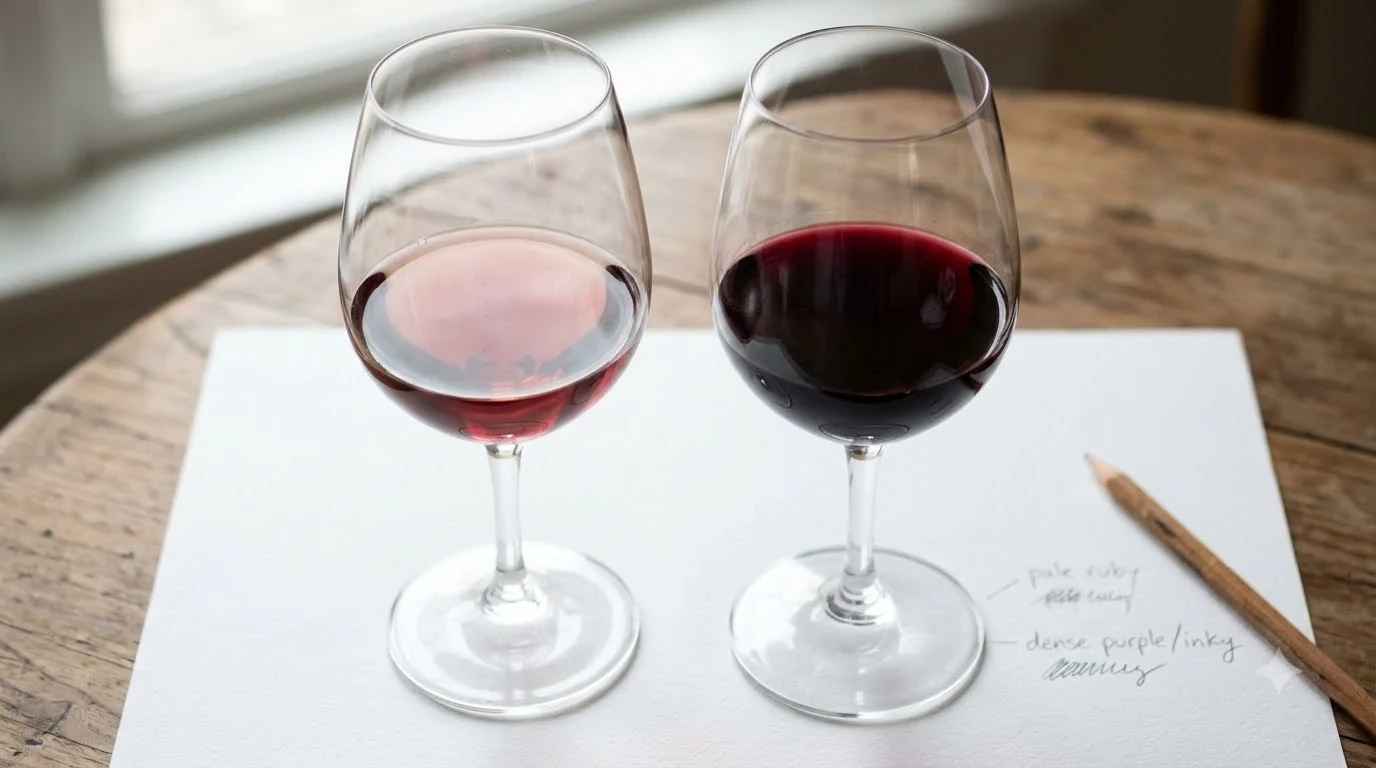
Rosé is a pink wine made from red grapes. It is not a blend of red and white wine. The color comes from contact with the grape skins, which release pigment into the juice. The longer the contact, the deeper the color, so winemakers control the shade by timing how long the juice stays with the skins before they are separated.
Pinot noir is a useful grape for rosé. The skins are thin and hold relatively little color, so even a short contact produces a pale, salmon or light strawberry tone. That pale color is one reason many people expect a delicate wine, and in most cases the expectation is right. Pinot noir rosé is usually lighter in body than a rosé made from a deeply colored grape such as Syrah or Grenache.
How Pinot Noir Rosé Tastes
The flavors come from the grape itself. Pinot noir is known for red fruit, and Wine Folly’s Pinot Noir profile lists ripe cherry and raspberry as its primary flavors, with undertones of forest floor, tea leaves and sometimes clove in red versions. In a rosé, the fruit tends to be fresher and more prominent, since the wine sees less time with the skins and less oak. Expect strawberry, cherry, watermelon and a touch of floral or herbal character.
Pinot noir has high acidity, and that carries into the rosé. The wine often feels crisp and clean, which is why it works well on a warm afternoon. Tannin is low because of the thin skins, so the wine feels smooth rather than drying. The finish is usually short to medium and dry rather than sweet.
Dryness is the normal style for pinot noir rosé, but producers vary. Some bottles are fuller and rounder, with more fruit on the palate. Others are sharper and more mineral. Reading the producer’s notes will tell you which direction the wine leans before you buy.
| Feature | Typical pinot noir rosé |
|---|---|
| Color | Pale salmon to light strawberry |
| Body | Light to medium |
| Sweetness | Usually dry |
| Acidity | Medium-high to high |
| Tannin | Low |
| Main flavors | Strawberry, cherry, watermelon, floral notes |
How the Wine Is Made
There are two common ways to make rosé. The first is short skin contact, where the crushed red grapes sit with their juice for a few hours before the juice is drained off. This gives the wine its color and some flavor. The second method is called saignée, or “bleeding,” where a portion of juice is drawn off from a red wine tank early in its fermentation. The drawn-off juice becomes rosé, and the remaining red wine becomes more concentrated.
A few producers blend a small amount of red wine into white wine to create pink color, but this is less common for pinot noir and is restricted in some regions. VinePair’s guide to rosé notes that the category can be made from nearly any red grape, and that the color and body vary widely from one grape to another. Pinot noir sits at the light, delicate end of that range.
How to Serve Pinot Noir Rosé
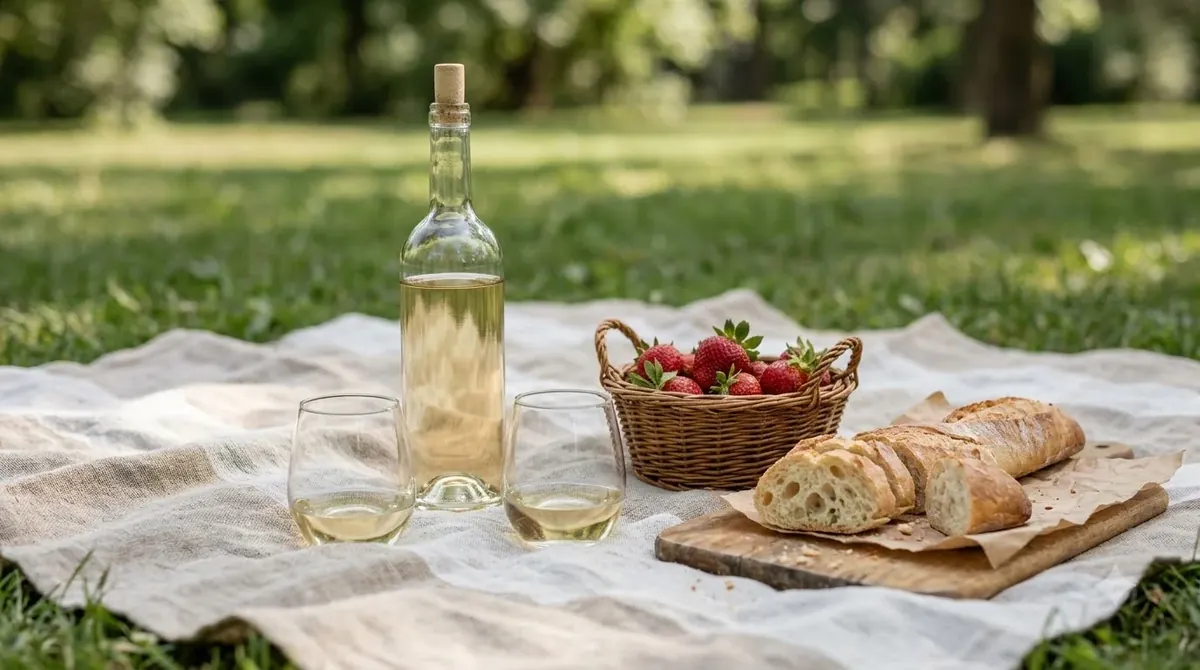
Serve pinot noir rosé chilled. Cooler wine tastes crisper and keeps the fruit lively, while warmer wine can taste flat and alcoholic. A rosé that has been in the fridge for an hour or two is usually ready to pour. Use a white wine glass, which lets you smell the fruit without concentrating the acidity too much.
Rosé is generally meant to be drunk young. Most pinot noir rosés are at their best within a year or two of the vintage, when the fruit is fresh. Store the bottle upright in a cool, dark place until you are ready to chill and open it.
Tip: If a rosé tastes sweet or heavy, it may be warm. Chill it again for 20 to 30 minutes and taste it once more before deciding.
Food Pairings for Pinot Noir Rosé
Pinot noir rosé is one of the most versatile wines at the table. Its acidity cuts through rich food and its fruit complements lighter dishes. Grilled salmon, roast chicken, mushroom risotto, and a platter of soft cheeses all work well. The wine also suits Asian and Latin cooking, since its fruit and acidity handle spice and fresh herbs without overpowering them.
Because the wine is lighter than most reds, it can take the place of a red with a meal where a heavy wine would feel too strong. Try it with a pizza topped with tomato and fresh basil, or with a bowl of pasta with a light tomato sauce. Charcuterie and olives make a good match for a casual, shared meal.
Pinot Noir Rosé Compared With Pinot Noir
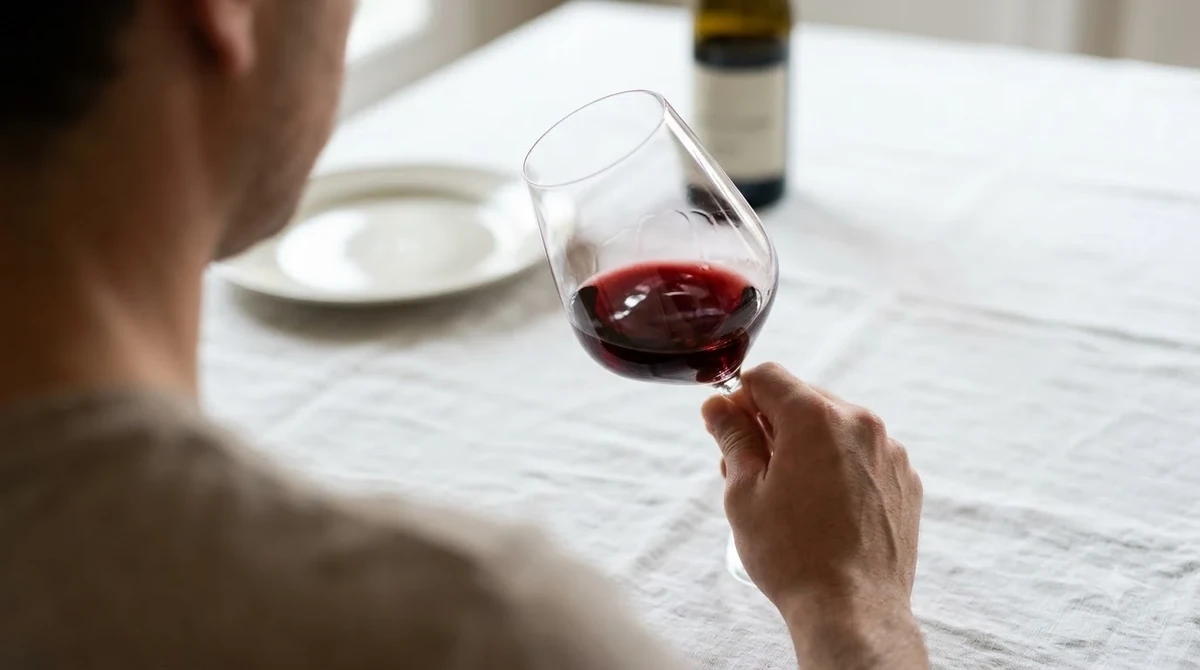
A pinot noir rosé and a pinot noir red come from the same grape, so they share the fruit and the sense of place. The difference is in the color, the body and how the wine is served. Pinot noir red is usually medium-bodied with more tannin and more savory notes, such as earth and spice. Rosé keeps the red fruit but drops the savory weight, which makes it easier to drink chilled and in larger quantities.
If you want to understand the red style first, our guide to whether pinot noir should be chilled covers how the red changes with temperature. The grape’s core character is the same, so most people who enjoy one will find the other interesting.
How to Choose a Bottle
Look for a pinot noir rosé that is labeled dry, with the vintage on the label. Check the producer’s notes for words like crisp, fresh or bright, which usually describe the style you are looking for. If you prefer more body, choose a bottle described as richer or more textured. If you prefer a lighter drink, choose one described as delicate or aromatic.
Since the wine is usually meant to be young, avoid bottles that are several years old unless the producer says they are built to age. For a general introduction to rosé styles, our Wine by Type section compares the main categories side by side.
Frequently Asked Questions
Is pinot noir rosé sweet?
Most pinot noir rosés are dry. The sweetness on the palate usually comes from ripe fruit, not from residual sugar. Check the label or producer notes if you prefer a sweeter style.
Why is pinot noir rosé so pale?
Pinot noir has thin skins that give up little color, so the juice stays in contact with them for only a short time. That gives a light pink or salmon shade rather than a deep red.
Should pinot noir rosé be served chilled?
Yes. Serving it chilled keeps the acidity fresh and the fruit lively. A rosé that is too warm can taste heavy and flat, so refrigerate it before pouring.
Can I drink pinot noir rosé with red meat?
Yes, if the dish is lighter, such as grilled chicken or pork with fresh herbs. For a heavily seasoned or fatty cut of beef, a red wine usually suits better because it has more structure.
Pinot noir rosé is a simple, food-friendly wine that gives you the grape’s red fruit in a lighter, colder style. Start with a dry bottle from a producer whose notes match what you enjoy, serve it cold, and pair it with dishes that are fresh and not too heavy.
More in Wine Types & Grapes
 Zinfandel Sugar Content: Dry Red vs. White Zinfandel GramsUpdated Nov 21, 2026
 Best Zinfandel Substitute Options for Sipping and CookingUpdated Nov 21, 2026
 Zweigelt Food Pairing: Best Dishes, Cheeses, and Serving TipsUpdated Nov 21, 2026
 Zinfandel Tannins Explained: How Structure Shapes Every BottleUpdated Nov 21, 2026
 Zinfandel Sweetness Level: Dry Red vs. Sweet White Zin ExplainedUpdated Nov 21, 2026
 Xinomavro Food Pairing: Best Dishes, Styles, and Serving TipsUpdated Nov 21, 2026