

We may earn a commission when you buy through links on this page, at no extra cost to you. Learn more.
Fetzer wine comes from Fetzer Vineyards, a California winery based in Hopland, in Mendocino County, that makes a broad range of varietal and blended wines. The label is known for everyday-priced bottles across white and red styles, along with some reserve and dessert-style wines. Fetzer has been owned since 2011 by the Chilean producer Concha y Toro, which also controls several other California brands.
This guide explains what Fetzer wine is, how the winery is organized, which styles people usually choose, and how to serve and pair them. It also covers how to decide which bottle fits a dinner, a party, or a first try at a new grape.
What Fetzer wine is
Fetzer is a winery brand rather than a single estate wine. The company describes itself as a certified B Corporation, which means it has been assessed against standards for environmental performance, social impact, and governance. Its website also lists a range of wines including Gewürztraminer, Chardonnay, Pinot Grigio, Riesling, Sauvignon Blanc, Merlot, Cabernet Sauvignon, and a Reserve Port, so most shoppers see a mix of whites, reds, and a fortified wine under the same name.
The brand is aimed at people who want consistent, approachable wines that are easy to find in stores and restaurants. Many bottles are made to be enjoyed young, which fits a casual table, a picnic, or a weeknight meal rather than long cellaring.
Who owns Fetzer and where it is made
Its official website lists the winery as located in Hopland, California, in the northern part of the state. According to the Concha y Toro entry on Wikipedia, the Chilean company bought Fetzer in 2011. The same deal also moved several other brands, including Bonterra Vineyards, Five Rivers Wines, Bel Arbor Winery, Jekel Vineyards, and Little Black Dress Wines, into the Concha y Toro group.
For a shopper, the ownership history matters mainly because it explains why Fetzer shows up alongside several related labels in the same aisle or in the same restaurant wine list. It does not change how an individual bottle tastes, which depends on the grapes, the vintage, and the winemaking choices behind that specific wine.

Common styles in the Fetzer range
Fetzer covers several broad wine families. White wines such as Chardonnay, Pinot Grigio, and Sauvignon Blanc tend to be crisp and fruit-forward, while Riesling and Gewürztraminer bring more aromatic character and often a touch of sweetness. On the red side, Merlot and Cabernet Sauvignon are the classic choices for a steak or a hearty stew.
The table below is a simple guide to the main families. Always check the label for the vintage and the exact bottling, because the same brand can offer several styles at once.
| Style | Examples on the Fetzer range | Typical character |
|---|---|---|
| Aromatic white | Gewürztraminer, Riesling | Floral and fruit-forward, with a softer finish |
| Crisp white | Sauvignon Blanc, Pinot Grigio | Bright acidity, citrus and green-fruit notes |
| Oaked white | Chardonnay | Creamier texture with some oak influence |
| Medium red | Merlot | Soft tannins and ripe red fruit |
| Full red | Cabernet Sauvignon | Firmer tannins and darker fruit |
| Fortified | Reserve Port | Sweet, rich, and suited to after-dinner sipping |
Many people start with a Chardonnay or a Pinot Grigio because those styles are easy to match with food. Others prefer the sweeter aromatic whites, which can be a good match for spicy dishes and salty snacks. The reds are a natural fit for grilled meats, pasta with meat sauce, and hearty winter dinners.
How to serve Fetzer wine
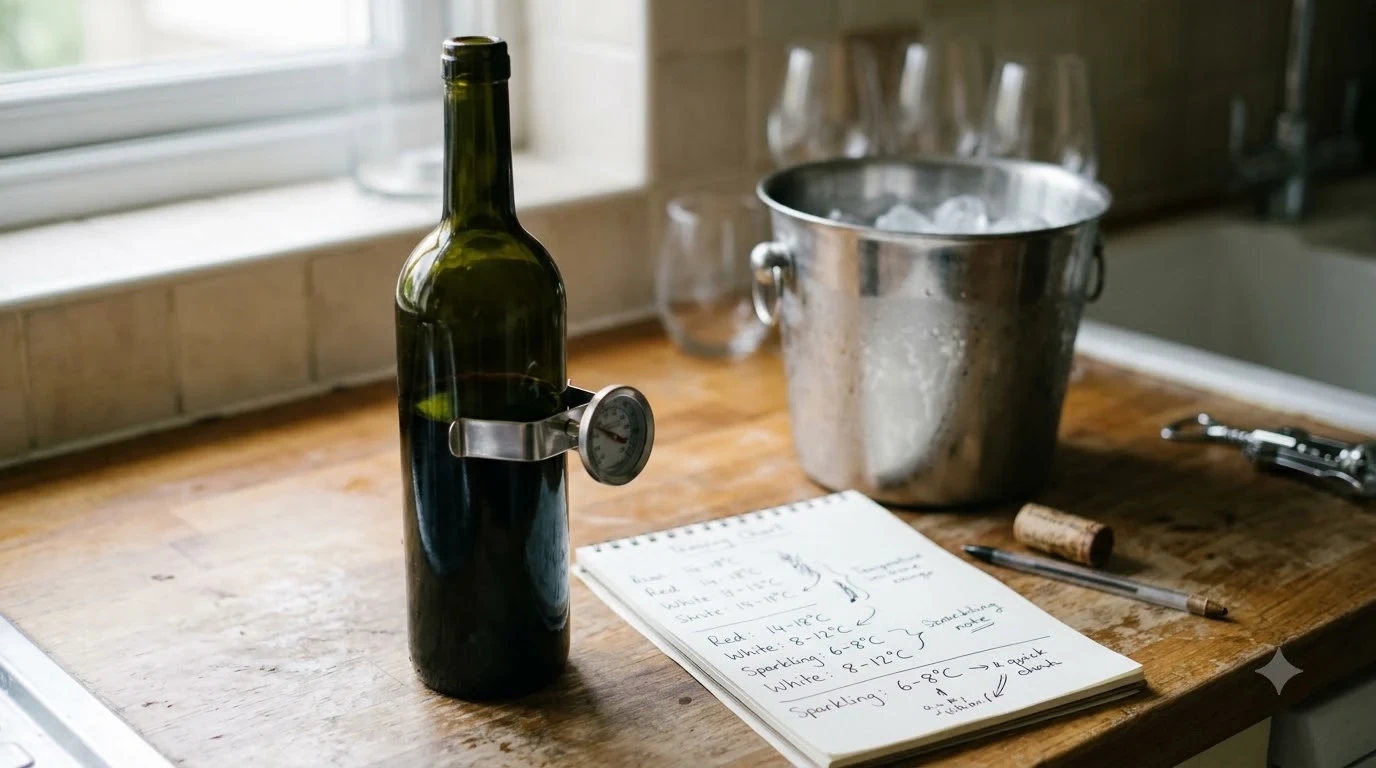
Serving temperature has a large effect on how a white wine tastes. Crisp whites such as Sauvignon Blanc and Pinot Grigio taste brighter when they are well chilled, while fuller whites like Chardonnay can show more depth when they are a little warmer than straight from the refrigerator. Reds generally taste better slightly cool rather than at warm room temperature.
A few minutes of air can help a young red open up, and a simple wine glass is enough for most bottles. Once opened, white wine keeps best with the cork back in and the bottle in the refrigerator, while reds are fine on the counter for a day or two if they are sealed tightly and kept away from heat.
Storage matters between bottles as well. Keep unopened wine in a cool, dark place away from heat sources and direct sunlight. Most everyday bottles are meant to be drunk within a year or two of release, so there is little reason to store them for long periods unless the label says otherwise.
Tip: For a sweeter white, serve it very cold, which softens the sugar in the mouth. For a fuller red, a short time in the glass after pouring gives the aromas more room to show.
Food pairings for Fetzer wines
Pairing starts with the weight of the wine. Lighter whites such as Pinot Grigio and Sauvignon Blanc work well with salads, grilled fish, and fresh cheeses. Chardonnay handles roast chicken, creamy pasta, and buttery vegetables. The sweeter aromatic whites are good with spicy Asian dishes, pork, and mild curries, because a touch of sweetness balances heat.
On the red side, Merlot suits burgers, roast turkey, and tomato-based sauces. Cabernet Sauvignon needs richer food, such as a grilled steak or a slow-cooked stew, so the tannins feel balanced rather than harsh. Reserve Port is a classic match for dark chocolate desserts and blue cheese.
Label reading helps more than most shoppers expect. The grape name tells you the basic flavor direction, the vintage year tells you how the growing season may have shaped the fruit, and the alcohol percentage gives a rough sense of body. Lower alcohol whites often feel lighter and crisper, while higher alcohol reds usually feel fuller and warmer on the palate. Taking a moment to compare these details across two or three bottles is often the fastest way to find a favorite.
Price is also part of the decision, but it should not be the only guide. A well-made bottle at a modest price can be a better match for a simple dinner than a more expensive wine that does not suit the food. Buying a small bottle first is a sensible way to test a style before committing to a case.
How to choose a bottle
Start with the grape on the label. If you already know you like a certain grape, look for that varietal first, then read the back label for the vintage and any description of the style. If you are new to a grape, a crisp Sauvignon Blanc or a soft Merlot is often a comfortable starting point because the flavors are easy to recognize.
It is also useful to compare the Fetzer bottle with other labels in the same price range. Look at how the wine is described and whether the producer gives food suggestions. The Fetzer Gewürztraminer wine page is a helpful next step if you like aromatic whites, and the Wine Brands guide explains how big producers organize their labels.

Frequently Asked Questions
Is Fetzer wine a good choice for beginners?
Many beginners start with Fetzer because the range includes familiar grapes like Chardonnay, Merlot, and Sauvignon Blanc. These styles are widely available and easy to match with simple meals, which makes them a practical way to learn what you enjoy.
Who owns the Fetzer brand?
Fetzer has been part of the Chilean company Concha y Toro since 2011, when the group acquired it along with several other California brands. The winery continues to operate under the Fetzer name in Hopland, California.
Is Fetzer wine sweet?
It depends on the bottle. Aromatic whites such as Gewürztraminer and Riesling are often softer and fruitier, while Sauvignon Blanc and Pinot Grigio are usually crisp and dry. Reserve Port is a sweet fortified wine. Reading the back label or the producer’s description will tell you where a specific bottle sits.
What food goes best with Fetzer wine?
Chardonnay pairs well with roast chicken and creamy pasta, while Sauvignon Blanc suits salads and grilled fish. Merlot works with burgers and tomato sauces, and Cabernet Sauvignon needs richer dishes such as steak. Matching the weight of the wine to the weight of the food is a reliable rule.
Fetzer wine offers a wide, approachable range for everyday meals and casual gatherings. Choose a style that matches what you already enjoy, serve it at the right temperature, and pair it with food of similar weight. For more on how brands are organized, the Wine Brands guide is a good next read.
More in Wine Brands
 Underwood Wine Price: Compare Bottles, Cans, and Pack SizesUpdated Nov 21, 2026
 Zenato Wine Price: Compare Styles and Choose the Right BottleUpdated Nov 21, 2026
 Zuccardi Wine Price: Compare Bottles and Find the Right RangeUpdated Nov 21, 2026
 Yellow Tail Moscato Review: Taste, Sweetness and Serving TipsUpdated Nov 21, 2026
 Wolf Blass Yellow Label Review: Choose Your Best StyleUpdated Nov 21, 2026
 Wolffer Estate Rose Review: Choose the Right Bottle for Your TableUpdated Nov 21, 2026