

We may earn a commission when you buy through links on this page, at no extra cost to you. Learn more.
vieux telegraphe wine is a Grenache-led Châteauneuf-du-Pape from Domaine du Vieux Télégraphe on the Plateau de la Crau in France’s Southern Rhône. The flagship red combines Grenache with Mourvèdre, Syrah, and smaller amounts of local grapes, producing a full-bodied wine with dark fruit, spice, and fine tannins. The estate also makes a white Châteauneuf-du-Pape, while its Télégramme and Piedlong bottlings offer different expressions of the appellation. Understanding the vineyard, blend, and aging choices makes it easier to choose a bottle and serve it well.
Domaine du Vieux Télégraphe is one of the Brunier family’s best-known Rhône estates. Its name is closely tied to La Crau, a stony sector of Châteauneuf-du-Pape that shapes the red wine’s structure and savory character. This guide explains what the name on the label represents, how the principal bottlings differ, and what to expect at the table.
What Vieux Télégraphe Wine Is
Vieux Télégraphe is an estate and wine name associated with Châteauneuf-du-Pape, the Southern Rhône appellation known for structured red blends and distinctive white wines. The best-known bottling is the domaine’s red, made primarily from Grenache grown on the Plateau de la Crau; a white wine comes from the same broader estate setting.
The Brunier family has run the domaine for six generations, dating to 1891. That long family history is not just a label detail: it gives context to an approach that emphasizes the character of the vineyard, careful handling of Grenache, and patient maturation in large wooden vessels. The estate’s name now covers several wines, so it helps to distinguish the flagship Vieux Télégraphe red from its other Châteauneuf-du-Pape bottlings. For context on how one producer name can cover several labels, see our wider guide to wine brands.
On a restaurant list or wine-shop shelf, “Vieux Télégraphe” generally points to the flagship estate wine unless another cuvée is named. Look for “rouge” for the red or “blanc” for the white. The vintage matters, too. A warm growing season can make Grenache seem riper and broader, while a cooler or more restrained year may emphasize herbs, freshness, and firmer definition. Two bottles with the same producer name can therefore share a recognizable house style without tasting exactly alike.
The Plateau de la Crau and Its Soils
The Plateau de la Crau is the central clue to the wine’s identity: a high, stony part of Châteauneuf-du-Pape covered with rounded Alpine pebbles known as galets roulés. Beneath those stones, deep clay helps vines cope with the hot, dry Southern Rhône summer.
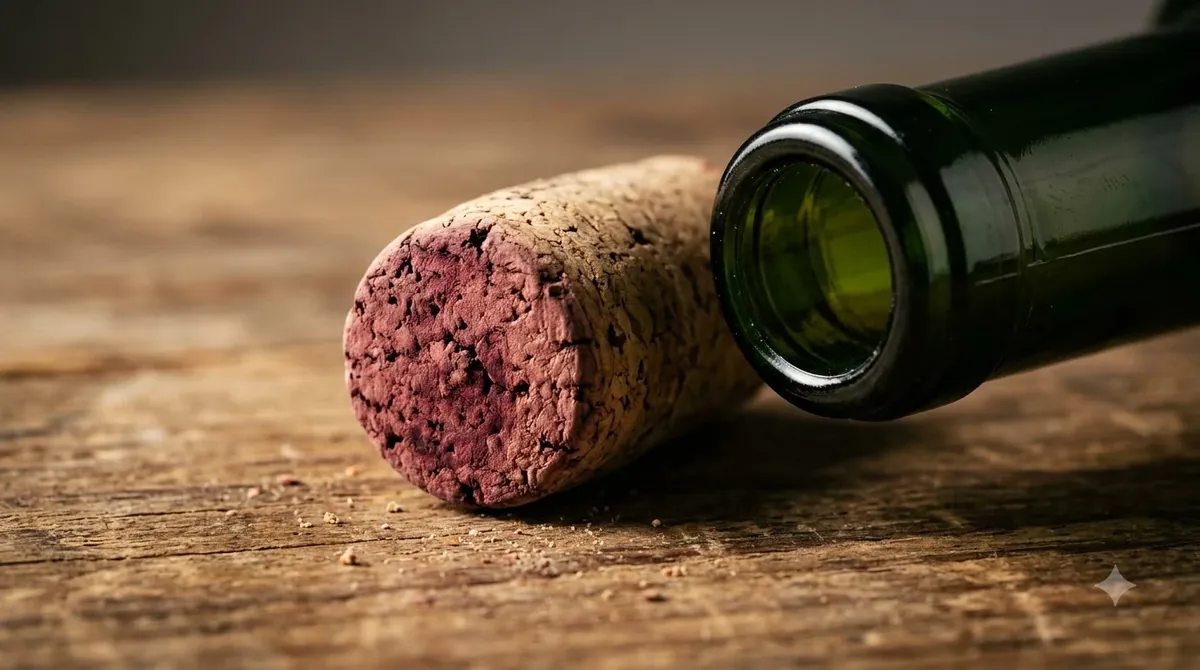
From the surface, La Crau can look inhospitable. Decanter describes its beige, fist-sized stones and explains that the important feature lies below them: water-retaining clay that supplies moisture through dry spells. The plateau’s position to the east of the village and its elevation within the appellation are also part of its distinct growing environment. The stones are a visible marker, but the combination of surface gravel, deeper clay, and local climate matters more than any single element.
That soil profile influences the rhythm of ripening. According to Decanter’s discussion with the Brunier family, water stress arrives relatively late on La Crau, supporting steadier grape development and helping produce finer tannins. This is useful context for understanding why the red can feel powerful without always seeming coarse or heavy. The fruit reaches ripeness in a warm region, but the site’s underlying clay can help vines maintain a more even supply of water.
The estate describes the pebbly terroir as giving its wines a particular mineral character. In a glass, “mineral” is best understood as a tasting impression rather than a literal flavor of stone. It may register as a dry, stony or savory edge alongside dark fruit, pepper, and dried herbs. La Crau does not erase the warmth of Grenache; it gives that fruit a site-specific frame and helps distinguish the wine from a simple, plush Southern Rhône blend. The producer’s overview of the Plateau de la Crau explains how the estate connects its wines to this landscape.
Grapes and Blend Structure
The flagship red is a multi-grape blend led by Grenache, with Mourvèdre and Syrah providing much of its supporting structure. The proportions give a useful picture of the usual balance, although the character of an individual vintage also depends on ripeness and the work of blending.
Decanter lists the typical red blend as 65% Grenache, 15% Mourvèdre, 15% Syrah, and 5% Cinsault, Clairette, and other local varieties combined. The table shows the proportions in a practical format; the final 5% is a group of smaller components rather than one fixed grape in every vintage.
| Grape or group | Typical share | Role in the blend |
|---|---|---|
| Grenache | 65% | Ripe fruit, warmth, and generous body |
| Mourvèdre | 15% | Depth, savory character, and structure |
| Syrah | 15% | Dark-fruit notes, pepper, and added shape |
| Cinsault, Clairette, and other local grapes | 5% combined | Smaller blending contributions and nuance |
Grenache supplies the center of gravity. It tends to bring ripe cherry and berry fruit, a broad mid-palate, and a sense of warmth. Syrah can contribute darker fruit and pepper, while Mourvèdre often adds a more savory, firm dimension. The smaller portion of other local grapes gives the blend flexibility rather than turning it into a single-grape expression. As a result, the wine is not simply “Grenache with a little oak”; its balance comes from several varieties and the site where they grow.
The Wine Enthusiast review of the 2017 La Crau red describes black cherry and blackberry with pepper and licorice, alongside fine, feathery tannins. Those notes offer a helpful illustration of the style, not a promise that every vintage will show the same aroma at the same intensity. A younger bottle may lean toward primary berry fruit and spice, while bottle age can bring dried-herb, leather, and earthy notes into clearer focus. The blend’s main markers remain dark fruit, savory seasoning, and a substantial but generally polished texture.
Red, White, and the Estate’s Other Bottlings
The flagship red is the reference point, but the estate makes more than one wine from Châteauneuf-du-Pape. Its white bottling uses four white grapes, while Télégramme and Piedlong provide different takes on the red side of the appellation.
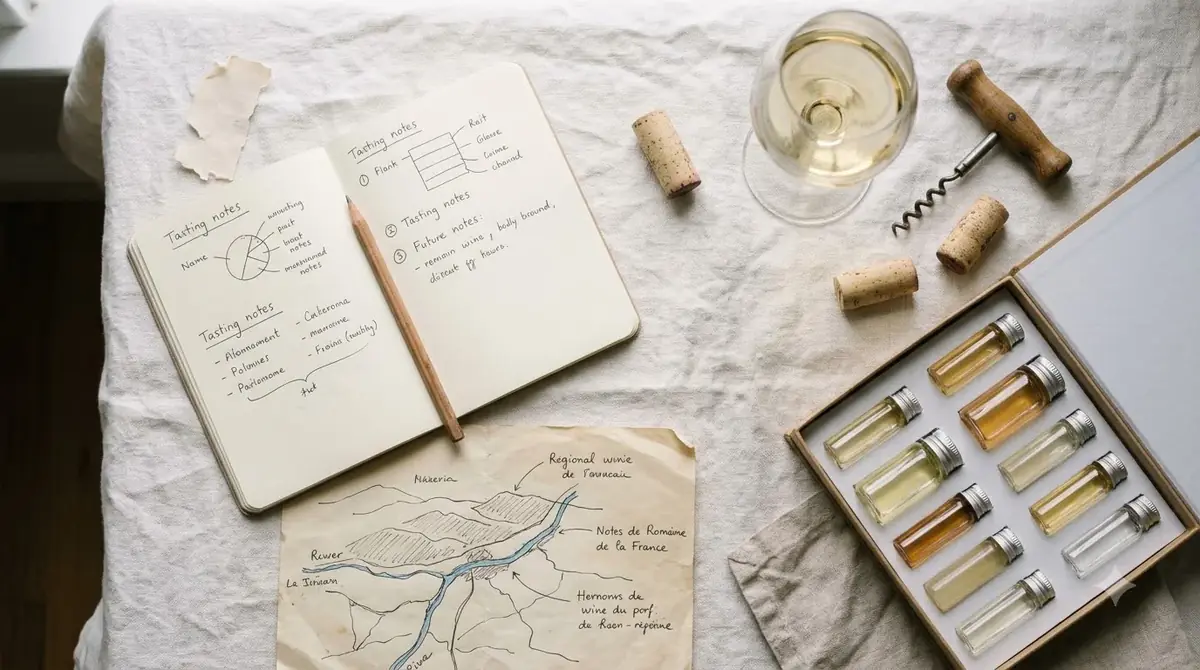
Vieux Télégraphe blanc is a blend of Clairette, Grenache Blanc, Roussanne, and Bourboulenc. Decanter gives the typical proportions as 40% Clairette, 25% Grenache Blanc, 25% Roussanne, and 10% Bourboulenc. That combination produces a different register from the red: think orchard fruit, white flowers, texture, and savory detail rather than black cherry and pepper. Wine Enthusiast’s review of the 2018 white notes pear and apple, white blossoms, and tea-leaf nuances, showing how the wine can be both rich and lifted by aromatic detail.
Télégramme is the estate’s more immediately fruit-driven red cuvée. Decanter describes it as a destemmed wine drawn from other parcels and younger vines, rather than the core old-vine La Crau expression. It can be a useful choice for someone who likes the domaine’s general style but wants a bottle to approach earlier. It should not be treated as a lesser vintage of the flagship: it has a different source and a different purpose.
Piedlong is another distinct Châteauneuf-du-Pape red, built around old-vine Grenache from the Piedlong site with 10% Mourvèdre from Pignan, according to Decanter. Clos la Roquète, by contrast, is a white from Roussanne, Clairette, and Grenache Blanc. These names are worth recognizing because a restaurant or retailer may group them under the Brunier family or the domaine umbrella. Choosing among them is a question of style: flagship red for the classic La Crau expression, Télégramme for a younger-vine red profile, Piedlong for its Grenache-led site expression, and the whites for a more aromatic, textured alternative. Readers comparing regional reds can also explore Campo Viejo red wine for a Spanish point of comparison with a different grape and regional identity.
Winemaking and Bottle Aging
The estate’s winemaking aims to preserve the character of Grenache and the La Crau fruit, with gentle movement of grapes and must and maturation in large vessels. The red is not built around obvious new-oak flavor; time in wood is used as part of the wine’s development rather than as the main taste. Decanter reports that the winery moves grapes and must by gravity and vibration, a method intended to limit rough handling of fragile Grenache. The oldest vines on La Crau can be 110 years old, and those bunches are kept with their stems during fermentation. Other parcels are destemmed, and natural yeasts are used. These choices show that the team does not apply one mechanical recipe to every parcel: fruit from different vine ages and locations can receive different treatment before the final blend is assembled.
The red wines mature for about two years before bottling. Decanter describes the first year in wooden vats of different ages and the second in large foudres. These vessels are much larger than standard small barrels, so they allow the wine to mature without the same strong wood imprint that a high proportion of new small oak barrels could bring. This long élevage also gives the components time to settle and integrate before release. The result is intended to show the fruit and tannin structure, not a pronounced vanilla or toast profile.
Patience after bottling can reveal another side of the wine. Decanter notes that Vieux Télégraphe can be silky and welcoming when young, yet may lack some complexity at that stage; the article recommends holding the red for at least 10 years to experience greater development. That is a useful guideline for collectors, not a rule that every vintage must follow. A young bottle can still be enjoyable with air and food, while a mature bottle may show more dried herbs, leather, savory earth, and integrated fruit. Store bottles on their side in a cool, steady place near 55°F, away from light and temperature swings.
Tasting, Serving, and Food Pairing
Expect a full-bodied red with a core of dark cherry and blackberry, accents of black pepper and licorice, and tannins that give the wine shape without necessarily making it hard. Serving temperature, air, and food can make a noticeable difference to how those elements come together.
Serve the red at about 60–65°F, a little cooler than a warm room. If the bottle is young, give it 30–60 minutes in a decanter so the fruit and savory aromas can open. Pour a standard 5-ounce glass; a 750-milliliter bottle yields about five such servings. Older bottles may need less air, and sediment can be left behind by pouring slowly once the bottle has been kept upright. A white Vieux Télégraphe is better served cooler, around 50–55°F, so its freshness and floral detail remain clear without muting its texture.
For food, match the red’s weight and savory edge with roast lamb, grilled beef, duck, or herb-roasted pork. Rosemary, thyme, black pepper, olives, and roasted garlic make natural bridges to the wine’s Rhône character. Mushrooms, lentils, and slow-cooked beans can also work, especially when they have enough richness to meet the wine’s body. Salt and fat soften tannin, which is why a well-seasoned lamb shoulder or a dish with a little olive oil can make the red feel rounder. With the white, try roast chicken, shellfish, grilled sea bass, or creamy vegetable dishes.
Tip: For a young flagship red, start with 30–60 minutes of air and serve it at 60–65°F. Avoid pairing it with very hot chili dishes, which can make alcohol and tannin seem more pronounced, or with oily fish, which can clash with a tannic red.
Keep sweetness and acidity in mind when planning a full meal. A dry, structured red like Vieux Télégraphe is not a natural match for a dessert that is sweeter than the wine; finish with cheese or choose a sweeter wine for a sweet course. For acidic dishes such as tomato-based preparations or sharp vinaigrettes, choose a wine with enough freshness to avoid tasting flat beside the food. The white can be the more flexible choice for lighter seafood, while the red is better suited to richer meats and earthy dishes.
Frequently Asked Questions
These details help separate the estate’s history from the names of its individual wines. The dates 1891, 1915, 2002, and 2011 each mark a different point in the domaine’s story.
What does the name Vieux Télégraphe mean?
The name refers to an old stone tower used to transmit messages by semaphore. Jules Brunier gave the estate its Vieux Télégraphe name in 1915, connecting the domaine to a local landmark rather than to a grape variety.
Why was there no Vieux Télégraphe red in 2002?
Flooding prevented the domaine from making its usual Vieux Télégraphe red in 2002. Decanter records that the first vintage of Télégramme was made that year, giving the estate another red cuvée drawn from other parcels and younger vines.
Does the Brunier family make wines outside Châteauneuf-du-Pape?
Yes. The family’s wider range includes Les Pallières in Gigondas, as well as Le Pigeoulet and Mégaphone in the foothills of Mont Ventoux. These wines come from different Rhône settings and should not be confused with the Châteauneuf-du-Pape bottlings.
Is La Crau a separate special cuvée name?
Decanter explains that “La Crau” on the bottle identifies the plateau associated with the wine, rather than naming a separate special cuvée. The distinction matters because La Crau is the vineyard site at the heart of the flagship wine’s identity.
When was the current Vieux Télégraphe winery built?
The current winery was built in 2011. The estate had an earlier winery on La Crau, first constructed in 1928, so the present building is part of a longer history of winemaking at the site.
Vieux Télégraphe is a distinctive way to explore Châteauneuf-du-Pape because its Grenache-led blend is closely tied to the stones and clay of La Crau. Choose the flagship red for depth and aging potential, or explore the white, Télégramme, and Piedlong for different expressions of the Brunier family’s Rhône vineyards.
More in Wine Brands
 Underwood Wine Price: Compare Bottles, Cans, and Pack SizesUpdated Nov 21, 2026
 Zenato Wine Price: Compare Styles and Choose the Right BottleUpdated Nov 21, 2026
 Zuccardi Wine Price: Compare Bottles and Find the Right RangeUpdated Nov 21, 2026
 Yellow Tail Moscato Review: Taste, Sweetness and Serving TipsUpdated Nov 21, 2026
 Wolf Blass Yellow Label Review: Choose Your Best StyleUpdated Nov 21, 2026
 Wolffer Estate Rose Review: Choose the Right Bottle for Your TableUpdated Nov 21, 2026