

We may earn a commission when you buy through links on this page, at no extra cost to you. Learn more.
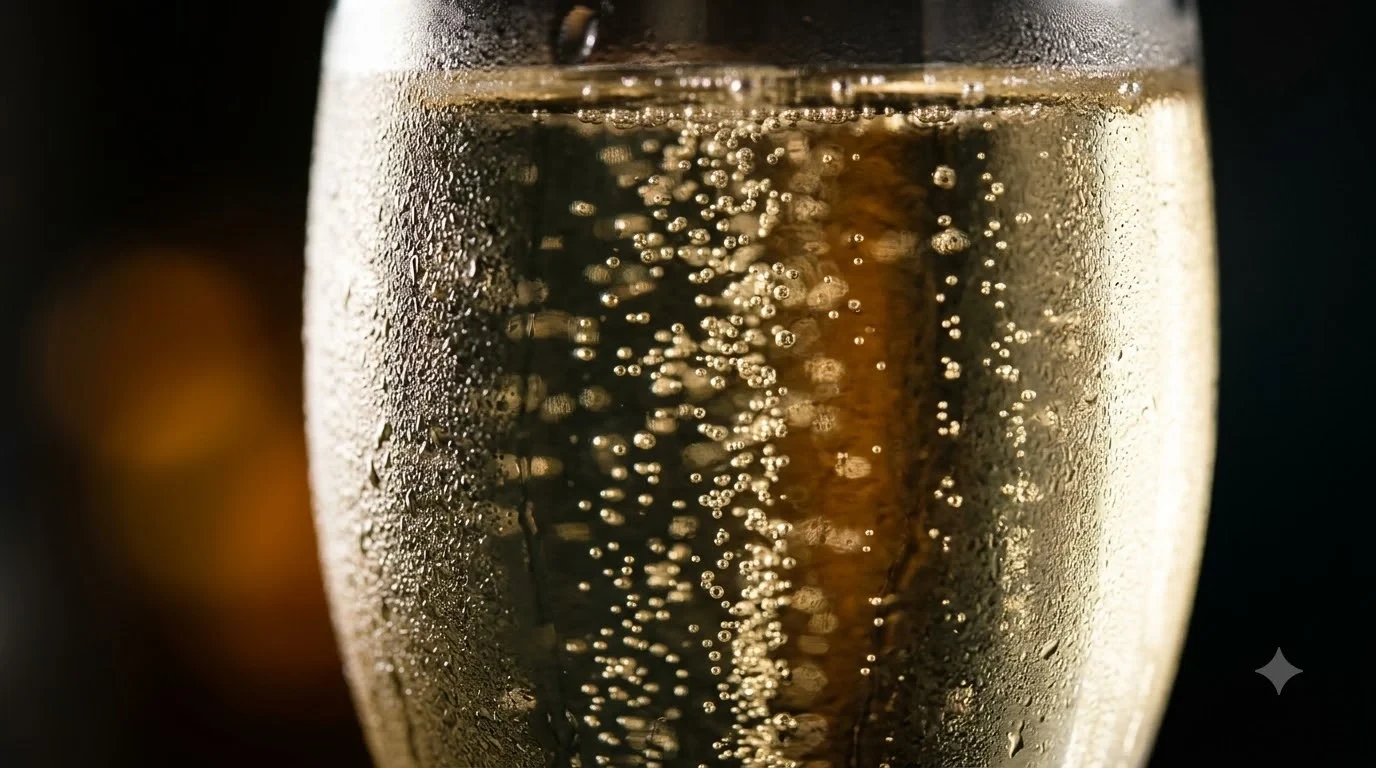
A sparkling wine cocktail is a drink built on bubbly, usually Champagne, Prosecco, or Cava, mixed with a small amount of fruit, liqueur, or bitters so the wine’s fizz stays lively. The sparkling base lifts the other ingredients, adds texture, and keeps the drink lighter than most spirit-forward cocktails. Most versions take only a few minutes to assemble and need no special equipment beyond a chilled glass.
This guide covers what a sparkling wine cocktail is, which bottles work best as the base, the classic recipes that bartenders and home hosts return to, and how to build one so the bubbles survive from the first sip to the last. It also explains why the dryness of the wine matters more than most people expect.
What Makes a Sparkling Wine Cocktail Different
A sparkling wine cocktail uses carbonated wine as its main liquid instead of a spirit. That single change shifts the whole drink. The wine brings acidity, a soft bubbly feel, and aromas of green apple, citrus, or toast depending on the style, and the other ingredients are there to add sweetness, color, or a bitter edge.
Because the wine is already fizzy, these cocktails rarely need shaking or stirring in the usual way. The drink is typically built directly in the glass, with still ingredients poured first and the sparkling wine added last. That order protects the carbonation and keeps the glass from going flat in the first minute.
Choosing the Right Sparkling Wine for the Base
The style of bubbly you pick changes how sweet and how dry the finished drink tastes. Wine producers and reference guides use a standard set of dryness labels, and those labels are the most reliable way to predict what will happen once you add a sweet liqueur or a fruit purée.
VinePair’s guide to sparkling wines describes Extra-Brut as the driest style, with no perceptible sweetness, and Brut as the most popular style, dry with only a hint of sweetness. Extra Dry sits a step sweeter, and Demi-sec is clearly sweet, which the same guide recommends for pairing with dessert. VinePair’s sparkling wine primer is a useful reference if you want to compare these styles side by side.
| Dryness label | Taste in a cocktail | Works well with |
|---|---|---|
| Extra-Brut | Bone dry, sharp, very crisp | Bitters, citrus, dry vermouth styles |
| Brut | Dry with a faint sweetness | Most classics, fruit juices, elderflower |
| Extra Dry | Noticeably sweeter, softer | Peach, pear, and fruity mixers |
| Demi-sec | Clearly sweet, rich | Dessert-style drinks, berry liqueurs |
Tip: If a recipe already includes a sweet liqueur or juice, choose Brut or Extra-Brut so the drink does not become cloying.
Classic Sparkling Wine Cocktails to Know
A handful of recipes have held their place for decades because they balance sweetness, acidity, and bubbles with very few ingredients. Each one shows a different way the sparkling base can be used.
The Bellini is the best known. It combines sparkling wine with white peach purée, and the fruit gives the drink a soft, rounded sweetness that suits a brunch table. The Mimosa takes the same idea and swaps the purée for orange juice, which keeps the drink brighter and more acidic. The Kir Royale pairs sparkling wine with a small measure of crème de cassis, producing a deep pink color and a berry note that works well before dinner.
Later variations use more modern ingredients. A French 75 adds gin and lemon to sparkling wine for a dry, aromatic drink with a clear citrus edge. Many bartenders also add a few dashes of bitters to bring structure, since a dry sparkling base benefits from a touch of bitterness.

How to Build a Sparkling Wine Cocktail Without Losing the Bubbles
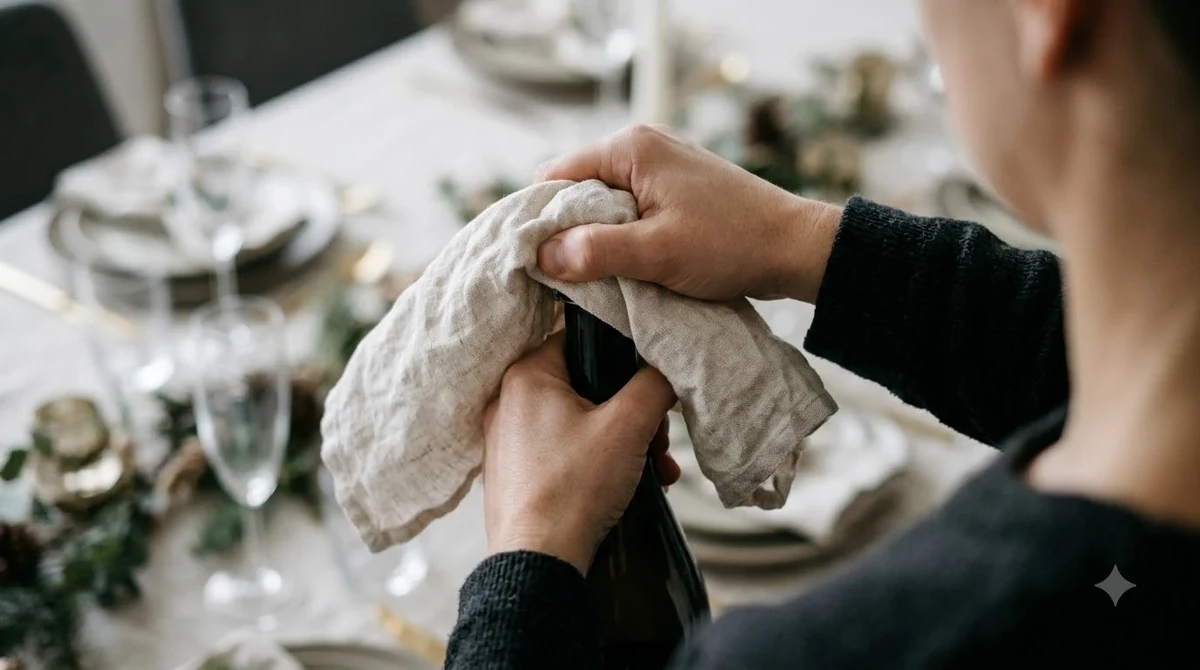
Technique matters more here than in most drinks. Chilling both the wine and the glasses before mixing keeps the carbonation tight, and a cold glass slows the loss of fizz. Pour the still ingredients into the glass first, then add the sparkling wine slowly down the side of the glass.
Avoid vigorous stirring. A single gentle stir, or a lift with a bar spoon from the bottom of the glass, is enough to combine the flavors. Shaking will flatten the drink almost immediately. If you are preparing a large batch for a party, mix the non-sparkling part ahead of time and add the wine only when guests are ready to drink.
- Chill the bottle, the glasses, and any juices or purées for at least an hour before serving.
- Add the still ingredients to the glass first.
- Pour the sparkling wine slowly along the side of the glass.
- Give one light stir, then garnish and serve right away.
Matching a Sparkling Wine Cocktail to the Occasion
The same base can suit very different moments. A dry Brut with a splash of citrus liqueur feels right at an evening reception, where guests want something crisp that does not compete with food. A sweeter Extra Dry or a Demi-sec with a berry or peach component reads as dessert-like, which makes it a good fit for a late-night toast or a celebration cake.
For brunch, the lighter fruit versions are usually the easiest choice. Orange juice, grapefruit, or a little pear nectar keeps the drink refreshing alongside eggs and pastries, and the acidity in the wine cuts through rich dishes. Many hosts set out a few mixers in small pitchers and let guests build their own glass, which works well because each person can adjust sweetness to taste.
Seasonal ingredients also change the character of the drink. Blood orange in winter, strawberry or elderflower in late spring, and a little ginger in autumn all give the bubbles a different backbone. The principle stays the same: keep the sweetness of the added ingredient in proportion to the dryness of the wine, and the drink will taste balanced from the first sip.
Common Mistakes to Avoid
The most frequent error is using a sweet sparkling wine as the base for a drink that already contains sugar. Two sweet components stack on top of each other and the result can taste heavy, so a Demi-sec in a recipe that calls for liqueur and juice usually needs a dry counterweight such as a few drops of bitters or a squeeze of lemon.
The second mistake is letting the wine warm up on the counter. Warm sparkling wine loses fizz quickly and tastes flatter than it should, so keep the bottle in the refrigerator until the moment you pour. The third is overfilling the glass when the drink includes a heavy purée. Leave a little room so the bubbles have space to rise, and the drink will look more lively on the table.
Finally, do not assume that a more expensive bottle always makes a better cocktail. Once fruit, bitters, or a liqueur are added, many of the finer aromas in a premium Champagne are muted. A well-made Prosecco or Cava can deliver a bright, pleasant drink at a lower cost, which is often the better choice for batch service.
Frequently Asked Questions
Is Champagne the only sparkling wine that works in a cocktail?
No. Prosecco and Cava are both common choices and often cost less than Champagne. Prosecco tends to be fruitier, while Cava usually has a drier, earthier profile. The right choice depends on how sweet or dry the final drink should be.
Which dryness level should I buy for a cocktail?
Brut is the safest default because it is dry enough to balance most mixers and sweet enough to stay friendly. Choose Extra-Brut if the recipe has a lot of sugar or juice, and choose Extra Dry or Demi-sec only when the drink is meant to be sweet.
Can I make a sparkling wine cocktail ahead of time?
You can prepare the still ingredients ahead, but add the sparkling wine just before serving. Once the wine is in the glass, the carbonation starts to fade, so a batch mixed in advance will taste flat within a short time.
Should a sparkling wine cocktail be served in a flute or a coupe?
A flute keeps bubbles longer and shows them off, which suits drinks like the Mimosa and Kir Royale. A wide coupe releases more aroma, which can help with drinks that rely on fruit or herbs. Either works, and the choice mostly comes down to whether you want to show the bubbles or the aroma.
A sparkling wine cocktail rewards a little care: pick the dryness level to match the mixers, chill everything before you start, and add the wine last. For more ideas on lighter drinks built on wine, see white wine cocktail recipes, or explore red wine cocktail options for a bolder glass. You can also browse the full Wine by Type guide to compare the bases before you buy.
More in Wine Types & Grapes
 Zinfandel Sugar Content: Dry Red vs. White Zinfandel GramsUpdated Nov 21, 2026
 Best Zinfandel Substitute Options for Sipping and CookingUpdated Nov 21, 2026
 Zweigelt Food Pairing: Best Dishes, Cheeses, and Serving TipsUpdated Nov 21, 2026
 Zinfandel Tannins Explained: How Structure Shapes Every BottleUpdated Nov 21, 2026
 Zinfandel Sweetness Level: Dry Red vs. Sweet White Zin ExplainedUpdated Nov 21, 2026
 Xinomavro Food Pairing: Best Dishes, Styles, and Serving TipsUpdated Nov 21, 2026