

We may earn a commission when you buy through links on this page, at no extra cost to you. Learn more.
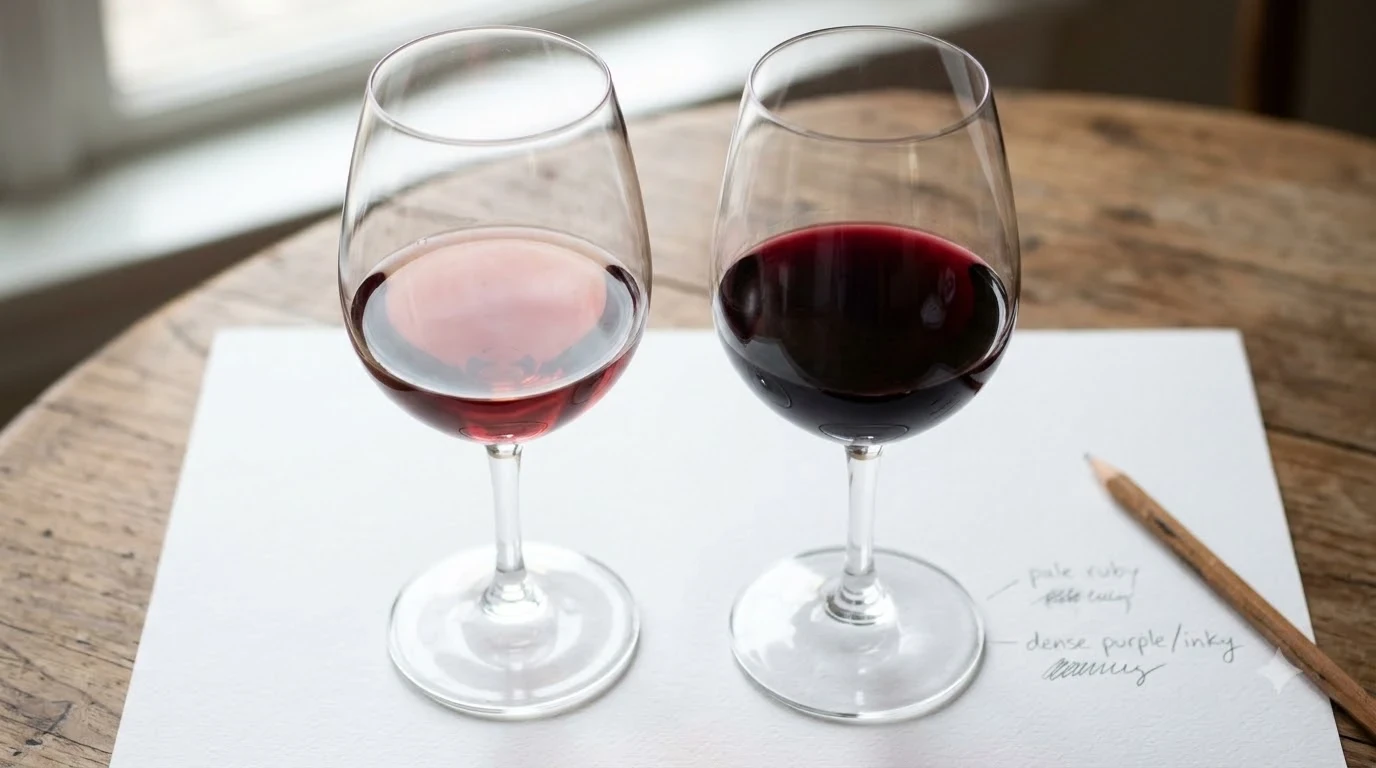
By “oyster bay red wine,” wine drinkers usually mean one of two New Zealand reds: Marlborough Pinot Noir or Hawke’s Bay Merlot. The Pinot Noir offers fragrant cherry and plum flavors with a more delicate structure, while the Merlot brings richer plum, spice, and softer tannins. Both are varietal wines from distinct New Zealand regions, so the best choice depends on the body, flavor profile, and food pairing you prefer.
Oyster Bay is widely associated with New Zealand Sauvignon Blanc, but its red wines deserve attention as well. Understanding the difference between its two reds makes it easier to choose a bottle for dinner, select the right serving temperature, and know what to expect from the first pour.
The Two Reds Behind the Name
Oyster Bay makes two distinct red wines: Marlborough Pinot Noir and Hawke’s Bay Merlot. Their grape varieties, growing regions, and winemaking choices create different experiences, even though they share the same producer.
The Marlborough Pinot Noir is the more delicate and aromatic option. Pinot Noir is known for its relatively low-to-medium tannin level and bright acidity, qualities that help it retain freshness alongside red-fruit and darker-fruit flavors. Oyster Bay describes its version through dark cherry, juicy black plum, and a silky texture. Its Marlborough origin is a significant part of that identity because the region’s growing conditions help preserve fresh fruit character. The wine is a useful choice for someone who wants a red that can accompany a meal without dominating every ingredient.
The Hawke’s Bay Merlot takes a different direction. Merlot generally has medium tannins and a softer feel than Cabernet Sauvignon, making it approachable for drinkers who enjoy ripe fruit without a particularly firm grip. Oyster Bay highlights bright cherry, rich plum, and subtle spice, with a soft, lingering texture. Its Hawke’s Bay origin gives it a warmer regional context than the Marlborough Pinot Noir. The result is a red suited to dishes with more weight, including roasted meats, burgers, and savory pasta.
These are two separate varietal wines, not two names for one house blend. The distinction is useful when browsing the producer’s range: the grape and regional name tell you which style you are considering. Drinkers exploring the producer beyond its reds can also browse our Wine Brands overview for a wider introduction to wine producers and their ranges.
Marlborough Pinot Noir: Cherry, Plum, and Fine Tannins
Oyster Bay Marlborough Pinot Noir is the more lifted, fine-textured red in the range, with dark cherry, black plum, and a silky finish. Marlborough’s combination of sunshine, cool nights, and varied soils helps explain why this region can produce Pinot Noir with both ripe fruit and freshness.
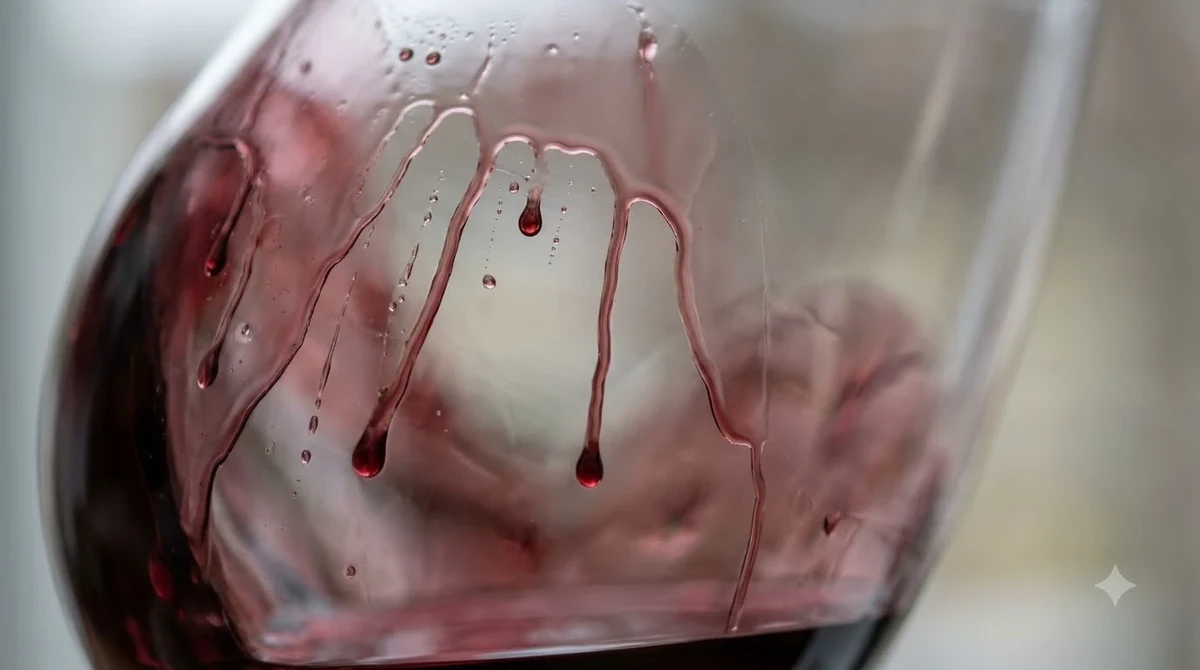
New Zealand Wine describes Marlborough Pinot Noir as a medium-bodied style with dark cherry and plum, a red-fruited spicy background, and fine tannins. The Marlborough region itself has a cool climate with high sunshine and relatively low rainfall. Those conditions matter because Pinot Noir is sensitive to its growing environment. Fruit needs enough time to ripen, but maintaining freshness is also important. Warm days contribute to ripeness, while cooler nights help preserve the lively character that makes the grape especially appealing as a food wine.
Oyster Bay says it harvests each Pinot Noir vineyard block as a separate parcel and treats the fruit individually during winemaking. This approach gives the winemaking team the option to handle different vineyard components according to their individual characteristics before deciding how to combine them. The wine uses both barrel and tank fermentation, followed by maturation in a selection of new and older French oak. That balance can contribute texture and subtle spice without making oak the central feature of the wine. The producer’s emphasis remains on fruit, fragrance, and a smooth structure.
There are also differences within Marlborough itself. The Southern Valleys have soils that tend to be heavier and richer in clay than those of the Wairau Valley, while the Awatere Valley is generally cooler, drier, and windier. New Zealand Wine identifies the Southern Valleys as an area producing particularly good Pinot Noir. These regional differences help explain why Marlborough Pinot Noir should not be reduced to one simple flavor profile. The broader style can range from bright red cherry and raspberry to darker plum, depending on site and producer decisions.
Wine Enthusiast’s review of the 2024 Oyster Bay Pinot Noir gives it 86 points and lists its alcohol content at 13.5%. The reviewer describes cherry cola and earthy spice, with a light-on-its-feet palate and soft tannins. That assessment fits the general expectation of an approachable Pinot Noir rather than a powerful, heavily structured red. It is a helpful reference for drinkers who prefer aromatic fruit and gentle tannins, although individual vintages can differ.
Hawke’s Bay Merlot: Plum, Spice, and a Softer Finish
Oyster Bay Hawke’s Bay Merlot is the fruitier, fuller-feeling choice of the two reds, with cherry, plum, subtle spice, and soft tannins. Its regional origin is important: Hawke’s Bay has a sunnier, warmer growing environment that can help Merlot develop ripe varietal flavors.
Hawke’s Bay is on New Zealand’s North Island and has a long history of grape growing. New Zealand Wine records the region’s first vine plantings in 1851, established by Marist missionaries. Its vineyards cover a varied landscape rather than one uniform growing site. Coastal areas, hillsides, alluvial plains, and river valleys all contribute different conditions. The region’s alluvial plains include gravelly, free-draining soils shaped by historic river systems. These conditions are particularly relevant to red varieties because drainage, warmth, and vineyard position influence how grapes ripen.
Oyster Bay describes its Merlot vineyards as growing on ancient alluvial river terraces over gravelly, free-draining subsoils. The producer also points to the region’s temperate maritime climate, with strong sunlight warming the vines during the day and Pacific Ocean breezes cooling them at night. It presents these conditions as suitable for developing fully ripened Merlot flavors while retaining an elegant fruit profile. New Zealand Wine similarly notes that Merlot can be challenging in Hawke’s Bay, but carefully selected sites and drier years can produce fleshy, flavorful wines. That distinction helps explain why location and vintage matter even within a single region.
In the cellar, Oyster Bay ages the Merlot in French oak barriques to add complexity. The producer describes the style as focused on ripe fruit, spice, and soft tannins rather than aggressive oak or a particularly firm structure. That makes it a natural candidate for richer meals and dishes with some fat or salt. A 2024 bottling reviewed by Wine Enthusiast received 86 points and was listed at 13% alcohol by volume. The review notes plum, cherry, leather, cracked black pepper, and an earthy character, giving a more detailed picture of the wine than a simple fruit description can provide.
Merlot can appeal to drinkers who find Cabernet Sauvignon too tannic or firm. Its softer structure does not mean it lacks flavor; ripe plum, cherry, and savory spice can still provide plenty of character. The Oyster Bay version is a practical middle ground for someone who wants a red with more weight than a delicate Pinot Noir but without the pronounced tannin of a powerful Cabernet-based wine.
How the Two Wines Compare in Glass
Both Oyster Bay reds are fruit-driven New Zealand wines, but the Pinot Noir leans toward fragrance and fine tannins, while the Merlot has a riper, softer profile. Comparing their published 2024 specifications offers a useful snapshot of the differences without assuming every vintage will be identical.
| Feature | Marlborough Pinot Noir | Hawke’s Bay Merlot |
|---|---|---|
| Grape | Pinot Noir | Merlot |
| New Zealand region | Marlborough | Hawke’s Bay |
| Fruit profile | Dark cherry, black plum, red berries | Cherry, ripe plum, darker fruit |
| Additional notes | Earthy spice, subtle oak | Leather, black pepper, subtle spice |
| General tannin style | Low to medium | Medium and softer |
| Alcohol in reviewed 2024 vintage | 13.5% | 13% |
| Wine Enthusiast review score | 86 points | 86 points |
| Recommended serving temperature | 60°F | 60–65°F |
The alcohol figures and review scores in the table refer to the specific 2024 wines reviewed by Wine Enthusiast. They should not be treated as permanent specifications for every bottle or future vintage. The 13.5% Pinot Noir and 13% Merlot figures are close enough that alcohol alone is unlikely to settle the choice. Grape variety, tannin, acidity, and the weight of the food on the table are more useful deciding factors. The two 86-point reviews also show why a score should be read alongside the tasting description, rather than used as the only measure of personal preference.
For a more detailed look at the two reviews, read the Wine Enthusiast review of Oyster Bay 2024 Marlborough Pinot Noir and its review of Oyster Bay 2024 Hawke’s Bay Merlot. Both reviews offer details that go beyond a broad grape description, including how fruit, spice, and texture appear in those particular bottlings.
As a simple buying rule, choose the Pinot Noir when you want a more aromatic red with moderate weight and a fresher finish. Choose the Merlot when you prefer rounder fruit, soft tannins, and a red that can stand up to richer ingredients. Neither wine needs an elaborate occasion. Both can work at a casual dinner, although they suit different menus and preferences.
Serving Temperatures and Food Pairings
Oyster Bay recommends serving its Pinot Noir at 60°F and its Merlot between 60°F and 65°F. Matching those temperatures to the wine’s weight helps retain its aroma and balance, while food pairing is easiest when the dish’s richness and seasoning are considered alongside tannin and acidity.

Pinot Noir is generally best with foods that complement its red-fruit character and relatively gentle tannins. Roast chicken, duck, pork tenderloin, and mushroom risotto are useful starting points. The savory flavors in mushrooms can connect with earthy notes in the wine, while roasted poultry brings enough richness to make the pairing satisfying without overwhelming the fruit. For a lighter meal, try grilled vegetables, herb-seasoned poultry, or a mushroom-based pasta. Pinot Noir’s acidity also helps it sit comfortably beside dishes with moderate richness.
Oyster Bay Merlot has enough fruit and body to accompany heartier meals. Consider grilled burgers, roast beef, lamb, meatballs, or tomato-based pasta with ground meat. Salt and fat can soften the perception of tannin in red wine, which is one reason savory foods with a little richness often work well with Merlot. Aged cheeses and dishes with browned, roasted surfaces can also complement the wine’s plum and spice character. For a simple dinner, a beef burger with roasted potatoes is an easy match that does not require complicated seasoning.
Strong chili heat deserves more caution with either red. Alcohol and tannin can make chili heat feel more pronounced, so heavily spiced dishes may overwhelm the fruit and make the wine seem harsher. If a dish is particularly hot, consider reducing the chili or choosing a wine style with less tannin and alcohol intensity. Very acidic sauces also need care: food with strong acidity can make a wine taste flatter, so pair a tomato-heavy dish with a red that has enough freshness to keep up. The same general pairing principles apply when exploring the producer’s white wines, including the examples in our Oyster Bay Sauvignon Blanc food pairing article.
Serving temperature is also more important than many drinkers expect. A bottle served too warm can make alcohol seem more obvious and soften the impression of freshness. A bottle served too cold can mute fruit and make tannins feel firmer. For Pinot Noir, 60°F is a useful target, while Merlot can be served slightly warmer within Oyster Bay’s recommended 60–65°F range. A short period in a cool room or refrigerator can bring a warm bottle closer to the right temperature before pouring.
Tip: Chill both reds slightly before serving rather than pouring them straight from a warm room. Aim for 60°F for Oyster Bay Pinot Noir and 60–65°F for its Merlot, then allow the wine a little time in the glass to release its aromas.
Buying, Storing, and Opening the Bottles
Choose between Oyster Bay’s two reds by looking at the grape, region, and vintage rather than relying on the brand name alone. Once opened, seal the bottle carefully and refrigerate it; Oyster Bay gives its red wines an opened-bottle life of up to three days when properly stored.
Vintage matters because wine is an agricultural product, and growing conditions change from one season to the next. Oyster Bay’s technical information organizes its Pinot Noir and Merlot specifications by individual vintage, rather than treating all bottlings as identical. The 2024 reviews provide a useful reference point for alcohol and tasting profile, but the same figures should not automatically be applied to a different harvest. A vintage may show more or less ripe fruit, freshness, or structure depending on the growing season and the choices made during production.
For an unopened bottle, keep the wine away from direct sunlight, heat, and frequent temperature changes. A storage area close to 55°F is a useful target for longer-term bottle storage. Bottles with cork closures are generally stored on their sides so the cork does not dry out; stable conditions matter more than finding a special display location. Avoid placing wine near an oven, radiator, or sunny window. Even a good red can lose freshness if it is exposed to excessive heat for extended periods.
After opening, close the bottle securely after each pour and store it in the refrigerator. Oyster Bay advises that its red wines can last up to three days after opening when correctly sealed and stored. Refrigeration slows the changes caused by contact with oxygen, although the wine may become less expressive as time passes. Before serving the remaining wine, let it move back toward the appropriate serving temperature. A standard 750 ml bottle provides about five 5-ounce glasses, making it straightforward to estimate how much to open for a meal and how much may remain for another evening.
There is no need to decant every bottle of Oyster Bay red wine. The Pinot Noir is designed around fragrance and a silky texture, so a simple pour into a suitable glass is usually enough. The Merlot can also be served directly after opening. For a younger, fuller red that seems tight or muted, a short period of air can help it open, but extended decanting is not a requirement for either wine. Pay attention to the aromas and how the wine develops in the glass rather than following a fixed routine.
Frequently Asked Questions
These five answers cover details beyond the basic comparison of Oyster Bay’s two red wines, including production considerations and winery visits. They can help clarify practical questions that are not obvious from the grape name or tasting description.
Does Oyster Bay make only red wine?
No. Its wider range also includes Sauvignon Blanc, Pinot Gris, Chardonnay, rosé, and sparkling wines. The two red wines are just one part of the producer’s New Zealand portfolio.
Are Oyster Bay wines suitable for vegans?
Not necessarily. Oyster Bay says it occasionally uses animal-derived fining agents such as egg whites, milk proteins, or gelatin during production. The producer notes that no traces remain in the finished wine, but the use of those ingredients may make some bottlings unsuitable for certain vegans and vegetarians.
Can visitors tour Oyster Bay’s winery?
Oyster Bay states that it does not operate vineyard or winery tours and does not offer tasting sessions. Travelers interested in wine tourism can still explore the wider Marlborough and Hawke’s Bay regions, which have other cellar doors and wine-related visitor experiences.
Did Pinot Noir originate in New Zealand?
No. Pinot Noir is native to Burgundy in France, where it has a long history as a major red grape. New Zealand has developed its own regional expressions, particularly in cooler southern winegrowing areas such as Marlborough, Central Otago, and Wairarapa.
Does Oyster Bay publish one residual-sugar figure for its red wines?
The producer says residual sugar varies between wine styles and directs drinkers to the technical specifications for individual wines. That means a single general figure should not be assumed to describe every Oyster Bay bottling or vintage.
Oyster Bay’s Marlborough Pinot Noir and Hawke’s Bay Merlot offer two different ways to enjoy New Zealand red wine. Choose the Pinot Noir for fragrant fruit and fine tannins, or the Merlot for ripe plum, spice, and a softer structure. Serve each at its recommended temperature and match the bottle to the weight and seasoning of the meal.
More in Wine Brands
 Underwood Wine Price: Compare Bottles, Cans, and Pack SizesUpdated Nov 21, 2026
 Zenato Wine Price: Compare Styles and Choose the Right BottleUpdated Nov 21, 2026
 Zuccardi Wine Price: Compare Bottles and Find the Right RangeUpdated Nov 21, 2026
 Yellow Tail Moscato Review: Taste, Sweetness and Serving TipsUpdated Nov 21, 2026
 Wolf Blass Yellow Label Review: Choose Your Best StyleUpdated Nov 21, 2026
 Wolffer Estate Rose Review: Choose the Right Bottle for Your TableUpdated Nov 21, 2026