

We may earn a commission when you buy through links on this page, at no extra cost to you. Learn more.
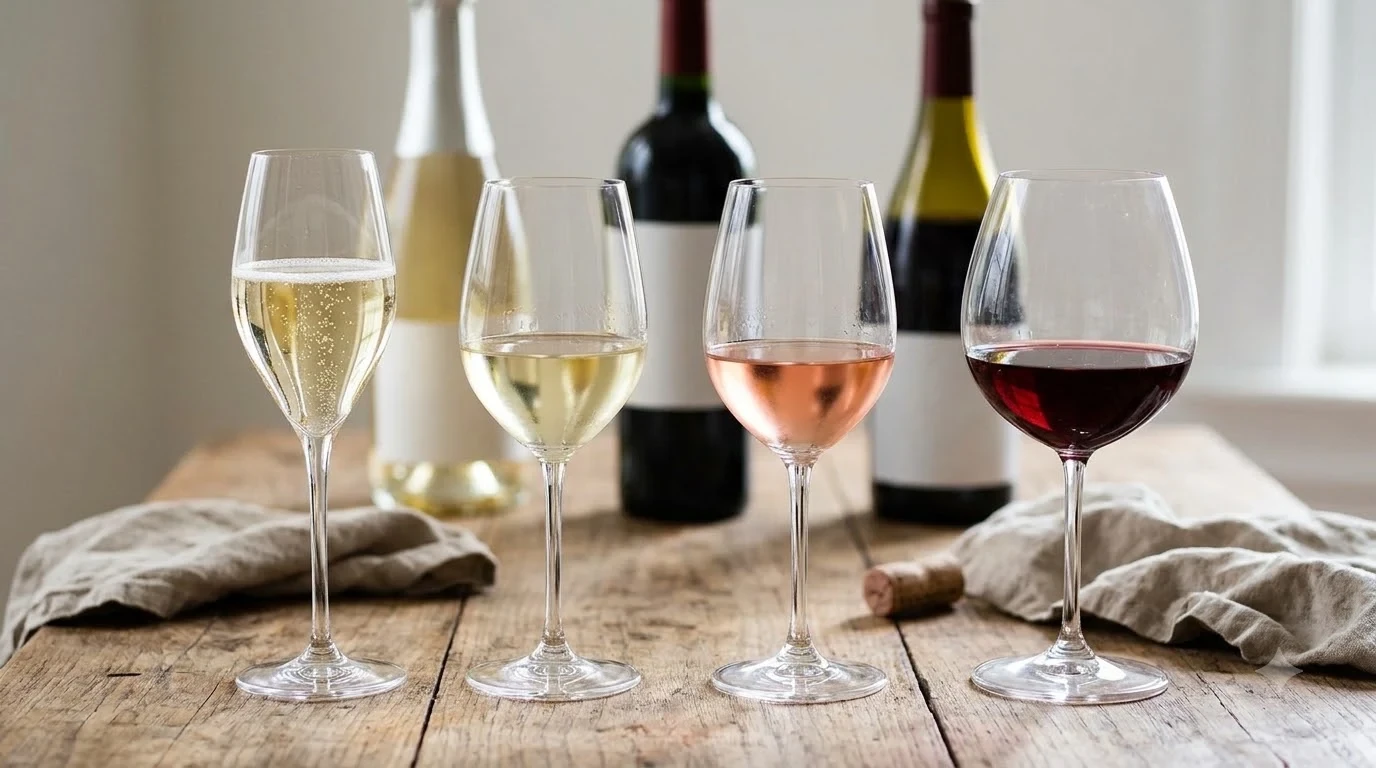
Hess white wine includes several distinct California styles, from rounded Napa Valley Chardonnay to crisp Sauvignon Blanc and fruit-forward Pinot Gris. The name does not describe one bottle or one grape; it can refer to wines released under Hess Collection, Hess Select, and other labels in the broader Hess portfolio. Choosing by grape, appellation, and winemaking approach makes it easier to find a bottle that suits your meal and preferred texture.
The most useful starting point is the difference between the more layered, oak-influenced Chardonnay and the fresher stainless-steel whites. From there, consider whether you want citrus and lively acidity, ripe orchard fruit, or a fuller palate with a creamy edge. The details below focus on wines and technical information published by the producer, alongside independent reviews of individual vintages.
What Counts as Hess White Wine?
Hess white wine is a family of bottles rather than a single standardized style. The producer’s white-wine catalog has included Hess Collection Chardonnay, Hess Select Pinot Gris and Sauvignon Blanc, and whites from labels such as Hess Persson Estates, Hess Maverick Ranches, and Lion Tamer. The exact selection changes by release, so the label name and grape variety are more useful than assuming every Hess white tastes alike.
The distinction matters because the wines can come from different California growing areas and use different cellar methods. The Hess Collection 2023 Chardonnay is labeled Napa Valley and made from 100% Chardonnay. Hess Select’s 2025 Sauvignon Blanc is labeled North Coast, is also 100% of its named grape, and lists stainless steel as its cooperage. Those are different starting points for flavor and structure, even though both are white wines from the same producer family.
The wider catalog also shows how broad the portfolio can be. Product listings have included a Napa Valley Albariño, a Lion Tamer White Blend, a Russian River Valley Chardonnay under Panthera, and a Petaluma Gap Chardonnay under Hess Persson Estates. These examples are useful for understanding the range, but availability and vintage can vary. A bottle’s specific label tells you more than the umbrella name alone.
For readers comparing producers and their portfolios, the site’s overview of Wine Brands provides broader context for how a winery can present several labels and styles. With Hess, the practical question is whether the bottle in front of you is a Napa Chardonnay, a California Pinot Gris, or a North Coast Sauvignon Blanc—not simply whether it says Hess.
Napa Valley Chardonnay: The Signature Style
Hess Collection Napa Valley Chardonnay is the richer, more textured reference point in the range, with orchard fruit, white peach, gentle oak notes, and a creamy impression balanced by freshness. It is a dry, full-flavored white that can suit people who like Chardonnay with more body than a lean, stainless-steel style.
The producer describes its Napa Valley Chardonnay as reflecting cool, foggy mornings and afternoon breezes. Winemaker notes for the 2023 vintage describe aromas of green apple and vanilla, with white peach, subtle toffee, baking spice, and a creamy texture. The wine is 100% Chardonnay and its listed alcohol level is 14.2% ABV. These are details for that particular vintage, not a promise that every year will show exactly the same balance or intensity.
Cellar choices help explain the profile. The producer describes barrel fermentation, a measured use of French oak, malolactic fermentation, and lees stirring. Oak can contribute vanilla, baking spice, and toast-like impressions, while lees contact adds roundness; malolactic fermentation can soften the sharper edge of acidity and contribute a creamy quality. The producer’s notes still emphasize bright acidity and fresh peach, rather than describing the wine as simply buttery.
An independent review offers a vintage-specific check. Wine Enthusiast gave the 2023 Hess Collection Chardonnay 90 points and described baked apple and pear, toasted almond, and a touch of butterscotch leading to a silky finish. The review records 14.2% alcohol and a 750-milliliter bottle. These ripe-fruit and nutty details make it easier to picture the style than the word “oaky” alone. Read the Wine Enthusiast review of the 2023 Hess Collection Chardonnay for its full tasting note. This is a natural choice with roast chicken, seafood with butter, creamy pasta, or vegetables cooked with olive oil; its body can meet richer food while its freshness keeps the pairing balanced.
Hess Select Sauvignon Blanc and Pinot Gris
Hess Select Sauvignon Blanc and Pinot Gris move toward brighter fruit and a fresher overall feel than the Napa Chardonnay. Both published examples are 100% of their named grape and list stainless steel cooperage, making them good reference points for a less oak-led style.
The Hess Select 2025 Sauvignon Blanc is labeled North Coast and lists 13.5% ABV. Producer notes describe ripe nectarine, grapefruit, tropical fruit, citrus blossom, and jasmine, with citrus flavors and crisp acidity on the palate. The winemaker recommends seafood and salads, which makes sense for a white built around freshness rather than a prominent creamy or toasted-oak character. Serve it cool and use its acidity to refresh the palate between bites.
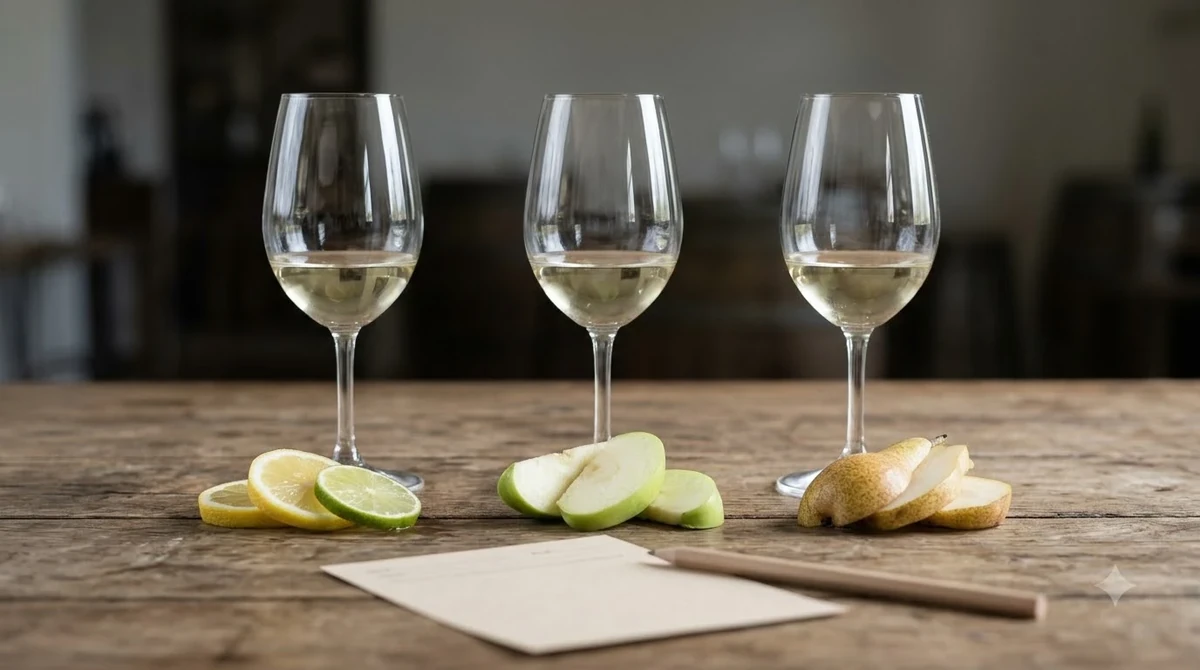
Hess Select 2024 Pinot Gris is a different expression of the lighter side of the portfolio. It is 100% Pinot Gris, lists 13.5% ABV, and uses 100% stainless steel cooperage. The producer’s notes mention ripe pear and nectarine aromas, followed by tropical fruit, white peach, citrus, and lemon zest. Its profile sounds rounder and more orchard-fruited than the grapefruit-and-citrus emphasis in the Sauvignon Blanc, although both are designed around freshness.
For the Sauvignon Blanc, look for dishes with herbs, lemon, or a crisp dressing; for the Pinot Gris, try grilled shrimp, shellfish with lemon, grilled chicken, or vegetables. The producer specifically recommends grilled shrimp with a chopped vegetable salad for its Pinot Gris. A comparative read on Black Box Pinot Grigio alcohol content can also help put a California Pinot Gris in context: Pinot Gris and Pinot Grigio are names for the same grape, though individual wines can differ substantially in ripeness, acidity, and weight.
How Hess Wine Labels Differ
Reading the label is the quickest way to understand which part of the Hess range you are buying. Hess Collection, Hess Select, Hess Persson Estates, Hess Maverick Ranches, and Lion Tamer identify different labels within the portfolio, while the grape and appellation give more direct clues about what is in the bottle and where the grapes were grown.
Start with the appellation. Napa Valley on the Hess Collection Chardonnay points to a more specific growing area than California on the Hess Select Pinot Gris or Hess Select Chardonnay. North Coast, on the Hess Select Sauvignon Blanc, is a regional designation that covers a broader part of California than Napa Valley alone. These names do not automatically tell you whether a wine is oaked or crisp, but they help distinguish the origin claims and the level of geographic specificity on the label.
Next, check the variety or blend. A bottle marked Chardonnay gives you a familiar set of expectations—apple, pear, peach, and potentially oak or creamy texture—while Sauvignon Blanc often emphasizes citrus, herbs, and high acidity. Pinot Gris can show pear, peach, and citrus in a softer-edged profile. A white blend, such as the Lion Tamer White Blend listed in the producer’s catalog, may combine grapes and therefore cannot be judged by a single varietal expectation. Its proportions and cellar treatment matter, so avoid assuming it will taste like a 100% Chardonnay.
Finally, separate the label’s identity from the wine’s technical details. A Hess Select wine is not automatically made in the same way as a Hess Collection wine; the 2025 Sauvignon Blanc’s stainless-steel cooperage differs from the Chardonnay’s barrel-influenced approach. The 2024 Pinot Gris also lists stainless steel. Alcohol level, vintage, appellation, grape, and cooperage together give a far more helpful description than a broad brand name. For a red-wine contrast at a meal, the profile in this guide to Campo Viejo red wine illustrates how a red style changes the pairing decision.
Serving Temperature and Storage
Serve Hess white wines cool, but not so cold that their aromas and texture disappear. A lighter Sauvignon Blanc or Pinot Gris is usually best at 45–50°F, while a fuller Chardonnay is more expressive at 50–55°F.
Temperature changes the way a wine feels. Very cold service can mute the nectarine, citrus, white peach, and floral aromas of the Hess Select whites, while a little more warmth allows the Chardonnay’s apple, vanilla, baking spice, and creamy texture to show. If a bottle comes straight from a refrigerator, let it sit briefly before pouring; if it warms too much in the glass, return it to a chilled ice bucket for a short interval. Use a white-wine glass with room for aromas and pour a moderate 5-ounce serving; a 750-milliliter bottle yields about five glasses.
| Hess white style | Example bottle | Suggested serving temperature | Useful pairing direction |
|---|---|---|---|
| Fuller Chardonnay | Hess Collection 2023 Napa Valley Chardonnay, 14.2% ABV | 50–55°F | Roast chicken, creamy pasta, richer seafood |
| Crisp Sauvignon Blanc | Hess Select 2025 North Coast Sauvignon Blanc, 13.5% ABV | 45–50°F | Shellfish, green salads, herb-forward dishes |
| Fruit-forward Pinot Gris | Hess Select 2024 California Pinot Gris, 13.5% ABV | 45–50°F | Grilled shrimp, chicken, vegetables |
Once opened, keep still white wine in the refrigerator with the closure replaced. A practical window is three to five days, although aroma and freshness can fade before the final day. Keep unopened bottles away from direct sunlight and large temperature swings; for longer storage, a cool, steady environment near 55°F is preferable. Serve the Sauvignon Blanc or Pinot Gris before the fuller Chardonnay when comparing several bottles, so the more textured wine does not overwhelm the lighter styles.
Tip: Chill the bottle first, then fine-tune the temperature in the glass. Start Hess Select Sauvignon Blanc and Pinot Gris near 45–50°F, and allow Hess Collection Chardonnay to rise toward 50–55°F as you drink it.
Food Pairings for Each White Style
Match the weight and flavor of the food to the wine, and use acidity as your guide for dishes with citrus, vinegar, or fresh herbs. Hess Sauvignon Blanc is the sharpest fit for bright, herbaceous foods; Pinot Gris suits uncomplicated seafood and grilled vegetables; and the Napa Chardonnay has the body for richer preparations.
With Sauvignon Blanc, start with shellfish, shrimp, oysters, grilled white fish, goat cheese, or a salad dressed with lemon. Its high acidity can meet the tartness of vinaigrette and citrus without tasting flat, while parsley, cilantro, basil, and dill echo its fresh aromatic side. Pinot Gris is flexible with mild proteins and vegetables: try grilled shrimp, roast chicken, grilled zucchini, or a vegetable salad with lemon. Pear and peach flavors can work with corn, peas, and roasted squash, and the producer specifically suggests grilled shrimp with a chopped vegetable salad for Hess Select Pinot Gris.
Chardonnay can handle richer food because it has more body and a softer, rounder impression. Pair it with roast chicken, turkey, lobster, scallops, salmon, mushroom risotto, or pasta with a cream-based sauce. A little butter or olive oil in the dish can make the wine feel integrated. If a recipe includes strong lemon or tomato acidity, choose a Chardonnay with enough freshness to meet it rather than relying on oak richness alone. Across all three styles, match the wine’s weight to the dish: delicate shellfish suits a lighter white, while cream sauces and roasted poultry can work with the fuller Napa Chardonnay.
Think about sweetness and heat as well. A wine should be at least as sweet as a dessert to avoid tasting sour or thin beside it, so dry Hess Chardonnay, Sauvignon Blanc, and Pinot Gris are usually better with fruit that is not heavily sugared than with a very sweet pastry. Chili heat can feel stronger alongside alcohol, so very spicy dishes are not the easiest match for wines listing 13.5% or 14.2% ABV. For a simple meal progression, pour Sauvignon Blanc with a lemony salad, Pinot Gris with grilled chicken and vegetables, and Chardonnay with a creamy mushroom dish. This moves from crisp to rounded and gives each wine a clear role.
Frequently Asked Questions
Where is the Hess Collection winery located?
The visitor address published by Hess Persson Estates is 4411 Redwood Road in Napa, California. The winery lists visiting hours as Thursday through Monday, 10:00 a.m. to 4:30 p.m., and recommends reservations, although walk-in appointments may be available.
Who provides the winemaker notes for these wines?
The Hess Collection Napa Valley Chardonnay page attributes its winemaker notes to Dave Guffy, identified there as Director of Winemaking. The Hess Select Sauvignon Blanc page credits Stephanie Pope as winemaker, so the notes on different wines may come from different members of the team’s winemaking staff.
What does lees mean in a Chardonnay description?
Lees are the spent yeast cells and other fine particles that settle after fermentation. Keeping wine in contact with fine lees, and sometimes stirring them back into suspension, can contribute a rounder texture and savory or bread-like complexity. The producer specifically refers to lees stirring in its Chardonnay winemaking description.
Has Hess Select Sauvignon Blanc received a Wine Enthusiast award?
The producer lists a 92-point Best Buy recognition from Wine Enthusiast for the 2023 vintage of Hess Select Sauvignon Blanc. That recognition applies to the named vintage; it should not be treated as a score for every later release.
How was the 2015 Hess Collection Chardonnay classified by Decanter?
Decanter’s listing identifies the 2015 Hess Collection Chardonnay as a dry, still white wine from Napa Valley, made from 100% Chardonnay and listed at 14.5% alcohol. This older vintage record is a useful reminder that alcohol level and tasting details can vary from one release to another.
Hess white wines cover more than one flavor profile, so choose by grape, appellation, and cellar style rather than by producer name alone. The Napa Chardonnay is the fuller, oak-influenced option, while Hess Select Sauvignon Blanc and Pinot Gris lean toward citrus, orchard fruit, and stainless-steel freshness. Serve each at the right temperature and match its weight and acidity to the food for a more satisfying glass.
More in Wine Brands
 Underwood Wine Price: Compare Bottles, Cans, and Pack SizesUpdated Nov 21, 2026
 Zenato Wine Price: Compare Styles and Choose the Right BottleUpdated Nov 21, 2026
 Zuccardi Wine Price: Compare Bottles and Find the Right RangeUpdated Nov 21, 2026
 Yellow Tail Moscato Review: Taste, Sweetness and Serving TipsUpdated Nov 21, 2026
 Wolf Blass Yellow Label Review: Choose Your Best StyleUpdated Nov 21, 2026
 Wolffer Estate Rose Review: Choose the Right Bottle for Your TableUpdated Nov 21, 2026