

We may earn a commission when you buy through links on this page, at no extra cost to you. Learn more.
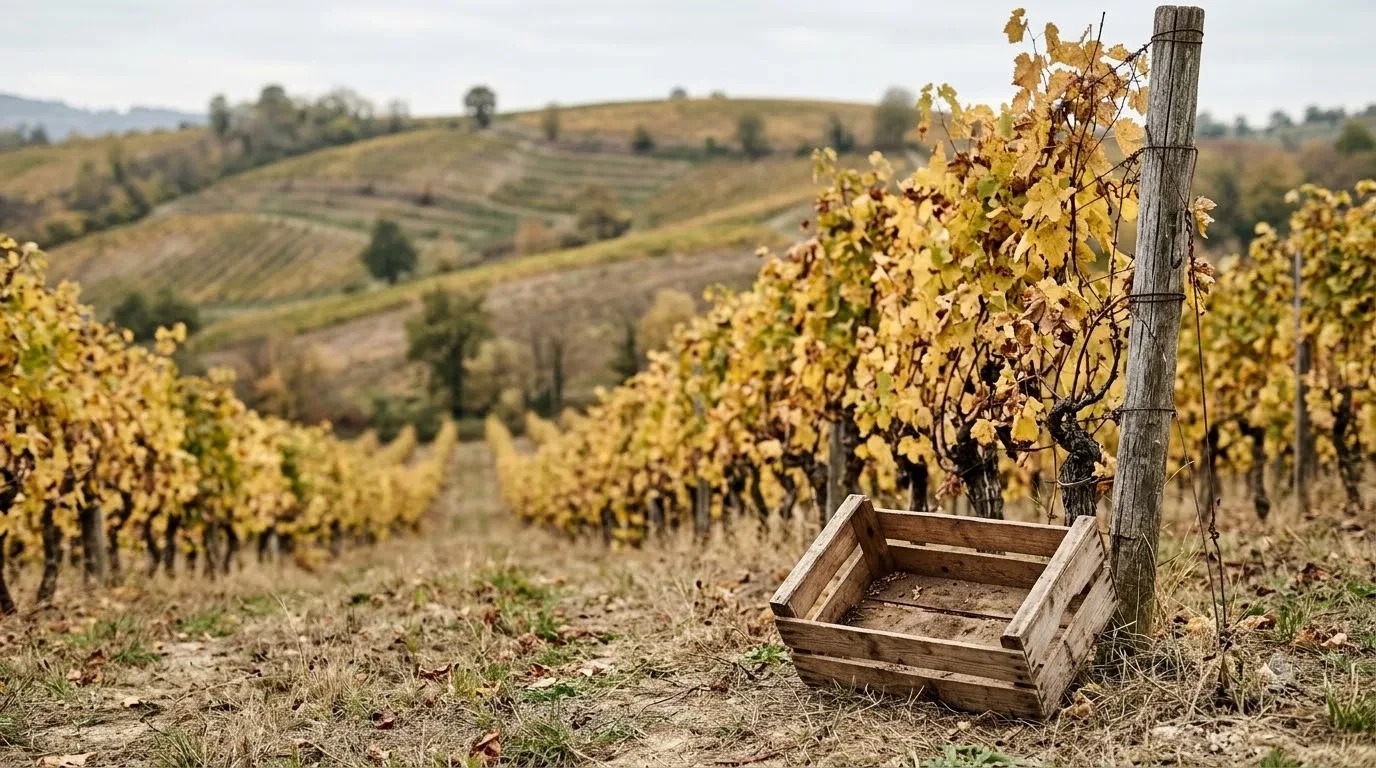
Loudoun County vineyards are spread across a Virginia county that has built a sizable winery sector, with about 40 wineries recorded in the county’s profile. The county has a strong farming past, from wheat grown for the Revolutionary army to modern equestrian and crop operations, and its vineyards carry some of that rural character. This guide explains the county’s wine landscape, the grapes you are likely to taste and how to plan a visit to its vineyards.
Loudoun County is one of the more interesting places in Virginia to explore vineyards on foot or by car. The landscape mixes working farms, horse country and tasting rooms, so a day spent visiting estates can also be a day spent learning how the county earned its agricultural reputation. Here is what to know before you go.
The Vineyard Landscape of Loudoun County
Loudoun County is a Virginia county with a growing wine industry. Its county profile on Wikipedia reports about 40 wineries and says the industry has produced several internationally recognized wines. Those numbers matter for visitors, because a county with dozens of estates usually offers a mix of large producers, family vineyards and smaller tasting rooms that focus on a few bottles.
Vineyards in the county sit among farms rather than in a single dense wine district. That spacing means the drive between estates can take longer than in a compact valley, so a realistic plan is two or three tastings in a day rather than a long list. Many visitors pair a vineyard stop with a farm market or a meal, which fits the county’s agricultural character well.
Farming Roots Behind the Vineyards
Agriculture is older than the wine industry here. In the mid-19th century, the county was one of the top wheat-producing counties in Virginia, and the state ranked fourth nationally for wheat at that time. During the Revolution, the county’s grain contributions to George Washington’s Continental Army earned it the nickname “Breadbasket of the Revolution.”
That history shaped the land. Farmers in the county adopted new practices over time, including livestock vaccination, seed inoculation and silage, and the Smith-Lever Act of 1914 expanded agricultural education across Virginia counties. Those changes helped build the farm base that vineyards now sit alongside, and they explain why many estates feel tied to working land rather than to a purely urban wine scene.
Horses are another major part of the county’s farm scene. The county’s equine industry is large enough to shape land use, and Morven Park International Equestrian Center hosts national horse trials. Many visitors notice the fences, paddocks and estate homes on the drive between vineyards, and that rural, horse-country atmosphere is part of why a tasting here feels different from one in a city-adjacent wine district.
Grapes You Are Likely to Taste
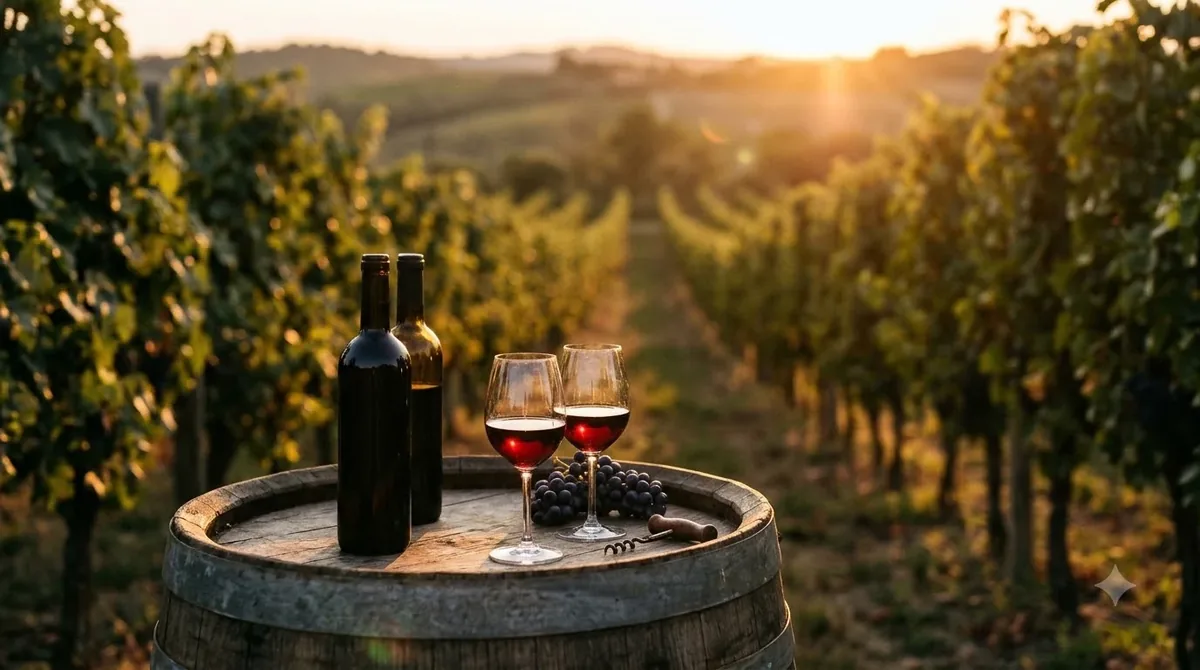
Virginia wine is often built on a mix of European vinifera varieties and grapes that handle the eastern climate well. Loudoun’s producers draw on that same range. The Wine Folly grape guide to Viognier notes that Virginia is one of the eastern regions that specializes in the variety, and it describes the wine as a dry, full-bodied white with aromas of tangerine, peach and honeysuckle.
Reds and other whites also appear across the county’s estates, and the mix changes from one winery to the next. Some tasting rooms lean toward aromatic whites, while others focus on structured reds. When you visit, ask the staff which blocks are planted with which grapes, since that information shapes the style in the glass more than the estate’s name does.
| Style you may find | What it tends to offer | Good with |
|---|---|---|
| Viognier | Aromatic, dry, full-bodied white with stone fruit and floral notes | Roasted chicken, creamy sauces, mild cheese |
| Aromatic whites | Bright fruit and floral character, often crisp | Salads, grilled fish, spicy dishes |
| Structured reds | Darker fruit, firmer tannins and a longer finish | Grilled meats, mushrooms, hearty stews |
Reading a label is another way to learn the county’s style. A Virginia label often names the grape, the vintage and the producer, and some bottles also name a smaller viticultural area. If the label lists a single variety, the glass will usually show that grape’s character more clearly than a blend. Staff at tasting rooms can explain how each wine was made, which is useful when you want to compare two bottles from the same estate. For a closer look at the bottles themselves, our guide to Loudoun County wine covers styles and buying tips in more depth.
Tasting etiquette is simple. Ask for a short pour of each wine, take notes if you like, and let the staff know what styles you enjoy. Many visitors find that the most useful part of a visit is the conversation with the people who make the wine or run the estate, so do not rush through the flight.
Planning a Visit to Loudoun Vineyards
Weekends are the busiest time at most Virginia tasting rooms, and that is especially true for estates with outdoor seating or event spaces. Calling ahead helps you confirm hours, tasting fees and whether a reservation is needed. Many estates also host seasonal events, so a quieter weekday visit can give you more time with staff.
Plan a route that keeps the drives short. Because the county’s vineyards are spread across rural roads, grouping two or three stops in one area works better than trying to cover the whole county in a day. Arrange a designated driver or a ride service, and pace your tastings with water and food. Bringing a picnic is a common and easy choice when the weather is good. Late afternoon can also work well for a final stop, since the light across open fields is pleasant for photos and the crowds often thin out. Plan the last tasting early enough to leave time for the drive back, and keep a bottle for later rather than buying the full case on the first stop.
Tasting fees and bottle policies differ from one estate to another. Some tastings are free with a purchase, while others charge a set fee that can be applied to bottles. Checking the policy before you arrive helps you budget and avoids surprises at the counter. If you want to compare how a very different growing area organizes its tasting rooms and routes, see our guide to Arizona vineyards, and for a wider view of how climate shapes wine, visit the wine regions guide.
Tip: Some vineyards sit on working farms with equipment and animals. Stay on marked paths and follow staff instructions, especially during harvest.
Frequently Asked Questions
How many wineries are in Loudoun County?
The county’s public profile reports about 40 wineries. The number can change as new estates open or older ones close, so check a current wine trail list or the individual winery websites before you plan a route.
What is Loudoun County known for besides wine?
The county has a long farming history, including wheat production during the Revolutionary era and a strong equine industry. Its farms and horse country give many vineyards a rural setting that visitors often find memorable.
Which grapes are grown in Loudoun County vineyards?
Estates in the county grow a mix of varieties. Viognier is one of the grapes Virginia is known for, and producers also make aromatic whites and structured reds. The specific lineup varies from winery to winery.
Is it easy to visit several Loudoun vineyards in one day?
It is possible, but the vineyards are spread across rural roads, so most visitors do better with two or three stops. Grouping estates in one area keeps the drive short and makes the day easier to enjoy.
Loudoun County vineyards give a visit a strong sense of place. Pick a small group of estates, ask about the grapes in each block, and use the day to see how wine and farming share the same land.
More in Wine Regions
 Willcox Wine Trail: Discover Arizona’s High-Elevation Wine CountryUpdated Nov 20, 2026
 Yakima Valley Wine Region: Find the Best Styles to TryUpdated Nov 20, 2026
 Vosne Romanee Wine Tasting: Identify Aromas and Choose Better PairingsUpdated Nov 20, 2026
 Yakima Valley Wine Festival: Find the Best Seasonal Wine EventsUpdated Nov 20, 2026
 Wales Vineyards: Discover Cool-Climate Wines and Where to VisitUpdated Nov 20, 2026
 Yountville Wine Festival: Discover Napa Wines and Local FoodUpdated Nov 20, 2026