

We may earn a commission when you buy through links on this page, at no extra cost to you. Learn more.
Caymus cabernet is the Cabernet Sauvignon from Caymus Vineyards, a Rutherford family winery in California’s Napa Valley that was established in 1972 and is best known for its Special Selection bottling. The winery makes a standard Cabernet every year, plus a Special Selection only in years it considers exceptional. Its wines are rich, fruit-forward, and built for long aging, which makes the label a common reference point for Napa Cabernet.
Caymus is one of the most talked-about names in Napa Cabernet, and shoppers often want to know which bottle to buy and why it commands so much attention. This guide explains the winery’s background, how its Cabernet lineup is organized, what the wines taste like, how to serve them, and which foods suit a bold red. It is written to help you decide whether a Caymus bottle is worth a place on your table.
The history of Caymus Vineyards
Caymus Vineyards was established in 1972, although the Wagner family had farmed the property for wine grapes since the 1940s, selling its fruit to other wineries until the family began producing its own wine. The name comes from the Rancho Caymus land grant, which George Yount received and which took its name from a Wappo settlement in the area. The winery sits in Rutherford, one of the best-known Cabernet districts in Napa Valley. The winery’s own website says Chuck Wagner and his late parents, Lorna and Charlie Wagner Sr., opened Caymus Vineyards in 1972 with 240 cases of Cabernet Sauvignon, and that the estate remains family-owned and run.
The family, led by the Wagner name, still owns and runs the estate, which gives the brand a steady identity across vintages. The Caymus Vineyards article on Wikipedia summarizes the winery’s founding and its flagship wine. Knowing this background helps explain why Caymus is seen as a family-run estate rather than a large corporate label.
The Caymus Cabernet lineup
Caymus releases two main Cabernet Sauvignon bottlings. The first is the standard Napa Valley Cabernet, which the winery produces every year and which serves as the everyday entry point to the brand. The second is the Special Selection, the winery’s most sought-after wine. It was first made in 1975 under winemaker Randy Dunn and is released only in years the winery considers strong enough to justify it, with the 1996 vintage skipped entirely.
The Special Selection has a strong awards history. The 1984 vintage was named Wine Spectator’s Wine of the Year in 1989, and the 1990 vintage won the same title in 1994, a record the publication’s own coverage notes Caymus holds as the only winery to receive it twice. Those results explain much of the bottle’s reputation, though the wine’s price and limited production are also part of its appeal.
| Bottling | Release | What to expect |
|---|---|---|
| Napa Valley Cabernet Sauvignon | Every year | Ripe dark fruit, soft tannin, approachable |
| Special Selection Cabernet Sauvignon | Only in exceptional years | Concentrated fruit, long aging potential |
| Small lots of Zinfandel and Sauvignon Blanc | Occasional | Distinct styles outside the Cabernet focus |
Flavor and style of Caymus Cabernet
Caymus Cabernet is generally full-bodied, dry, and generous with fruit. Expect black cherry and black currant, with cedar, baking spice, and a hint of graphite as the wine develops. Cabernet Sauvignon in general carries medium-high acidity and medium-high tannin, and Caymus tends to pair that structure with plush fruit that makes the wine feel rich on the palate.
The vineyard was planted in the 1960s using a Cabernet Sauvignon clone sourced from Nathan Fay, and that long-established vine material is one reason the wines show such concentration. Younger vintages can feel bold and grippy, while older Special Selection bottles tend to soften and show more savory, earthy notes. If you plan to open a bottle soon, the standard Cabernet is a more approachable choice than a young Special Selection.
How to serve Caymus Cabernet
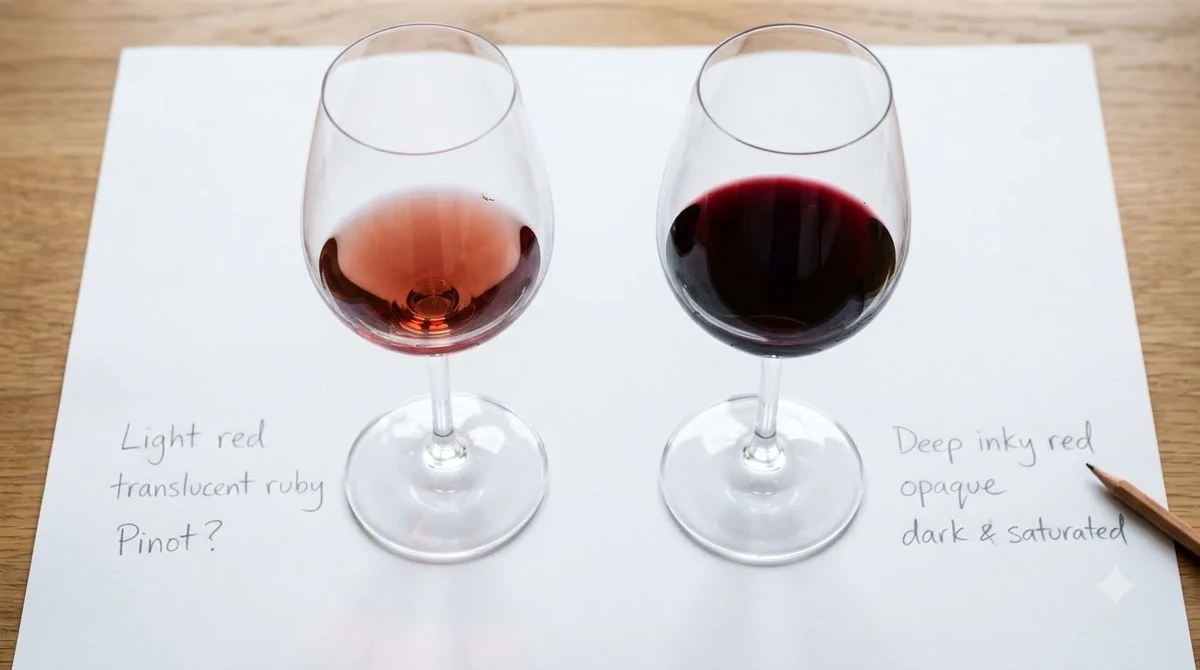
Serve Caymus Cabernet at a cool room temperature, roughly 60 to 68 degrees Fahrenheit, so the fruit stays clear and the tannins do not feel heavy. A large-bowled red wine glass lets the wine’s aromas open as you swirl. If the bottle has been stored in a warm space, take it out of the room about 20 minutes before serving to bring it into range.
Decanting is worth doing for younger bottles, especially the Special Selection, which benefits from an hour or more of air to soften its structure. Older bottles should be opened closer to serving time, and the sediment that forms in aged wines is best left behind by pouring gently or decanting carefully.
Storing and aging Caymus Cabernet
Cabernet from Napa is built to age, and Caymus bottles follow that pattern. Store them on their side in a cool, dark place with steady temperature and humidity, away from kitchen appliances and direct sun. A closet or a dedicated wine fridge is enough for most buyers. Heat is the main enemy, because it speeds up aging unevenly and can push the wine toward flat, cooked flavors.
How long to hold a bottle depends on the vintage and the bottling. Standard Cabernets are generally meant to be enjoyed within several years, while Special Selection bottles are the ones collectors tend to keep longer. Because the winery skips years it considers unsuitable, a Special Selection vintage in hand is a deliberate choice, and many buyers treat it as something to open for a milestone rather than an everyday dinner wine.
Food pairing with Caymus Cabernet
Caymus Cabernet is built for bold food. Grilled steak, roasted lamb, and rib-eye with a peppery sauce are classic matches, since the wine’s firm tannin cuts through fat and its dark fruit complements charred meat. The wine also works with mushroom dishes, braised short ribs, and hearty stews where savory depth is the main flavor.
For a lighter menu, try aged hard cheeses or a simple roasted vegetable dish with herbs. The Special Selection is best saved for a special occasion meal with rich food, because its concentration can overwhelm delicate dishes. A standard Cabernet is more flexible and can stretch across a wider range of dinners.
Who Caymus Cabernet suits
Caymus suits buyers who want a reliable, fruit-forward Napa Cabernet and who appreciate a wine with real structure and aging potential. It is a good choice for celebrations, gifts for someone who knows Cabernet, and cellar-minded collectors who want to follow a single producer across many vintages.
It may not suit drinkers who prefer lighter, more restrained reds or who want a Cabernet to drink young and cheaply. For those shoppers, a Cabernet from a smaller producer can be a better fit. Comparing Caymus with other family wineries in the Cabernet category, such as Austin Hope cabernet or Daou cabernet, is a good way to see how styles differ across the valley and beyond.
Frequently Asked Questions
Is Caymus Cabernet a good wine?
Caymus is widely respected for its Napa Cabernet, and the Special Selection has earned major awards. Whether it suits you depends on your taste, since the wines are rich and fruit-forward rather than light or austere.
What is the difference between Caymus and Caymus Special Selection?
The standard Cabernet is released every year and is more approachable when young. The Special Selection is made only in exceptional years, is produced in limited quantities, and is generally more concentrated and built for longer aging.
Does Caymus Cabernet need to be decanted?
Younger bottles, especially the Special Selection, benefit from decanting for an hour or more. Older bottles should be opened closer to serving time, and decanting them carefully helps separate any sediment.
What food goes with Caymus Cabernet?
Grilled steak, roasted lamb, and peppery sauces are classic pairings. Hearty mushroom dishes and braised meats also suit the wine’s firm tannin and dark fruit.
Caymus Cabernet is a strong choice for anyone who wants a classic Napa red with fruit, structure, and a recognized reputation. Start with the standard bottling to learn the house style, serve it at a cool room temperature, and pair it with bold food. When you are ready to explore further, the Special Selection offers a deeper look at what the estate can do in its best years.
More in Wine Brands
 Underwood Wine Price: Compare Bottles, Cans, and Pack SizesUpdated Nov 21, 2026
 Zenato Wine Price: Compare Styles and Choose the Right BottleUpdated Nov 21, 2026
 Zuccardi Wine Price: Compare Bottles and Find the Right RangeUpdated Nov 21, 2026
 Yellow Tail Moscato Review: Taste, Sweetness and Serving TipsUpdated Nov 21, 2026
 Wolf Blass Yellow Label Review: Choose Your Best StyleUpdated Nov 21, 2026
 Wolffer Estate Rose Review: Choose the Right Bottle for Your TableUpdated Nov 21, 2026