

We may earn a commission when you buy through links on this page, at no extra cost to you. Learn more.
The best 36 bottle wine rack for most homes is a freestanding modular wood rack because it holds three full cases securely without wall mounting while letting you expand your storage later. If you need to clear floor space in a tight dining nook, a wall-mounted metal label-forward rack keeps bottles organized vertically, while a countertop-height console unit doubles as a pouring station for entertaining. Choosing the right style comes down to whether you prioritize sturdy floor stability, wall-mounted display, or easy access to wider Burgundy and Champagne bottles.
Thirty-six bottles is a sweet spot for casual collectors and frequent hosts. That capacity equals three standard cases—plenty of room to separate weeknight drinkers from bottles you want to hold for a couple of years—without requiring a dedicated cellar buildout. Reviewers at Wine Enthusiast and home-cellar pros emphasize that a rack at this capacity needs solid joinery, adequate slot diameter for varied bottle shapes, and a footprint that fits safely away from kitchen heat sources.
Quick Comparison
Each 36-bottle rack format solves a different floor-plan, bottle-shape, or assembly challenge in your home.
| Rack Type | Best For | Footprint & Mounting | Bottle Compatibility | Assembly Effort |
|---|---|---|---|---|
| Freestanding Modular Wood | Growing collections & classic dining rooms | Floor-standing; low center of gravity | Standard 750ml Bordeaux; check slot width for Pinot/Champagne | Moderate (interlocking dowels or screws) |
| Wall-Mounted Label-Forward Metal | Small apartments & modern visual display | Zero floor footprint; requires stud or heavy anchor mounting | Fits most 750ml shapes easily via open cradle arms | Moderate to high (leveling and wall anchoring) |
| Console Table / Bar-Top Rack | Entertaining & dual-purpose serving spaces | Floor-standing with flat top surface | Standard 750ml slots; top holds decanters and glassware | Moderate (frame and tabletop attachment) |
| Stackable Wave-Shelf Rack | Renters & quick tool-free setup | Compact floor or pantry footprint | Accommodates wider Burgundy and sparkling bottles well | Low (notched tiers snap or stack together) |
| X-Bin / Cube Grid Rack | Bulk sorting by region or varietal | Boxy floor unit; fits closets or pantries | Flexible cubbies fit mixed bottle shapes and half-bottles | Low to moderate (panel assembly) |
Best for Growing Collections: Freestanding Modular Wood Racks
Freestanding modular wood racks are the most versatile choice for storing three cases of wine because they balance furniture-grade stability with the option to stack extra tiers later. Built from hardwoods like mahogany, pine, or bamboo, these grid-style units hold each bottle in an individual horizontal cradle.
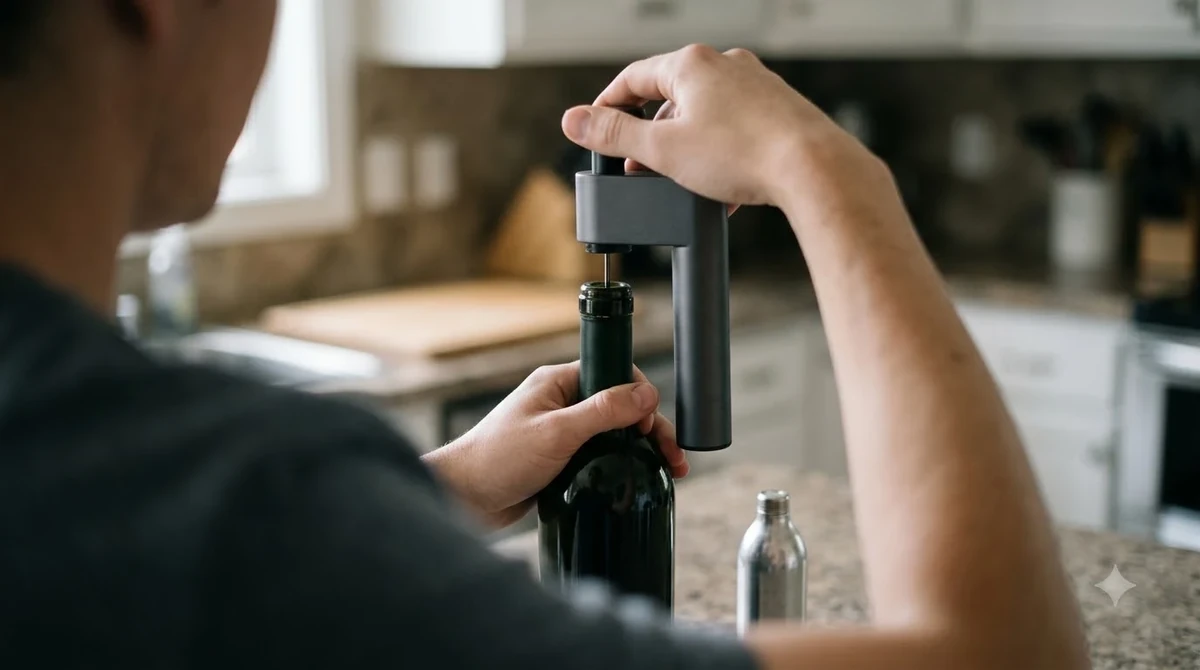
Why it stands out: Individual wooden slots keep every bottle separated, which prevents glass-on-glass clinking and lets you pull one bottle without shifting the rest of the row. According to storage guidance from Wine Enthusiast, solid wood grid kits provide durable, steady support while keeping corks horizontal and moist. Many modular systems also use pre-drilled joinery or interlocking pins so you can start at 36 bottles and add columns if your collection grows beyond a 12 bottle wine rack or starter setup.
Keep in mind and best for: Check the exact internal slot width before buying, as narrow wooden cubbies designed strictly for 2-7/8-inch Bordeaux bottles can pinch wider 3-1/2-inch Pinot Noir, Chardonnay, or sparkling wine bottles. Unfinished softwoods can also wobble on plush carpet unless anchored or placed on hard flooring. This style is best for homeowners setting up a dedicated dining room corner, basement nook, or pantry wall who want classic warmth and future expandability.
Best for Small Spaces and Display: Wall-Mounted Label-Forward Metal Racks
Wall-mounted metal racks turn an empty vertical wall into a clean, gallery-style wine display while freeing up every square inch of floor space. Instead of storing bottles cork-out, these powder-coated steel frames cradle each bottle horizontally with the label facing the room.
Why it stands out: Label-forward orientation means you never have to pull a bottle halfway out—and disturb settled sediment—just to read the vintage or producer. Open metal rods also promote steady airflow around the glass and eliminate tight wooden cubbies, making it much easier to slide thicker-shouldered bottles onto the arms. Compared with compact wall holders like a 6 bottle wine rack, a 36-bottle wall system gives you serious storage capacity in narrow hallways, breakfast nooks, or under-stair walls.
Keep in mind and best for: Thirty-six full bottles of wine weigh roughly 100 to 115 pounds on their own, before adding the weight of the steel frame. You must anchor the vertical rails directly into wall studs or use heavy-duty toggle bolts rated well above the loaded weight; standard drywall anchors will fail. This type is best for apartment dwellers, modern interiors, and anyone short on floor space who wants effortless label visibility.
Best for Entertaining: Console-Height Wine Racks with Tabletops
A console-height 36-bottle rack combines six tiers of horizontal bottle storage underneath a finished wood or stone-look top surface, effectively acting as a slim sideboard or mini bar. Rather than tucking wine out of sight, it creates an all-in-one pouring and decanting station.
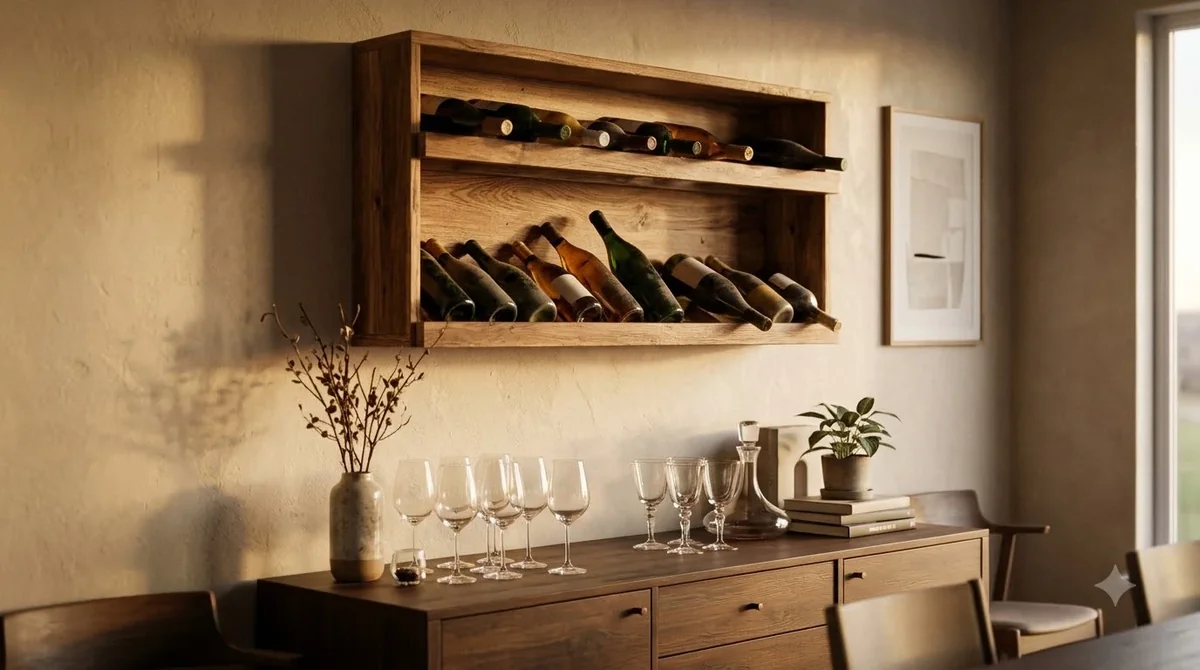
Why it stands out: Having a flat, waist-high tabletop right above your bottles solves a practical hosting problem—you have an immediate spot to set a corkscrew, rest glasses while pouring, or let a young Cabernet breathe in a decanter. The lower profile (usually around 32 to 36 inches tall) also keeps the rack’s center of gravity close to the floor, making it inherently steadier than tall, narrow towers. Many designs include a lip or gallery rail around the top edge to keep stemware from sliding off.
Keep in mind and best for: Because the top surface invites daily use, keep this style out of direct afternoon sunlight and away from kitchen ranges or radiators that cause temperature swings. Also verify clearance between the top shelf of bottles and the underside of the tabletop so your knuckles do not scrape when grabbing bottles from the uppermost row. This rack is best for hosts who want functional dining room furniture that serves both storage and bar duty.
Best for Renters and Varied Bottle Shapes: Stackable Wave-Shelf Racks
Stackable wave-shelf racks use scalloped horizontal crossbars—typically cut from bamboo or solid beechwood—that interlock via notched grooves without screws, nails, or power tools. Six tiers of six bottles give you a compact, rigid 36-bottle block that sets up or breaks down in minutes.
Why it stands out: Scalloped cradles support the body of each bottle without enclosing it in a rigid four-sided box, which means wider Burgundy, Rhône, and Champagne bottles sit comfortably next to slim Riesling flutes without wedging. Tool-free notched joints also make this the easiest style to disassemble flat when moving apartments or rearranging a closet. If you buy wine by the case—knowing how many bottles in a case of wine equals 12—each pair of tiers neatly absorbs one full case.
Keep in mind and best for: Notched friction-fit joints rely on the downward weight of loaded bottles to stay locked tight, so an empty rack can feel slightly loose until you fill the lower tiers first. Always load from the bottom row up to keep the structure planted. This style is best for renters, drinkers with eclectic bottle shapes, and buyers who want fast, frustration-free assembly.
Best for Sorting by Varietal or Case: X-Bin and Cube Grid Racks
X-bin and cube grid racks divide a 36-bottle footprint into four to nine larger triangular or square compartments rather than 36 individual slots. Instead of sliding bottles into tight holes, you stack them in neat pyramids or rows grouped by style, region, or drinking window.
Why it stands out: Open bin storage lets you organize your collection intuitively—for example, dedicating one triangle to everyday whites, one to Pinot Noir, and two to cellar-worthy reds—without rearranging individual slots every time you bring home a mixed case. Bins also accommodate awkward bottle formats, such as half-bottles (375ml) or slightly oversized sparkling bottles, with zero friction. You can explore more layouts across our Racks & Storage guide if you are planning a larger closet conversion.
Keep in mind and best for: Because bottles rest directly on top of one another inside each cubby, pulling a bottle from the bottom of a full bin requires lifting the upper bottles out of the way first. For that reason, bins work best when you group identical bottles together rather than mixing 36 singletons. Choose this type if you tend to buy multiple bottles of favorite house wines and want fast visual sorting.
How to Choose
- Measure for mixed bottle diameters: Standard Bordeaux bottles measure roughly 2.9 to 3 inches across, whereas Burgundy, Pinot Noir, and Champagne bottles often reach 3.4 to 3.6 inches. Look for slot openings or cradle spacing of at least 3.5 inches if you drink more than Cabernet and Merlot.
- Keep bottles horizontal for natural corks: Any rack you choose should hold bottles flat or tilted slightly downward so wine stays in continuous contact with the cork, preventing it from drying out and letting air oxidize the wine.
- Check loaded weight and stability: Thirty-six full 750ml glass bottles weigh around 105 pounds. Freestanding racks taller than 36 inches should include anti-tip wall straps, especially on carpeted floors or in homes with pets and kids.
- Scout the location before ordering: As wine storage experts at VinePair note, protecting wine comes down to low UV light, steady cool temperatures, and minimal vibration—so measure a dark closet, interior hallway, or dining wall well away from windows, dishwashers, and ovens.
Tip: Load your 36-bottle rack from the bottom tier upward and place heavier bottles on the lowest shelves. Keeping the center of gravity low prevents wobbling during assembly and keeps long-term aging bottles in the coolest air near the floor.
Frequently Asked Questions
How much space do I need for a 36-bottle wine rack?
Most freestanding 36-bottle racks arranged six bottles wide by six tiers high measure roughly 24 to 27 inches wide, 32 to 36 inches tall, and 10 to 12 inches deep. Wall-mounted vertical columns take up narrower wall width—often 12 to 18 inches—while extending 48 to 72 inches upward depending on whether bottles sit one or two deep.
Will a 36-bottle rack hold Champagne and Pinot Noir bottles?
Not all 36-bottle racks fit wider bottles comfortably. Tightly spaced wooden grid racks built strictly for standard Bordeaux bottles often leave less than 3.25 inches per slot, which can scrape labels or block wider Burgundy and sparkling bottles; choose wave-shelf, open-bin, or metal cradle designs if you store varied shapes.
Where is the best place in a house to put a 36-bottle wine rack?
An interior closet, basement wall, or shaded dining room corner with steady temperatures between 50°F and 65°F works best. Avoid spots next to refrigerators, stoves, sunny windows, or laundry machines, since heat spikes, UV rays, and constant vibration degrade wine flavor over time.
Should I anchor a freestanding 36-bottle wine rack to the wall?
Yes, anchoring is strongly recommended for any freestanding rack, particularly on carpet or in households with children or pets. Once loaded with three cases of glass bottles, the unit weighs over 100 pounds and can tip forward if bumped or pulled from an upper shelf.
Matching your 36-bottle rack to your floor plan and bottle collection keeps three full cases organized, accessible, and safe from heat or tipping. Whether you prefer a stackable wood grid that grows with your cellar habits or a wall-mounted metal rack that turns labels into wall art, measuring your space and widest bottles first guarantees a clean fit.
More in Racks & Storage
 Best Wine Barrel Racks for Distinctive Bottle StorageUpdated Nov 20, 2026
 Best Wine Storage Tower: Sizing, Protection and Room LayoutUpdated Nov 18, 2026
 Best Pyramid Wine Rack: Materials, Sizes and Where It FitsUpdated Nov 18, 2026
 Best Kitchen Cabinet Wine Rack Insert for Built-In Bottle StorageUpdated Nov 18, 2026
 Best 16 Bottle Wine Rack Options for Kitchens, Bars and CellarsUpdated Nov 18, 2026
 Best 48 Bottle Wine Rack Options for Cellars, Kitchens, and Tight SpacesUpdated Nov 18, 2026