


We may earn a commission when you buy through links on this page, at no extra cost to you. Learn more.
The 19 crimes wine price typically ranges from about $9 to $20 for a standard 750 ml bottle in the United States, depending on the wine, collection, and retailer. The classic Red Blend and Cabernet Sauvignon generally sit near the lower end, while Snoop Dogg collaborations and specialty bottles can cost more. The Warden is positioned in a higher retail tier, so comparing the specific wine rather than just the brand name is important.
19 Crimes has become a recognizable supermarket and liquor-store wine brand through its illustrated labels, Australian convict-history theme, and accessible selection of red and white wines. Its collection includes familiar varieties such as Cabernet Sauvignon, Shiraz, Pinot Noir, and Chardonnay, alongside distinctive blends and California-inspired collaborations. Understanding the differences between these bottles helps shoppers decide whether a standard red, a richer dark blend, or a specialty selection makes the most sense for the occasion.
Who This Price Guide Is For
Most 19 Crimes wines belong in the accessible everyday-wine category, making the brand relevant to shoppers who want recognizable labels without spending heavily on a single bottle. American buyers can compare standard 750 ml bottles, specialty red blends, and Snoop Dogg collaborations before choosing a style that fits a casual dinner, gathering, or gift.

This guide is particularly useful for people comparing 19 Crimes with other widely distributed supermarket wines. A shopper deciding between the classic Red Blend and a bottle of Cali Red, for example, needs to consider more than the difference in retail price. The two selections have different identities and positioning within the collection. The classic range is closely associated with the brand’s Australian identity, while the CALI range emphasizes California-inspired wines and its partnership with Snoop Dogg.
First-time buyers should also distinguish between the regular collection and specialty releases. A striking bottle or unusual label does not necessarily indicate a dramatically different winemaking approach. Some products are positioned as more distinctive selections, while others offer a different grape variety, blend, or regional identity. Reading the product name carefully prevents confusion between similarly packaged bottles.
Readers who already know the brand can use this guide to compare individual varieties. Someone who enjoys a bold Cabernet Sauvignon may have different expectations from someone who prefers a softer Pinot Noir or a fruit-forward red blend. For a broader look at wine producers and labels, our guide to Wine Brands provides useful background for comparing commercial wine collections.
Key Factors to Compare When Shopping
The biggest price differences come from the specific wine, collection, retailer, and product positioning. A standard red blend is generally less expensive than a specialty selection, while a collaboration or distinctive release may carry a higher retail price even when it comes in the same 750 ml bottle.
| Wine or category | Typical US retail range | General positioning |
|---|---|---|
| 19 Crimes Red Blend | About $9–$11 | Classic everyday red |
| 19 Crimes Cabernet Sauvignon | About $9–$11 | Classic varietal red |
| 19 Crimes Shiraz | About $9–$11 | Australian red selection |
| The Banished Dark Red | About $9–$12 | Specialty dark red |
| The Punishment Pinot Noir | About $10–$13 | Lighter-bodied red option |
| Snoop Dogg Cali Red | About $11–$14 | California-inspired collaboration |
| Snoop Dogg Cali Rosé | About $11–$14 | Rosé selection |
| The Warden Red Blend | About $18–$20 | Higher-priced specialty selection |
These are approximate shopping ranges, not guaranteed national prices. They reflect displayed US retail listings from Target and Total Wine. Prices vary by state and retailer, and local taxes, distribution arrangements, availability, and store pricing policies can affect the amount paid. The ranges should therefore be treated as comparison benchmarks rather than fixed price tags.
Retailer differences are particularly noticeable in the entry-level category. Total Wine lists its standard Red Blend and Cabernet Sauvignon at about $9 per bottle in its displayed selection, while Target lists comparable bottles around $10. Cali Red is positioned somewhat higher, with both retailers displaying prices in the low-teens range. These differences show why checking the specific store matters before making a purchase.
The specialty category has a wider spread. Target lists The Warden at approximately $20 for a 750 ml bottle, considerably above its standard Red Blend. That difference reflects its separate product positioning, although a higher shelf price does not automatically mean that a wine will taste better to every buyer.
For another useful comparison, shoppers can consult the current Total Wine 19 Crimes collection, which displays different varieties, bottle sizes, and retail categories. Its listings also show that the collection includes wines from both Australia and California.
Bottle size is another important comparison factor. Most common US listings are for 750 ml bottles, the standard wine-bottle format. Comparing two bottles of the same size is straightforward, but shoppers should avoid assuming that a different package offers the same value simply because the displayed price looks similar.
Step-by-Step: How to Compare Prices Before Buying
A useful buying decision starts with the exact wine name, followed by a comparison of bottle size, style, and retailer pricing. This simple process helps prevent shoppers from treating every 19 Crimes bottle as interchangeable.
- Identify the exact selection. Start by deciding whether you want the classic Red Blend, Cabernet Sauvignon, Shiraz, Pinot Noir, The Banished, or a CALI collaboration. These are distinct products rather than different labels for one identical wine.
- Confirm the bottle size. Most common US retail listings use 750 ml bottles. Compare matching sizes so that a larger or smaller package does not distort your price comparison.
- Choose a wine style. Consider body, tannin, acidity, and sweetness. Cabernet Sauvignon is generally more tannic than Pinot Noir, while Shiraz commonly offers a fuller profile. A dark red blend may suit a different preference from a lighter red.
- Compare at least two retailers. Check a large wine retailer and a supermarket or local liquor store. Target and Total Wine both carry multiple products from the brand, although their available selections can differ.
- Separate standard wines from specialty releases. Do not compare The Warden directly with the standard Red Blend without considering its different collection positioning. A higher shelf price does not automatically mean that a bottle will suit your palate better.
- Consider the occasion. A straightforward red blend can be suitable for a casual dinner, while a distinctive CALI bottle may appeal more to someone interested in the Snoop Dogg collaboration.
- Check the final checkout amount. Local taxes, delivery charges, and retailer policies can change the final total. Make the comparison using the amount actually payable rather than relying solely on a displayed shelf price.
One practical approach is to decide on a maximum spending range before visiting the store. If the goal is an inexpensive dinner wine, there is little reason to begin with specialty selections. If the bottle is intended as a present, however, its presentation and distinctive label may matter as much as its underlying wine style.
Tip: Compare the exact wine name and 750 ml bottle size first. A bottle of Cali Red and a bottle of classic Red Blend are different selections, so the small price difference should not be the only reason to choose one over the other.
Shoppers who want a closer look at the classic red selections can also consult our guide to 19 Crimes red wine. It helps distinguish the standard red blends from varietal wines and specialty bottles.
Types and Styles Explained
The collection covers several familiar wine categories, with red wines making up much of its recognizable lineup. Understanding the differences between these selections is more useful than assuming that every bottle has the same flavor profile or drinking experience.
Classic Red Blend
The standard 19 Crimes Red Blend is a natural starting point for someone exploring the brand. It represents the accessible side of the range and is generally positioned in the lower retail price category. Red blends can combine different grape varieties to create a profile that balances fruit, body, and structure.
Target’s product description identifies dark fruit flavors and vanilla aromas in its standard Red Blend. This broad flavor profile makes it a natural candidate for shoppers who enjoy approachable, fruit-forward reds. It can be served alongside pizza, burgers, grilled sausages, and casual barbecue meals.
Cabernet Sauvignon
Cabernet Sauvignon is a familiar choice for drinkers who prefer fuller reds with more noticeable tannin. Cabernet generally has higher tannin than Merlot or Pinot Noir, giving it a firmer structure and a more substantial mouthfeel. Its character makes it a natural companion for beef, lamb, and grilled dishes.
Within the 19 Crimes range, the classic Cabernet Sauvignon generally occupies an accessible retail tier. It is worth considering when the shopper wants a more varietal-focused selection instead of a general red blend. The wine’s name also makes it easier to identify for buyers who already know that they enjoy Cabernet Sauvignon from other producers.
Shiraz
Shiraz is another important Australian red-wine category in the collection. The grape is known for dark fruit character and can produce wines with substantial body, depending on growing conditions and winemaking approach. It is generally a good match for grilled meats, barbecue dishes, and strongly flavored sauces.
Compared with Cabernet Sauvignon, Shiraz can offer a different balance of fruit, tannin, and spice. It should not automatically be assumed to taste sweeter simply because it has generous fruit character. Actual sweetness depends on the wine’s residual sugar rather than its ripe-fruit aromas alone.
The Banished Dark Red
The Banished is positioned as a darker red selection within the brand. It appeals to consumers looking for something distinct from the standard Red Blend. Its name and packaging also connect directly with the historical theme that defines the wider collection.
Its retail position can be slightly above or close to the standard selections, depending on the retailer. Target’s displayed listing places it near the same broad entry-level price category as the classic Red Blend. This is a bottle worth comparing with the standard blend if the buyer prefers a richer style and wants to explore a different expression of the brand.
The Punishment Pinot Noir
Pinot Noir provides a contrasting option for people who do not always want a full-bodied red. Pinot Noir generally has low-to-medium tannin and relatively high acidity. Those characteristics make it more flexible with dishes such as roast chicken, mushroom-based meals, and salmon.
The Punishment is the named Pinot Noir selection in the range. Its presence gives shoppers an alternative to the heavier Cabernet Sauvignon and Shiraz styles. People who prefer a lighter red should compare this bottle rather than assuming the brand’s entire collection is dominated by bold, powerful wines.
CALI by SNOOP
The CALI collection is a separate part of the 19 Crimes identity, with Snoop Dogg as its prominent collaborator. Cali Red is a red blend, while the wider collection also includes rosé and sparkling selections. These wines have a more explicitly California-inspired identity than the brand’s traditional Australian selections.
The collaboration is an important reason some shoppers choose these bottles. The labels offer a recognizable personality and can be appealing for parties, informal celebrations, or gifts. However, the collaboration should be viewed as part of the product’s branding and positioning, not as a substitute for considering the wine’s actual style.
For shoppers interested specifically in the California collaboration, our dedicated 19 Crimes Cali Red article provides a more focused look at that selection.
White Wines and Rosé
Although 19 Crimes is strongly associated with red blends, its collection is not limited to red wine. The wider range includes Chardonnay and Sauvignon Blanc selections, as well as rosé and sparkling options. These wines offer very different drinking experiences from the darker reds.
Chardonnay generally has medium acidity and can range from crisp and restrained to richer and more rounded, depending on its production. Sauvignon Blanc is typically higher in acidity, making it a useful option with salads, seafood, and fresh goat cheese. Rosé provides another alternative for people who prefer a lighter, refreshing style.
Serving temperature also makes a noticeable difference. Light whites and rosé are generally best served around 45–50 F, while fuller-bodied whites are typically served around 50–55 F. Light reds are often more enjoyable around 55–60 F rather than at an excessively warm room temperature.
Common Mistakes When Comparing 19 Crimes Prices
The most common buying mistakes involve confusing different product lines, treating branding as a quality measurement, and assuming that a higher shelf price guarantees a better wine. Careful comparison requires attention to the specific bottle and the style it represents.
Assuming every bottle is Australian: The brand’s identity is strongly associated with Australian wine, but its collection also contains California selections. Total Wine distinguishes between Australia and California in its product filters. A buyer looking for an Australian red should not automatically select a bottle simply because it carries the 19 Crimes name.
Confusing the standard blend with Cali Red: These are separate products. Cali Red belongs to the Snoop Dogg collaboration, while the classic Red Blend is part of the traditional collection. Their positioning and retail prices can differ, so the buyer should compare the complete product name rather than relying on the large brand logo.
Assuming the most expensive bottle is automatically the best: The Warden sits above many standard bottles in retail positioning, but price alone cannot determine whether someone will prefer its flavor. A buyer who enjoys simple, fruit-forward red blends may prefer the standard selection even when a specialty wine costs more.
Ignoring grape variety: Cabernet Sauvignon and Pinot Noir are not interchangeable. Cabernet has higher tannin and a firmer structure, while Pinot Noir generally offers lighter tannin and higher acidity. Choosing based on grape variety can make a bigger difference to enjoyment than paying a little more.
Confusing fruitiness with sweetness: A wine can smell or taste strongly of ripe fruit without containing substantial residual sugar. Dark berry, cherry, and plum characteristics do not automatically mean that a wine is technically sweet. Consumers who prefer sweeter wine should look for reliable product descriptions rather than relying on fruit-related tasting language.
Overlooking product differences between releases: Wine reviews and retailer descriptions apply to particular wines and vintages, not necessarily every later bottle sold under the same label. A review of an older Red Blend should not be presented as a current evaluation of every release. Wine styles and blends can change over time.
Using ratings as the only buying criterion: Retailer customer ratings reflect individual experiences and may be based on relatively few reviews. They are not a substitute for professional tasting assessments or a description of the wine’s structure. Someone who likes low-tannin reds may dislike a more structured Cabernet even if the latter receives positive customer feedback.
Buying solely for the collectible label: The historical artwork and augmented-reality experience make the bottles recognizable, but the wine itself should remain the main consideration. A collectible cork or an entertaining label does not guarantee that the style inside the bottle matches the buyer’s preferences.
Care, Serving, and Storage Tips
Proper storage and serving help preserve the wine’s intended character after purchase. The same basic principles apply to inexpensive supermarket bottles and more expensive selections, including keeping unopened bottles away from excessive heat and serving each style at an appropriate temperature.
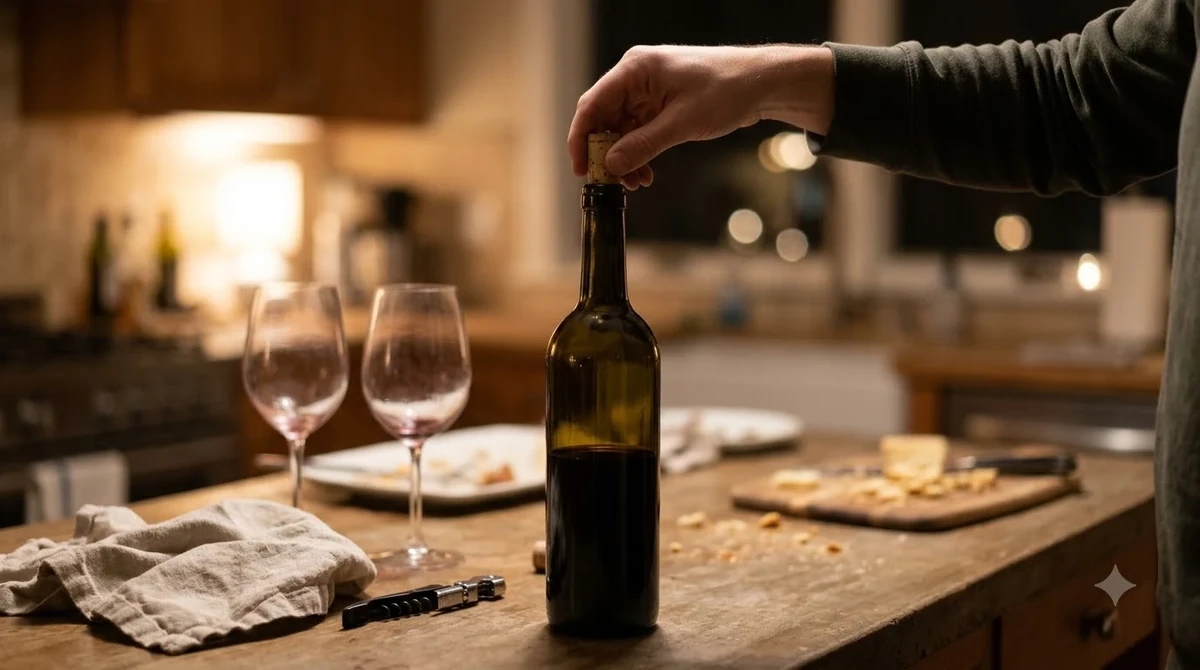
For short-term storage, keep bottles in a cool, dark place away from direct sunlight, radiators, and kitchen appliances that produce heat. A consistent environment near 55 F is a useful target for wine storage. Bottles with natural cork closures are traditionally stored on their sides to keep the cork in contact with the wine, while screw-cap bottles do not require this arrangement.
Temperature changes are also important. A wine kept in a hot car or near a sunny window can deteriorate more quickly than one stored in a stable environment. Avoid leaving a bottle in a vehicle for extended periods, particularly during warm weather. A modestly priced wine still deserves reasonable storage conditions.
Serving temperature should reflect the style. A full-bodied red such as Cabernet Sauvignon is generally best around 60–65 F, while a lighter Pinot Noir is usually more enjoyable around 55–60 F. Chilling a red slightly below ordinary room temperature can help prevent its alcohol from seeming too prominent.
For white wines, a lighter Sauvignon Blanc generally benefits from a serving temperature of 45–50 F. A fuller Chardonnay can be served slightly warmer, around 50–55 F, allowing its texture and aromas to remain more expressive. Rosé is generally served chilled around 45–50 F.
A standard 750 ml bottle provides approximately five servings when each glass contains 5 oz. This makes it relatively easy to estimate quantities for a dinner or gathering. For example, two bottles provide approximately ten standard pours, although actual serving sizes vary according to the occasion and individual preferences.
Once opened, reseal the bottle and refrigerate it. Most opened still wines are best consumed within approximately three to five days, although freshness depends on the wine, closure, storage temperature, and exposure to oxygen. If the wine develops noticeably stale aromas or an unpleasant taste, it may no longer be enjoyable.
Red wine does not need to be stored at a warm room temperature after opening. Refrigeration slows oxidation and helps preserve the remaining wine. Allow a chilled red to warm slightly before serving rather than leaving it out for an extended period.
Decanting is another consideration, particularly for young, fuller-bodied reds. A young Cabernet Sauvignon or similarly structured red may benefit from approximately 30–60 minutes of aeration. However, decanting is optional, and a casual bottle of red blend does not necessarily require elaborate preparation.
Food pairing can help bring out the character of each variety. Cabernet Sauvignon works naturally with beef and grilled lamb because protein and fat can soften its tannic impression. Pinot Noir is more versatile with roast chicken and mushroom dishes, while Sauvignon Blanc is often a good partner for acidic salads and seafood.
For an additional retailer comparison, Target’s 19 Crimes wine listings provide a useful overview of available bottle styles and sizes. Comparing the product name, size, and local availability is more reliable than assuming that every store carries the same selection.
Frequently Asked Questions
What does the name 19 Crimes refer to?
The name refers to historical British offenses that could lead to transportation to Australia as punishment. The brand’s historical theme is reflected in its packaging and collectible corks. The storytelling concept is a central part of the label’s identity rather than a description of the wine’s grape varieties.
Are the 19 Crimes collectible corks different in every bottle?
The brand’s collectible concept features 19 different crime-themed cork designs. They are intended as collectibles rather than varietal identifiers. Finding a particular design does not indicate that the bottle contains a different wine style or vintage.
Can a phone bring the 19 Crimes label to life?
Yes. The brand offers a Web-based augmented-reality experience associated with its Living Wine Labels concept. Compatible label experiences allow characters and stories to appear animated through a smartphone camera. The available experience can vary between individual wine labels and releases.
Who is the Snoop Dogg collaboration intended to appeal to?
The CALI collaboration gives the collection a recognizable entertainment and California-inspired identity. It can appeal to fans of Snoop Dogg, shoppers looking for distinctive packaging, and people seeking a conversation piece for a casual gathering. The collaboration includes more than just Cali Red, with other selections such as Cali Rosé and Cali Gold.
Does 19 Crimes offer sparkling wine?
Yes. The wider collection includes sparkling selections, including Cali Gold by Snoop Dogg. Sparkling wine is a different category from the brand’s standard still red blends. Its bubbles and serving temperature make it more appropriate for occasions where a refreshing celebratory style is preferred.
Overall, 19 Crimes offers a broad range of approachable wines, with standard red selections generally occupying the lower retail tier and collaborations or specialty releases costing more. For everyday drinking, start with the classic Red Blend, Cabernet Sauvignon, or Shiraz and choose according to your preferred style. If presentation and the distinctive CALI collaboration matter more, compare those selections separately rather than assuming that a higher retail price automatically means a better match.
More in Wine Brands
 Underwood Wine Price: Compare Bottles, Cans, and Pack SizesUpdated Nov 21, 2026
 Zenato Wine Price: Compare Styles and Choose the Right BottleUpdated Nov 21, 2026
 Zuccardi Wine Price: Compare Bottles and Find the Right RangeUpdated Nov 21, 2026
 Yellow Tail Moscato Review: Taste, Sweetness and Serving TipsUpdated Nov 21, 2026
 Wolf Blass Yellow Label Review: Choose Your Best StyleUpdated Nov 21, 2026
 Wolffer Estate Rose Review: Choose the Right Bottle for Your TableUpdated Nov 21, 2026