

We may earn a commission when you buy through links on this page, at no extra cost to you. Learn more.
Zinfandel alcohol content is usually 14% to 16% ABV in California red wines, though lighter examples can fall around 12% to 14% and White Zinfandel commonly lands near 8% to 10%. The grape can produce a wide range of styles because its berries do not always ripen at the same pace, and picking decisions have a strong effect on grape sugar. Vineyard climate, harvest timing, fermentation, and the winemaker’s preferred style all help explain why two bottles labeled Zinfandel can feel quite different.
The most useful starting point is the wine’s style, not the grape name alone. A ripe, full-bodied red Zin and a pale, off-dry White Zin share a grape variety, but they are made differently and usually have very different alcohol levels. The figures below give practical expectations for shopping, serving, and comparing bottles.
Typical ABV range for red Zinfandel
Most California red Zinfandel sits around 14% to 16% alcohol by volume, while deliberately lighter examples can be closer to 12% to 14%. That means a typical red Zin is often at the fuller end of the table-wine spectrum, but the variety does not have one fixed alcohol level.
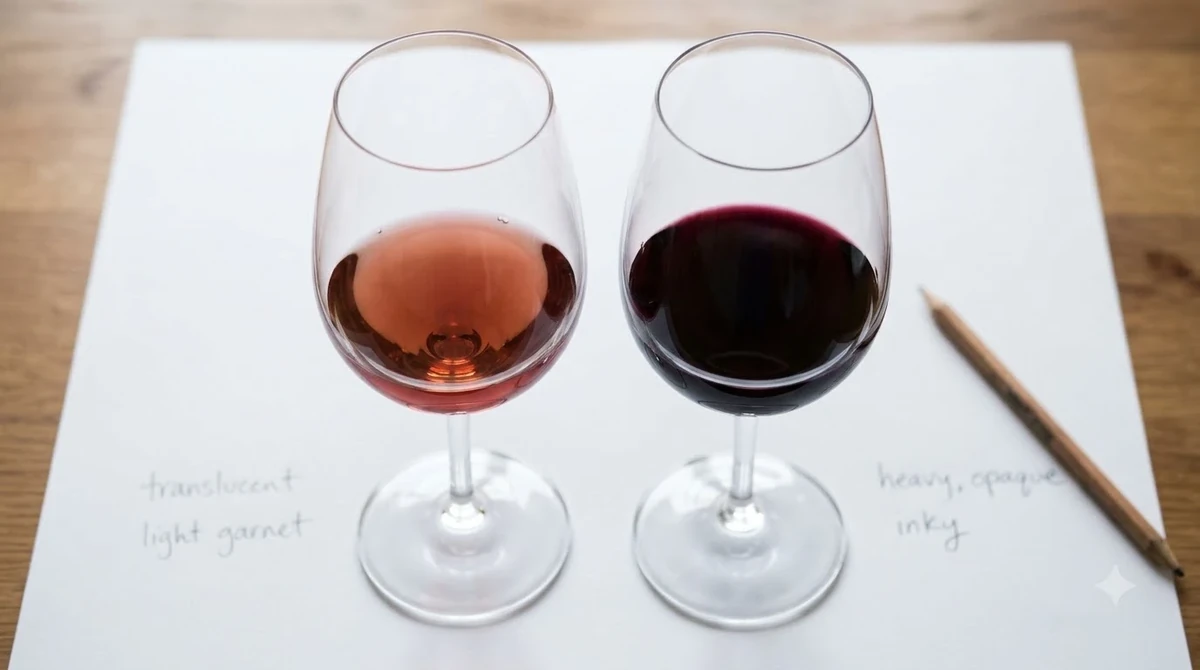
Wine Enthusiast gives 14% to 16% ABV as the common California range and describes the wines as full-bodied, jammy, and spicy. Its guide also notes that the grape can make wines from 12% to nearly 20% ABV across its broader range of styles. The upper end is not the everyday expectation for a standard dry red bottle: it can include very ripe or special late-harvest and fortified expressions. In a normal wine-shop search, start by expecting a red Zin to be near 15%, then use the label to compare individual bottles.
Lower-alcohol red Zinfandel is not automatically thin, and a bottle at 15.5% is not automatically out of balance. Some producers intentionally pick earlier and handle the fruit gently to preserve lively acidity, red-berry notes, and a more restrained body. A higher-alcohol wine can still feel balanced when its fruit, acidity, tannin, and texture work together. The percentage is one clue about style, not a quality score.
The table gives a quick comparison of broad style expectations. These are useful guide ranges, not legal definitions or guarantees for every bottle.
| Style | Typical or indicative ABV | What to expect |
|---|---|---|
| California red Zinfandel | 14%–16% | Often ripe, full-bodied, and marked by dark or red berry fruit and spice |
| Fresh, lighter red Zinfandel | 12%–14% | Brighter fruit, more lift, and a less weighty impression |
| White Zinfandel | About 8%–10% | Usually a lighter, often medium-sweet rosé style |
| Very ripe or late-harvest styles | Can approach 20% | Unusually concentrated wines; some are made in a Port-like style |
How harvest timing and fermentation shape alcohol
Alcohol in wine begins with sugar in the grapes: yeast converts fermentable sugar into alcohol and carbon dioxide. For Zinfandel, earlier picking can support fresher 12% to 14% styles, while longer hang time can push potential alcohol toward 15% or higher by allowing more sugar to accumulate.
Zinfandel is known for uneven ripening within a cluster. Some berries can be fully ripe while others remain firmer or more tart, and some may begin to shrivel. Wine Enthusiast describes how longer hang time can help address uneven ripening, while some winemakers deliberately allow fruit to become very ripe. More time on the vine can raise sugar and produce a higher potential alcohol, but the result also depends on the balance of the fruit and the winemaker’s decisions.
Fermentation choices matter too. In a dry red wine, yeast ferments most of the available sugar, whereas a winemaker making a sweeter style may stop or interrupt fermentation while some sugar remains. That unfermented sugar is one reason many White Zinfandels have lower alcohol than dry red Zinfandel; sweetness and alcohol are related to fermentation, but they are not the same measurement. Techniques such as saignée, which draws off some juice early in red-wine production, and extended skin contact can deepen color, flavor, and structure, but neither acts as a simple alcohol dial. Grape sugar, fermentation progress, and the finished blend remain central to the final ABV.
Tip: When comparing two red Zinfandels, treat a difference of 1 or 2 ABV points as a style clue, then consider the region and producer as well. A 14.5% wine can feel fresher than a 14% wine if its fruit, acidity, and tannin are more tightly balanced.
California regions and growing conditions
Warmth and location help shape Zinfandel, but California does not produce one uniform style. The Lodi Winegrape Commission describes cooler coastal areas as tending toward spicier, leaner, more refined wines, while warmer interior areas often produce richer, more powerful examples. Wine Enthusiast’s comparison of lighter and concentrated Zinfandel styles identifies Lodi and Paso Robles as warmer areas where restraint can be harder to achieve, while cooler sites around the Santa Cruz Mountains, Sonoma, and Mendocino can support earlier picking and wines with more lift. These are regional tendencies, not rules for every vineyard or vintage.
The University of California, Davis, explains that Zinfandel grows across California’s different heat regions, from coastal valleys and hills to the Central Valley and Sierra foothills. Major plantings include San Joaquin, Sonoma, Fresno, Madera, Amador, Mendocino, and San Luis Obispo counties. Old vines can yield concentrated flavors, particularly on coastal or Sierra foothill sites, but vine age does not automatically dictate high ABV. Vineyard exposure, water availability, crop size, weather, and harvest date all influence the fruit that reaches the winery, so an old-vine label alone cannot tell you whether a bottle will be 13.5%, 14.5%, or 15.5% alcohol.
Red Zinfandel, White Zinfandel, and rosé
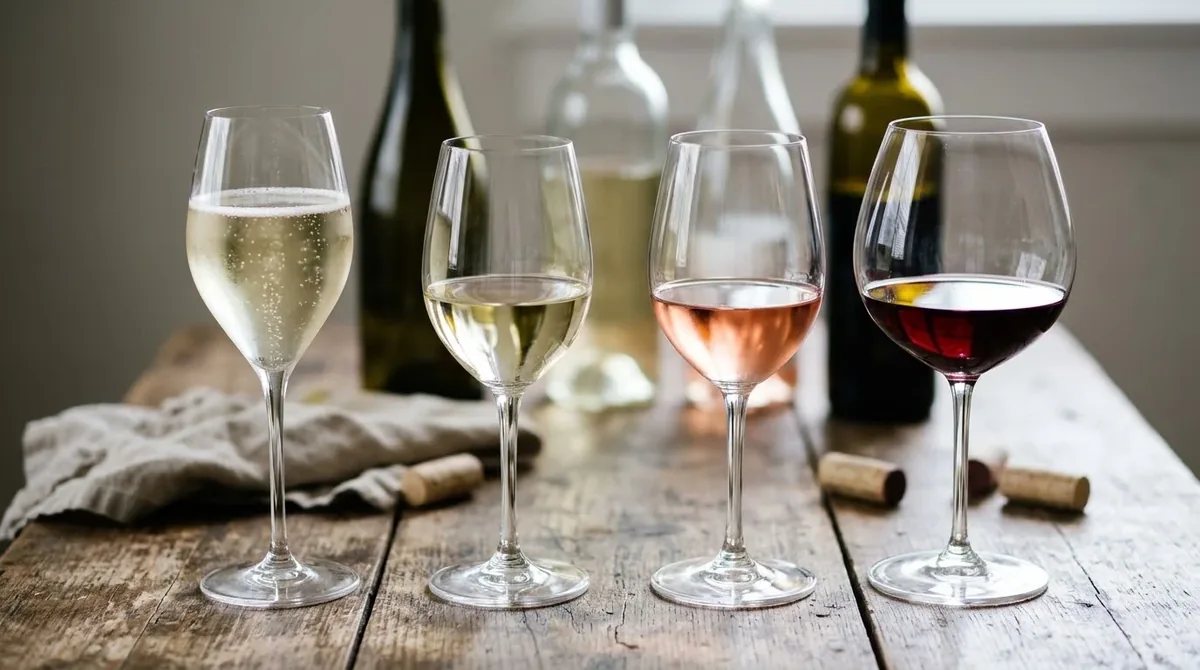
Red Zinfandel and White Zinfandel usually differ more in production and sweetness than in the grape they use. A common dry red bottle is around 14% to 16% ABV, while a typical medium-sweet White Zinfandel is closer to 8% to 10%. The phrase “White Zinfandel” describes a pink rosé wine, not a white grape or a white-colored wine.
White Zinfandel is generally made with a short period of contact between juice and dark grape skins, giving it a pale pink hue rather than the deep color of red Zin. Fermentation may be stopped before all the grape sugar is consumed, leaving residual sweetness and less alcohol than a fully fermented dry red. Total Wine places common White Zinfandel around 8% to 10% ABV and describes it as typically medium-sweet, with familiar strawberry, raspberry, melon, and citrus flavors.
Not every pink Zinfandel is sweet or low in alcohol. Some producers make dry Zinfandel rosé by picking earlier and fermenting the wine dry, preserving fresh berry, citrus, and herb notes; Wine Enthusiast describes newer California examples made for freshness with early-picked grapes and stainless-steel fermentation. Color alone does not determine sweetness or ABV. At the other end of the spectrum, UC Davis notes that late-harvest Zinfandel can be made into high-alcohol, Port-style dessert wine. These are specialty expressions, not the default for a dry red Zin, and should be treated as a separate style rather than assumed to approach 20% in every case.
How to read the alcohol statement on a Zinfandel label
On a U.S. bottle, alcohol is expressed as a percentage of alcohol by volume, often written as “Alc. ___% by Vol.” A number such as 15% means that alcohol accounts for 15% of the wine’s volume. The Alcohol and Tobacco Tax and Trade Bureau (TTB) says a numerical statement is mandatory for wine over 14% ABV; for wines from 7% to 14%, the number may be optional when the brand label carries the required “table wine” or “light wine” designation. This is why some lower-alcohol bottles may show a percentage while others use a table-wine designation. The agency’s wine alcohol labeling guidance explains the format rules.
TTB also allows a tolerance of plus or minus 1.5 percentage points for wines containing 14% alcohol or less, and plus or minus 1 percentage point for wines over 14%. For example, the agency gives a 12% label statement as permissible when the actual wine falls between 10.5% and 13.5%; an 18% statement can be permissible between 17% and 19%. Those are regulatory tolerances, not a claim that every producer uses the full allowance or that a specific bottle is inaccurate. The statement must still correctly identify the wine’s class, type, and taxable grade.
For practical shopping, use the number as a guide rather than a laboratory measurement. When you compare a 13.5% bottle with a 15.5% bottle, the second is likely to contain more alcohol by volume, but the label does not tell the whole sensory story. Producer style, vintage conditions, residual sugar, acidity, tannin, and serving temperature all affect how the wine comes across. A short producer description or a regional note can help distinguish a fresh, early-picked Zin from a broad, ripe one with a similar label number.
Serving, pouring, and pairing Zinfandel
Most full-bodied red Zinfandel shows best slightly cooler than a warm room, around 60°F to 65°F. A fresher, lighter red Zin can be served nearer 55°F to 60°F, while White Zinfandel is better treated like a rosé at 45°F to 50°F. Alcohol contributes to the sensation of warmth and body, so serving temperature can change how a high-ABV Zin feels without changing its actual alcohol content. A 15.5% red served at 68°F or 70°F can seem hotter than the same wine at 62°F; very cold temperatures, however, can mute aromas and firm up the texture.
For food, ripe fruit and spice in red Zinfandel work well with barbecue, grilled sausages, burgers, tomato-based dishes, and smoky roasted vegetables. Salt and fat can soften tannin, but chili heat is different: alcohol and tannin can amplify the burn of very spicy food, so milder barbecue sauces or savory-sweet dishes are safer matches for a powerful Zin. White Zinfandel’s lighter body and mild sweetness suit grilled chicken, salads, seafood, and moderately spiced food. With dessert, match sweetness carefully: the wine should be at least as sweet as the dish, or it can taste thin beside it.
Pay attention to serving size as well as ABV. A standard 750-milliliter bottle holds about five 5-ounce pours, so a 5-ounce glass of 14% Zinfandel contains about 0.7 fluid ounces of pure alcohol by volume; at 16%, the same pour contains about 0.8 fluid ounces. A 9% White Zinfandel pour contains about 0.45 fluid ounces, which shows why a glass of stronger red can contain noticeably more alcohol than the same-size pour of a lower-ABV pink wine. Decanting a young, concentrated Zin for 30 to 60 minutes can help it open aromatically, but it does not remove alcohol; a modest chill and a suitable food pairing are better adjustments if the wine feels warm or heavy.
Frequently Asked Questions
These answers cover label ranges, bottle aging, oak, blending, and what happens when a pour is diluted with ice. Each point helps separate the wine’s stated ABV from other changes that can affect the glass.
Can a Zinfandel label show an alcohol range instead of one number?
Yes. U.S. rules allow a stated range of up to 2 percentage points for wines over 14% alcohol and up to 3 percentage points for wines at 14% or below. The range cannot override the wine’s required class or tax classification.
Does bottle aging lower Zinfandel alcohol content?
No. In a properly sealed bottle, the alcohol percentage does not meaningfully decline as the wine ages. Bottle development changes aroma, flavor, and texture, but it is not a way to turn a 15% Zinfandel into a lower-alcohol wine.
Does oak aging make Zinfandel stronger?
Oak barrels can add aromas and flavors such as vanilla, toast, baking spice, and cedar, but barrel aging is not the source of a wine’s main alcohol level. Fermentable grape sugar and fermentation determine most of the alcohol in a finished still wine.
Can blending change a Zinfandel’s final ABV?
Yes. Blending wines with different alcohol levels can shift the measured ABV of the finished lot. A producer may combine vineyard lots or fermentation batches to reach a desired balance of fruit, structure, and alcohol.
Does adding ice change the strength of a glass of Zinfandel?
As the ice melts, its water dilutes the wine in the glass and lowers the drink’s alcohol concentration. It does not change the ABV of the wine remaining in the bottle.
For most shoppers, dry red Zinfandel commonly sits around 14% to 16% ABV, while lighter reds and White Zinfandel can be considerably lower; use the alcohol statement as a starting point, then factor in region, producer style, sweetness, and serving temperature. For more comparisons, browse our guides to Wine by Type, ice wine alcohol content, Marsala alcohol content, and tawny Port alcohol content, since each style has its own production methods and typical strength.
More in Wine Types & Grapes
 Zinfandel Sugar Content: Dry Red vs. White Zinfandel GramsUpdated Nov 21, 2026
 Best Zinfandel Substitute Options for Sipping and CookingUpdated Nov 21, 2026
 Zweigelt Food Pairing: Best Dishes, Cheeses, and Serving TipsUpdated Nov 21, 2026
 Zinfandel Tannins Explained: How Structure Shapes Every BottleUpdated Nov 21, 2026
 Zinfandel Sweetness Level: Dry Red vs. Sweet White Zin ExplainedUpdated Nov 21, 2026
 Xinomavro Food Pairing: Best Dishes, Styles, and Serving TipsUpdated Nov 21, 2026