

We may earn a commission when you buy through links on this page, at no extra cost to you. Learn more.
This yellow tail shiraz review finds an approachable Australian red with juicy red-berry and plum flavors, smooth vanilla notes, and a gently spicy finish. At 13.5% ABV, it offers a medium-bodied, fruit-forward drinking experience that works particularly well with steak, burgers, barbecue, and casual dinners. It is a practical choice for drinkers who enjoy ripe fruit and softer tannins, although those seeking complex, restrained, or strongly tannic Shiraz may prefer another style.
Yellow Tail Shiraz is positioned as an uncomplicated Australian red for everyday occasions rather than a wine intended for extended cellaring or formal tasting. Its combination of ripe fruit, vanilla, mocha, and spice makes it relatively easy to understand, even for someone who is still learning the differences between Shiraz, Cabernet Sauvignon, and Merlot. Understanding its sweetness, body, alcohol strength, and serving requirements helps determine whether this bottle suits your preferences.
Who This Is For
Yellow Tail Shiraz is best suited to people who enjoy fruit-forward red wines, prefer relatively soft tannins, and want a bottle that works with familiar meals. Its straightforward flavor profile makes it accessible to beginners while still offering enough dark-fruit and spice character for regular red-wine drinkers.
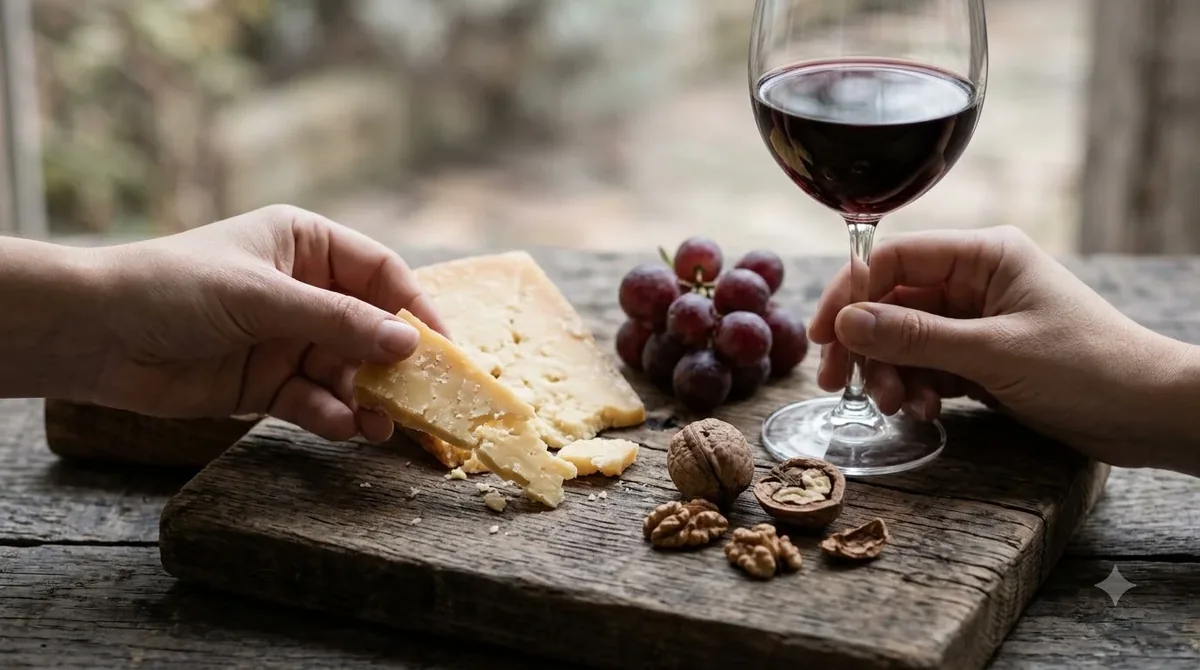
One of its strongest advantages is its recognizable combination of red cherry, plum, blackberry, vanilla, and warm spice. The producer describes aromas of concentrated red cherry and plum with vanilla, mocha, and spice. On the palate, its emphasis is on juicy berries and a smooth texture rather than aggressive tannins or pronounced acidity. These characteristics make it easier to serve at informal gatherings where guests have different levels of wine knowledge.
It is particularly suitable for the following drinkers:
- New red-wine drinkers: The fruit-led flavor and softer structure provide a manageable introduction to Australian Shiraz without demanding advanced knowledge of wine regions or winemaking.
- Fans of ripe fruit: People who enjoy plum, blackberry, cherry, and vanilla flavors are likely to appreciate its general profile.
- Casual dinner hosts: Its pairing potential with grilled steak, burgers, lamb, and pizza makes it useful for familiar meals.
- Everyday wine drinkers: Those looking for a straightforward bottle to open without elaborate preparation may appreciate its uncomplicated presentation.
- People exploring Australian reds: It provides an accessible example of the ripe, fruit-forward Shiraz style associated with Australia.
However, this is not necessarily the right bottle for every red-wine enthusiast. Drinkers who favor lean Pinot Noir, highly structured Cabernet Sauvignon, or savory, pepper-dominated Syrah may find its fruit and vanilla emphasis less appealing. Those looking for pronounced acidity, firm tannins, or layers of mature earthy complexity should consider a different category.
It is also important to distinguish approachable from sophisticated. A wine can be enjoyable without offering extensive aromatic development, a particularly long finish, or a distinctive sense of vineyard origin. Yellow Tail Shiraz focuses more on consistency and accessibility than on displaying subtle differences between individual growing sites.
For additional information about the wider range, the yellow tail shiraz overview provides useful context about the wine and its place within the brand’s red-wine selection.
Key Factors to Compare
The most useful factors for evaluating Yellow Tail Shiraz are its flavor, sweetness, tannin structure, alcohol level, and serving requirements. These details explain why the wine works for some occasions and why it may not satisfy drinkers who prefer a different red-wine style.
| Factor | Typical detail | What it means |
|---|---|---|
| Wine type | Australian Shiraz | Fruit-forward red-wine style |
| Region | South Eastern Australia | Australian regional identity |
| Grape | Shiraz/Syrah | Dark-fruit and spice character |
| Alcohol | 13.5% ABV | Moderate-to-full alcoholic strength |
| Body | Medium-bodied impression | Comfortable weight on the palate |
| Tannins | Soft to moderate | Less drying than a strongly tannic Cabernet |
| Fruit notes | Cherry, plum, blackberry | Ripe, fruit-led flavor profile |
| Additional notes | Vanilla, mocha, spice | Sweet-smelling and warming aromatic character |
| Serving temperature | 60–65°F | Suitable for a full red-wine serving range |
| Standard pour | 5 oz | Approximately five glasses per 750 ml bottle |
Flavor and aroma
The fruit character is the natural starting point. Red cherry and plum are emphasized in the producer’s tasting description, while independent descriptions and community tasting observations also identify blackberry and darker berry flavors. This gives the wine a ripe, familiar character rather than the tart red-fruit profile found in some lighter-bodied reds.
Vanilla, mocha, and spice provide additional aromatic interest. The vanilla and mocha notes can make the wine seem rounder and sweeter in perception, even though its underlying style is dry. These impressions are especially relevant to people who associate sweet-smelling aromas with actual residual sugar.
Wine Diplomacy’s review of the 2020 vintage describes a medium-bodied palate with soft tannins and a round, fruity finish. Its observations provide a useful independent comparison with the producer’s description, although an individual vintage should not be treated as a guarantee that every subsequent bottle will taste identical. The review can be read at Wine Diplomacy’s Yellow Tail Shiraz 2020 review.
Sweetness and acidity
Yellow Tail Shiraz is best understood as a dry red wine with ripe fruit characteristics. Plum, blackberry, and vanilla can create an impression of sweetness, but fruity aromas do not automatically mean that a wine is technically sweet. This distinction matters when comparing it with genuinely sweet red blends or dessert wines.
The producer’s US nutritional information lists 1.10 grams of sugars per 100 ml for Shiraz, based on its published nutritional chart. That figure is useful context, although the sweetness perceived in the glass also depends on acidity, alcohol, fruit concentration, and aromatic characteristics. The producer states that the nutritional chart is based on 2023 vintages, so it should be understood as published product information rather than a laboratory analysis of every bottle sold.
For a closer look at the distinction, see the yellow tail shiraz sugar content explanation.
Alcohol and structure
The producer lists the wine at 13.5% ABV, a level that gives it a noticeable alcoholic presence without placing it among exceptionally high-alcohol reds. The combination of ripe fruit and moderate tannin makes the wine feel relatively approachable.
Alcohol also contributes to the wine’s body and warming sensation. People accustomed to lighter reds around 12% ABV may notice the difference, particularly if the Shiraz is served too warm. For a detailed explanation of the percentage and how it compares with other red-wine styles, the yellow tail shiraz alcohol content guide offers additional context.
Step-by-Step: How to Choose and Enjoy Yellow Tail Shiraz
Choosing and serving this wine does not require complicated equipment or extensive preparation. A few straightforward steps can help preserve its fruit character and make the overall drinking experience more enjoyable.
-
Identify the style you prefer.
Start by considering whether you enjoy ripe plum, cherry, blackberry, and vanilla. If these flavors appeal to you more than sharp acidity, pronounced earthiness, or firm tannins, Yellow Tail Shiraz is a reasonable candidate.
-
Check the bottle information.
Look for Shiraz as the stated variety and South Eastern Australia as the regional description. The producer lists 13.5% ABV for its US Shiraz, which is useful when comparing alcoholic strength with other bottles.
-
Consider the meal.
Think about the main ingredients rather than choosing wine based only on the name of a dish. Grilled beef, lamb burgers, barbecue ribs, and mushroom dishes generally provide better matching opportunities than delicate white fish or lightly seasoned seafood.
-
Prepare the bottle at the correct temperature.
Allow a warm bottle to cool to approximately 60–65°F before serving. If the wine has been stored at a typical warm indoor temperature, placing it in the refrigerator for a short period can help bring it closer to the intended serving range.
-
Use an appropriate glass.
A standard red-wine glass with enough room to swirl the wine is sufficient. There is no requirement for expensive specialist Shiraz glassware to enjoy the fruit and spice characteristics.
-
Pour a moderate serving.
A standard 5 oz pour is a useful reference. A 750 ml bottle provides approximately five such servings, making it relatively straightforward to plan for a small dinner gathering.
-
Evaluate the wine before adding food.
Notice the initial fruit aromas, the texture across the palate, and the finish. Then try it alongside the meal to see how the food changes its perception of tannin, fruit, and acidity.
Tip: Avoid serving Yellow Tail Shiraz too warm. A temperature around 60–65°F helps keep its ripe fruit and alcohol in better balance, while excessive warmth can make the alcoholic sensation more noticeable.
These steps also help establish whether the wine matches your personal preferences. If you find the fruit character appealing but want a more structured finish, exploring other Australian Shiraz wines can be a sensible next step.
Types or Styles Explained
Understanding the broader Shiraz category helps put Yellow Tail’s style into perspective. Although Shiraz and Syrah refer to the same grape variety, wines made from it can differ considerably in fruit intensity, tannin, acidity, and overall weight.
Fruit-forward Australian Shiraz
Yellow Tail belongs to an approachable Australian Shiraz category characterized by ripe fruit, relatively generous flavors, and a smooth presentation. Red cherry, plum, and blackberry are common reference points for this style, while vanilla, mocha, and spice provide further aromatic detail.
This approach is useful for people who want a red wine that does not require extended aeration or careful food selection. The wine’s fruit emphasis makes it suitable for casual occasions, especially meals involving grilled meats, tomato-based sauces, and roasted vegetables.
More structured Australian Shiraz
Other Australian Shiraz wines can be considerably more concentrated and structured. Depending on the producer, vineyard, and winemaking choices, these wines may show firmer tannins, more noticeable pepper, greater concentration, or additional savory characteristics.
Compared with these more structured expressions, Yellow Tail is a more accessible option for drinkers who do not want a particularly demanding red. People who enjoy intense black fruit, firm structure, and a longer finish may prefer to investigate premium regional Shiraz instead.
Cool-climate Syrah
Syrah from cooler growing regions can emphasize fresh acidity, black pepper, violet, and savory aromas. These wines may have less obvious ripe-fruit sweetness and a more restrained presentation than fruit-forward Australian Shiraz.
For example, some Northern Rhône Syrah wines emphasize savory character and structure. This is a useful contrast for consumers who enjoy the grape variety but want something less dominated by ripe plum and vanilla.
How it compares with other common reds
Yellow Tail Shiraz also makes more sense when compared with familiar grape varieties. Cabernet Sauvignon generally has higher tannin, Merlot offers softer and medium-level tannins, and Pinot Noir usually emphasizes higher acidity with lower-to-medium tannin.
Shiraz often occupies a middle ground in terms of body and structure, although individual examples vary substantially. Yellow Tail’s softer presentation makes it especially relevant to drinkers who enjoy the flavor intensity of Shiraz without seeking the firm grip of a particularly tannic Cabernet.
The broader Wine Brands resource can also help readers compare producers and understand how different brands approach familiar grape varieties.
Common Mistakes
The most frequent mistakes with Yellow Tail Shiraz involve misunderstanding sweetness, serving it at the wrong temperature, and pairing it with food that clashes with its tannin and alcohol. Avoiding these errors makes its straightforward style easier to appreciate.
Assuming ripe fruit means sweet wine
Plum, cherry, and blackberry can taste very ripe without making a wine technically sweet. Yellow Tail Shiraz is a dry red, even though its vanilla and mocha aromas can create a softer, sweeter impression.
This distinction is important when selecting wine for people who prefer dry styles. Someone who expects a sweet dessert wine based on the phrase fruit-forward may be surprised by the wine’s actual structure.
Serving it too warm
Red wine is not automatically better at ordinary room temperature. In a warm dining room, the temperature can rise enough to make alcohol more noticeable and reduce the freshness of the fruit aromas.
Serving Yellow Tail Shiraz around 60–65°F provides a more balanced starting point. It is generally easier to allow a slightly cool wine to warm in the glass than to correct a bottle that has become excessively warm.
Pairing it with delicate seafood
Shiraz has more tannin and body than many white wines, which can make it a poor match for delicate fish. Oily fish can also clash with tannic red wines, producing an unpleasant metallic impression.
Choose grilled beef, lamb, or hearty vegetables instead. If seafood is the main course, a high-acidity Sauvignon Blanc or another suitable white wine will usually offer a better match.
Pairing it with very spicy food
Alcohol and tannin can amplify the sensation of chili heat. Consequently, a heavily spiced dish containing lots of fresh chili may make a red wine feel hotter and less balanced.
If serving Yellow Tail Shiraz with spicy food, consider milder barbecue seasoning, savory marinades, and dishes with enough fat to soften the tannin. Avoid assuming that every barbecue sauce or spicy meat preparation will automatically work equally well.
Expecting extensive aging potential
Yellow Tail Shiraz is presented as an approachable wine for relatively immediate enjoyment. It is not necessary to purchase several bottles and leave them in a cellar for years in the expectation of substantial development.
Its fruit-forward character is a central part of its appeal. Long storage does not guarantee better flavor, particularly when a wine is designed around freshness and accessibility rather than extended bottle maturation.
Care and Storage Tips
Proper storage helps preserve the fruit and aromatic qualities of Yellow Tail Shiraz. The most important considerations are temperature stability, protection from light, suitable bottle positioning, and refrigeration after opening.
Before opening
Store an unopened bottle in a cool, dark location with relatively stable conditions. A temperature near 55°F is a useful reference for longer-term wine storage, while avoiding repeated temperature fluctuations is more important than pursuing an exact number in a typical home environment.
Keep bottles away from direct sunlight, heating equipment, and locations that become particularly hot during the afternoon. Kitchen counters, sunny windowsills, and areas close to ovens are generally poor choices for wine storage.
If storing a bottle with a traditional cork, horizontal positioning helps maintain contact between the wine and the cork. A screw-cap bottle does not require this arrangement for cork-moisture reasons, although horizontal storage can still be convenient when organizing a wine collection.
Opening and serving
Yellow Tail Shiraz generally does not require an elaborate decanting routine. Open the bottle shortly before serving, pour a small amount into a glass, and allow the aromas to develop naturally.
Young, particularly full-bodied red wines can benefit from 30–60 minutes of decanting, but that is not a universal requirement. For this approachable Shiraz, a short period in the glass is usually a practical starting point.
Use clean glassware and avoid strong household odors around the serving area. Perfumes, scented candles, and heavily fragranced cleaning products can interfere with the ability to recognize fruit and spice aromas.
After opening
Replace the closure securely and refrigerate the remaining wine. Even red wine benefits from refrigeration after opening because cooler temperatures slow the oxidation process.
A reasonable general guideline for opened still wine is approximately three to five days in the refrigerator, although the exact period depends on storage conditions and the wine’s condition when opened. Yellow Tail Shiraz may gradually lose fresh fruit aromas and become flatter as oxygen exposure continues.
Before serving the remaining wine, remove it from the refrigerator briefly and allow it to approach the desired 60–65°F range. If the wine smells noticeably stale or tastes unusually flat, its best drinking window may have passed.
Recognizing natural sediment
Small amounts of sediment do not necessarily indicate a problem. The producer explains that tannins and fruit color can settle out of suspension as wine ages, leaving dark particles in the bottle.
For an ordinary bottle intended for immediate enjoyment, sediment is unlikely to be a major concern. Pour carefully if visible particles have accumulated at the bottom, leaving the final portion behind when necessary.
Frequently Asked Questions
These additional details address practical questions about the wine’s production, ingredients, and everyday use. They also help clarify points that are not always obvious from a tasting description.
Is Yellow Tail Shiraz made from 100% Shiraz grapes?
The wine is identified as Shiraz by the producer and Vivino, but the publicly available US product description does not specify an exact grape-blending percentage. The safest interpretation is to identify it by its stated Shiraz variety rather than assume a precise composition. Wine-labeling requirements and regional rules can also affect how varietal percentages are presented.
Does Yellow Tail Shiraz contain sulfites?
Vivino identifies sulfites as an allergen in this wine. The producer also explains that sulfur dioxide is used as a preservative in its wines to help maintain freshness. Consumers who need detailed ingredient or allergen information should consult the relevant product labeling and the producer’s official information.
Does Yellow Tail Shiraz need to breathe after opening?
It does not generally require a lengthy aeration period. A few minutes in the glass can allow the fruit and spice aromas to become more apparent. If the first pour seems muted, give it approximately 10–15 minutes before deciding whether additional aeration is useful.
Can Yellow Tail Shiraz be used for mulled wine?
Yes, its ripe fruit, vanilla, and spice characteristics make it a reasonable starting point for mulled wine. Traditional preparations commonly combine red wine with citrus, cinnamon, cloves, and other warming spices. Heat the mixture gently rather than allowing it to boil, which can drive off alcohol and reduce aromatic freshness.
Is Yellow Tail Shiraz suitable for a non-vintage wine collection?
The producer explains that wines without a stated vintage year are non-vintage blends made using more than one vintage. Its stated purpose for this approach is to maintain a consistent style between releases. For collectors seeking clearly identified vintage differences, a bottle with an explicitly stated year is a more useful choice.
Yellow Tail Shiraz is a sensible choice for drinkers who enjoy approachable Australian reds with ripe cherry, plum, vanilla, and spice flavors. Its 13.5% ABV, relatively soft tannins, and food-friendly style make it particularly useful for steak dinners, burgers, barbecue, and relaxed gatherings. It is not designed to compete with highly complex cellar wines, but its straightforward character is exactly what makes it appealing to people seeking an uncomplicated everyday Shiraz.
More in Wine Brands
 Louis Latour Wine Price: Compare Bottles by Style and TierUpdated Nov 20, 2026
 Yellow Tail Moscato Price: What to Expect Before You BuyUpdated Nov 20, 2026
 Sutter Home Sweet Red Review: Find the Right Food PairingsUpdated Nov 20, 2026
 Franzia Chillable Red Review: Find the Right Serving StyleUpdated Nov 20, 2026
 Veuve Clicquot Rose Review: Flavor, Food Pairings and Buying AdviceUpdated Nov 20, 2026
 Rombauer Wine Price: Compare Bottles Before You BuyUpdated Nov 20, 2026