

We may earn a commission when you buy through links on this page, at no extra cost to you. Learn more.
Woodinville vineyards are mostly tasting rooms rather than working farms, and that is what makes the area unusual. Woodinville sits in the Sammamish River Valley about 30 minutes from downtown Seattle, and the local wine-country guide counts more than 130 wineries and tasting rooms from across Washington. Most producers here source their fruit from vineyards in other parts of the state, so visitors taste a wide range of regional wines in one walkable area. This guide explains how the area works, where the grapes come from, and how to plan a day among the wineries.
If you live in or near Seattle, Woodinville is the closest major wine destination, and it is easy to reach for a single day. The area is different from the classic wine valleys that most people picture, because the wine is often made elsewhere and the tasting happens here.
Where Woodinville Sits and What It Looks Like
Woodinville is a small town in the Sammamish River Valley, and its wine scene grew up around the valley’s quiet roads and open farmland. According to the Woodinville Wine Country visitor site, the town is just 30 minutes from downtown Seattle, which makes it a practical day trip rather than a long weekend drive.
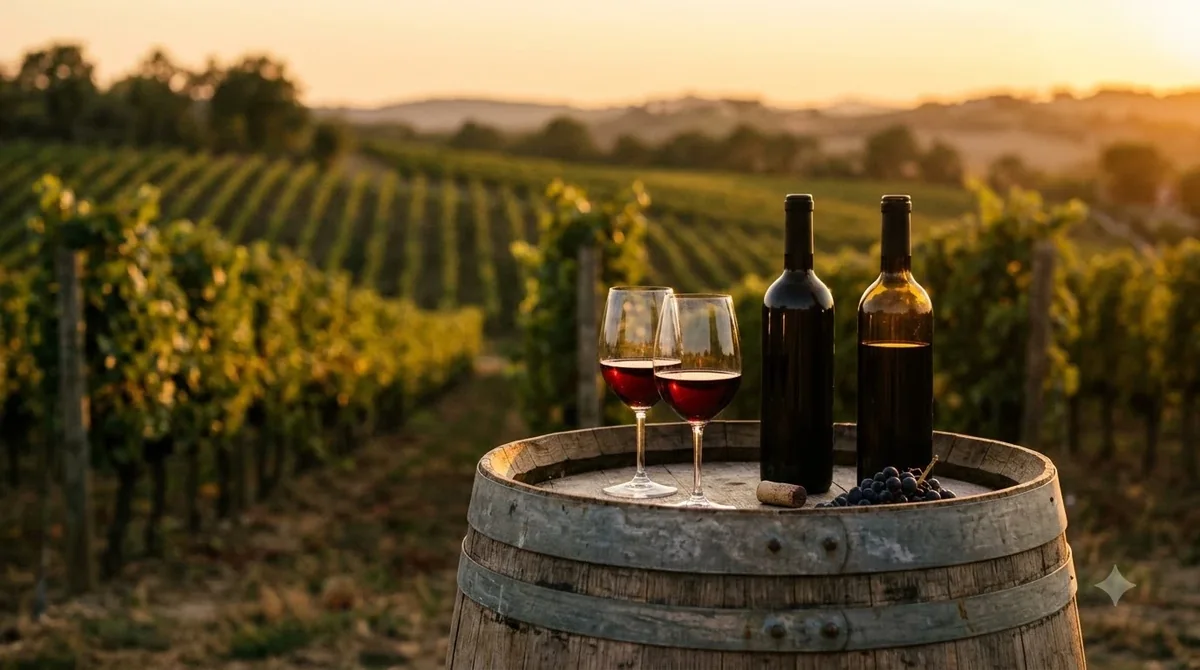
The valley is also known for its farm produce. The visitor site describes the Sammamish River Valley as a source of fresh, locally grown produce, and many area restaurants and wineries build their menus around it. That combination means a tasting day can include a proper meal, not just a few pours between stops.
Visitors often combine a tasting day with a walk along the river trail, a farm-to-table lunch, or a stop at a local shop. Those additions make the day feel full even with only three or four tastings, and they spread the pace out so the wine is never rushed.
The valley’s geography also shapes how people visit. Many tasting rooms are close together, so you can walk or take short drives between several stops. For those who prefer exercise, the Sammamish Valley River Trail runs for 10.1 miles and passes through neighboring cities, which gives walkers, cyclists, and runners another way to see the area.
Woodinville at a Glance
A few numbers help set expectations before you plan a route. The table below summarizes the core facts that visitors ask about most, using figures from the local wine-country guide.
| Feature | What to know |
|---|---|
| Number of wineries | More than 130 wineries and tasting rooms, per the local guide |
| Distance from Seattle | About 30 minutes to downtown Seattle |
| Valley | Sammamish River Valley |
| Walking and cycling route | Sammamish Valley River Trail, 10.1 miles |
| Where the big vineyards are | Farther east, in the Yakima and Walla Walla valleys |
These figures give a useful picture of the area: a dense cluster of tasting rooms close to a major city, with the large growing regions a few hours away. The gap between the two is the key to understanding Woodinville.
Where the Grapes Come From
Most Woodinville wineries do not grow all of their fruit on site, and that is the main difference between this area and a traditional estate valley. The local guide says producers source fruit from all corners of the state, which lets winemakers work with a range of climates and soils without owning land in each one.
The state’s largest vineyards are farther east. The local guide points to the Yakima and Walla Walla valleys as the places where Washington’s biggest plantings sit. Winemakers in Woodinville often blend or bottle wines from several of these areas, so a single winery can offer a range of styles under one roof.
Because the sourcing is spread across regions, a wine labeled as Washington can reflect fruit from several vineyards. Reading the back label or asking staff for the vineyard source is the simplest way to learn what is in the glass, and it makes the tasting day more rewarding.
For a visitor, the practical takeaway is that the tasting menu reflects a statewide picture. One winery may pour a wine from a warm eastern vineyard and another may pour a cooler-climate bottle, and comparing them side by side is one of the easiest ways to learn about Washington’s regional differences. For a comparison with another tasting-focused area, the Fredericksburg vineyards guide covers a different part of the country.
Tasting Rooms Versus Working Vineyards
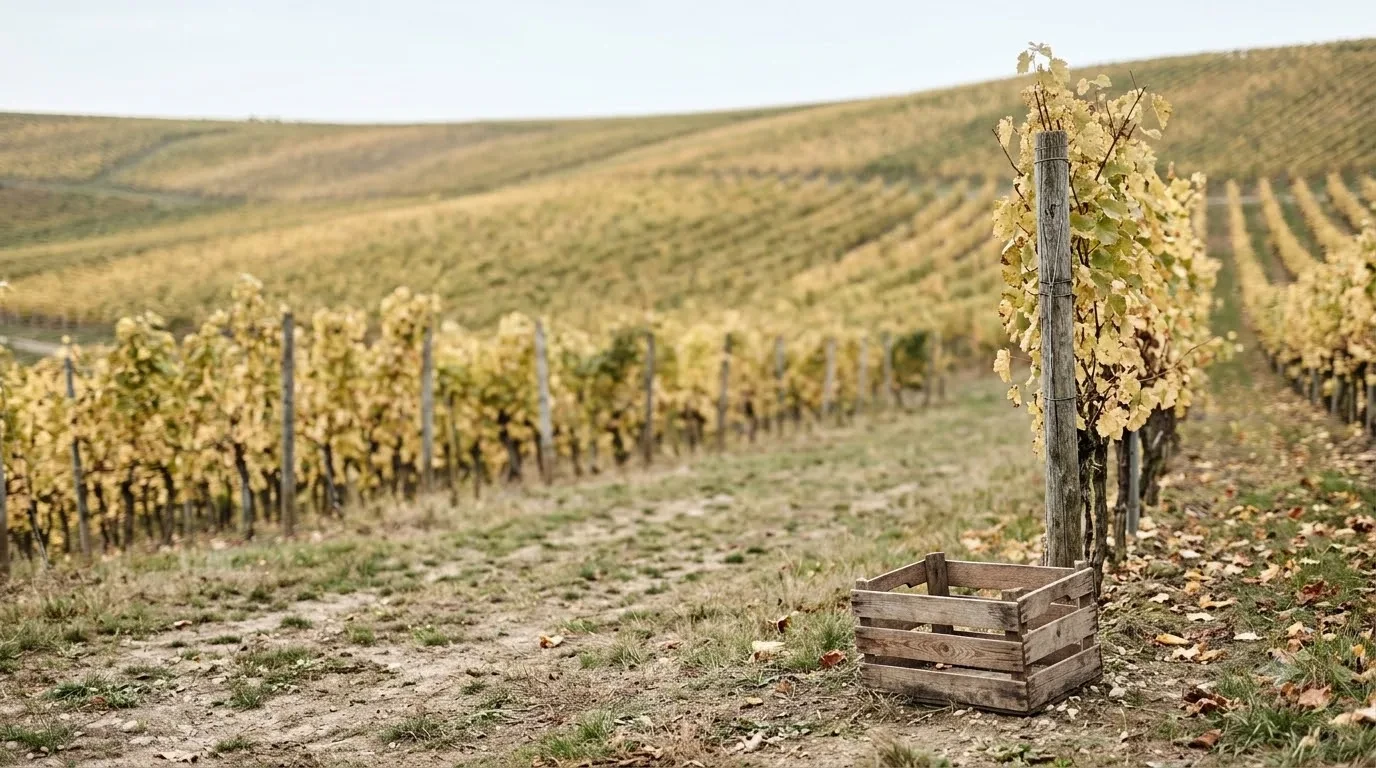
Many visitors expect to see vines when they arrive, but most of the time they will see tasting rooms, patios, and production facilities. That is normal for this area. The wine is made and bottled from fruit grown across the state, and the tasting room is where the story is told.
If you want to see vines, plan a separate trip to the eastern growing regions. Those vineyards are much larger and farther away, and they give a clearer picture of how the grapes grow. In Woodinville, the emphasis is on tasting, learning about different wines, and spending time in a relaxed setting close to the city.
A useful habit is to ask for a comparison. Request two wines of the same variety from different regions and note how the fruit, texture, and acidity change between them. That exercise makes the statewide sourcing model easy to understand without memorizing a long list of appellations.
Tasting rooms here often run as small, local businesses, so staff can be a good source of information. Ask what the winemaker chose to source from which region, what the wine was blended with, and which bottles suit a particular meal. Those conversations tend to be more useful than a long list of names.
Planning a Day Among the Wineries
A day in Woodinville is easiest when it is planned around a small number of stops. Choose three or four tasting rooms that are close together, check their hours, and book ahead where a room asks for reservations. Because the rooms are concentrated, you can cover more ground than in a rural valley, but a rushed route still leaves little time to enjoy the wine.
Start the day at the least crowded room on your list rather than the most famous one, so the later stops are less rushed. Keep the plan flexible, since a winery with a good conversation may deserve more time than the schedule allowed.
Think about transportation before the day starts. A designated driver, a rideshare, or a guided tour is a sensible choice, and many visitors prefer a guided tour because it removes the planning and keeps the group together. Pace the tastings, use spit cups when they are offered, and eat a proper meal during the day. Responsible drinking makes the whole outing more enjoyable.
Lodging can be harder to find right in town because the area is popular. Some visitors stay in Seattle and drive out for the day, which is easy given the 30-minute distance. Others plan a longer visit and book a room in the nearby area well in advance, especially during busy weekends.
Frequently Asked Questions
How many wineries are in Woodinville?
The local wine-country guide counts more than 130 wineries and tasting rooms in the area. Because new rooms open and some close, check current listings before you plan your route.
Are the grapes in Woodinville grown locally?
Most producers source their fruit from vineyards across Washington rather than growing everything in Woodinville itself. The largest vineyards are in the Yakima and Walla Walla valleys farther east.
How far is Woodinville from Seattle?
The local visitor guide puts Woodinville about 30 minutes from downtown Seattle, which makes it a practical day trip. Allow extra time on busy weekends and when driving between several tasting rooms.
Is Woodinville good for a first wine tour?
Yes, because the tasting rooms are close together and the area is easy to reach. Choose three or four stops, plan a designated driver or guided tour, and ask staff which bottles suit your taste.
A day in Woodinville works best with a small plan, a designated driver, and a few well-chosen tasting rooms. For more context on how different wine areas compare, the Wine Regions guide is a helpful next read.
More in Wine Regions
 Willcox Wine Trail: Discover Arizona’s High-Elevation Wine CountryUpdated Nov 20, 2026
 Yakima Valley Wine Region: Find the Best Styles to TryUpdated Nov 20, 2026
 Vosne Romanee Wine Tasting: Identify Aromas and Choose Better PairingsUpdated Nov 20, 2026
 Yakima Valley Wine Festival: Find the Best Seasonal Wine EventsUpdated Nov 20, 2026
 Wales Vineyards: Discover Cool-Climate Wines and Where to VisitUpdated Nov 20, 2026
 Yountville Wine Festival: Discover Napa Wines and Local FoodUpdated Nov 20, 2026