

We may earn a commission when you buy through links on this page, at no extra cost to you. Learn more.
Wine storage humidity should generally stay around 60% to 70% relative humidity for a collection sealed with natural cork. This target helps balance the risk of excessively dry air against the mold and label damage associated with persistent dampness. A broader range of approximately 50% to 75% is generally workable for long-term storage, while sustained readings above 80% deserve attention. Humidity is only one part of proper storage: stable temperature, darkness, and limited vibration also help protect wine as it ages.
Temperature often gets the most attention in wine storage, but the moisture in the surrounding air matters too. Natural cork closures are the main reason collectors monitor humidity, particularly when bottles will remain in a cellar or wine refrigerator for several years. The goal is not to create a wet environment. It is to maintain a steady climate that protects closures, preserves labels, and avoids unnecessary moisture buildup. A few straightforward measurements and maintenance habits can help achieve that balance in a basement, dedicated cellar, or home wine fridge. For the broader storage setup, begin with these fundamentals of how to store wine at home.
The Right Humidity Range for a Home Wine Cellar
A practical target for wine storage humidity is 60% to 70% relative humidity, with 50% to 75% serving as a reasonable broader operating range. Recommendations vary among wine-storage specialists, so consistency within a sensible range matters more than chasing a single perfect reading.
The published recommendations are not identical. Decanter cellar-storage specialist Sebastian Riley-Smith recommends 65% to 70% for fine wine, while Wine Enthusiast recommends 50% to 75% for long-term storage. Liebherr gives a wider general range of 50% to 80% for corked bottles. These recommendations reflect different approaches to balancing cork preservation, cellar maintenance, and the risk of excessive dampness. They do not mean every cellar needs to be adjusted to the same decimal-point reading. Aiming for the middle, around 65%, is a sensible household starting point. The specialist advice appears in Decanter’s explanation of ideal wine-cellar humidity.
The practical limits are easier to interpret than the different target recommendations. Below 50%, prolonged dry conditions can become a concern for natural cork closures. Between 50% and 75%, most home storage environments fall within the ranges recommended by Wine Enthusiast and other storage specialists. At 80% or higher, especially when the reading stays there and condensation or visible moisture appears, the cellar needs investigation. The issue is not one isolated reading after a rainy day; it is a persistent pattern that suggests the storage space is holding too much moisture.
The table below translates those recommendations into everyday decisions. It is a practical guide rather than a set of absolute boundaries: a cellar that fluctuates slightly around its target is not automatically a problem, but repeated readings outside the broader range deserve attention.
| Relative humidity | Practical interpretation | What to do |
|---|---|---|
| Below 50% | Below the recommended range for corked bottles | Check the sensor, drafts, and cellar conditions. |
| 50%–59% | Within the lower part of the general acceptable range | Maintain stable conditions and watch for downward trends. |
| 60%–70% | Practical target for many home cellars | Keep the environment steady. |
| 71%–75% | Upper part of a commonly recommended long-term range | Watch for condensation, damp surfaces, and label deterioration. |
| 76%–80% | High humidity that merits closer observation | Inspect air circulation and signs of moisture buildup. |
| Above 80% | Persistent excess moisture can encourage mold and label damage | Investigate the source and reduce excess humidity. |
What Dry Air Can Do to Natural Cork Closures
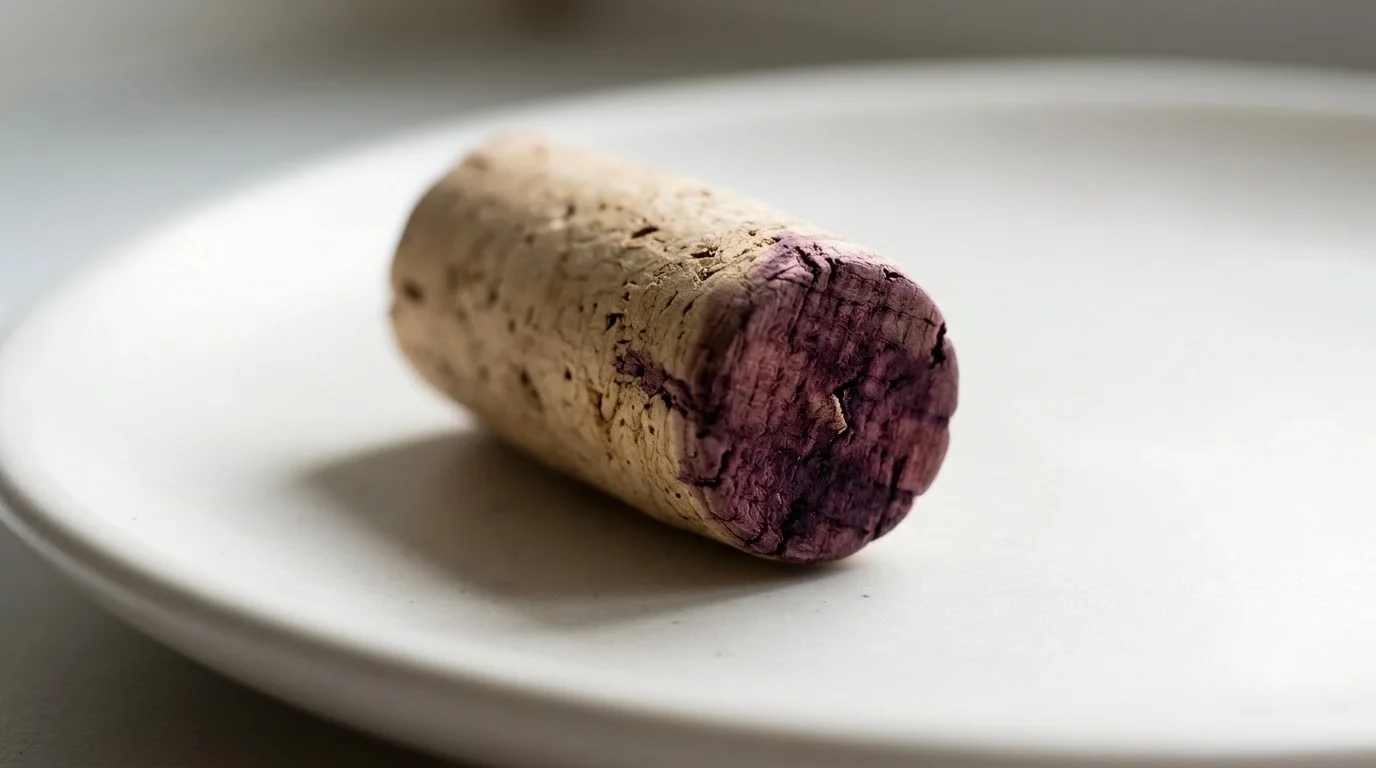
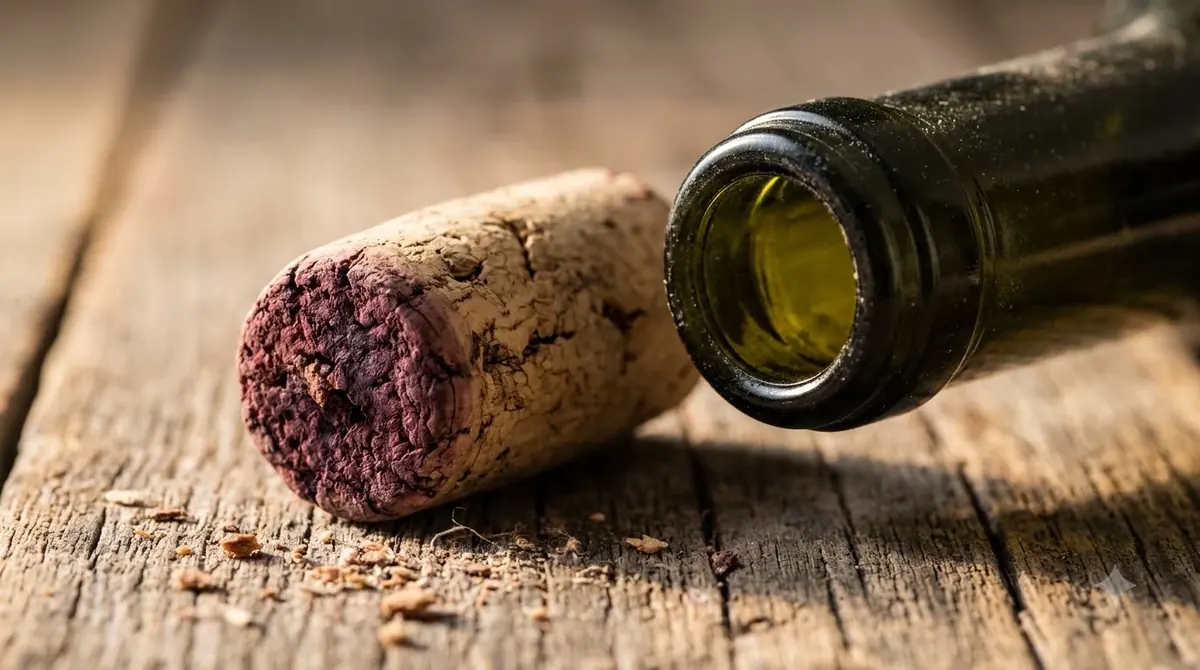
Dry conditions are most relevant for bottles sealed with natural cork, especially those being kept for years rather than a few weeks. When relative humidity stays below 50% for an extended period, the surrounding environment may contribute to cork drying and shrinkage, potentially weakening the closure and increasing the risk of air entering the bottle.
Oxygen is part of wine’s gradual development, but uncontrolled exposure is different from the slow maturation that occurs in a properly sealed bottle. Excess oxygen can accelerate oxidation, dull fresh fruit aromas, and change the wine’s color and flavor. A compromised closure can also allow wine to leak, leaving a sticky bottle or a stain around the capsule. Those signs deserve attention, although a single imperfect-looking cork does not prove that the wine inside has been damaged.
Horizontal storage is a useful part of the traditional approach because it keeps wine in contact with a natural cork. Wine Enthusiast notes that lying bottles on their sides can keep corks moist enough for a couple of years, but it also points out that consistent humidity becomes more important for longer aging. Liebherr, meanwhile, notes that the benefit of horizontal storage for cork moisture has not been scientifically proven. Bottle position is therefore not a complete substitute for monitoring the cellar. A collection intended to mature for five or ten years needs more consistent environmental control than a small group of bottles being held for an upcoming dinner.
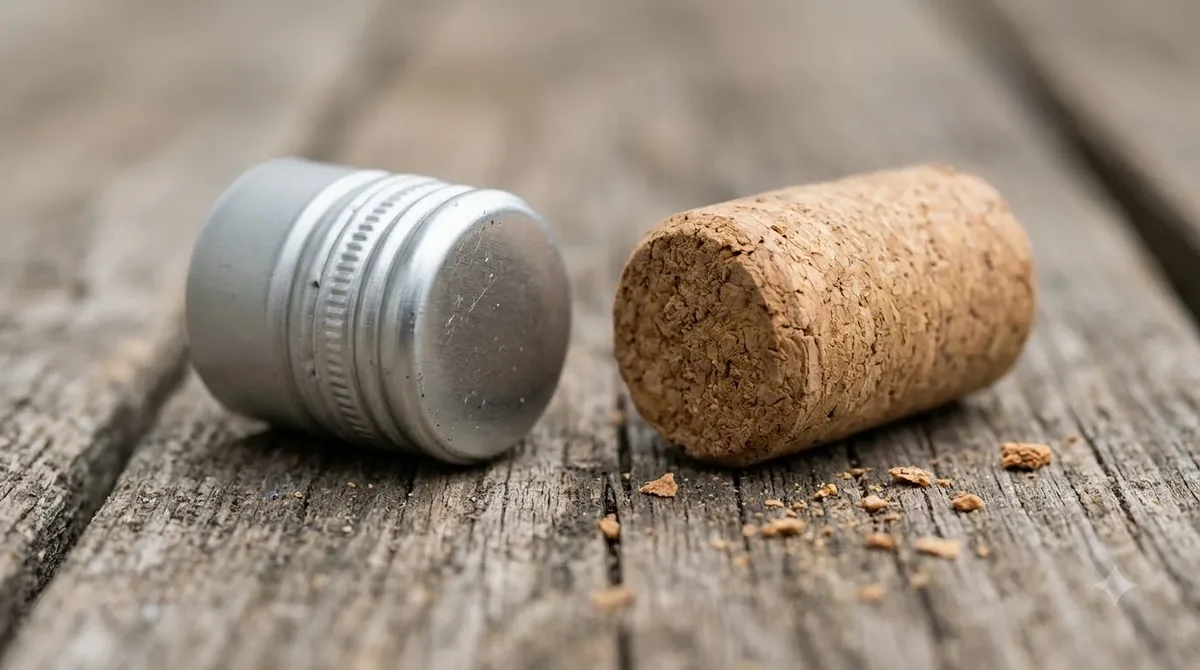
Closure type also changes the importance of humidity. Natural cork is the main reason collectors pay attention to the moisture in cellar air. Screw caps and many synthetic closures do not depend on the same natural-cork structure, so dry air is less of a cork-drying concern for those bottles. They still need appropriate temperature, light protection, and a stable environment, however. A cellar containing a mixture of cork-finished and screw-cap wines should be managed for the natural-cork bottles without overlooking the rest of the collection.
How Excessive Humidity Affects Labels and Cellar Surfaces
High humidity is not automatically beneficial to wine. Once a cellar remains above roughly 80% relative humidity, particularly when condensation or standing water is present for several weeks, mold, mildew, damaged labels, and deteriorating storage materials become more likely.
Paper labels absorb moisture, and adhesive can weaken in persistently damp conditions. A label may wrinkle, discolor, loosen, or fall away even when the wine itself remains properly sealed. This matters for anyone who keeps bottles as gifts, maintains a catalogued collection, or wants to identify vintages and producers easily. Cardboard cases can also soften or deteriorate in a damp room, while wooden shelving and nearby walls may show signs of persistent moisture. A cellar does not have to look perfectly dry, but wet patches and a musty smell that returns after cleaning are reasons to investigate.
Mold can develop on cellar walls, shelving, bottle exteriors, and parts of a refrigeration cabinet. It is important to distinguish exterior growth from a problem inside a sealed bottle. Mold on the outside does not automatically mean the wine inside has been affected. Surface growth is still a reason to clean carefully and find out why the area is staying damp. Removing visible mold without addressing the source of moisture may only provide a temporary improvement.
Begin by looking for the source rather than simply wiping away the visible mark. Check for condensation on cold surfaces, water collecting beneath a cooling unit, blocked drainage, damp cardboard, and moisture entering from a basement wall or floor. A cellar can have a reasonable average humidity reading while one poorly ventilated corner stays much wetter. If moisture keeps returning after cleaning, treat it as a cellar-condition problem rather than a cosmetic issue. Reducing humidity without addressing a leak or drainage fault may only hide the underlying cause for a short time.
How to Measure Wine Storage Humidity Accurately
A reliable hygrometer gives a much clearer picture than judging a cellar by touch or appearance. Measure relative humidity inside the actual storage area, at bottle height, and take readings over several days before making major adjustments.
A digital thermometer-hygrometer is a practical choice for a home cellar or wine refrigerator. It measures relative humidity and temperature together, allowing the owner to see whether a change in the room’s climate is happening alongside a temperature change. Place the sensor where the bottles are stored rather than directly beside a door, cooling outlet, humidifier, or exterior wall. Those locations may experience conditions that do not represent the environment surrounding most of the collection. In a larger cellar, a second sensor can help reveal whether one end of the room is consistently wetter or drier than the other.
Record readings at regular intervals for at least seven days before deciding that the cellar needs equipment changes. Note the humidity, temperature, and any visible conditions such as condensation or damp shelves. A single reading after opening a cellar door or during a rainy afternoon may not represent the usual environment. A simple record helps distinguish a temporary fluctuation from a persistent pattern. It also gives useful context if a wine refrigerator needs inspection or if a cellar contractor is asked to diagnose an ongoing problem.
Check that the hygrometer is operating properly before acting on an unexpected number. Compare its reading with a second instrument when possible, and follow the manufacturer’s instructions for calibration or replacement. Keep the device away from direct contact with water and avoid placing it against a cold metal surface. For a wine refrigerator, measure inside the cabinet rather than relying solely on a room sensor: the temperature and moisture conditions inside the appliance may differ from those outside it. Repeating measurements in the same location makes comparisons more useful over time.
How to Correct Low or High Humidity Safely
Make adjustments gradually and investigate the cause of the reading before adding equipment. A persistent reading below 50% or above 80% calls for a different response, and the correct approach depends on whether the problem is in the cellar room or inside a wine refrigerator.
For a cellar that is consistently too dry, start by checking for drafts, gaps around the door, and excessive air exchange. Confirm that the hygrometer is accurate and that the storage area is not being affected by an unusually dry heating system. If the room still falls below the desired range, a cellar humidifier or a humidity-control system designed for wine storage may help. Some storage guidance also identifies water trays as an option, but they should only be used where appropriate for the room and equipment. Standing water that is left unattended can create the very moisture problem the cellar owner is trying to avoid.
When humidity is too high, look for water accumulation, condensation, blocked drainage tubes, and visible signs of moisture entering the storage area. A room dehumidifier may be helpful when the entire basement or cellar remains damp. In a wine refrigerator, follow the appliance manufacturer’s instructions rather than placing a generic dehumidifier or open container inside the cabinet. If the appliance has a humidity-control setting, use the recommended operating range for that model rather than assuming every wine cabinet works the same way.
Appliance maintenance is particularly important when the humidity problem appears alongside unusual cooling performance. Check door seals, ventilation clearance, drainage, and the manufacturer’s maintenance guidance before assuming that the humidity sensor or compressor has failed. Restricted airflow can affect how a unit operates. For a refrigerator that is also failing to maintain its temperature, the troubleshooting advice for an Allavino wine fridge not cooling can help separate a cooling issue from a humidity-management issue.
Do not make large changes to several settings at once. Adjust one factor, give the storage environment time to settle, and measure again. This makes it easier to tell whether a humidifier, dehumidifier, door-seal repair, or drainage correction has helped. When a cooling appliance continues to show abnormal readings, Allavino wine fridge repair information may be relevant before replacing parts or attempting work on the refrigeration system. Electrical and refrigeration repairs should follow the manufacturer’s service guidance.
Tip: Aim for roughly 65% relative humidity, then focus on consistency. Check the sensor, visible moisture, and temperature together before changing equipment settings. A stable cellar within the broader 50%–75% range is generally a better outcome than repeated adjustments in pursuit of one exact percentage.
Why Temperature, Darkness, and Bottle Position Still Matter
Humidity protects one part of the storage environment, but it cannot compensate for unsuitable temperature or excessive light. For long-term storage, a stable temperature around 55°F is a useful target, and bottles should remain in a dark, quiet place with limited vibration.
Wine Enthusiast recommends 53°F to 57°F for storing red, white, sparkling, and fortified wines. Liebherr recommends a stable temperature of 10°C to 12°C, which is approximately 50°F to 54°F. The recommendations are close enough to make the practical priority clear: avoid repeated warming and cooling, and keep the collection away from hot rooms and direct sunlight. A cellar that holds humidity at 65% but regularly heats up to summer room temperatures is not providing good long-term storage. Temperature stability matters for every wine type, not just expensive reds.
For more guidance on the broader climate, including the differences between storing and serving temperatures, see Wine Storage & Serving Temps. Serving temperature is not the same as cellar temperature. A red wine that may be served at 60°F to 65°F or a white wine served colder can still be stored in a steady cellar near 55°F. A wine refrigerator designed for storage should not be adjusted every time a bottle is selected for a meal. Allow the bottle to warm or chill toward its serving temperature outside the long-term storage setting.
Keep bottles away from direct sunlight, strong household odors, and regular movement. Ultraviolet light can affect wine’s aroma and structure, while odors from paint, cleaning products, smoke, or food may be undesirable in a storage area. Vibration is another concern for bottles kept for long periods. A shelf near a washing machine, a frequently opened utility cupboard, or a heating appliance is less suitable than a quiet, stable location. Store natural-cork bottles horizontally when appropriate so the wine remains in contact with the cork; screw-cap bottles do not need the same positioning for cork-moisture reasons.
A dedicated wine refrigerator can simplify storage by maintaining a controlled environment, but it still needs suitable installation and routine care. Some wine refrigerators have as many as three independently adjustable temperature zones, with settings that vary by model. A single-zone cabinet is often a straightforward choice for a collection intended to age at one steady temperature, while multiple zones can separate storage from bottles being prepared for service. Record both temperature and humidity so that a gradual change can be spotted before it affects the collection. A controlled storage environment is more useful than a focus on humidity alone.
Frequently Asked Questions
These questions address less obvious cellar situations, including how to verify a hygrometer and what to do when conditions change. A simple salt-test check, which uses a reading near 75% relative humidity, can help identify a sensor that needs calibration.
Can I check my hygrometer with an ordinary household item?
A sealed-container salt test can provide a rough reference point for a hygrometer. A small amount of table salt moistened into a paste and placed in a sealed container with the sensor can create an environment close to 75% relative humidity at room temperature. Keep the sensor above the salt rather than letting it touch the mixture, and follow the instrument maker’s calibration instructions before making an adjustment.
Can humidity readings differ between cellar shelves?
Yes, readings can vary with air movement, temperature, and the location of exterior walls or cooling equipment. A sensor near the floor may not give the same result as one near the top rack. For a cellar with several levels of shelving, compare readings at the heights where bottles are stored before deciding where to make an adjustment.
Should I spray water onto a natural cork to prevent it from drying?
No. Spraying or soaking the exposed neck of a bottle does not provide reliable control over the cork’s moisture condition inside the closure. It can also leave water around the capsule and label. Manage the surrounding storage environment instead of trying to treat individual bottle closures.
Does a damp wine label always mean the bottle is leaking?
No. Condensation or high room humidity can affect paper and adhesive without any wine escaping from the bottle. Look for sticky residue, wine staining around the capsule, or other signs of seepage before assuming the closure has failed. A damp label alone is not conclusive evidence of a leak.
Can opening the cellar door briefly cause a harmful humidity spike?
A brief change after opening the door is generally less concerning than humidity that remains outside the preferred range for an extended period. The incoming air may temporarily change both temperature and relative humidity, especially during a humid season. Let the storage environment settle and compare the reading with the cellar’s normal pattern before changing equipment settings.
For most home collections, a steady 60%–70% relative humidity target provides a practical starting point, with 50%–75% serving as a useful broader range. Measure conditions where the bottles are stored, inspect the cellar for signs of excess moisture, and keep temperature and light under control. Consistent care is more useful than chasing a perfect humidity number.
More in Storage & Fridge Care
 How Long Can You Store Wine in a Wine Fridge? Protect Bottle QualityUpdated Nov 20, 2026
 Can You Store Beer in a Wine Fridge? Keep Both Drinks FreshUpdated Nov 20, 2026
 Is It Worth Repairing a Wine Fridge? Spot the Cheap Fixes Before You ReplaceUpdated Nov 20, 2026
 Wine Fridge Condensation: Identify Causes and Fix Moisture ProblemsUpdated Nov 20, 2026
 Wine Fridge Too Cold: Protect Your Wine and Fix the TemperatureUpdated Nov 20, 2026
 How to Reset Wine Fridge: Restore Cooling and SettingsUpdated Nov 20, 2026