

We may earn a commission when you buy through links on this page, at no extra cost to you. Learn more.
The best wine purifier reviews come down to matching the device type to how you drink: pour-through filters suit a single glass, pitcher-style units suit a shared bottle, and compact pour devices suit travel or a small kitchen. Sulfites are a preservative that occur in nearly all wines, so any purifier is a personal choice rather than a required accessory. Compare the filter design, how many pours one cartridge covers, and how easy the unit is to clean.
Wine purifiers sit in a crowded accessories shelf, and the claims on the packaging can sound alike. This guide sorts them by use case, so you can see which kind of device fits your habits before you read a single product page. It also explains what the sulfite background means for buyers who are thinking about filters.
Quick Comparison
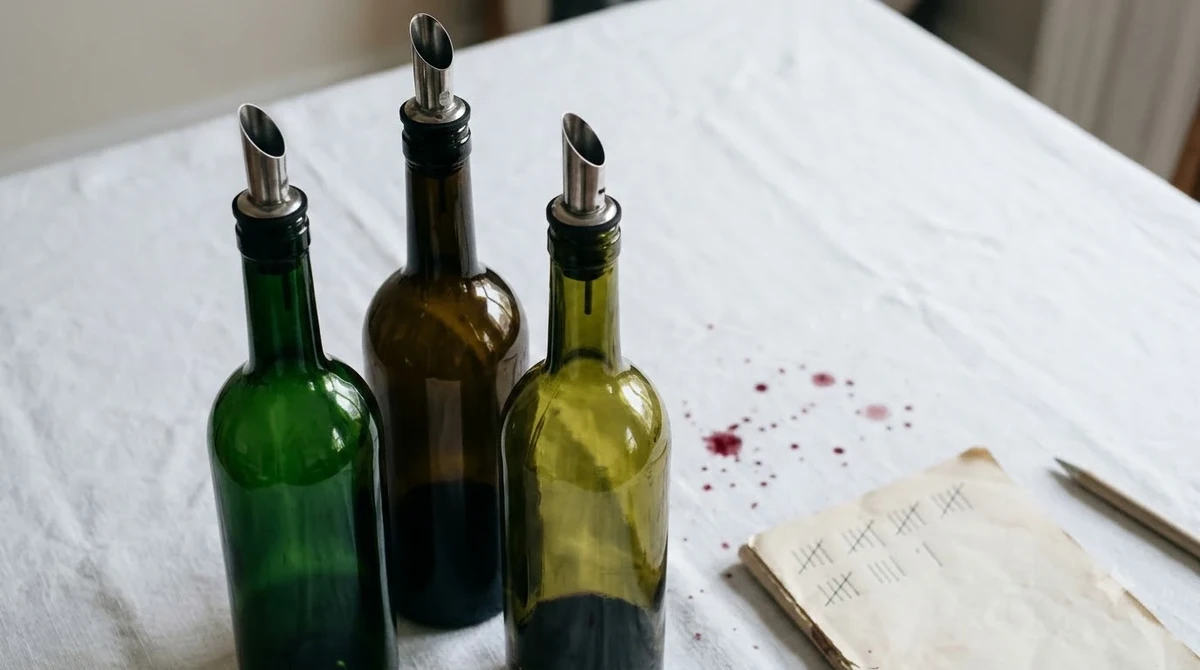
Most purifiers fall into three broad groups. Pour-through devices sit over a glass and filter as you pour. Pitcher-style units hold a larger volume and let you filter a full bottle before serving. Compact travel devices are small enough to carry in a bag. Each type trades capacity against convenience, and the table below shows where each one tends to fit.
| Device type | Best use | Capacity | Cleaning effort |
|---|---|---|---|
| Pour-through filter | One glass at a time | Single pour per cartridge | Low, rinse the filter |
| Pitcher-style unit | Filtering a full bottle for a table | Full bottle or more | Medium, several parts to wash |
| Compact travel device | Hotels, picnics, and trips | Small pour volume | Low, but small parts are easy to lose |
Best for Pour-Through Filters on a Single Glass
A pour-through filter is the most direct design. You set it over one glass, pour the wine through the filter medium, and drink. It suits someone who opens a bottle for one or two people and wants to filter only what is in the glass. The main trade-off is cartridge life, since each filter handles a limited number of pours before it needs replacing.
Pour-through designs also suit people who want to decide per glass. You might filter the first glass from a new bottle and leave the rest unfiltered, or switch between bottles on the same evening without washing anything. That flexibility is harder to match with a larger unit that must be emptied and rinsed before the next bottle.
Why it stands out: the setup takes seconds, and nothing else on the counter needs to change. Keep in mind: check how many pours one cartridge is rated for, and factor the replacement cost into your plan. Best for: solo drinkers and couples who open one bottle at a time.
Best for Pitcher-Style Units at the Table
Pitcher-style units hold a larger volume, so they suit a dinner where several people share one bottle. You pour the wine into the top chamber, and it runs through the filter into the base. The extra volume helps, but the unit takes up more room in the cupboard and needs more washing afterward.
Pitcher designs also reward planning. Filter the bottle ahead of the meal so the wine is ready when guests sit down. Pour off a small amount to check the flow before serving, because a fresh filter moves wine more slowly than a used one, and that difference can surprise hosts who expect a quick pour.
Why it stands out: one fill serves a whole table. Keep in mind: the parts are more numerous, so plan a few minutes for rinsing after each use. Best for: hosts who regularly serve wine to guests.
Best for Home Bars With Several Bottles Open
A home bar with several bottles open at once benefits from a device that is quick to set up and easy to store between pours. Filters in this group usually fit a standard countertop routine, and they hold up to regular use without much fuss. The useful question is how the unit handles changing bottles through an evening.
Why it stands out: it fits into a busy routine without slowing service. Keep in mind: keep spare cartridges on hand, since running out mid-evening is the most common frustration. Best for: people who keep a rotating set of bottles and want a steady workflow.
Best for Travel and Small Kitchens
Compact devices are built to be carried. They work well in a hotel room, on a picnic, or in a kitchen with very little counter space. Their small size is the main advantage, though the smaller filter area means you should expect a slower pour and fewer glasses per cartridge.
Why it stands out: it goes almost anywhere. Keep in mind: small parts are easy to misplace, so store them together in the case. Best for: frequent travelers and apartment dwellers who have little storage.
Best for Budget-Minded Buyers With a Simple Setup
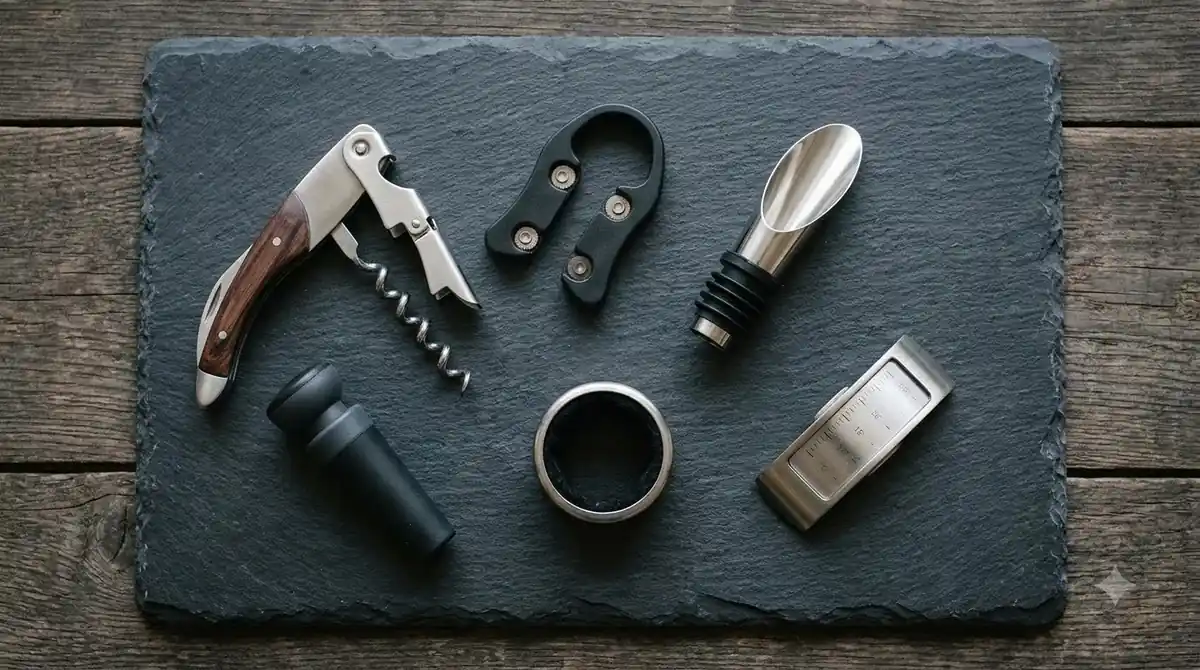
A simple, low-cost unit makes sense if you want to try filtering before committing to a larger system. These devices have fewer features, so the setup is quick and the cleaning is minimal. They rarely include extras, and the filter medium is usually the part that needs the most attention over time.
Why it stands out: a low entry point makes it easy to test whether filtering fits your habits. Keep in mind: basic models may not have the capacity you need for larger gatherings. Best for: buyers who want a starting point before choosing a more involved device.
How to Choose
Start by counting the glasses you pour in a typical week, and note whether you usually drink alone or with others. A device that suits one person at dinner can feel tedious when a group opens three bottles. Match the device to that volume, then narrow the list by the features you will actually use.
Next, look at the filter medium and its replacement schedule. Ask what one cartridge covers in pours, what a replacement costs, and where you can buy it without waiting weeks. A cheap device with frequent replacements can cost more over a year than a pricier unit with a longer cartridge life.
Consider how the device fits your storage. Pitcher-style units and some pour-through stands need a dedicated spot on the counter or in a cabinet. Compact devices are easier to store but may need extra care so small parts do not go missing.
Start with the number of glasses you pour in a typical week, then match the device to that volume. Next, check the filter medium and how often it needs replacing, since that cost adds up over a year. Finally, look at cleaning: a unit with many small parts will take longer after every dinner than a single-piece design.
Keep the sulfite background in view. Sulfites are a preservative used in winemaking to protect wine from oxidation and bacteria, and they occur in nearly all wines. According to Wine Folly, sulfite sensitivity is uncommon, and the people most at risk are those with asthma. Anyone with a medical concern should ask a doctor rather than rely on a filter product. You can read the background in Wine Folly’s sulfite guide.
Tip: when you compare products, read the manufacturer’s stated pour count and replacement schedule first. Those numbers shape the real cost more than the sticker design.
Frequently Asked Questions
Do wine purifiers remove sulfites?
Some devices state that they reduce sulfites or other compounds, but the claims vary by product. Check the manufacturer’s stated scope and do not treat any filter as a medical solution.
How often should a wine filter be replaced?
Replacement depends on the device. Many filters list a pour count or a time window in their instructions. Follow the manufacturer’s schedule, since used filters can slow the pour and lose effect.
Does filtering change the taste of wine?
Filtering can change how a wine smells and tastes, because it passes the liquid through a medium. Some drinkers notice little difference, while others prefer the wine unfiltered. Try a glass both ways before deciding.
Is a purifier better than a decanter?
They do different jobs. A decanter exposes wine to air to open its aromas, while a purifier passes the wine through a filter. If your goal is aeration, a decanter is the better tool. If you want to filter, choose a purifier.
A purifier is one accessory among many, and the right choice depends on how you pour. Start with the device type that matches your table, then compare cartridge life and cleaning time. For a closer look at one model family, see the ullo wine purifier reviews, and browse the Accessories Library for other wine tools.
More in Wine Accessories
 Coravin Vs Vacu Vin: Choose the Right Wine Saver for Your BottlesUpdated Nov 21, 2026
 Zwilling Wine Stopper Review: Preserve Open Bottles LongerUpdated Nov 21, 2026
 Wine Enthusiast Wine Preserver Review: Features, Benefits and LimitationsUpdated Nov 21, 2026
 Wine Enthusiast Wine Stopper: An Easier Way to Reseal Open BottlesUpdated Nov 21, 2026
 Vintorio Wine Opener: Two-Step Cork RemovalUpdated Nov 21, 2026
 Zwilling Wine Aerator Review: Aerate, Pour, and Seal With One ToolUpdated Nov 21, 2026