

We may earn a commission when you buy through links on this page, at no extra cost to you. Learn more.
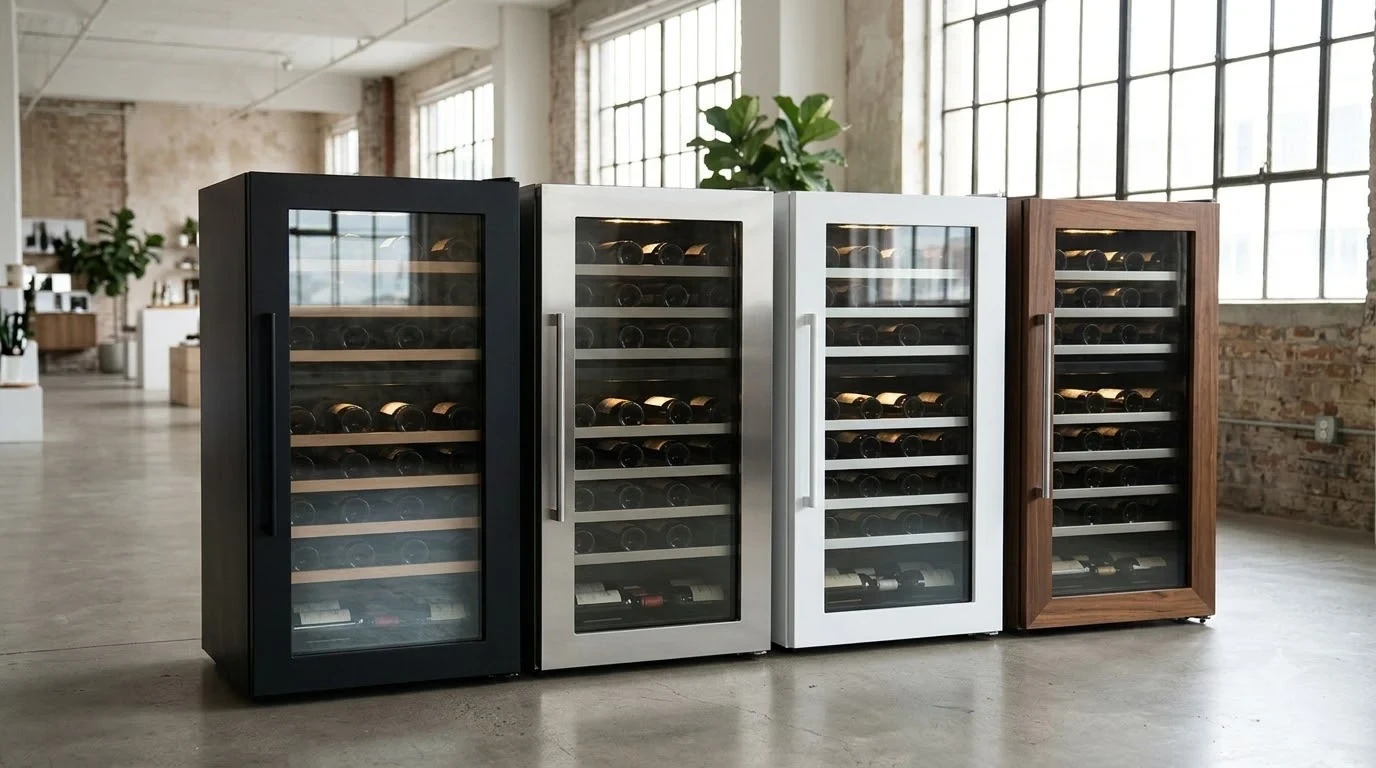
The best wine cellar kit depends on how many bottles you store and whether your room stays cool and steady. For most homes, a basic rack system with a thermometer covers the job, and a cooling unit only makes sense when the room runs warm or the bottles will sit for years. Racks keep bottles stable and easy to reach, while a dark, quiet spot away from heat does much of the protecting. Match the kit to your bottle count and the space you actually have.
A wine cellar kit can mean anything from a single freestanding rack to a fully climate-controlled unit with racking built in. Buying the wrong level of equipment is the most common mistake, because a large cooling system is wasted on twelve bottles and a plain rack will not hold steady temperatures in a sunny room. This roundup sorts the main kinds of kit by the situation they fit best, so you can choose a setup that matches your collection and your home.
Quick Comparison
Each kit type trades off capacity, setup effort, and how much control it gives over temperature. The table below compares the main options at a glance, so you can see where your needs fall before reading the detailed sections.
| Kit type | Typical capacity | Setup effort | Temperature control |
|---|---|---|---|
| Freestanding rack | Small to medium | Low | None on its own |
| Wall-mounted rack set | Small | Low to medium | None on its own |
| Modular bin system | Medium to large | Medium | None on its own |
| Compact cooling unit with racking | Small to medium | Medium | Active cooling |
| Built-in cellar kit | Large | High | Cooling and humidity control |
Best for Small Collections Under a Dozen Bottles
A freestanding rack is the simplest starting point when you own a few bottles and expect to drink them within a year or two. It needs no tools, moves easily when you rearrange a room, and keeps labels visible so you can find a bottle without pulling out the whole stack.
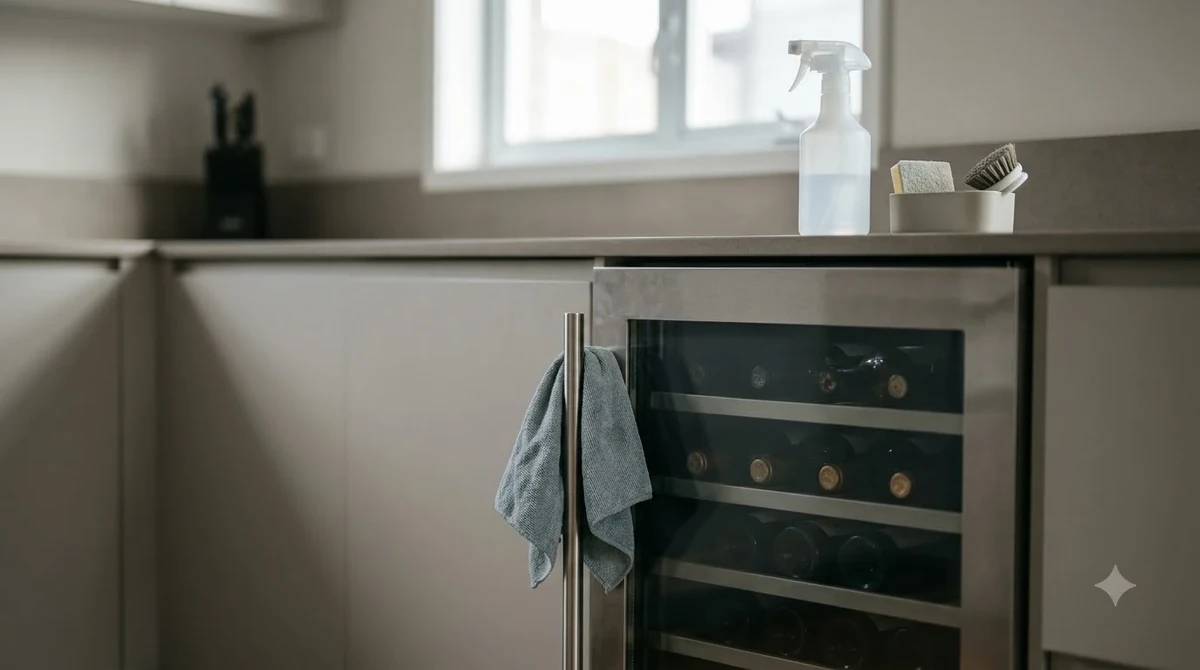
Why it stands out: The cost of entry is low and there is no installation. You can add a second tier later as the collection grows, and the rack works in almost any room with a stable temperature.
Keep in mind: A freestanding rack takes on the temperature of the room around it, so place it away from radiators, sunny windows, and the kitchen stove. Heat near the rack will shorten the life of even a modest collection.
Best for: First-time owners and anyone who buys wine mainly for drinking within the next year or two.
Best for Renters and Tight Spaces
Wall-mounted racks and narrow modular bins use vertical space and skip the floor footprint entirely. They suit apartments, closets, and kitchen nooks where every square foot counts and where a bulky freestanding unit would block a walkway.
Why it stands out: Bottles stay off the floor and out of the way of foot traffic, and a mounted set can hold a surprising number of bottles in a narrow strip of wall.
Keep in mind: Check the wall type and the weight of a full rack before mounting, because drywall needs proper anchors. Renters should confirm the lease allows wall fixtures before drilling anything.
Best for: Apartment dwellers and anyone with a closet or wall to spare but no basement.
Best for Serious Collectors Who Plan to Age Wine
When bottles will rest for years, stable conditions matter more than the rack itself. VinePair’s aging guide recommends keeping wine in a cool, dark place and storing bottles on a horizontal rack. A kit for long-term holding usually pairs racking with a cooling unit and a humidity gauge, so that the temperature does not climb during summer months.
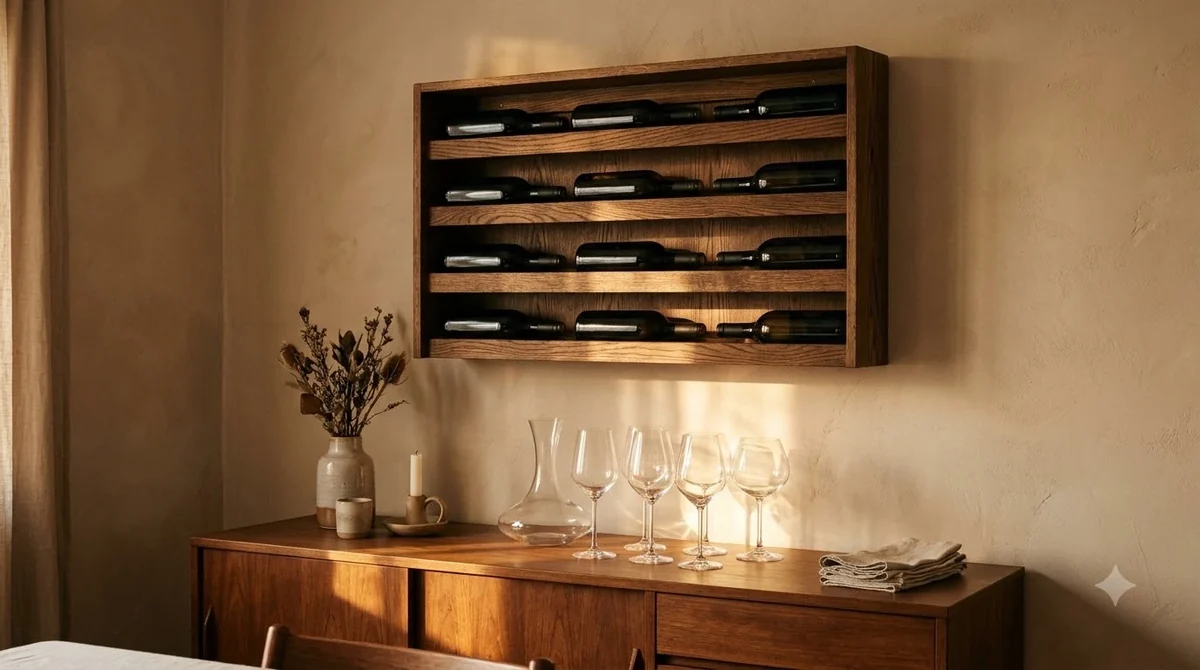
Why it stands out: It holds steady conditions through the seasons, which protects long-term bottles from the heat swings that a plain rack cannot control. Temperature and humidity can be checked at a glance on the unit’s display or a separate gauge.
Keep in mind: This kind of kit costs more to buy and to run. It needs a dedicated outlet, enough ventilation for the cooling unit to shed heat, and a spot where the noise and warmth from the compressor will not bother you.
Best for: Collectors who plan to hold bottles for a decade or longer and want the cellar to run without constant adjustment.
Best for Entertaining and Display
Glass-front cabinets and open display racks put the collection on show. They work well in a dining room, bar corner, or living area where guests will see the bottles, and they turn storage into a feature of the room.
Why it stands out: The bottles become part of the decor, and the same piece doubles as serving storage for the bottles you open most often.
Keep in mind: Direct sunlight and warmth can harm wine, so a display should sit away from windows and heat sources, and the bottles on show should be rotated out regularly. Think of a display unit as a place for wine you plan to drink soon, with the long-term bottles kept elsewhere. For a related idea, see the wine cellar door options that fit a formal room.
Best for: Hosts and collectors who want the bottles visible and who drink through their stock relatively quickly.
Best for Budget Starter Setups
A basic set of racks, a thermometer, and a cool closet can handle a modest collection without much spending. The key is choosing a spot that stays cool and steady, because a cheap rack in a stable room will outperform an expensive unit in a room that swings from warm to cold.
Why it stands out: It has the lowest total spend, and you learn what your space needs before buying more equipment.
Keep in mind: Without active cooling, the temperature follows the room. This setup suits short-term storage best, and it is a poor choice for bottles you plan to age for years.
Best for: Beginners and anyone testing whether a larger cellar is worth the investment.
How to Choose
Start with three questions: how many bottles you own, how long they will sit before opening, and what the room is like across a full year. The answers point to the right level of kit without guesswork.
- Capacity: Count your current bottles and leave room to grow, since most collections expand faster than planned.
- Temperature: Track the room with a thermometer for several days, including warm afternoons. A room that swings widely needs active cooling, while a steady one may not.
- Light and vibration: Choose a shaded spot away from appliances, speakers, and foot traffic.
- Space and mounting: Measure the footprint, check the ceiling and wall rules, and confirm the weight limit of any shelf or wall before buying.
For a deeper look at how racks differ, the guide to wine cellar racks covers materials and layouts that fit each type of collection.
Frequently Asked Questions
Do I need a cooling unit for a wine cellar kit?
Not always. If the room stays cool and steady, racks alone can work well for wine you plan to drink within a year or two. A cooling unit matters most when the room runs warm, when temperatures change sharply across seasons, or when the bottles will age for years.
Where should a wine cellar kit go in the home?
Choose a spot away from windows, heat sources, and kitchen appliances. A closet, a basement corner, or an interior room often holds steadier temperatures than a garage or a room against an exterior wall.
How should bottles be placed in a rack?
Horizontal storage is the usual approach for bottles you plan to keep for a while, and VinePair’s aging guide points to horizontal racking for that reason. Bottles you will open within days can stand upright without much concern, but a rack that holds them flat makes labels easy to read and avoids disturbing sediment.
Can I use a regular shelf instead of a wine rack?
A shelf can hold a few bottles if it sits in a cool, dark area and the bottles stay still. A purpose-built rack holds bottles more securely, keeps them at the right angle, and makes it easier to see which bottle is which without lifting the others.
A wine cellar kit should fit the bottles you own and the room you have. Start with what you need now, check the temperature over a few weeks, and add capacity or cooling only when the collection calls for it. For related gear that fits a home bar or cellar, browse the Accessories Library.
More in Wine Accessories
 Coravin Vs Vacu Vin: Choose the Right Wine Saver for Your BottlesUpdated Nov 21, 2026
 Zwilling Wine Stopper Review: Preserve Open Bottles LongerUpdated Nov 21, 2026
 Wine Enthusiast Wine Preserver Review: Features, Benefits and LimitationsUpdated Nov 21, 2026
 Wine Enthusiast Wine Stopper: An Easier Way to Reseal Open BottlesUpdated Nov 21, 2026
 Vintorio Wine Opener: Two-Step Cork RemovalUpdated Nov 21, 2026
 Zwilling Wine Aerator Review: Aerate, Pour, and Seal With One ToolUpdated Nov 21, 2026