

We may earn a commission when you buy through links on this page, at no extra cost to you. Learn more.
What is Valpolicella? In short, it is a family of dry and sweet red wines from the hills north of Verona in Italy’s Veneto region, made mainly from Corvina, Corvinone, and Rondinella grapes. The basic Valpolicella is fresh and medium-bodied, with bright sour cherry flavor, and it is the everyday red of the area. The richer styles, Ripasso, Amarone, and Recioto, share the same grapes but use dried grapes or leftover skins to build more body, spice, and sweetness. Knowing the four styles makes it easier to choose the right bottle for a weeknight dinner or a special meal.
Valpolicella is one of those names that shows up on Italian wine lists and shop shelves, often followed by words like Ripasso, Superiore, or Amarone that can be confusing at first. The basic idea is simpler than it looks. All of these wines come from the same corner of northeastern Italy and from the same native grapes. What changes is how those grapes are handled. Some bottles are fresh and quick to drink, while others are dried, concentrated, and built for long aging. This guide covers where the wine is made, which grapes go into it, how the four main styles differ, how it tastes, and how to serve and pair it well.
Where Valpolicella Is Made
Valpolicella comes from a line of foothills in the province of Verona, running from the shore of Lake Garda almost to the border with the province of Vicenza.
According to the regional profile on WineWiki, the official zone covers all or part of 19 municipalities, and it is divided into three parts. The Classica area is the historic heart and includes Sant’Ambrogio di Valpolicella, San Pietro in Cariano, and the valleys of Fumane, Marano and Negrar. The Valpantena zone follows the valley of the same name, and the wider Valpolicella DOC zone reaches east into valleys such as Illasi, Tramigna and Mezzane. You do not need to memorize every village, but knowing that Classico signals the historic core helps when you read a label.
The land is steep and varied. Vineyards can climb to about 500 meters above sea level, and the soils change from one valley to the next. Limestone and marl dominate the hills, basalt appears in some hilly sectors, and alluvial soils cover the plain to the southwest. Lake Garda softens the continental climate, so vineyards closer to the water see less extreme winter cold and summer heat. Wind matters too. The Sirocco is a warm, humid wind from the southeast that brings rain, while the dry Föhn blows from the north with gusts that can reach 100 kilometers per hour.
If the name itself still feels unfamiliar, our guide on how to pronounce valpolicella breaks down the sounds one at a time, which is handy before you order it in a restaurant. Once you know where the wine grows, it becomes easier to see why its fresh base style and its richer relatives can taste so different.
The Grapes Behind the Blend
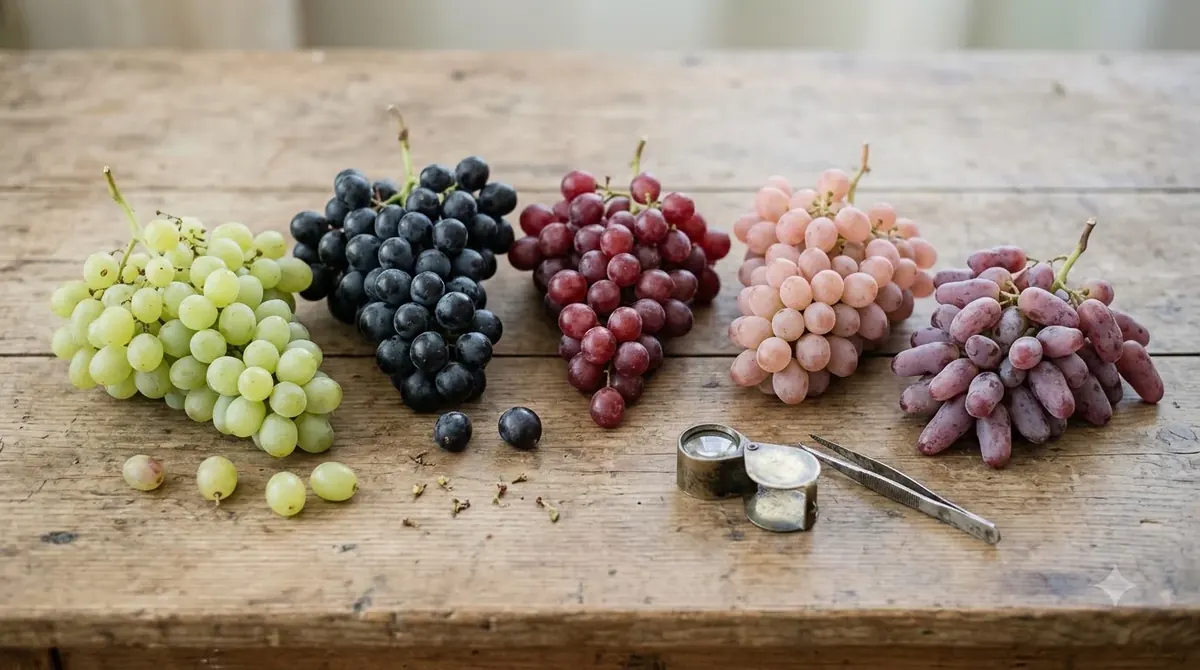
Valpolicella is built on indigenous Veronese grapes, with Corvina doing most of the work and Corvinone and Rondinella playing supporting roles.
Italian production rules name Corvina Veronese, also known as Cruina or Corvina, as the core of the blend. Under the Valpolicella DOC, Corvina and/or Corvinone must make up 45 to 95 percent of the wine, and Rondinella must make up 5 to 30 percent. Up to 25 percent can come from other authorized red varieties. Those ranges leave producers real room to choose their style, which is one reason two bottles with the same name can taste so different. Only red grapes are permitted, so Valpolicella is always a red wine, and no white version exists under the DOC.
Each variety has a clear job. Corvina is the backbone of the blend, giving structure, aromas and softness. Corvinone adds very spicy notes of morello cherry along with extra complexity and structure, and its role has grown in recent years. Daniele Accordini, vice president of the Consortium, has explained that Corvinone is more resilient than Corvina to water stress and to esca, a serious vine disease. That matters as the region’s summers get warmer. Rondinella is valued for its resistance to bad weather and disease, and it contributes color and flavor, quietly keeping the blend balanced.
Molinara deserves a mention because its status has changed. Producers once had to include it, but the rules were loosened, and it is now optional. Some wineries still use a little for a lean, fresh edge, while others leave it out entirely.
The Four Styles of Valpolicella
The four main styles come from the same grapes and the same region, so the handling of the fruit and the winemaking method do most of the work in shaping each one.
| Style | Key rule or method | Typical serving |
|---|---|---|
| Valpolicella DOC | Fresh grapes, minimum 11% alcohol by volume | 57 to 61°F (14 to 16°C) |
| Valpolicella Superiore DOC | Minimum 12% alcohol, aged at least one year from January 1 after harvest | 57 to 61°F (14 to 16°C) |
| Valpolicella Ripasso DOC | Re-fermented on Amarone or Recioto pomace, with 10 to 15 percent of the wine from those styles | 57 to 61°F (14 to 16°C) |
| Amarone della Valpolicella DOCG | Grapes dried about three months, losing 30 to 50 percent of their weight | 60 to 65°F (16 to 18°C) |
| Recioto della Valpolicella DOCG | Dried grapes, with fermentation stopped early to keep natural sweetness | Slightly chilled |
The base Valpolicella DOC is the fresh, everyday wine. According to the Consortium, it is made by classic red winemaking followed by a short maturation, and it tastes fresh, dry or rather smooth, and pleasantly vibrant. The minimum alcohol is 11 percent by volume, which is the baseline you will find on most basic bottles.
Valpolicella Superiore is the more serious version of the same wine. It is made from selected grapes and must reach at least 12 percent alcohol and age at least one year. Ripasso sits between the two worlds. Winemakers re-ferment finished Valpolicella on the pomace left over from Amarone or Recioto production, which adds color, tannin, and dried-fruit complexity. The word ripasso means “re-pass,” and the rules require 10 to 15 percent of the wine to come from material suitable for Amarone or Recioto. Ripasso has been the region’s top-selling style, which is why it appears on so many lists.
Amarone and Recioto are the dried-grape wines. The bunches are laid out in ventilated drying rooms, called fruttai, for about three months, and they lose roughly 30 to 50 percent of their weight before pressing. Recioto is the older, sweeter style. Fermentation is stopped early, so sugar remains and the wine keeps good acidity. Amarone is allowed to ferment dry, and its name translates roughly as “great bitter.” It is full-bodied and slightly raisined, with a pleasant bitterness on the finish. If you want to see how these styles sit among other reds, our Wine by Type section puts them in context.
How Valpolicella Got Its Name and Reputation
The region has produced wine for a very long time, but the modern appellation system is much newer, and it shaped how these wines are made today.
The name is commonly explained as “valley of many cellars,” a reading that appears in several regional histories. Winemaking here is far older than the appellation. The WineWiki regional profile traces early vines to the Paleo-Venetian or Etruscan-Rhaetic peoples and describes a dried-grape wine called Acinatico, written about under the Ostrogoth king Theodoric in the early sixth century and generally considered an ancestor of Recioto. The name Valpolicella appears in an official document from 1177, so the place has carried this name for close to nine centuries.
Modern regulation arrived with the DOC, which was approved by presidential decree on 21 August 1968. In the decades that followed, the production zone was widened to include flatter land on the plains, and the early rules allowed grapes of lower potential quality into the blend. Over time the Consortium tightened the rules. Yields are now capped at 12 tonnes of grapes per hectare, and the grape-to-wine conversion cannot exceed 70 percent.
The biggest structural change came in 2010, when ministerial decrees made Valpolicella, Ripasso, Recioto and Amarone separate denominations. Amarone and Recioto became DOCG wines, the top tier of Italy’s classification, while Ripasso gained its own DOC. That split is why the same valley can produce wines that feel so different in the glass. Later revisions kept refining the blends, including allowing a larger share of Corvinone.
How Valpolicella Tastes and When to Drink It
Standard Valpolicella is bright and fruit-forward with low tannin, while the richer styles reward patience and slower sipping.
The base Valpolicella DOC is light to medium in body, with bright sour cherry, pomegranate and violet aromas. WineWiki describes lively acidity and relatively low tannins, which makes the wine approachable when young. Corvina contributes a slightly bitter almond note on the finish, which keeps the wine from tasting flat. That acidity also helps at the table, because bright, tart wines pair naturally with tomato sauce and with dishes that have some fat and salt.
Timing matters more here than with many reds. VinePair suggests drinking standard Valpolicella and Ripasso within about the first five years after release, and a slight chill suits the young wines well, in the same way many people treat a good Beaujolais. Superiore keeps the same freshness while gaining spice and gentle vanilla from its year of aging. Amarone and Recioto are built for the long haul, and VinePair notes that they can last 10 years or more in the bottle, though they are also very enjoyable when first released.
The richer styles change character as they develop. Ripasso shows dark cherry with a touch of black pepper, while Amarone moves toward figs and baker’s chocolate, with hints of tobacco, as it ages. If you want a checklist for comparing glasses side by side, our valpolicella tasting notes page lists the aromas to look for in each style.
Serving Temperature and Storage
Valpolicella DOC is best served cool rather than warm, and the richer styles need a little more warmth to show their full structure.
The Consortium recommends serving Valpolicella DOC at 14 to 16 degrees Celsius, which is 57 to 61 degrees Fahrenheit. That range keeps the fruit lively and the alcohol in check. A bottle sitting on a warm counter or near the stove will often be too warm for the glass, so a short time in the refrigerator before pouring is a practical fix.
The richer styles sit a little higher. Amarone shows its full body best at about 60 to 65 degrees Fahrenheit, while Recioto is served slightly chilled. With a sweet wine, the basic rule is that the wine should be at least as sweet as the dessert, otherwise the wine will taste thin and the food will taste heavy.
Storage is simple. Keep unopened bottles lying on their side in a cool place near 55 degrees Fahrenheit, away from light and sudden temperature swings. Once a bottle is open, cork or stopper it and keep it in the refrigerator if you will not finish it the same evening.
Tip: Pour about five ounces per glass. A standard 750 ml bottle then gives roughly five servings, which makes it easier to plan how much to open for a dinner with friends.
Foods That Match Valpolicella
Valpolicella DOC suits lighter dishes and everyday meals, while Superiore, Ripasso, and Amarone stand up to red meat, game, and aged cheese.
The Consortium suggests pairing Valpolicella DOC with appetizers, light first courses and white meats, and it describes the wine as enjoyable with fresh summer dishes. The Consortium’s own serving and food guidance is a good starting point. The acidity and low tannin make the wine flexible. It works with tomato-based pasta, pizza, roast chicken and grilled pork, and it is an easy choice when a group orders several plates at once. VinePair also recommends the younger wines with salads, seafood and gnocchi.
Superiore suits more substantial second courses, especially red meat and medium-aged cheeses. Ripasso’s spice and dried-cherry character works with grilled meats and with Venetian classics such as fegato alla veneziana, liver cooked with onions and potatoes. Amarone is the wine for bigger flavors. A medium-rare steak with a glass of Amarone is a classic match, and the Venetian braise brasato all’Amarone, beef cooked in Amarone and served with polenta, shows how the wine works in the kitchen.
Dessert needs care. Recioto is sweet and pairs well with tiramisu, chocolate and cakes, as long as the dessert is not sweeter than the wine. A plate of blue cheese, local cheeses and dried fruit with a glass of Recioto is another reliable option, because the salt and savory notes keep the sweetness in balance.
Frequently Asked Questions
Is there a white Valpolicella?
No. Under the DOC rules only red grape varieties are permitted, so every Valpolicella wine is red. The rules also limit how vines are trained to espalier or inclined pergola veronese, and the WineWiki profile gives the pergola a 75 percent share of training, with Guyot making up the remaining 25 percent.
How long does an opened bottle last?
Still wines like Valpolicella usually keep for 3 to 5 days in the refrigerator after opening, so an open bottle can be finished over a few evenings. Re-cork it tightly, keep it cold, and reduce the amount of air it sees by replacing the cork between pours.
Should a young Amarone be decanted?
Young full-bodied reds usually benefit from decanting for 30 to 60 minutes before serving, which softens the tannins and lets the aromas open up. Amarone is a strong candidate, especially when it is young and tight. Older bottles with sediment should be decanted carefully and shortly before serving.
What does “vigna” mean on a Valpolicella label?
It signals a single plot. A “vigna” followed by a place name is allowed for separately registered and separately vinified vineyards, while words such as “extra,” “fine,” and “scelto” are not permitted under the rules. The vintage year must also appear on the label.
What happens if a vineyard produces too many grapes?
Yields are controlled tightly. If the grape-to-wine conversion lands between 70 and 75 percent, the excess loses its DOC status, and if it goes above 75 percent, the whole batch loses it. Producers therefore have a strong reason to keep their crops disciplined.
Valpolicella rewards slow exploration. Start with the DOC for an easy weeknight red, move to Superiore or Ripasso when you want more depth, and save Amarone or Recioto for a special meal. Serve each style at the right temperature, and the differences between them become easy to taste.
More in Wine Types & Grapes
 Zinfandel Sugar Content: Dry Red vs. White Zinfandel GramsUpdated Nov 21, 2026
 Best Zinfandel Substitute Options for Sipping and CookingUpdated Nov 21, 2026
 Zweigelt Food Pairing: Best Dishes, Cheeses, and Serving TipsUpdated Nov 21, 2026
 Zinfandel Tannins Explained: How Structure Shapes Every BottleUpdated Nov 21, 2026
 Zinfandel Sweetness Level: Dry Red vs. Sweet White Zin ExplainedUpdated Nov 21, 2026
 Xinomavro Food Pairing: Best Dishes, Styles, and Serving TipsUpdated Nov 21, 2026