

We may earn a commission when you buy through links on this page, at no extra cost to you. Learn more.
Knowing what is rioja wine starts with the region: Rioja is a protected Spanish wine style, mostly red, built on the tempranillo grape and labeled by how long it ages. The region sits in northern Spain, and its wines range from fresh, youthful bottles to long-aged reserves. Understanding the aging terms is the fastest way to know what is in the glass.
This primer explains what is rioja wine, where the region is, which grapes go into it, and what the aging labels mean. It also covers how Rioja tastes, which foods suit it, and how to buy and store a bottle with confidence.
What Is Rioja Wine?
Rioja is best understood as both a place and a set of rules. The name refers to a protected wine region in northern Spain, and wines carrying the name must follow the production requirements set by the regulating council. Those rules cover where the grapes grow, which varieties are allowed, and how long wines must age before release.
The Rioja DOCa is the highest quality category in Spanish wine regulation. According to the Wikipedia entry on the Rioja DOCa region, the designation is short for Denominación de Origen Calificada, which signals the strictest tier of Spain’s appellation system. Most Rioja wine is red, but the region also makes white and rosé wines in smaller volumes.
For most American shoppers, the practical takeaway is simple. A Rioja label tells you where the wine comes from and how it was aged. The grape list and the aging term give you the rest of the picture, so you can compare bottles without relying on marketing language.
Where Rioja Is Located in Spain
The Rioja region lies in northern Spain and is shaped by the Ebro River. Its vineyards spread across the autonomous community of La Rioja, parts of Navarre, and the Basque province of Álava. Because the region crosses several administrative areas, the same appellation can produce very different microclimates.
Rioja is divided into three zones. Rioja Alta is the westernmost and highest, Rioja Oriental is the warmest and driest, and Rioja Alavesa sits in Álava with clay and limestone soils. Many wines blend fruit from all three areas, though single-zone and single-vineyard bottlings are growing in number.
Main Grapes Used in Rioja
Tempranillo is the backbone of Rioja red wine and the variety most people associate with the region. It is the dominant red grape, and it gives the wines their characteristic red and black fruit, firm structure and capacity for oak aging. Growers also plant several supporting red varieties, which add color, aroma or freshness to the final blend.
The other permitted red grapes include Garnacha Tinta, Graciano, Mazuelo and Maturana Tinta. Garnacha contributes body and soft fruit, Graciano adds aromatic lift and acidity, and Mazuelo, also known as Cariñena, adds structure. The exact mix depends on the producer and the style they want.
White Rioja uses a different group of grapes. The traditional white varieties are Viura, which is also called Macabeo, Malvasía and Garnacha Blanca. Newer permitted whites include Tempranillo Blanco, Maturana Blanca and the local Turruntés, along with Chardonnay, Sauvignon Blanc and Verdejo. Foreign white varieties may not dominate a finished wine.
Rioja Aging Levels: Crianza, Reserva, and Gran Reserva
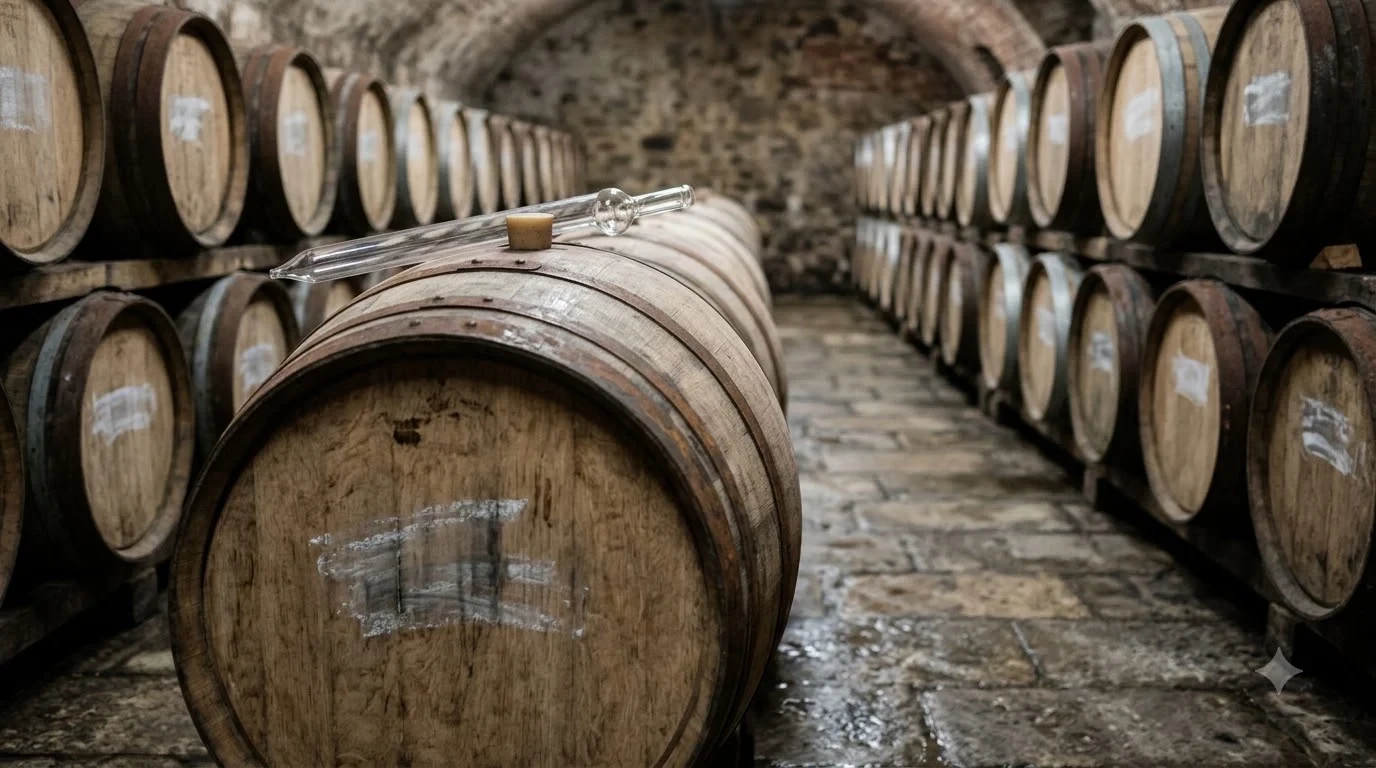
Rioja wines are sorted by aging, and the label term tells you the minimum time the wine spent in oak and bottle before release. The four categories are Generic, Crianza, Reserva and Gran Reserva. Each step up requires longer maturation, and the rules differ slightly for red, white and rosé wines.
The Napa Valley Wine Academy guide to Rioja aging summarizes the red requirements clearly. Red Crianza needs a year in oak and a year in bottle, while red Reserva needs three years with at least 12 months in oak. Red Gran Reserva needs five years, with at least two in barrel and two in bottle.
| Category | Red wine rule | Typical character |
|---|---|---|
| Generic | No set minimum aging; origin and vintage still shown | Youthful, made for early drinking |
| Crianza | One year in oak, then one year in bottle | Fruit-forward with oak spice |
| Reserva | Three years total, at least 12 months in oak | Fuller, with more tertiary notes |
| Gran Reserva | Five years total, at least two in oak and two in bottle | Rich, savory and often dried fruit |
White and rosé wines follow shorter schedules. According to the same guide, a white or rosé Crianza has the same total time as a red but only six months in barrel. Reserva and Gran Reserva white and rosé wines also require less oak time than their red counterparts, so check the label or the producer’s sheet for specifics.
Since 2018, labels can also name a single vineyard, a village or a zone. These terms describe the origin of the grapes rather than the aging, and they help you identify wines that come from a particular site or microclimate.
Rioja Styles: Red, White, and Rosado
Red Rioja is the best-known style and the one most shoppers see on shelves. These wines range from fresh, fruit-driven bottles to deeply aged reserves with savory notes. The aging term on the label is the clearest guide to where a red sits on that spectrum.
White Rioja is made from the permitted white varieties, with Viura playing a major role. Many white wines are fresh and light, while others use oak to add texture. Rosado, the Spanish term for rosé, is also made in the region and tends to be lighter in body than the reds.
Because the category rules vary by color, a white Crianza and a red Crianza share a name but not an identical profile. Read the color and the aging term together. That combination tells you more about the style than either word does alone.
How Rioja Tastes and Food Pairings
Rioja red wines generally show red and black fruit, with spice and sometimes vanilla or coconut notes from oak. Younger bottles feel brighter and fresher, while older reserves develop savory, earthy and dried-fruit flavors. Acidity and tannin levels vary with the zone and the blend, so the same label can taste different from one vintage to the next.
Those traits make Rioja a flexible food wine. Grilled and roasted meats, roasted vegetables, tomato-based dishes and aged cheeses all pair well with the structure of a red Crianza or Reserva. Lighter Rioja whites and rosés suit seafood, salads and tapas-style plates.
When in doubt, match intensity. A fuller, oak-aged red needs richer food, while a fresh Crianza or a rosé works better with simpler dishes. Serving temperatures and glassware also affect the experience, so check the producer’s guidance when you open a bottle.
How to Buy and Store Rioja
Start with the label. Look for the Rioja name, the aging term, the vintage and any zone or vineyard designation. If you want a lighter, fruit-forward red, a Crianza is a practical starting point. If you prefer a more developed wine, a Reserva or Gran Reserva will show more of the oak and bottle age the rules require.
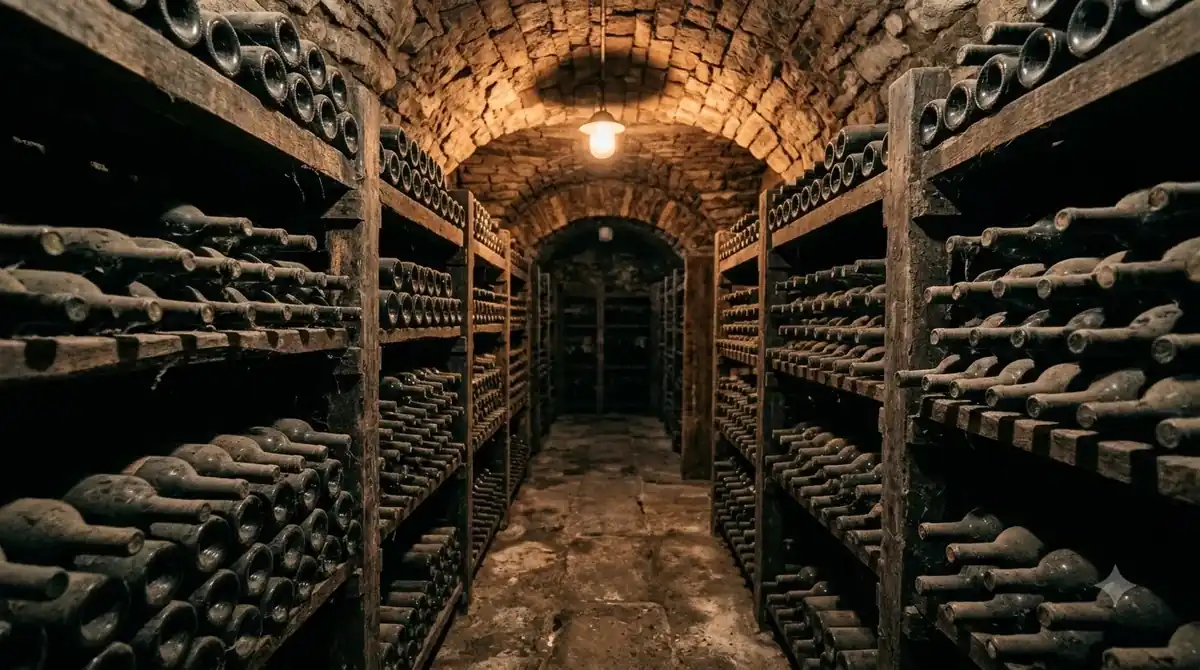
Storage is simpler than many people expect. Keep bottles in a cool, dark place away from heat and strong vibration, and store them on their sides if they have natural corks. Wines that need more time can rest for longer, while youthful bottles are usually best opened sooner. Check the producer’s notes for any specific guidance.
- Decide whether you want red, white or rosé, then pick the aging term that fits your taste.
- Check the vintage and any zone or vineyard label for extra detail about origin.
- Read the producer description to see whether the wine is a blend of all three zones.
- Store unopened bottles in a stable, cool spot until you are ready to drink them.
If you want to explore the broader family of wine styles before you buy, the Wine by Type guide places Rioja alongside other red and white categories. For a comparison with a different Italian red, the chianti grape page explains how grape choice shapes a wine’s character.
Frequently Asked Questions
Is Rioja a grape or a region?
Rioja is primarily a wine region in northern Spain, and the name is protected by the Rioja DOCa. Tempranillo is the main grape for red wines, but Rioja wines also use several other permitted red and white varieties. The name on the label refers to the place and its production rules.
What is the difference between Crianza and Reserva?
For red wines, Crianza requires one year in oak and one year in bottle, while Reserva requires three years total with at least 12 months in oak. Reserva is usually made only in very good or excellent vintages. The longer requirement generally produces a fuller, more developed wine.
Does Rioja only come in red wine?
No. Rioja produces red, white and rosé wines. Red wines dominate the region’s vineyard plantings, but white and rosé bottles are made as well. Check the label for the color and the aging term to understand the style.
How should I store a bottle of Rioja?
Keep the bottle in a cool, dark place away from heat and vibration. Store bottles on their sides if they use natural corks. Youthful wines are generally best enjoyed sooner, while longer-aged reserves can rest longer. Check the producer’s notes for any specific advice.
Rioja is easier to choose once you know the grapes, the regional zones and the aging terms. Start with a Crianza to learn the house style, then move to a Reserva if you want more depth. Drink responsibly, and enjoy the wine with food.
More in Wine Types & Grapes
 Zinfandel Sugar Content: Dry Red vs. White Zinfandel GramsUpdated Nov 21, 2026
 Best Zinfandel Substitute Options for Sipping and CookingUpdated Nov 21, 2026
 Zweigelt Food Pairing: Best Dishes, Cheeses, and Serving TipsUpdated Nov 21, 2026
 Zinfandel Tannins Explained: How Structure Shapes Every BottleUpdated Nov 21, 2026
 Zinfandel Sweetness Level: Dry Red vs. Sweet White Zin ExplainedUpdated Nov 21, 2026
 Xinomavro Food Pairing: Best Dishes, Styles, and Serving TipsUpdated Nov 21, 2026