

We may earn a commission when you buy through links on this page, at no extra cost to you. Learn more.
What is marsala? It is a fortified wine from western Sicily, named after the coastal town of Marsala, and it ranges from bone dry to very sweet. It is made from native Sicilian grapes, brought up to a higher alcohol level with a distilled grape spirit, and often aged in barrels using a solera system. Cooks know it best from chicken Marsala, but it is also a fine sipping wine.
If you have seen a bottle of marsala in the cooking aisle or on a restaurant dessert menu and wondered what it actually tastes like, this guide covers the basics. You will learn where it comes from, the color and sweetness categories on the label, and how to pick a bottle for drinking or cooking.
Where Marsala Comes From
Marsala takes its name from the town of Marsala on the west coast of Sicily. According to VinePair’s complete guide to marsala, it is a fortified wine named for its village of origin, and it became a DOC, a protected designation of origin, in 1969. The wine is made from grapes grown across the western part of the island, and the producing area is tied to that western coast.
The style is defined by how it is made as much as where. Producers still rely on the same fortified, oxidatively aged approach that the label categories describe, so a bottle’s color, age, and sweetness all tell you something about the process behind it.
Colors and Grapes Behind the Label
Marsala is sorted by color, and the color tells you which grapes went into the bottle. Gold (oro) and amber (ambra) styles are made from white grapes, mainly Grillo, Inzolia, Catarratto, and Damaschino. Ruby (rubino) styles use red grapes such as Perricone, Nero d’Avola, and Nerello Mascalese.
The amber color comes from aging, not from the grapes alone. Oxidation over time darkens the wine and gives it notes of dried fruit, caramel, and toasted nuts.
| Color | Main grapes | Typical character |
|---|---|---|
| Oro (gold) | Grillo, Inzolia, Catarratto | Light, fresh, nutty |
| Ambra (amber) | White grape blends | Richer, dried fruit, caramel |
| Rubino (ruby) | Perricone, Nero d’Avola, Nerello Mascalese | Red fruit, more structure |
Dry, Semi-Dry, and Sweet Styles
Sweetness is the first thing to check on the label. Secco means dry, semisecco means semi-dry, and dolce means sweet. The category depends on how much residual sugar is left in the finished wine.
The biggest factor is timing. Producers add the grape spirit at different points in fermentation. Fortifying early kills the yeast and leaves sugar behind, which makes a sweeter wine. Fortifying later, after most of the sugar has been fermented, makes a drier one. VinePair’s guide notes that this timing is what sets the sweetness of the finished wine.
Dry marsala is the style most people use in savory cooking, because it adds depth without the sugar. Sweet marsala is the style to drink after a meal, usually in a small glass.
The three categories are not a strict ladder of quality. A dry bottle is not better than a sweet one; it is simply built for a different job. Dry marsala suits a sauce that needs savory depth, and sweet marsala suits a dessert or a slow sipping session. Many people find that the sweeter amber styles are the easiest entry point, because the sugar softens the nutty, oxidized character that can feel sharp to first-time drinkers.
When you read a label, look for the sweetness word first, then the color, then the age statement. Together those three details tell you more than the brand name does, which is why it helps to know what each term means before you buy.
How Marsala Is Made and Aged
Marsala is fortified, which means a distilled grape spirit is added to a base wine until the total alcohol falls between 15 and 20 percent ABV, according to VinePair. That is higher than most table wines, which usually sit around 12 to 14 percent. The extra alcohol makes the wine more stable and lets it age for a long time after opening.
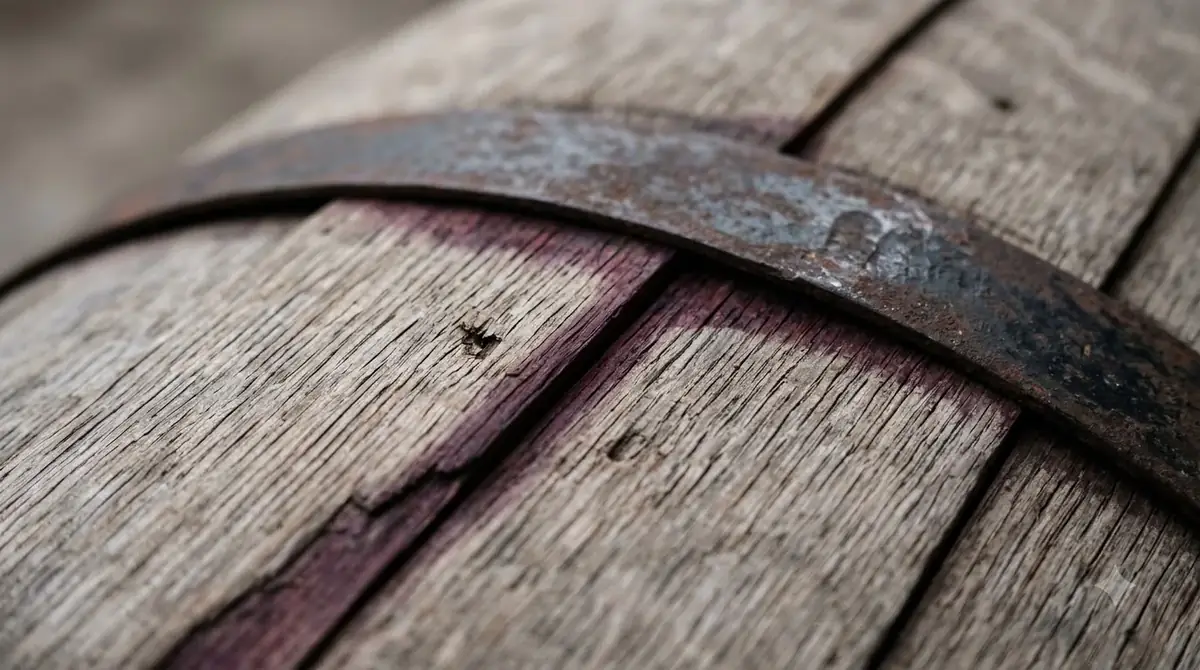
Many producers age marsala in oak barrels using a solera system. In a solera, younger wine is added to older barrels over the years, so each bottle carries a blend of vintages. Age statements on the label range from a minimum of one year in barrel to more than ten years, with Superiore and Riserva indicating longer aging.
Cooking With Marsala
Marsala is one of the best-known cooking wines in Italian kitchens. Its nutty, slightly sweet flavor works in sauces for chicken, veal, and mushrooms, and it can be reduced in the pan to build a glossy finish. Dry marsala works well in savory dishes, while sweet marsala is better suited to desserts and zabaglione.
A warning for American shoppers: the “cooking wine” sold in grocery stores under the Marsala name is not the same product. VinePair notes that those bottles do not resemble real Marsala. Buy a bottle labeled as Marsala DOC from a wine shop, and keep it in the refrigerator after opening, since fortified wines last longer than table wine but still change over time.
For a direct swap, see our guide to marsala substitutes if you cannot find a bottle. For the dish itself, these cooking ideas show how the wine fits into everyday recipes.
Drinking Marsala and Pairing It With Food
Marsala is a food wine, and it pairs well with both salty and sweet dishes. VinePair suggests blue cheeses such as Gorgonzola or Stilton, and salty, rich foods like Parmigiano-Reggiano, smoked fish, and anchovy crostini. Nuts, dried fruit, and desserts also match well with the nutty, caramel notes of aged styles.
Dry styles work as an aperitif or with savory snacks. Sweet styles finish a meal, especially with almond pastries or a plate of dried figs. Marsala also appears in cocktails, including highballs and Bloody Marys, where it stands in for vermouth.

How to Choose a Bottle
Start with the purpose. For cooking, a basic dry marsala from a reputable producer is enough, and it does not need to be aged for decades. For sipping, look at the age statement and the sweetness category, and pick a sweet or dry style based on what you plan to eat.
Read the label for DOC or Marsala Superiore, check the color category, and avoid bottles from the cooking aisle. If you are new to the wine, a small bottle of amber dolce is a good way to learn the style without a big commitment.
Think about how often you will use the bottle. A cook who reaches for marsala once a month may be happy with a basic dry bottle that keeps well between uses. Someone who plans to serve the wine with dessert or cheese is better off choosing an aged sweet style, where the age statement and the solera blend will show more in the glass. Either way, a good bottle does not need to be expensive to be useful in the kitchen.
Frequently Asked Questions
Is marsala a wine or a liqueur?
Marsala is a wine. It is fortified with a grape spirit, which raises its alcohol level, but it starts as a wine made from grapes and is classified as a fortified wine, similar to sherry and port.
What does marsala taste like?
Flavors depend on the style. Young gold marsala is fresh and nutty, while aged amber styles taste of dried fruit, caramel, and toasted almonds. Sweet versions are rich and syrupy, and dry versions are savory and lightly sweet.
Can I drink marsala on its own?
Yes. Dry marsala is usually served slightly chilled as an aperitif, and sweet or aged marsala is often poured in a small glass after dinner. It is a good match for cheese and nuts.
Does marsala go bad?
Marsala keeps longer than most table wines because of its higher alcohol level, but it still changes once opened. Reseal the bottle, keep it cool, and finish it within a reasonable time for the best flavor, especially the lighter styles.
Marsala is more versatile than its reputation suggests. Whether you want a splash for a sauce or a small glass after dinner, knowing the color and sweetness categories makes the choice easy. For more on the wine’s use in the kitchen, visit our guide to wine by type.
More in Wine Types & Grapes
 Zinfandel Sugar Content: Dry Red vs. White Zinfandel GramsUpdated Nov 21, 2026
 Best Zinfandel Substitute Options for Sipping and CookingUpdated Nov 21, 2026
 Zweigelt Food Pairing: Best Dishes, Cheeses, and Serving TipsUpdated Nov 21, 2026
 Zinfandel Tannins Explained: How Structure Shapes Every BottleUpdated Nov 21, 2026
 Zinfandel Sweetness Level: Dry Red vs. Sweet White Zin ExplainedUpdated Nov 21, 2026
 Xinomavro Food Pairing: Best Dishes, Styles, and Serving TipsUpdated Nov 21, 2026